
There’s something both magical and a little confusing about feeling your baby move inside you, especially when it happens most at night. Many moms notice baby kickingat night during pregnancy and wonder why their little one suddenly becomes so active just when they’re trying to rest. If you’ve ever laid down, hoping for sleep, only to feel those tiny kicks, rolls, and stretches, you’re not alone. This is a very common experience, and in most cases, it’s actually a healthy and reassuring sign.
Let’s gently explore what these nighttime movements mean, why they happen, and how you can find comfort and rest during this special phase.
Many pregnant moms experience baby kicking at night during pregnancy, and it often becomes one of the most noticeable parts of their daily routine.
Why Baby Kicking at Night During Pregnancy Happens
Nighttime kicks can feel stronger, more noticeable, and sometimes even constant. While it may feel like your baby has switched to a night schedule, there are a few simple reasons behind it.
You’re Finally Still
During the day, your movements, walking, sitting, working, create a gentle rocking motion inside your womb. This can actually lull your baby to sleep, just like rocking a cradle.
At night, when you lie down and become still, your baby finally “wakes up” and starts moving more actively. That’s why baby kicking at night during pregnancy often feels more intense.
You’re More Aware
In the quiet of the night, there are fewer distractions. No noise, no busy tasks, just you and your baby. This makes even small movements feel more noticeable.
Your Baby’s Sleep Cycle
Babies don’t follow our day-night routine while in the womb. They have short sleep cycles, often waking and moving every 20–40 minutes. So if your baby keeps kicking legs at night in pregnancy, it may simply be their natural rhythm.

What Does Nighttime Kicking Mean?
For most moms, those little nighttime kicks are actually a comforting sign. It may feel surprising when your baby becomes active just as you’re trying to rest, but in many ways, it’s a gentle reminder that your baby is growing well and staying active inside your womb.
A Healthy, Active Baby
Those kicks, stretches, and little rolls are one of the clearest ways your baby “communicates” with you during pregnancy. When you feel movement, it usually means your baby is healthy and comfortable. Even if the kicks feel strong at times, they’re often a reassuring sign that everything is progressing just as it should.
Growing Strength
As your pregnancy moves forward, your baby becomes bigger and stronger, and you’ll definitely feel the difference. What may have started as soft flutters in the early weeks slowly turns into more defined movements. By the later months, those gentle taps can feel like firm kicks or even little pushes, especially at night when you’re more aware of them.
Responding to You
One of the sweetest parts of pregnancy is realizing that your baby may already be responding to you. They can react to your voice, your touch, and even small changes in your routine. Sometimes after you eat, especially something sweet or cold, you might notice more movement. It’s almost like your baby is joining in, quietly responding to the world through you.
When Do Kicks Usually Start?
Every pregnancy has its own rhythm, and no two moms experience it in exactly the same way. But in most cases, those first little movements, often called “quickening”, begin somewhere between 16 and 25 weeks of pregnancy. At first, it might not even feel like kicks. Many moms describe it as soft flutters, tiny bubbles, or a gentle swishing feeling.
- First-time moms may notice kicks a bit later
If this is your first pregnancy, it can take a little longer to recognize those early movements. Since everything is new, it’s easy to mistake them for something else, like gas or muscle twitches. - Moms who’ve been pregnant before may feel them earlier
If you’ve experienced pregnancy before, you might recognize those sensations sooner. Your body already knows what to look for, so even the smallest movements can feel familiar. - Movements become stronger as the weeks go by
As your baby grows, those soft flutters slowly turn into clearer, stronger kicks and stretches. By the time you reach the later months, the movements can feel quite noticeable, and sometimes even surprising!
By the third trimester, baby kicking at night often becomes a regular part of your routine. It’s almost like your baby has their own little schedule, reminding you they’re there, growing and becoming stronger each day.
Why Baby Keeps Kicking Legs at Night in Pregnancy
If you’ve ever wondered why your little one suddenly becomes more active just when you’re ready to rest, you’re definitely not alone. Many moms notice that their baby keeps kicking legs at night in pregnancy, and while it can feel a bit surprising (and sometimes tiring), there are some very gentle and natural reasons behind it.
Your Eating Patterns
After a long day, dinner or a small late-night snack can slightly raise your blood sugar levels. This doesn’t just give you energy, it can also give your baby a little boost. You might notice that after eating something sweet or even a full meal, your baby becomes more active, stretching and kicking as if they’ve woken up refreshed.
Change in Position
When you finally lie down, especially on your side, your body relaxes and blood flow to your baby improves. This increased circulation can make your baby feel more comfortable and active. It’s almost like they now have the space and energy to move around freely, which is why the kicks may feel stronger or more frequent.
Less External Motion
During the day, your movements, walking, sitting, even shifting positions, create a gentle rocking effect that can soothe your baby. But at night, everything becomes still. Without that constant motion, your baby may wake up and start exploring their little space, stretching those tiny legs and making their presence known.
In a way, these nighttime kicks are just your baby’s natural rhythm. While it might take a little getting used to, it’s also a sweet reminder that your baby is active, comfortable, and growing beautifully inside you.Top of Form
Bottom of Form
Is It Normal or Something to Worry About?
For most moms, feeling frequent kicks, especially at night, is completely normal and often very reassuring. Those little movements are your baby’s way of showing they’re active and growing well. Even if the kicks feel strong at times, they’re usually a positive sign.
At the same time, it’s important to remember something very simple but powerful, you know your baby better than anyone. As the days go by, you naturally become familiar with your baby’s pattern of movement. That quiet awareness is something you can trust.
Normal Signs
In a healthy pregnancy, baby movements often follow a gentle rhythm. You may notice:
- Regular movement patterns that feel familiar day to day
- Active moments, especially after meals or at night, followed by restful periods
- Kicks that feel strong but not painful or uncomfortable
These patterns can become a comforting part of your daily routine, even if they sometimes interrupt your sleep.
When to Pay Attention
There are a few situations where it’s important to pause and check in:
- If you suddenly notice fewer movements than usual
- If your baby hasn’t moved for a longer period than what feels normal for you
- If there’s a clear change in your baby’s usual activity pattern
These changes don’t always mean something is wrong, but they’re worth paying attention to.
If something doesn’t feel right, don’t hesitate to reach out to your doctor. It’s always better to ask and feel reassured than to sit with worry. Listening to your instincts is a beautiful part of caring for your baby, you’re already doing that with so much love.
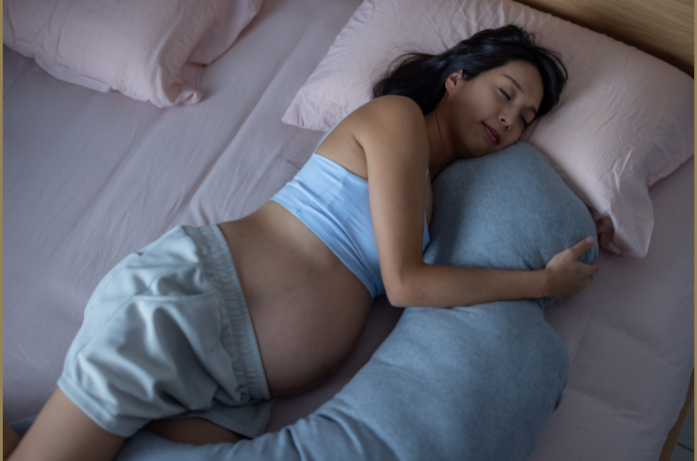
How to Sleep Better When Baby Is Active at Night
Those late-night kicks can feel sweet but also a little exhausting when all you want is rest. If your baby seems most active just as you’re settling into bed, you’re not alone. Many moms go through this phase, and with a few gentle adjustments, you can make your nights more comfortable and restful.
Try a Comfortable Sleep Position
Finding the right position can make a big difference. Most doctors recommend sleeping on your left side during pregnancy, as it helps improve blood flow to your baby. It can also ease pressure on your body, making it easier for you to relax, even if your little one is still moving around.
Use Pillows for Support
This is something many moms swear by. A good pregnancy pillow, or even a few extra cushions, can support your belly, back, and legs. When your body feels supported, it’s easier to settle in and rest, even when you feel those little kicks. It’s all about creating a cozy, safe space for yourself.
Create a Calm Bedtime Routine
Just like babies, our bodies respond well to routine. Soft lighting, gentle music, or reading something light before bed can help you unwind. When your body starts to relax, your baby often senses that calmness too. It may not stop the movement completely, but it can make the whole experience feel more peaceful.
Gently Respond to Movement
Instead of feeling frustrated, try turning those moments into a quiet connection. Place your hand on your belly, take a deep breath, and maybe even talk softly to your baby. While it won’t always settle the kicks, it can help you feel more connected and at ease.
Stay Hydrated
It’s easy to forget, but staying hydrated really does matter. When your body is well-hydrated, it can help reduce tension and keep you feeling more balanced. Try to drink enough water during the day so your body feels calm and supported at night.
Some nights will still be a little restless, and that’s okay. This is just a small phase in a much bigger, beautiful journey. Be gentle with yourself, rest whenever you can, and remember your baby’s little movements are a sign of life, growth, and love right inside you.
Emotional Side of Nighttime Kicking
It’s completely normal to feel a mix of emotions when your baby is active at night.
Some nights, those little kicks feel magical, like a quiet, special moment shared just between you and your baby. It can bring a sense of closeness that’s hard to explain.
Other nights, when you’re tired and just want to sleep, the constant movement can feel a bit overwhelming. And that’s okay too.
Both feelings are natural. You can love these moments and still wish for rest, and that doesn’t make you anything less than a caring mom.
A Gentle Reminder
Sometimes it may feel like your baby is keeping you awake on purpose, but that’s not the case at all. They’re simply growing, stretching, and exploring their tiny little space inside you. These movements are a natural and healthy part of their development.
Even though it can feel tiring right now, these moments are also quietly special. The world is still, and it’s just you and your baby sharing that connection. And as surprising as it sounds, one day you might look back and miss these gentle nighttime kicks.
Can You Help Your Baby Settle?
While you can’t fully control your baby’s little schedule, there are a few gentle things you can try to help both of you feel more relaxed at night.
A warm (not hot) shower before bed can calm your body and ease tension. Simple slow, deep breathing can also help you unwind after a long day.
It may also help to avoid heavy meals right before sleeping, as they can sometimes make your baby more active. Keeping your room quiet, dim, and peaceful can create a soothing environment for both you and your baby.
Sometimes, it’s not about stopping the movement, it’s just about helping your body relax. And often, that calm feeling is enough to make the night a little more comfortable.
When to Track Baby Movements
As your pregnancy moves into the later months, your doctor may gently suggest keeping an eye on your baby’s movements. It’s not about counting every single kick or feeling worried, it’s simply about getting familiar with your baby’s natural rhythm.
Over time, you’ll start to notice when your baby is usually more active and when they rest. This awareness helps you feel more connected and reassured.
A simple way many moms follow is to pick a time when your baby is active and notice how long it takes to feel around 10 movements. It’s an easy, calm way to stay aware without adding any pressure.
Think of it less like tracking, and more like quietly checking in with your little one each day.
A Special Bond in the Quiet Night
There’s something truly special about those late-night moments. Everything is quiet, the world slows down, and it’s just you and your baby sharing that peaceful time together.
You might find yourself gently smiling, placing your hand on your belly, or even softly talking to your little one as you feel each movement. It becomes a quiet, unspoken connection that only you can feel.
These small moments are the beginning of your bond, a beautiful connection that starts long before you finally hold your baby in your arms.
Remember, baby kicking at night during pregnancy is usually a normal sign of your baby’s growth, movement, and activity.
Conclusion: Trust the Journey, Trust Your Baby
Feeling baby kicking at night during pregnancy can be a little tiring at times, especially when you’re trying to rest, but it’s also such a beautiful reminder that your little one is active, growing, and doing well. Those tiny kicks, rolls, and stretches are your baby’s quiet way of saying, “I’m here, and I’m okay.”
If your baby keeps kicking legs at night in pregnancy, try to see it as a gentle reassurance. Take rest whenever you can, listen to your body, and trust your natural instincts, you already know more than you think.
You’re doing something truly amazing, nurturing and growing a life with so much love and care. Even on the nights that feel long, you’re never alone. Your baby is right there with you, moving, growing, and slowly getting ready to meet you.
If this guide brought you comfort, you can explore more simple, real, and heartwarming parenting tips on talesoftots, because taking care of yourself is the very first step in taking care of your baby.