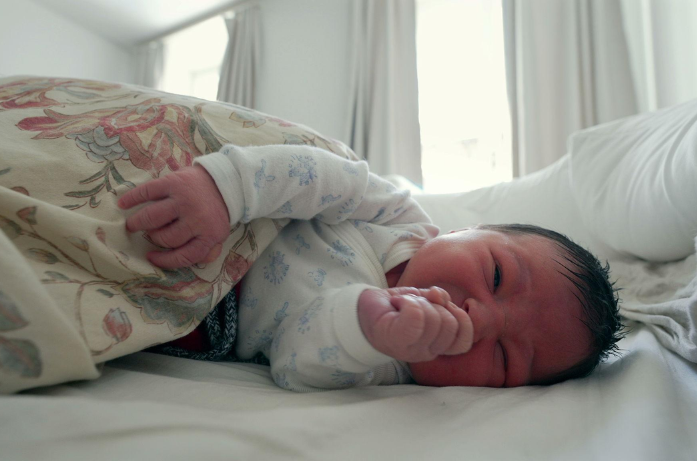
Bringing your newborn home is one of the most magical feelings in the world. But along with all that love and joy, there are also moments of quiet worry, especially when you notice unusual sounds during sleep. One common concern many parents have is newborn grunting in sleep.
If you’ve ever stood by your baby’s crib at night, listening to those tiny grunts, sighs, and squirms, you’re not alone. It can feel confusing, even a little scary. But most of the time, these sounds are completely normal. Let’s walk through this together in a calm and reassuring way, so you can understand what’s happening and when (if ever) to worry.
Understanding newborn grunting in sleep can help you feel more calm and confident during those quiet night moments.

What Is Newborn Grunting in Sleep?
Newborns are surprisingly noisy sleepers. Unlike adults, their sleep cycles are lighter and more active. This means they may make all kinds of sounds, soft grunts, whimpers, snorts, and even little cries, while still peacefully asleep.
When we talk about newborn grunting while sleeping, we’re usually referring to those short, low sounds your baby makes, often accompanied by squirming or facial expressions. It might look like they’re uncomfortable, but in most cases, they’re simply adjusting to life outside the womb.
Think of it this way: your baby has just entered a brand-new world where breathing, digesting, and moving all require effort. Those little noises are often just part of that learning process.
Newborn care resources from Stanford Medicine also explain that many newborn sleep sounds and reflexive behaviors are a normal part of early infant development and adjustment.
There are several gentle reasons behind newborn grunting in sleep, and most of them are completely normal.

Why Do Newborns Grunt in Their Sleep?
As a parent, hearing those tiny grunts at night can make you pause and wonder what your baby is trying to tell you. But in most cases, these sounds are simply a normal part of your baby’s early development. Let’s gently walk through the common reasons behind it.
1. Immature Digestive System
In the early days, your baby’s tummy is still learning how to work smoothly. Even simple things like passing gas or having a bowel movement can take a bit of effort.
So when your little one tightens their tummy muscles to push, you might hear those soft grunting sounds. It can look like they’re uncomfortable, but often it’s just their body figuring things out.
Gentle tip:
After feeding, hold your baby upright for a few minutes and burp them softly. This small step can make them feel much more comfortable.
2. Learning to Breathe Properly
Newborns are also learning how to regulate their breathing outside the womb. Their airways are tiny, and even a little mucus can make breathing sound louder than it actually is.
So when you hear your newborn grunt in sleep, it may simply be them adjusting their breathing pattern. These sounds often come and go and are usually nothing to worry about.
3. Active Sleep (REM Sleep Phase)
Babies spend a lot of their sleep in an active stage, where their little bodies are quite busy. You might notice them moving their arms, twitching, making faces, and yes, even grunting.
This is why you often see newborn grunting and squirming while sleeping. It may look like they’re about to wake up, but many times they’re still peacefully asleep.
Gentle reminder:
Give your baby a moment before picking them up. They often settle back on their own.
4. Gas and Mild Discomfort
Tiny tummies can easily trap gas, which can make babies feel a bit uneasy. When this happens, they may pull their legs up, wiggle around, and make grunting sounds as they try to release it.
These newborn grunts in sleep are often just their body’s natural way of easing that pressure.
5. Normal Developmental Adjustment
More than anything, your baby is simply adjusting to a whole new world. Breathing, digesting, stretching, everything is new and takes practice.
So when you hear newborn grunting while sleeping, try to see it as a sign that your little one is learning and growing, one tiny step at a time.
As a mom, I know how easy it is to worry over every small sound. But most of these gentle grunts are completely normal. With time, as your baby grows stronger and more comfortable, these sounds usually fade away on their own.
What Does Normal Grunting Look Like?
As a new parent, it’s completely natural to wonder what’s normal and what isn’t, especially when it comes to your baby’s sleep sounds. Understanding what typical newborn grunting in sleep looks like can bring a lot of peace of mind.
In most cases, normal grunting is gentle, occasional, and doesn’t seem to bother your baby at all. You might hear a few soft sounds here and there, especially during lighter sleep phases, but they don’t continue constantly through the night. These little noises often come and go, almost like your baby is just adjusting their position or settling deeper into sleep.
What’s most reassuring is how your baby behaves overall. If they’re feeding well, gaining weight, and seem calm when awake, those small grunts are usually nothing to worry about. There’s no sign of distress, no crying, no struggle, just brief sounds followed by peaceful rest.
Sometimes, your baby may grunt, wiggle a little, maybe even scrunch up their face, and then quietly relax again. Moments later, they’re back to sleeping soundly, as if nothing happened.
And that’s the key sign to hold onto: a baby who settles back into calm, comfortable sleep is a baby who is just fine.
When Should You Be Concerned?
As much as we want to stay calm about those little night-time sounds, there are moments when it’s important to pause and look a little closer. Most of the time, grunting is harmless, but your instincts as a parent matter, and it’s always okay to trust them.
Sometimes, what sounds worrying at night is simply part of your baby’s normal sleep noises, and learning to understand baby cries and cues can make those moments feel less overwhelming. But if the grunting feels different or is happening along with other unusual signs, it’s worth paying attention.
Pediatric guidance from Cleveland Clinic also notes that occasional newborn grunting during sleep is often normal, though breathing difficulties or feeding problems should always be discussed with a doctor.
Watch for these signs:
- Breathing that seems fast or a bit difficult
- Nostrils flaring while breathing
- Chest pulling inward with each breath
- A bluish tint around the lips or face
- Constant crying or clear signs of discomfort
- Trouble feeding or refusing feeds
If you notice your newborn grunt in sleep along with any of these symptoms, don’t wait or second-guess yourself. It’s always best to reach out to your pediatrician and get reassurance.
As a mom, I’ve learned that it’s better to ask one extra question than to sit with worry. You know your baby better than anyone, and seeking help when something feels off is simply part of loving and caring for them.
Tips to Help Your Baby Sleep More Comfortably
Even though grunting is usually a normal part of your baby’s development, there are a few gentle things you can do to make your little one feel more relaxed and comfortable during sleep. Sometimes, these small changes can make a big difference, for both baby and you.
1. Burp After Every Feeding
After each feed, take a few quiet moments to burp your baby. This helps release any trapped air in their tummy, which can reduce that uncomfortable pressure that often leads to grunting. It’s a simple habit, but it really helps your baby settle more peacefully.
2. Keep Baby Slightly Upright After Feeding
Holding your baby upright against your shoulder for about 10–15 minutes after feeding can support better digestion. It allows the milk to settle and can prevent gas buildup, making sleep a little more comfortable for your little one.
3. Create a Calm Sleep Environment
Babies respond beautifully to a peaceful environment. A quiet room with soft lighting can help your baby relax and drift into deeper sleep. When the surroundings feel calm, your baby is less likely to become restless or unsettled.
4. Swaddle Gently
A soft, gentle swaddle can make your baby feel safe and secure, almost like being back in the womb. It can also reduce sudden movements and squirming, helping your baby sleep more soundly through those active sleep phases.
5. Practice Gentle Tummy Time (While Awake)
While your baby is awake, giving them a little tummy time each day helps strengthen their muscles and supports digestion. Over time, this can reduce discomfort and help ease those little grunting sounds during sleep.
These small, loving steps won’t stop every little sound, but they can help your baby feel more settled and at ease. And sometimes, that’s all they need for a more peaceful night.

Emotional Reassurance for Parents
If you find yourself lying awake at night, quietly listening to every little sound your baby makes, please know this, you’re not alone in feeling this way. Almost every parent has had those same thoughts in the stillness of the night
“Is this normal?”
“Should I be worried?”
Hearing newborn grunting in sleep can feel a bit unsettling at first, especially when everything is so new and you’re still learning your baby’s patterns. It’s completely natural to feel protective and alert.
But in most cases, those tiny grunts and movements are simply your baby’s way of learning, growing, and adjusting to this new world. Their little body is figuring things out, one step at a time.
At the same time, never ignore your inner voice. You know your baby better than anyone else. If something doesn’t feel right, it’s always okay to reach out and ask for reassurance. That’s not overthinking, that’s love.
Just remember, these early days are precious and fleeting. Try not to let every small sound fill your heart with worry. Take a deep breath, trust yourself, and allow yourself to enjoy these quiet, beautiful moments with your little one.
Frequently Asked Questions
1. Is newborn grunting in sleep normal?
Yes, it is very common in newborns and usually happens because their body is still adjusting to breathing and digestion.
2. Why does my newborn grunt while sleeping?
It is often due to digestion, gas, or active sleep phases.
3. When should I worry about newborn grunting?
If it happens with breathing difficulty, bluish skin, or feeding issues, consult a doctor.
4. How long does newborn grunting last?
Most babies outgrow it by 2–3 months.
5. Should I wake my baby if they grunt?
No, unless they show signs of distress.
A Gentle Closing Thought
These early days with your newborn are filled with so many tiny mysteries, little sounds, soft movements, and sweet expressions that can sometimes leave you wondering what it all means. But more often than not, those gentle grunts and wiggles are simply a beautiful part of your baby’s journey of growing and adjusting to this new world.
Newborn grunting in sleep is usually just a passing phase. As your baby becomes more comfortable, stronger, and more settled, these sounds slowly fade away on their own.
So take a deep breath, trust your instincts, and remind yourself, you’re doing a wonderful job, even on the nights when you feel unsure.
And in those quiet moments, when the world is still and you hear those tiny sounds, just know your baby is learning, growing, and finding their rhythm, one breath, one peaceful moment at a time.
Once you understand newborn grunting in sleep, it becomes much easier to respond with calm instead of worry.
If this guide brought you comfort or answered your questions, you can explore more gentle, real, and heartwarming parenting support at talesoftots
Because every small step you take with love truly makes a big difference in your baby’s world.