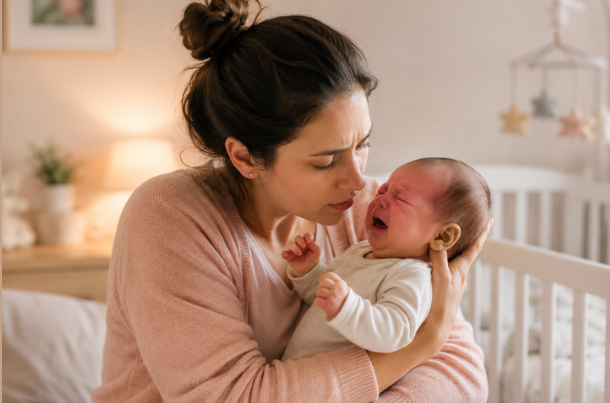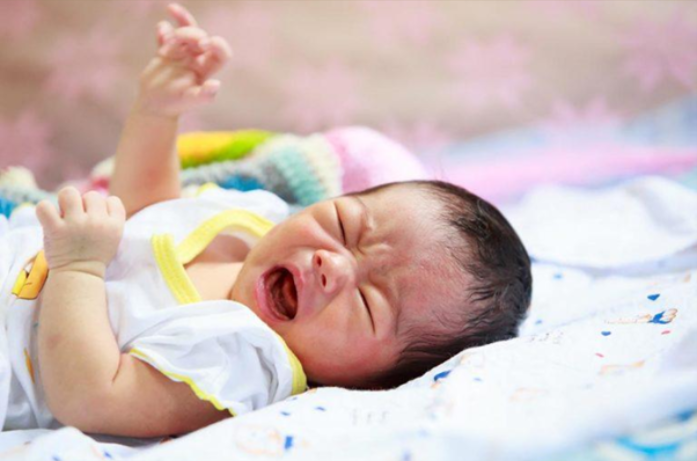
Bringing your newborn home is a beautiful mix of love, wonder, and… a few unexpected surprises. One of those is the baby startle reflex, that sudden jerky movement where your little one throws out their arms, opens their fingers, and sometimes even lets out a tiny cry. If you’ve noticed this happening, especially during sleep, you’re not alone. Almost every parent pauses at least once and wonders, “Is this normal?”
Let me gently reassure you, it absolutely is. And once you understand it, it becomes much less worrying and a lot more fascinating.
What Is the Baby Startle Reflex?
The baby startle reflex, often called the Moro reflex, is something all babies are born with. It’s a completely natural response where your little one reacts to sudden changes, like a loud sound, a quick movement, or even that slight feeling of “falling” when being placed down.
If you’ve seen it happen, it can feel a bit surprising at first. One moment your baby is calm, and the next, their tiny body reacts all at once.
What does it look like?
You might notice your baby:
- Suddenly stretching out their arms and legs
- Arching their back just a little
- Opening their hands wide
- Then quickly pulling everything back in
Sometimes, this is followed by a short cry, almost like they got startled for a second.
As a parent, it can look dramatic, especially in those early days when everything feels new. But the truth is, this reflex is completely normal. It’s simply your baby’s tiny nervous system learning how to respond to the world around them.
Infant care resources from MedlinePlus also explain that many newborn reflexes and behaviors are a normal part of early neurological development.
In a gentle way, it’s one of those signs that your baby is growing, adjusting, and slowly making sense of this big, new world
Why Do Babies Have a Startle Reflex?
If you’ve ever wondered why this sudden movement happens, it can actually feel comforting to know that the baby startle reflex is a healthy sign. It shows that your baby’s brain and nervous system are developing just the way they should.
A built-in protective response
Long ago, this reflex likely had a protective purpose. If a baby felt like they were falling, this movement may have helped them cling to their caregiver. Today, it’s simply a natural part of early development that babies are born with.
Brain and nerve development
Every time your baby startles, it’s a small sign that their brain is sending signals to their body correctly. Doctors often look for this reflex in newborns because it tells them that everything is working well neurologically.
Adjusting to a whole new world
Think about the big change your baby has just gone through, from the quiet, warm comfort of the womb to a world filled with light, sounds, and movement. It’s a lot to take in.
This reflex is part of how your baby responds and adjusts to all these new experiences. In a way, it’s their body learning, little by little, how to feel safe and settled in this new environment
Baby Startle Reflex While Sleeping
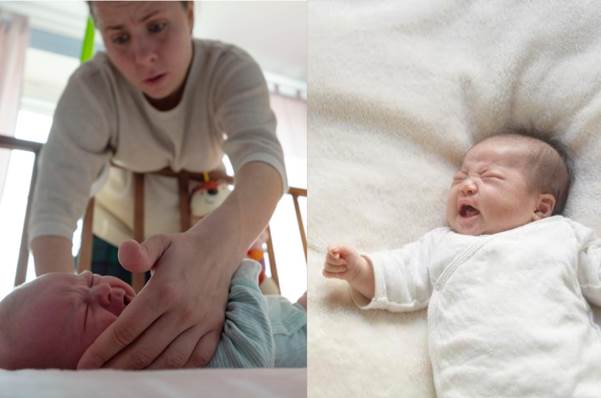
One of the most common times you’ll notice the baby startle reflex is during sleep. You finally get your little one settled, everything feels calm, and then suddenly, a quick jerk, and they wake themselves up. It can be frustrating, especially when you’ve worked so hard to help them drift off.
But there’s a gentle reason behind it.
Why it happens during sleep
When babies sleep, especially in lighter stages, their bodies remain quite sensitive. Even a small shift, a tiny sound, or the feeling of being put down can trigger that sudden reflex.
It’s not a sleep problem
If your baby startle reflex while sleeping happens often, it doesn’t mean your baby is a poor sleeper. It simply means their nervous system is still developing and learning how to settle.
A gentle reminder
Your baby isn’t doing this on purpose. Their little body is still figuring things out, one moment at a time.
With time, this phase will pass. And until then, a little patience, a little comfort, and a lot of love go a long way
Signs of a Strong Startle Reflex
Every baby is beautifully different. Some hardly show the reflex, while others seem to startle more often, and both can be completely normal.
If your little one has a stronger baby startle reflex, you might notice a few of these things:
- Their arms suddenly fling out or they make quick, jerky movements
- They wake up abruptly from sleep, even after settling down
- A brief cry right after the movement
- Sensitivity to sounds or sudden changes around them
As a parent, it can feel a bit overwhelming to see this happen again and again, especially when it interrupts their sleep. You might wonder if something isn’t right.
But in most cases, this is still within the normal range. Some babies are just a little more sensitive as they adjust to the world around them.
With time, as your baby grows and their body learns to feel more secure, these sudden movements will slowly become less frequent. Until then, a little extra comfort and patience can make all the difference
Baby Startle Reflex Getting Worse at 3 Months
Around the 2 to 3 month mark, many parents start to notice something a little confusing, it can feel like the baby startle reflex is getting stronger instead of fading away. If you’re going through this, take a gentle breath. You’re not alone, and this phase is more common than it seems.
Why it feels worse
At this stage, your baby is growing and becoming more aware of the world around them. You might notice:
- More active movements
- Increased sensitivity to sounds or changes
- Sleep patterns that are still settling
All of this can make the reflex seem more frequent or intense than before.
It’s actually a transition phase
What’s really happening is something beautiful, your baby is slowly moving from automatic newborn reflexes to more controlled, intentional movements. During this transition, things can feel a bit unsteady or even messy for a while.
When to relax
If your baby is feeding well, gaining weight, and otherwise happy and healthy, this phase is usually nothing to worry about.
As a mom, I know how easy it is to notice these changes and feel unsure. But often, this is just your baby growing and learning in their own little way. With time, you’ll start to see these sudden movements fade into smoother, more settled ones
When Does the Startle Reflex Go Away?
One of the most reassuring things to know about the baby startle reflex is that it doesn’t last forever. It’s just a small phase in your baby’s early development, and with time, it naturally fades away.
Typical timeline
- It starts right from birth
- Is most noticeable in the first few weeks
- Gradually begins to fade by around 4 to 6 months
As your baby grows, their muscles become stronger and their nervous system becomes more mature. Slowly, their body learns to move in a more controlled and steady way.
What replaces it?
Instead of those sudden little jerks, you’ll begin to notice smoother, more gentle movements. Your baby will start to stretch, reach, and move with more intention.
It’s actually a really beautiful transition to watch, one that quietly shows your baby is growing, learning, and becoming more comfortable in their own body
Gentle Ways to Reduce Startling
While you can’t completely stop the baby startle reflex, and honestly, it’s not something that needs to be stopped, there are a few gentle ways to help your little one feel more secure and less startled. These small steps can make a big difference, especially during sleep.
1. Swaddling with care
A soft, snug swaddle can feel very comforting for your baby. It gently holds their arms close and gives them that cozy, womb-like feeling they’re used to.
- Choose a breathable, soft fabric
- Make sure it’s snug but not too tight
- Always follow safe sleep guidelines
Many parents notice that swaddling helps reduce those sudden jerky movements.
2. Slow, gentle movements
When you’re putting your baby down to sleep, try to move slowly and calmly.
- Lower them gently into the crib
- Keep your hands on their chest or tummy for a few seconds
- Give them a moment to settle before stepping away
This simple pause can help your baby feel secure and prevent sudden startling.
3. Create a calm sleep space
Babies are sensitive to their surroundings, so a peaceful sleep environment really helps.
- Keep the lighting soft and soothing
- Reduce sudden or loud noises
- Follow a simple, consistent bedtime routine
A calm space can make your baby feel safe and relaxed.
4. White noise can help
A gentle, steady sound in the background can work wonders. It helps block sudden noises that might trigger the reflex and creates a familiar, comforting atmosphere.
5. Babywearing for comfort
During the day, holding your baby close, whether in your arms or a baby carrier, can help them feel safe and connected.
That sense of security often carries into sleep, making them less sensitive to sudden changes.
These little, loving adjustments don’t just reduce startling, they help your baby feel calm, safe, and comforted. And sometimes, that’s all they really need
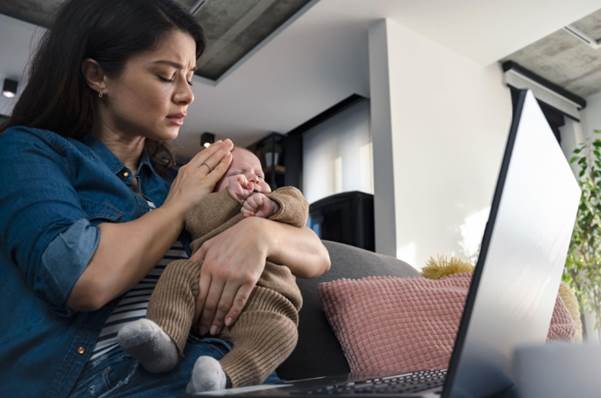
When Should You Be Concerned?
Most of the time, the baby startle reflex is completely harmless and simply a part of your baby’s early development. But as a mom, it’s so natural to pause and wonder if everything is okay, especially when something feels a little different.
There are a few situations where it’s a good idea to check in with your doctor, just for peace of mind:
- If the reflex doesn’t appear at all in a newborn
- If it seems to happen only on one side of the body
- If it continues strongly even after 6 months
- If your baby feels unusually stiff or, on the other hand, very floppy
These situations are not common, but it’s always okay to trust that little voice inside you. If something feels off, reaching out to your doctor isn’t overreacting, it’s caring.
Sometimes, all you need is a little reassurance to feel at ease again. And that’s completely okay
Emotional Side: What Parents Feel (And It’s Okay)
Let’s pause for a moment and talk about you.
Watching your baby suddenly jerk or startle, especially in their sleep, can feel a little scary. Your mind might fill with questions, and you may find yourself checking again and again just to be sure everything is okay.
You might feel:
- Worried
- Confused
- Even a little anxious
And honestly, that’s completely normal. I’ve felt it too.
But here’s something gentle to hold onto in those moments:
Your baby is not in danger. Your baby is growing.
These small, sudden movements are simply part of your baby learning how their body works. Nothing more.
Sometimes, just understanding what’s happening can slowly turn that fear into calm. And with time, you’ll start to feel more at ease, trusting both your baby and yourself a little more each day
Guidance from the Centers for Disease Control and Prevention also encourages responsive caregiving, comforting routines, and positive parent-baby interactions during infancy.
Small Everyday Tips That Truly Help
Sometimes, it’s the simplest little changes that make the biggest difference in your baby’s comfort, and your peace of mind too. Over time, you’ll find your own rhythm, but these gentle, real-life tips can make those early days a bit easier.
Hold a little longer before putting down
After your baby falls asleep in your arms, try holding them for a few extra minutes. This allows them to settle into a deeper sleep, so when you place them down, they’re less likely to startle awake.
Keep one hand on their chest
When you gently lay your baby in the crib, keep your hand resting softly on their chest for a few seconds. That warm, familiar touch can help them feel safe and reduce sudden movements.
Watch their sleep cues
Overtired babies often startle more easily. Try to notice early signs like slow blinking, rubbing eyes, or becoming quiet. Putting them to sleep at the right moment can make a big difference.
Stay consistent
Babies feel comfort in familiarity. A simple, predictable routine, like dim lights, a soft voice, or a short cuddle before sleep, helps them feel secure and relaxed over time.
These small, loving habits don’t just help reduce startling, they create a sense of safety your baby can feel. And slowly, both you and your little one will find more calm, restful moments together
A Gentle Note About Growth
Every stage of babyhood brings something new, something that makes you pause, observe, and sometimes wonder if everything is okay. That’s just part of this journey.
The baby startle reflex is one of those little phases. It might feel confusing or even a bit stressful right now, especially when it interrupts sleep or catches you off guard. But slowly, without you even noticing, it will begin to fade.
In its place, you’ll start to see softer, more controlled movements… little stretches, tiny reaches, and eventually those beautiful smiles and giggles that melt your heart.
And honestly, one day you might look back and smile, remembering these small, surprising jerks that once made you worry so much.
Because that’s the thing about these early days, they pass quietly, leaving behind memories of how much your baby has grown, and how much you’ve grown too
FAQs About Baby Startle Reflex
1. Is the baby startle reflex normal?
Yes, the baby startle reflex is completely normal and present in all newborns. It’s a natural sign that your baby’s nervous system is developing properly.
2. When does the baby startle reflex go away?
The baby startle reflex usually begins to fade between 4 to 6 months as your baby grows and gains better control over their movements.
3. Why does my baby startle during sleep?
Babies often startle during sleep because they are in a lighter sleep phase and are sensitive to small changes like movement, sound, or position.
4. Can I stop the startle reflex in my baby?
You can’t completely stop it, but gentle methods like swaddling and creating a calm sleep environment can help reduce how often it happens.
5. When should I worry about the startle reflex?
If the reflex is absent, happens only on one side, or continues strongly beyond 6 months, it’s best to consult your pediatrician.
Final Thoughts: You’re Doing Better Than You Think
If you’ve been worrying about your baby’s sudden little movements, take this as a gentle reassurance, you’re not alone in feeling this way, and most of the time, your baby is absolutely fine.
The baby startle reflex is simply:
- Natural
- Temporary
- A sign that your baby is developing just as they should
As a mom, the fact that you notice these small changes and care enough to question them already says so much about your love. You’re paying attention, you’re learning, and you’re showing up for your baby every single day, and that truly matters.
So the next time your baby startles in their sleep, try to pause for a moment. Instead of fear, see it as a quiet reminder that your little one is growing, learning, and adjusting to this beautiful new world, one tiny reflex at a time
If this guide helped ease your mind, you can explore more gentle, real, and comforting parenting advice at Tales of Tots
Because sometimes, a little reassurance and shared experience can make this journey feel a lot lighter.