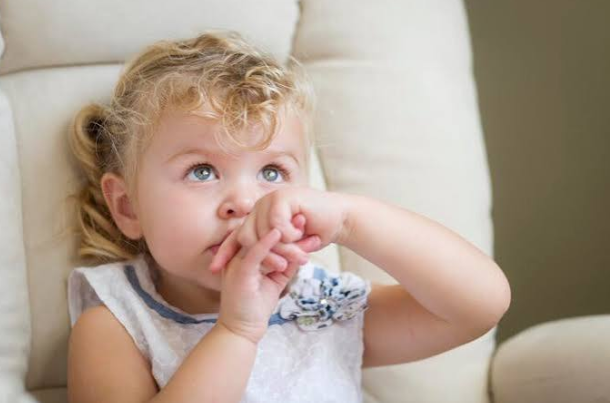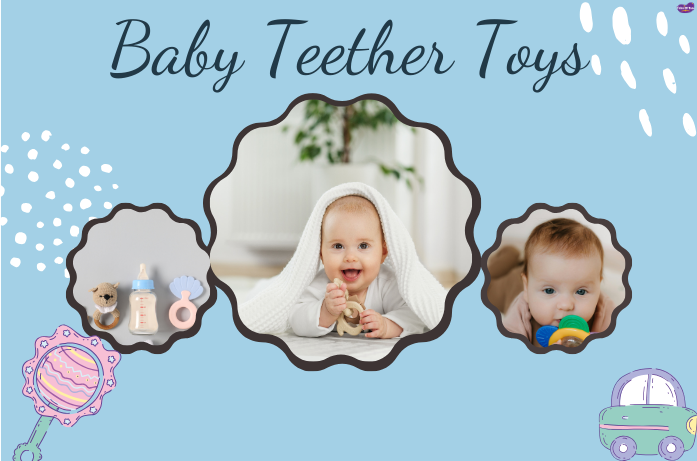
Teething is a natural milestone, but it can be a tough time for both babies and parents. You might notice extra drooling, constant chewing, crankiness, or tender gums, even before the first little tooth makes its appearance. It’s completely normal, but that doesn’t mean it’s easy to handle.
This is where baby teether toys can truly help. A good baby teether is designed to gently soothe sore gums and give your baby something safe and comforting to chew on. It not only helps ease discomfort but also keeps little hands and mouths engaged in a healthy way.
However, not all teething toys are created equal. The right choice can make a big difference in your baby’s comfort and safety. From materials to design and ease of cleaning, there are a few important things to consider.
In this guide, you’ll learn about the benefits of baby teether toys, the different types available, and how to choose the best and safest option for your little one.
What Are Baby Teether Toys?
Baby teether toys are specially designed items that babies can safely chew on during the teething phase They are made from baby-safe, non-toxic materials and are created to be gentle on delicate gums. Their shapes and sizes are thoughtfully designed so that little hands can easily hold them and little mouths can explore them comfortably.
Most babies begin teething between 4 and 7 months of age, although some may start a bit earlier or later. Even before the first tooth becomes visible, babies often feel pressure and discomfort in their gums. Chewing is a natural way for them to relieve that sensation.
That’s why baby teething toys can be helpful even before teeth appear. They provide comfort, soothe sore gums, and give babies a safe outlet for their natural urge to chew.
Why Teether Toys Are Helpful
Teething relief can be a tough journey for both babies and parents. Baby teether toys are much more than simple playthings. During the teething phase, they can offer real comfort and support your baby’s early development in gentle and meaningful ways. Cleveland Clinic highlights several effective teething remedies, such as chilled teething toys, to soothe your baby .
Benefits of Teether Toys
- Help soothe sore and tender gums
- Reduce irritability and fussiness caused by teething discomfort
- Encourage self-soothing skills
- Support the development of hand-eye coordination
- Promote sensory exploration through different textures and shapes
Chewing is a completely natural behavior for babies. It not only helps relieve gum pressure but also strengthens jaw muscles, which play an important role in feeding and later speech development.
Choosing a good teether can make this phase a little easier for your baby, and for you too.
Teething relief can be a tough journey for both babies and parents. As noted by HealthyChildren teething typically starts at 4 to 7 months, and choosing the right teether toy can offer real comfort and support during this difficult phase.
Types of Baby Teether Toys
There are many different types of baby teether toys available today. The best choice often depends on your baby’s age, personal preference, and where they are in the teething stage. Some babies prefer softer options, while others find more relief from firmer textures. For a safe teething experience, it’s crucial to ensure that the materials used are non-toxic and baby-safe. According to Better Lives Healthy Futures NHS, the materials and designs should always prioritize your baby’s safety .Understanding the different types can help you choose what works best for your little one.
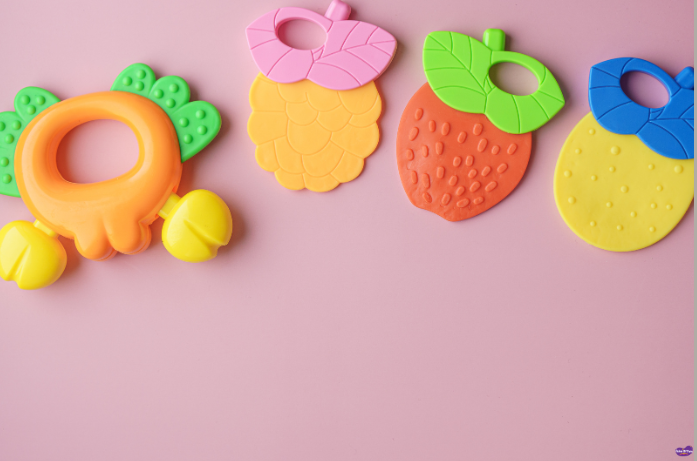
1. Silicone Teethers
Silicone teethers are one of the most popular choices among parents.
- Soft, flexible, and gentle on delicate gums
- Easy to clean and sterilize
- Durable and long-lasting
Teethers made from food-grade silicone are especially ideal for everyday use, as they are safe, practical, and comfortable for babies.

2. Rubber Teethers
- Usually made from natural rubber
- Soft and slightly elastic
- Often designed in cute shapes like animals or rings
When choosing rubber teethers, make sure they are free from harmful chemicals and properly sealed to prevent moisture from getting trapped inside.
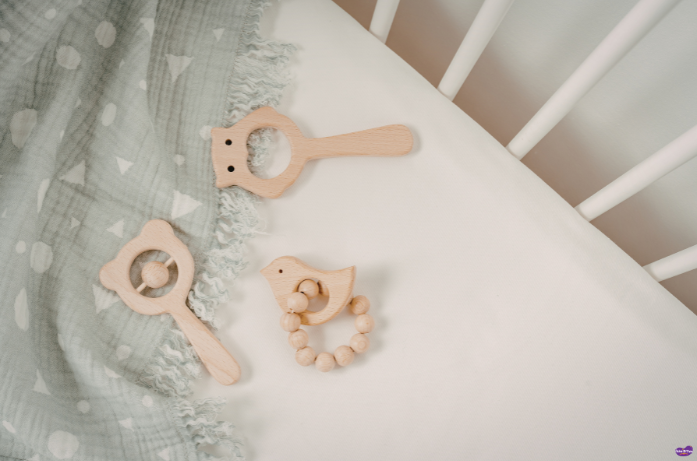
3. Wooden Teethers
- Made from untreated, natural wood
- Firm texture helps gently massage sore gums
- A more eco-friendly option
Wooden teethers should always be smooth, splinter-free, and finished with baby-safe oils to ensure safety and comfort.
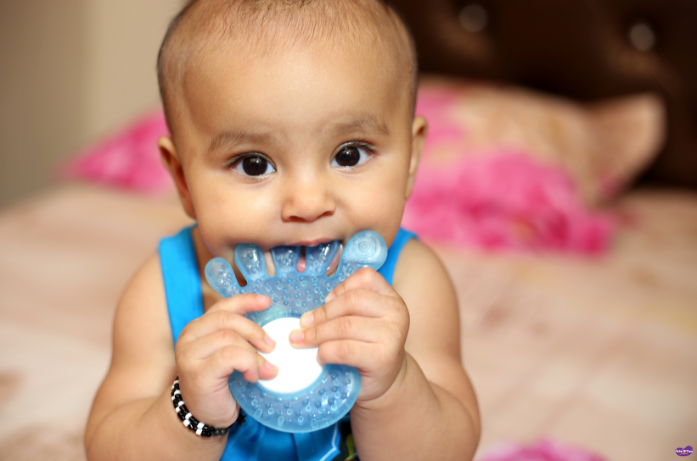
4. Water-Filled Teethers
- Can be cooled in the refrigerator
- The cool surface helps soothe and numb sore gums
However, avoid freezing them, as very hard or frozen teethers can be too harsh and may hurt your baby’s sensitive gums.
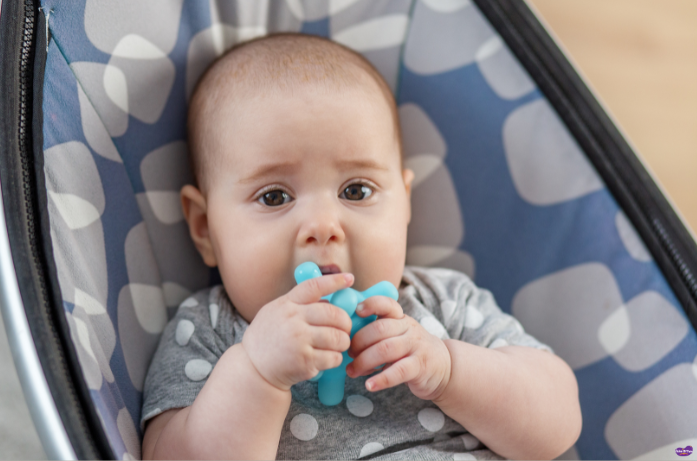
5. Textured Teethers
- Designed with bumps, ridges, or grooves
- Provide extra stimulation for sore gums
- Support sensory development
Many babies enjoy switching between smooth and textured surfaces, as it gives them different sensations and added relief.
Choosing the right baby teether toys can make teething a little more manageable and comforting for your baby during this important stage of growth.
How to Choose Safe Baby Teether Toys
When it comes to choosing a teething toy for your baby, safety should always come first. Since babies put teethers directly into their mouths, it’s important to select one that is carefully designed and made from safe materials. A little extra attention while choosing can give you peace of mind and keep your baby comfortable.
Look for These Important Features:
- Made from BPA-free, phthalate-free, and non-toxic materials
- Easy for little hands to grip and hold
- Designed as one solid piece, without detachable parts
- Smooth edges with no sharp or rough areas
These features help ensure that the teether is both safe and practical for daily use.
It’s Best to Avoid:
- Teethers filled with liquid that could potentially leak
- Small parts that may pose a choking risk
- Strings or clips attached directly to the teether
Before buying, always read the product label carefully and follow the recommended age guidelines. Choosing a well-made, age-appropriate teether will help keep your baby safe while soothing their sore gums.
How to Use Teether Toys Safely
Using a baby teether toys safely is just as important as choosing the right one. With a few simple precautions, you can make sure your baby stays comfortable and protected during the teething phase. Make sure to clean the teether regularly with warm water and mild soap. Also, always check for cracks or tears. As noted by the Mayo Clinic, it is essential to replace teethers that show any signs of wear to ensure your baby’s safety.
- Clean the teether regularly using warm water and mild soap to keep it hygienic.
- Check it often for cracks, tears, or any signs of damage.
- Always supervise your baby while they are using a teether.
- Store it in a clean, dry place when not in use.
If you notice any wear and tear, it’s best to replace the teether right away. A well-maintained teether not only lasts longer but also keeps your baby safe and healthy.
Extra Tips for Teething Relief
Baby teether toys can be very helpful, but they often work even better when combined with a few additional soothing methods. Since every baby experiences teething differently, a little extra comfort can go a long way.
- Gently massage your baby’s gums with a clean finger to help ease pressure.
- Offer a cold (not frozen) teether to provide soothing relief.
- Make sure your baby stays well hydrated throughout the day.
- Give plenty of comfort, cuddles, and reassurance.
Teething doesn’t happen all at once, it often comes and goes in waves. Some days may feel easier, while others can be more challenging. With patience, care, and a little extra love, this phase will gradually pass.
When to Expect Teething to Ease
Teething is a gradual process that usually continues until your child is about 2 to 3 years old, as the back teeth (molars) tend to come in last. The most uncomfortable phases often occur when the very first teeth appear and later when the molars start to erupt, as these can cause more pressure and soreness.
It’s important to remember that while mild discomfort, drooling, and slight fussiness are common during teething, some symptoms are not typically related to it.
If your baby experiences:
- A high fever
- Severe diarrhea
- Extreme or unusual irritability
These are not considered normal teething symptoms. In such cases, it’s best to consult your pediatrician to rule out any other underlying issues.
Trust your instincts as a parent, if something doesn’t feel right, seeking medical advice is always the safest choice.
Frequently Asked Questions (FAQs)
1. When should I give my baby a teether toy?
Most babies start teething between 4 to 7 months of age. However, you can introduce a baby teether toys as soon as you notice signs like drooling, chewing, or gum discomfort, even before the first tooth appears.
2. Are silicone teethers safe for babies?
Yes, food-grade silicone teethers are considered very safe. Always choose BPA-free, phthalate-free, and non-toxic materials to ensure your baby’s safety.
3. Can I put a teether in the freezer?
It is not recommended to freeze teethers. Extremely hard or frozen teethers can hurt your baby’s sensitive gums. Instead, place water-filled or silicone teethers in the refrigerator for gentle cooling relief.
4. How often should I clean baby teether toys?
Baby teether toys should be cleaned daily with warm water and mild soap. If your baby drops it frequently, clean it before giving it back to them.
5. Which type of teether is best for babies?
The best baby teether toys depends on your baby’s preference. Silicone teethers are soft and flexible, wooden teethers are firm and natural, while textured teethers provide extra gum stimulation.
6. Are teether toys enough to relieve teething pain?
Baby teether toys help reduce discomfort, but combining them with gentle gum massage, cold (not frozen) relief, and extra cuddles can provide better comfort.
7. When should I see a doctor during teething?
Mild fussiness and drooling are normal. However, high fever, severe diarrhea, or extreme irritability are not typical teething symptoms. In such cases, consult your pediatrician.
Final Thoughts
Baby teether toys can make a big difference during the teething phase. The right teether offers comfort, encourages healthy development, and gives your baby safe relief from sore gums.
Remember, every baby is different. Some may love silicone teethers, while others prefer wooden or textured ones. It’s okay to try a few and see what works best.
At Tales of Tots, we believe small tools can make big moments easier, for babies and parents alike.
Disclaimer
This article is for informational purposes only and does not replace medical advice. If you have concerns about your baby’s teething symptoms or health, consult your pediatrician.