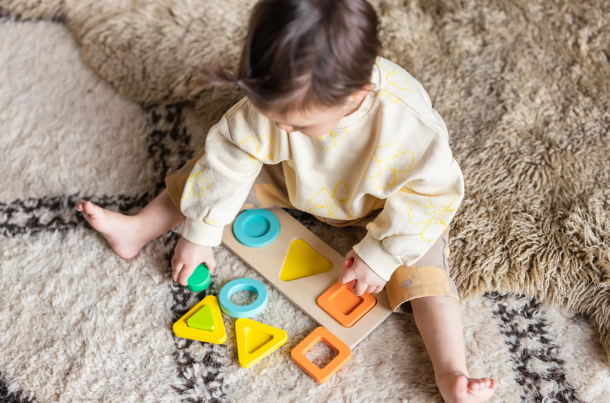
When to start reading to baby is a question many parents ask while looking at a tiny newborn who seems more interested in sleeping and feeding than hearing a story. The answer may surprise you: reading can begin from birth. The American Academy of Pediatrics encourages families to share books with children from the newborn days onward.
Reading to a baby can sound lovely, but the early days may feel full already. There are feeds to manage, nappies to change, and sometimes barely enough time to drink a warm cup of tea.
Reading doesn’t need to be another task on your list. It can be a few quiet minutes with your baby, a familiar voice, and a book you both happen to enjoy.
When to Start Reading to Your Baby: Is Birth Too Early?
You can start as soon as it feels comfortable for your family. Your newborn won’t understand the plot or point to pictures, but they can hear your voice while being held close.
The AAP describes shared reading as an opportunity for babies to hear the sounds and rhythm of language while spending time with a caregiver.
If your baby is a few months old, or already approaching their first birthday, and you haven’t started, you haven’t missed your chance. Pick up a book when you’re ready and begin there.
A reading routine can grow gradually, just like the other small rituals you share.
What Reading Looks Like During the First Year
The way your baby enjoys books will change. In the beginning, they may mostly listen. Later, they might grab a page, pat a picture, or insist on holding the book themselves.
These are possibilities, not milestones every child must demonstrate at a particular visit.
In the Newborn Days: Listening and Being Close
With a newborn, reading might mean holding your baby comfortably and speaking a few lines while they’re awake and settled.
You could read a short baby book, a poem, or even a page from something you’re enjoying. Your baby doesn’t need to follow every word.
If they close their eyes or need feeding, pause. You can return to the book another time. There is no need to keep a sleepy newborn awake for a story.
During the Early Months: Looking and Listening
As your baby spends more time awake, you may notice them looking toward a page or paying attention to the sound of your voice.
Try showing one simple picture and naming it: “Here’s the dog.” Then pause and see whether your baby looks, moves, or makes a sound.
Some days they may enjoy a few pages. On others, they may turn away almost immediately. Both are useful cues.
As Your Baby Begins Reaching: Touching the Book
Once your little one starts reaching, the book may become something to grab rather than something to listen to.
Choose a sturdy book appropriate for your baby, and stay with them while they handle it. Reading together may involve only one page, and that page may be upside down.
Later in the First Year: Sharing Their Interests
Your older baby may reach for a favorite book or focus on one picture again and again.
You can follow their attention: “You found the ball. It’s a red ball.”
The CDC explains that reading with babies can include talking about pictures rather than reading every printed word.
If your baby turns the page before you finish the sentence, let them lead. There will be other chances to read the rest.
A Flexible Guide to Sharing a Book
| What your baby is doing | How you can respond |
|---|---|
| Listening quietly while you hold them | Read a few lines in your ordinary voice. |
| Looking at one picture | Name or describe it, then pause. |
| Patting or holding the book | Let them explore an intact, age-appropriate book with supervision. |
| Turning pages or returning to one image | Follow their interest rather than finishing the text. |
| Turning away, fussing, or becoming sleepy | Pause and attend to their needs. |
Your baby may enjoy several of these experiences in one session or only one for a brief moment. The table offers ideas, not age-based tests or required responses.
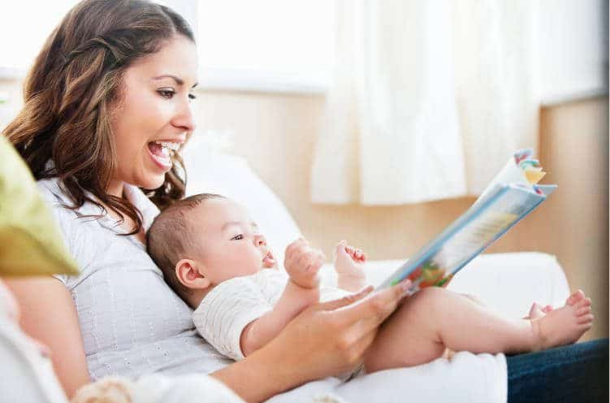
What Does Your Baby Get From Reading Together?
A book offers a simple way to create a shared moment. The pages give you something to talk about, but the interaction is what makes the time personal.
They Hear Your Voice and Language
Reading introduces your baby to words, sounds, and patterns of speech.
You don’t need to use a perfect reading voice or explain every unfamiliar word. Your ordinary voice is enough.
You can also talk, sing, and tell family stories throughout the day. Books are one way to share language, alongside those everyday conversations.
Starting early does not promise an earlier first word, a particular reading age, or a future academic result. Keep the focus on enjoyable, responsive interaction rather than using books to accelerate a milestone.
You Have a Chance to Connect
A comfortable cuddle and a few quiet pages can become a familiar part of your day.
Your baby may listen, look at you, or simply relax nearby. As they grow, reading can become more interactive: you point, they touch, and you respond to what interests them.
It doesn’t have to feel magical every time. Some sessions will end with a nappy change or a hungry cry, and that’s completely fine.
Sharing a book can also give a partner a simple way to spend time with your baby. Our guide to dad bonding with a newborn explores other gentle ways to make space for connection during everyday care.
Pictures Give You Things to Notice Together
A picture book can help you put words to something your baby is already looking at.
If they touch a picture of a cat, you might say, “Cat! The cat is sleeping.”
There is no need to quiz them or ask them to identify every object. Naming what catches their attention keeps the moment relaxed.
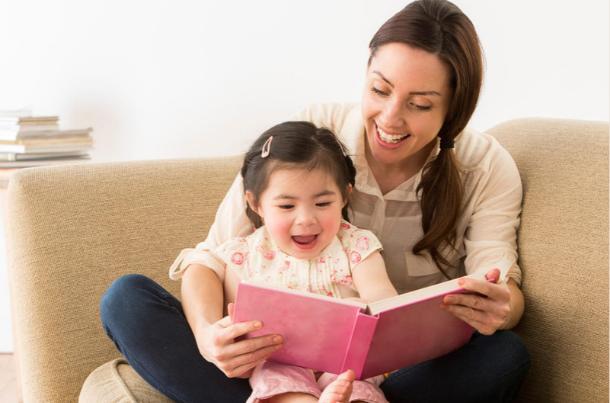
How to Make Reading With Your Baby Feel Natural
Reading with your baby can fit into the small, ordinary moments you already share. Choose a time when your little one is awake and comfortable, settle somewhere you can hold them securely, and begin with a picture or a few words.
Choose a Comfortable Time
Look for a moment when your baby is awake, settled, and reasonably comfortable. After a feed, following a nappy change, or during a quiet part of the day may work.
You don’t need to follow someone else’s schedule. A bedtime story might fit your family, while mornings work better for someone else.
If your baby is hungry or upset, attend to that need first. The book can wait.
Keep It Short
A few pages, or even a few lines, can be enough.
Close the book while the moment is still comfortable rather than pushing toward the last page after your baby has had enough.
Follow Your Baby’s Cues
If your baby looks interested, continue. If they fuss, turn away, or seem tired, pause or stop.
Turning away is not necessarily rejection. Babies sometimes look away when they need a break from interaction.
You can say, “All done for now,” and offer comfort. There’s no need to bring their attention back repeatedly.
Use Your Own Words
You don’t have to read every sentence exactly as printed.
Point to a picture, make a simple sound, or tell your baby what you notice. “There’s the bus. It’s going down the road.”
If the book is longer than your baby’s interest lasts, skip pages. Your baby won’t mind that you changed the story.
Let Your Baby Participate
As your baby becomes interested in touching books, allow them to pat a page or hold a sturdy corner.
You might help turn a page, then wait for their response. If they want to return to the same picture, follow them back.
Participation won’t look tidy. A book may be opened, closed, mouthed, and dropped before you reach the second page.
Try a small exchange: your baby pats a picture, you name it, and then you wait. A look or sound can be your cue to answer again. You do not need to keep asking “What is this?” when your baby is not yet able to give the answer.
Choosing Books for Your Baby
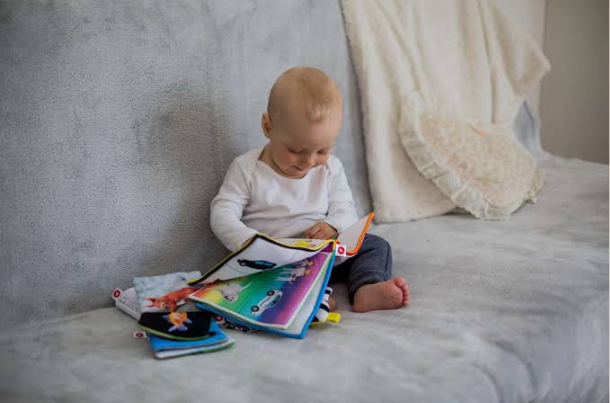
You don’t need a shelf full of books to start reading with your baby. Begin with a few age-appropriate books that are easy to hold and explore together, such as sturdy board books with clear pictures and simple words. You can return to the same favourites whenever your baby shows interest. What matters most is sharing a relaxed moment and letting your little one look, touch, and listen at their own pace.
Look for Sturdy Pages
Board books and books designed for babies can be easier for little hands to explore.
Inspect books for damage, loose pieces, or features your baby could pull off. Supervise handling, especially when your child puts objects in their mouth.
Keep books out of your baby’s sleep space. Read together while you are awake and attentive. If your baby falls asleep, transfer them onto their back in their own firm, flat sleep space with no books, toys, or loose bedding.
A book described as sturdy still needs checking. Remove it if a corner breaks, pages separate, or an attachment becomes loose. Do not leave a baby alone to chew it, and follow cleaning instructions for books intended for mouthing.
Choose Pictures You Can Talk About
Simple images of faces, animals, familiar objects, or daily routines give you easy things to name.
You don’t need to turn reading into a vocabulary lesson. A picture of a cup might simply remind you to say, “You have a cup like that.”
Follow your baby’s interest rather than worrying about choosing the most educational title.
Pick Books You Enjoy Too
You may read the same book many times, so it helps if you like it.
Choose a rhythm, illustration, or subject that feels pleasant to share. If a book leaves you bored or frustrated, it’s fine to try another.
Borrowing from a library, sharing books with family, or using what you already have can make reading accessible without buying a new set.
If choosing feels overwhelming, ask a librarian for sturdy books with clear pictures and language you enjoy. You do not need a recommended-title list to begin, and books in good condition can be used again across many stages.
What If Your Baby Wants to Chew the Book?
This can be a normal part of exploring an object, but the book still needs to be suitable and intact.
Choose books designed for babies, check them regularly, and supervise closely. Put away any book with torn material or loose pieces.
You can gently say, “Here’s the dog,” while allowing your baby to touch a safe page. If they are more interested in mouthing than looking, the reading session may simply be over for now.
Try again later without making it a struggle.
What If Your Baby Doesn’t Seem Interested?
First, consider the moment. Are they hungry, tired, or uncomfortable? Is the room busy? Have you been trying for longer than they can comfortably manage?
Try a shorter interaction another time. You might show one picture, sing a few lines, or read while your baby rests securely in your arms.
Interest can look different from what you expect. A baby doesn’t have to sit still, watch every page, or smile throughout the story.
If you’re concerned about how your baby responds to sounds, faces, or interactions more generally, speak with your pediatrician. You don’t need to use books as a test of development.
Describe what you notice in everyday life, not just during reading. A baby who is uninterested in a particular book may enjoy conversation or songs; broader concerns or loss of a previously established response still deserve advice. Do not try louder sounds or repeated attention tests instead of asking for assessment.
Can Other Family Members Read Too?
Absolutely. Partners, grandparents, siblings, and other trusted caregivers can share books in their own way.
An older sibling might enjoy pointing out pictures or choosing the story. A grandparent could read in a familiar family language.
The voice, pace, and book choice don’t need to match yours. Your baby can enjoy different people’s ways of sharing a story.
If your family uses more than one language, read and talk in the languages that feel comfortable to you. You don’t need to translate every sentence or worry about making each session a formal lesson.
Using more than one language does not cause a communication disorder. A caregiver can describe pictures in a familiar language even when the printed text uses another one. If language development concerns arise, share the full picture of the languages your child hears and uses with the clinician.
Make Reading Part of Real Family Life
Try leaving one book near a chair where you often sit with your baby. Another could go in the bag you take to appointments.
A short story might fit before a nap, after a bath, or while an older child is already looking at books.
Some days will be too full. You may read nothing, talk through a nappy change, and begin again tomorrow.
That doesn’t mean the routine has failed. The goal is to make books available and enjoyable, not to add pressure to an already busy day.
What If Reading Aloud Feels Awkward?
You do not need to perform. Begin with a phrase you already use: “Look at this,” or “Here is a cat.” You can point, make an animal sound, sing a familiar line, or describe the picture in your own words.
If reading the printed words is difficult, you can still share a book. Let the images guide a short conversation, and ask a library or community service about accessible formats if useful. The activity should make room for your family’s ways of communicating.
Frequently Asked Questions
When should you start reading to your baby?
Can you read to a newborn?
What is the best way to learn how to read to a baby?
What are the benefits of reading to babies?
How long should I read each day?
Is it okay to read the same book repeatedly?
Does reading count if I only talk about the pictures?
Should I read in English or our home language?
Do I need to teach letters or test what my baby remembers?
Is it too late if I did not start with my newborn?
Final Thoughts
You don’t need a perfect reading voice, a shelf full of books, or a baby who sits quietly through every page.
Start with a moment that fits your day. Hold your little one close, share a picture, and let the story unfold around their interest.
Some days you’ll finish a book. Other days you’ll read one sentence before your baby needs you for something else. Both can be part of a warm beginning, and there will be plenty of stories ahead.
For today, choose one book, share one picture, and follow your baby’s response. A brief exchange is enough to begin a routine you can return to as your child grows.
For more ideas to support everyday moments with your little one, explore Tales of Tots. Take inspiration at your own pace, and keep making room for the small moments of connection that fit your family.
Resources
American Academy of Pediatrics: How to Share Books With Your Baby
CDC: Milestones by 6 Months, Parenting Tips and Activities
American Academy of Pediatrics: Young Children Learning Multiple Languages, Parent FAQs
Disclaimer
This article is for general educational and parenting information only and does not replace individualized developmental, medical, or safety advice. Reading can begin from birth, but sessions should remain responsive to your baby’s feeding, sleep, comfort, and developmental needs. Supervise babies while they handle books, remove damaged books or loose pieces, and keep books, toys, and loose items out of your baby’s sleep space. If you have concerns about how your baby responds to sounds, faces, communication, or interaction more broadly, or notice a loss of a previously established response, speak with your child’s pediatrician rather than using reading activities as a developmental test.