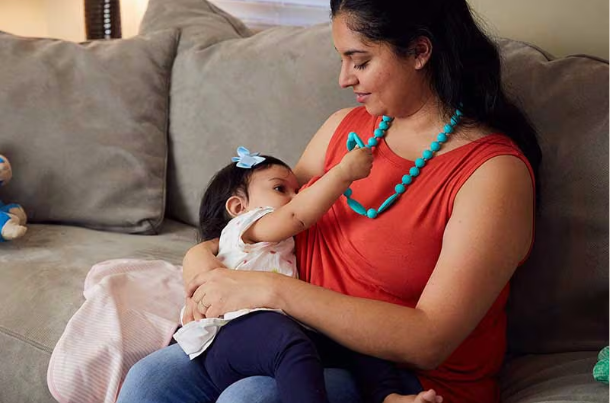
Meeting your newborn can bring love, uncertainty, and a surprising number of questions. You may wonder how to hold them confidently, how to comfort them, or whether you should already feel a strong bond.
Dad bonding with a newborn does not have to begin with an instant emotional rush. Everyday care, changing a nappy, offering comfort, or talking during a quiet cuddle—gives you opportunities to get to know your baby. Here are gentle ways to begin.
What Does Dad Bonding With a Newborn Look Like?
Bonding describes the growing feeling of closeness between you and your baby.
Sometimes it feels emotional: you notice their tiny fingers and suddenly feel protective. Other times, it looks practical: you learn how they like to be held or recognize when they need a break.
Some parents feel connected during pregnancy or soon after birth, while others need more time. There is no single pace every parent must follow.
Focus on opportunities to care rather than repeatedly checking whether you feel bonded enough. You can be attentive and gentle while your emotions are still catching up.
Why Connection May Take Time
Everything Feels Unfamiliar
Supporting a newborn’s head, changing tiny clothes, and understanding feeding cues can feel daunting.
It’s reasonable to ask a midwife, nurse, or pediatrician to show you something more than once. You don’t need to pretend you understand a task because someone demonstrated it quickly.
Choose one everyday activity and practice it with support. Confidence can develop through familiarity.
Feeding Seems to Take Up the Whole Day
If your partner is breastfeeding, you might wonder where you fit.
There is still plenty of care around feeds: bringing the baby over, changing a nappy, helping with settling afterward, or making sure the feeding parent has food and water.
You don’t need to introduce a bottle solely to have a relationship with your baby. Feeding is one part of connection, and you can participate in many other ways.
You’re Waiting for a Clear Response
Newborn interaction can feel one-sided. Your baby may look briefly, drift to sleep, or cry despite your best efforts.
A quiet response doesn’t mean your presence is unimportant. You’re learning their signals, and they’re experiencing your care.
Try noticing small details without treating them as a score: how their body feels when relaxed, which hold seems comfortable, or when they turn away from stimulation.
Simple Ways for Dads to Connect With Their Newborn
1. Try Skin-to-Skin Contact
Skin-to-skin means holding your baby against your bare chest. It can offer a comfortable opportunity for closeness for dads as well as other parents.
Ask your maternity team to demonstrate safe positioning, especially if your baby was premature or needs additional care.
Stay fully awake and alert. Support your baby securely, keep their face visible, and make sure their nose and mouth remain uncovered, with their chin away from their chest.
Choose a supported position where you can see your baby’s breathing and face. Do not use skin-to-skin if alcohol, sedating medicines, or exhaustion affect your alertness. If you become sleepy, transfer your baby to their safe sleep space or ask an alert caregiver to take over.
You don’t need to aim for a particular emotional reaction. A comfortable few minutes together is a worthwhile beginning.
2. Talk About Ordinary Things
Tell your baby what you’re doing.
“I’m getting your clean nappy.”
“We’re going to sit by the window.”
“You had a busy morning.”
You don’t need a special voice or clever conversation. Talking during care gives you something natural to share when you’re unsure what to say.
Leave pauses, too. Your baby may make a sound, move, or simply rest. You don’t have to fill every quiet moment.
3. Make Nappy Changes Part of Your Relationship
Nappy changing is an opportunity to notice your baby closely.
Prepare everything beforehand, explain what you’re doing, and keep a hand on your baby when they’re on a raised changing surface. A suitable changing mat on the floor can simplify the setup.
If your baby cries, work gently and calmly. You don’t need to make every change cheerful for it to count as caring.
Taking regular responsibility also helps you learn what is normal for your baby.
4. Hold Them During a Calm, Awake Moment
You don’t have to wait until your baby is upset to spend time together.
Try holding them after their needs have been met, when they seem comfortable and alert. Support their head and neck, and let them look toward your face without insisting on eye contact.
If they turn away or become unsettled, reduce stimulation or change position.
A short, comfortable interaction may suit them better than a long attempt to keep their attention.
5. Read or Sing Something Familiar
Read a few pages, hum a tune, or repeat a song you enjoy.
Talking, reading, singing, and responding to your baby’s sounds are simple ways to share attention.
You don’t need to finish a book or perform beautifully. Choose something you’re happy to repeat.
This can become a familiar part of your day, even when your newborn is too young to understand the story.
6. Learn Feeding Cues and Help Responsively
Whether your baby receives breast milk, formula, or both, learn how they show hunger, need a pause, and signal fullness.
If you give bottles, ask someone qualified to demonstrate positioning and responsive feeding. Learn safe preparation, storage, and cleaning as well as the amount and pattern appropriate for your baby. Hold your baby throughout, allow breaks, and avoid pressuring them to finish.
Never prop a bottle or pressure your baby to finish. Watch for pauses, turning away, or closing the mouth, while following any medical feeding plan.
If your baby is breastfeeding, respond to hunger by bringing them to the feeding parent. Don’t delay a needed feed to extend your own cuddle time.
7. Find a Small Routine You Can Own
Choose an activity that fits your family: a morning nappy change, an evening song, or settling after a feed.
Discuss the arrangement rather than assuming who wants which tasks. Then learn what it involves and take responsibility for preparing and completing it.
A routine doesn’t have to happen at an exact time. Newborn needs vary, and flexibility matters.
What helps is having regular opportunities to be involved.
8. Offer Comfort Without Expecting Instant Results
Check basic needs: hunger, a wet nappy, temperature, tiredness, or signs of illness.
You might then try holding your baby close, gentle movement, or a quiet voice. Avoid rapidly switching between several techniques when your baby seems overwhelmed.
If they need feeding or another caregiver’s help, respond to that need.
Handing your baby over thoughtfully doesn’t cancel your effort. Caring includes recognizing when a different response is needed.
What If Your Baby Cries More With Dad?
This can feel personal, especially when your baby settles quickly with someone else.
Try starting together during a calmer period rather than taking over only at the most difficult time of day. Ask your partner what they’ve noticed, then allow yourself room to learn.
Check whether the baby is hungry before beginning an extended settling attempt. Also consider whether your hold is comfortable and your surroundings are too stimulating.
You don’t need to persist until everyone is distressed to prove you can manage.
If crying is unusual, your baby seems unwell, or feeding is affected, contact their clinician promptly. A newborn with reduced feeding, fewer wet nappies, or unusual sleepiness needs assessment rather than more settling practice. Difficulty breathing, blue or grey coloring, or difficulty waking requires emergency help. A temperature of 38°C (100.4°F) or higher in a baby under three months needs immediate medical assessment. Bonding strategies cannot replace assessment of a possible health problem.
Keep Close Moments Safe
Newborn cuddles can make a tired parent sleepy. Plan for that before settling down.
If you feel drowsy, place your baby on their back in their own cot or bassinet, on a firm, flat sleep surface with a fitted sheet and no loose bedding or soft objects.
Avoid falling asleep with a baby on your chest, including in an adult bed and especially on a sofa or armchair. Use your baby’s separate, appropriate sleep surface whenever you need to rest.
Skin-to-skin and cuddling are for an awake, attentive caregiver. Your baby’s safe sleep space is the next step when you need to rest.
Take a Break if You Become Overwhelmed
If crying leaves you feeling angry or close to losing control, put your baby safely in their cot and step away briefly.
Ask another trusted adult to take over when available. Stay nearby and check back after a brief calming pause. This is a safety reset, not a substitute for assessing illness or meeting feeding needs.
Never shake or handle a baby roughly. Seek emergency help if you cannot keep your baby or yourself safe, and ask a trusted adult to stay with you. If a baby has been shaken or injured, seek emergency medical care even if they initially appear well.
A Simple Starting Plan for New Dads
Choose one task you can learn well rather than expecting yourself to master everything today. Ask for a demonstration, practice with support, and gradually take responsibility for the whole task.
| A moment in the day | A way to participate |
|---|---|
| Before a feed | Notice hunger cues and help prepare what is needed. |
| During awake, settled time | Talk, sing, or hold your baby comfortably. |
| At a nappy change | Gather supplies, change gently, and clean up afterward. |
| When a parent needs rest | Agree on a safe handover that still meets feeding needs. |
Use the plan flexibly. A newborn who needs feeding, rest, or medical care should not have to wait for a planned bonding activity. Connection grows within responsive care, including when you recognize that someone else’s help is needed.
If your baby is in neonatal care or you are separated, ask the team which activities are appropriate now. Depending on your baby’s condition, that might include talking quietly, learning care routines, or supported contact when they are ready. A delayed start does not close off your relationship.
Support Each Other Without Comparing
Parents may learn different parts of baby care at different speeds.
Talk about what each of you needs. A breastfeeding parent may need recovery time and practical help; a dad may need clear instruction followed by space to try.
Avoid making one parent responsible for planning and correcting every task. Ask questions, learn the care plan, and share the work of noticing what needs doing.
Leave room for different safe approaches too. A baby can experience more than one familiar song, comforting voice, or way of being held.
When Dad Needs Emotional Support
Becoming a parent can bring difficult feelings alongside love.
Talk to a healthcare professional if you experience persistent low mood, anxiety, strong irritability, withdrawal, or difficulty managing daily life. Fathers and partners can experience depression after a baby is born too; these symptoms are not a failure of parenting.
You can also ask for help if the bond doesn’t seem to be developing and that worries you.
You don’t need to wait until things become severe. Your wellbeing deserves attention in its own right.
Frequently Asked Questions
How soon should a dad feel bonded with his newborn?
There is no deadline. Some dads feel close immediately; others develop that feeling gradually. Keep participating in care, and seek support if the lack of connection worries you.
Can dad bond without bottle-feeding?
Yes. Holding, talking, changing nappies, settling, and responding to needs all provide opportunities for connection. A bottle is not required solely for bonding.
What if I feel nervous holding my baby?
Ask a nurse, midwife, or pediatrician to demonstrate. Start seated with support nearby, and learn how to support the head and neck. You’re allowed to ask again.
Does a newborn need special toys for bonding?
No. Your voice, face, gentle care, and attention offer simple ways to interact. Watch your baby’s cues and allow quiet pauses.
Can I do skin-to-skin if we missed it after birth?
Ask your care team about doing it now. Skin-to-skin can continue at home when appropriate, with an awake, attentive caregiver and safe positioning. Immediate contact after delivery is not your only opportunity.
What if work limits my time with the baby?
Choose a manageable care routine when you’re available. Discuss how to share responsibilities, and avoid judging your relationship by another family’s schedule.
Can I Cuddle My Newborn Too Much?
Responding to a newborn’s need for comfort is appropriate. You do not have to withhold care to make them independent. Still, you need rest and safe handling too. Share care where possible, and put your baby in their safe sleep space if you become sleepy or overwhelmed.
What if My Baby Does Not Make Much Eye Contact?
Newborn attention can be brief and changes with alertness and tiredness. Offer your face and voice without insisting on a response, and stop when they seem overstimulated. If you are concerned about vision, responsiveness, or development, mention the pattern to their clinician rather than using eye contact as a bonding score.
Does Caring for My Partner Count as Helping the Baby?
Practical support can make feeding and recovery easier, but it does not replace learning direct baby care. Discuss what is useful, share household work, and take responsibility for tasks you can safely manage. Both parents deserve room to rest and build their own relationship with the baby.
When Should I Ask for Help With Feeling Disconnected?
You can ask whenever it worries you, especially if disconnection comes with ongoing low mood, anxiety, irritability, withdrawal, or difficulty functioning. A healthcare professional can help you understand what is happening. If you feel unable to keep yourself or your baby safe, get emergency help immediately.
A Warm Reminder for the Dad Still Finding His Feet
You don’t have to arrive at fatherhood knowing every answer.
Start with the baby in front of you: learn their needs, ask for guidance, and keep taking part in ordinary care. Some moments will feel special. Others will involve a nappy change and very little sleep.
Both belong in a growing relationship. Your connection has room to develop through repeated, attentive care—and you deserve support while you learn.
For today, choose one ordinary care task, ask any questions you need to ask, and give yourself permission to learn. Your baby needs responsive care, not a performance, and your own wellbeing deserves support too.
Resources
American Academy of Pediatrics: Fever and Your Baby
NHS: Building a Close Relationship With Your Baby
NHS: Skin-to-Skin Contact With Your Newborn
American Academy of Pediatrics: How to Keep Your Sleeping Baby Safe