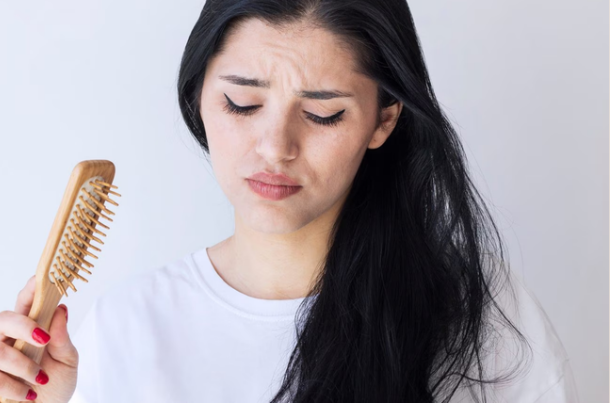
There’s a moment many new moms know all too well. You’re finally getting a few minutes to shower, your baby is resting nearby, and suddenly you notice more hair than usual collecting around the drain. Then you brush your hair and find another handful. It can be surprisingly upsetting, especially when your body has already been through so much.
If you’re experiencing postpartum hair loss, please know that you’re not alone. Hair shedding after having a baby is incredibly common, and in most cases, it’s temporary.
Still, knowing something is normal doesn’t always make it easy. Your hair may have felt thick and beautiful during pregnancy, and watching it thin afterward can feel like one more unexpected change nobody prepared you for.
Let’s talk about why it happens, how long it usually lasts, what you can do to care for your hair, and when it’s worth asking for medical advice.
What Is Postpartum Hair Loss?
Postpartum hair loss is a temporary increase in hair shedding that happens after childbirth. Doctors often call it telogen effluvium, which simply means more hairs than usual have entered the resting and shedding phase of the hair growth cycle.
During pregnancy, many women notice their hair becoming fuller. You might have enjoyed a thicker ponytail or found fewer strands falling out when brushing.
After your baby arrives, those changes begin to reverse. Hair that stayed in place longer during pregnancy starts shedding, sometimes all at once.
Although it can look dramatic, this usually isn’t permanent hair loss. Your hair follicles are still there, and new hair can grow as your body returns to its usual hair growth cycle.
What Causes Postpartum Hair Loss?
The biggest reason behind hair loss after pregnancy is the change in hormones following childbirth.
During pregnancy, higher estrogen levels help keep more hairs in their growing phase. This means fewer hairs fall out than usual, making your hair appear thicker.
After delivery, estrogen levels drop. The extra hairs that were held in the growing phase gradually move into the shedding phase.
A few months later, you may notice considerably more hair coming out in the shower or on your pillow.
This is your body’s natural response to hormonal changes, not a sign that you’ve done something wrong.
Can Stress and Lack of Sleep Make Hair Shedding Worse?
Caring for a newborn is beautiful, but it can also be exhausting. Between night feedings, recovery, and learning your baby’s needs, there may be days when looking after yourself feels nearly impossible.
Significant physical or emotional stress can contribute to temporary hair shedding. However, the usual hormonal shift after childbirth is the main reason for postpartum shedding.
Other factors, such as iron deficiency, thyroid problems, or inadequate nutrition, can sometimes contribute to hair loss too.
That’s why it’s worth paying attention if shedding seems unusually severe or continues longer than expected.
When Does Postpartum Hair Loss Start?
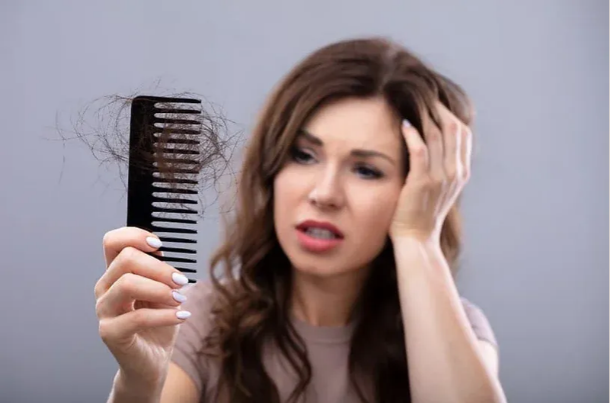
Most moms begin noticing increased hair shedding around two to three months after giving birth.
For some women, it begins a little earlier. Others may not notice much until their baby is several months old.
Postpartum hair shedding often becomes most noticeable around four months after delivery.
You might first notice it when washing your hair, tying it into a ponytail, or finding loose strands on your clothes.
And sometimes, it seems to happen overnight.
One week your hair feels completely normal, and the next you’re wondering why so much is coming out.
Although this can be unsettling, the timing is very typical of postpartum hormonal changes.
How Long Does Postpartum Hair Loss Last?
One of the first questions many moms ask is, “When will my hair stop falling out?”
The encouraging news is that postpartum shedding generally improves on its own.
For many women, the heaviest shedding lasts a few months, with hair gradually returning toward its usual growth cycle over the following months.
By the time your baby celebrates their first birthday, hair fullness has often improved significantly.
However, everyone’s experience is different, and regaining your previous hair thickness may take longer.
When Does Postpartum Hair Loss Stop?
Here’s a general timeline to help you understand what may happen.
| Time after birth | What you might notice |
|---|---|
| 0–2 months | Hair may still feel relatively thick |
| 2–3 months | Increased shedding may begin |
| 3–5 months | Shedding is often most noticeable |
| 6–9 months | Shedding may gradually slow |
| 9–12 months | Many moms notice improved fullness and regrowth |
This timeline is only a guide, not a deadline.
If you’re still experiencing substantial shedding around your baby’s first birthday, consider speaking with your healthcare provider.
Is It Normal to Lose a Lot of Hair After Having a Baby?
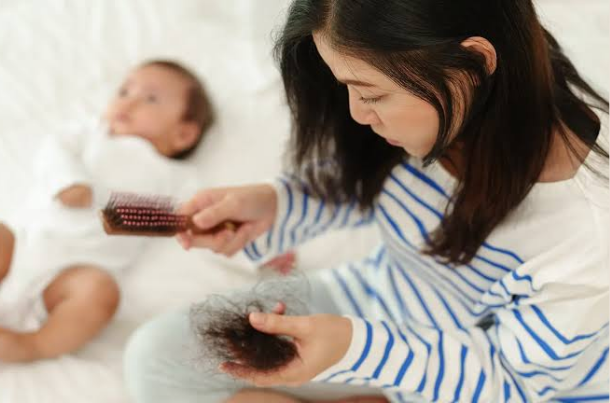
Yes, increased shedding can be a normal part of postpartum recovery.
Normally, people lose approximately 50 to 100 hairs a day. During postpartum shedding, that number may rise considerably.
You might notice:
- More hair collecting in your shower drain.
- Loose strands on your pillow or clothes.
- A ponytail that feels thinner than before.
- Increased visibility of your scalp near your part.
- Thinning around your temples or hairline.
Seeing these changes can affect your confidence, especially when you’re already adjusting to your postpartum body.
But remember, temporary shedding doesn’t mean your hair will continue getting thinner forever.
For most new moms, the hair growth cycle eventually settles down.
How to Reduce Postpartum Hair Loss and Care for Your Hair
There isn’t a proven way to completely prevent normal hormonal postpartum shedding.
However, gentle hair care, balanced nutrition, and attention to your overall health can help protect your hair from unnecessary breakage while it recovers.
1. Be Gentle When Brushing Your Hair
Your hair may feel more delicate during this period, especially if it’s long or easily tangled.
Try using a wide-tooth comb or a soft detangling brush. Begin at the ends and work your way upward instead of pulling through knots.
If you’re holding your baby while brushing your hair, there’s no need to rush. A few extra moments of gentle care can help prevent breakage.
2. Avoid Tight Hairstyles
A tight ponytail or bun may seem like the easiest hairstyle when you’re busy with a newborn.
But constant pulling can put extra stress on your hairline and may contribute to traction-related hair loss.
Choose loose braids, soft scrunchies, or comfortable hairstyles that don’t tug at your scalp.
A loose, low bun can be a practical option for keeping your hair away from little grabbing hands.
3. Eat Foods That Support Healthy Hair Growth
Your body needs nutrients to recover after childbirth, and your hair needs them for healthy growth too.
Instead of searching for one miracle food, focus on regular, balanced meals that include protein, iron, healthy fats, and a variety of fruits and vegetables.
Some helpful options include eggs, lentils, beans, leafy greens, yogurt, nuts, seeds, fish low in mercury, and whole grains.
And if you’re breastfeeding, remember that your nutritional needs may be higher.
You don’t need a perfect meal plan. Even simple, nourishing meals can make caring for yourself feel more manageable.
4. Choose Gentle Hair Products
You don’t need expensive products to care for your hair during postpartum recovery.
A mild shampoo and a conditioner suited to your hair type are usually enough.
If your hair feels flat, a lightweight conditioner applied mainly to the ends may help it look fuller without weighing it down.
Try to limit excessive heat styling, harsh chemical treatments, and anything that causes unnecessary breakage.
Volumizing products can improve the appearance of thinning hair, but they won’t stop hormone-related shedding.
5. Consider a Comfortable Haircut
Sometimes, a small haircut can make a surprisingly big difference in how your hair feels.
Long hair can make shed strands appear especially dramatic, even when the amount of shedding is typical.
A shoulder-length cut or soft layers may help your hair look fuller and make everyday styling easier.
Of course, you don’t have to cut your hair unless you want to.
The goal is simply to find something that helps you feel comfortable and confident.
6. Give Yourself Time to Recover
This may be the hardest advice to follow, especially when you’re hoping for a quick solution.
Your body has spent months growing and nourishing your baby. After childbirth, it continues adjusting, healing, and adapting.
Your hair needs time to return to its usual cycle too.
Try not to judge your progress by how much hair comes out during one shower.
Postpartum recovery happens gradually, and hair regrowth is often one of the slower changes.
Do Vitamins for Postpartum Hair Loss Really Help?
It’s understandable to wonder whether a vitamin could stop the shedding.
After all, when you’re seeing hair everywhere, it’s tempting to try anything that promises thicker, healthier hair.
But here’s something important to understand: vitamins generally won’t stop normal hormone-related postpartum hair shedding if you don’t have a nutritional deficiency.
Certain nutrients, including iron, zinc, vitamin D, vitamin B12, and protein, are important for healthy hair growth.
If you’re deficient in one of these nutrients, correcting that deficiency may help improve hair health.
However, taking extra supplements when your levels are already normal isn’t necessarily beneficial.
High doses of some supplements can even be harmful.
If you’re considering hair-growth vitamins, particularly while breastfeeding, speak with your healthcare provider first.
They can help determine whether testing or supplementation is appropriate. Biotin supplements, in particular, can interfere with some laboratory tests.
Does Breastfeeding Cause Postpartum Hair Loss?
This is a question many breastfeeding moms worry about.
You may notice increased shedding while nursing and wonder whether breastfeeding is taking something away from your hair.
The reassuring answer is that breastfeeding itself is not considered the main cause of typical postpartum hair loss.
The hormonal changes that happen after childbirth are largely responsible, whether you’re breastfeeding or formula-feeding.
However, breastfeeding increases certain nutritional and energy needs, so eating enough and staying hydrated remain important for your overall health.
You don’t need to stop breastfeeding because of normal postpartum hair shedding.
If you’re worried about your nutrition, milk supply, or persistent hair loss, your healthcare provider can help you look at the bigger picture.
What Does Postpartum Hair Regrowth Look Like?

One day, you might look in the mirror and notice tiny hairs sticking up around your forehead.
At first, they can be frustrating because they don’t seem to stay in place no matter how you style them.
But those little hairs may actually be a welcome sign.
Postpartum hair regrowth often appears as short, fine strands around the hairline, temples, or part.
As these hairs grow longer, your hair may gradually begin to look fuller again.
Why Are There So Many Baby Hairs Around My Forehead?
Those short, wispy hairs can be new growth replacing hair that shed earlier.
They may stick up, curl unexpectedly, or create a fuzzy appearance around your hairline.
It’s perfectly normal to feel a little annoyed by them.
But instead of viewing them as another problem, try to remember that they may be part of your hair’s recovery.
You can use a small amount of lightweight styling product to manage flyaways, as long as it doesn’t irritate your scalp.
Can Postpartum Hair Loss Cause Bald Spots?
Typical postpartum shedding usually causes diffuse thinning, meaning hair becomes less dense across the scalp rather than disappearing in sharply defined patches.
Thinning may be especially noticeable near the temples and along the hairline.
However, distinct bald patches aren’t typical of ordinary postpartum telogen effluvium.
If you notice smooth, round bald spots, significant scalp irritation, or rapidly progressing areas of hair loss, it’s important to seek medical advice.
Conditions such as alopecia areata, thyroid disorders, or other scalp problems may need different treatment.
You deserve answers rather than feeling you have to wait everything out.
When to See a Doctor for Postpartum Hair Loss
Although most postpartum shedding is temporary, not every type of hair loss after childbirth is caused by hormones alone.
Consider contacting your healthcare provider if:
- Hair shedding remains substantial beyond 12 months after delivery.
- You notice distinct bald patches or unusual patterns of thinning.
- Your scalp becomes painful, red, inflamed, or persistently itchy.
- You experience unusual fatigue, dizziness, or weakness.
- You notice symptoms such as feeling unusually cold, constipation, or unexplained weight changes.
- Your hair loss is causing significant emotional distress.
Your doctor may consider whether iron deficiency, thyroid changes, or another condition could be contributing.
Postpartum thyroiditis, for example, can develop during the first year after childbirth and sometimes causes symptoms that overlap with normal postpartum changes.
You don’t need to wait until your hair loss becomes severe before asking questions.
If something doesn’t feel right, seeking reassurance or an evaluation is a sensible step.
How to Feel More Confident While Your Hair Is Shedding
Hair loss can feel surprisingly emotional.
Maybe you used to love wearing your hair down, but now you prefer keeping it tied back. Maybe you’re avoiding photos because your hairline looks different.
And perhaps you feel a little guilty for caring about your hair when you have a beautiful baby to focus on.
But your feelings matter too.
Motherhood doesn’t mean you stop wanting to feel like yourself.
Small moments of care can help you feel more comfortable as you adjust to postpartum changes. If you’re looking for practical ways to make room for yourself, explore our guide to self-care products every mom should use for simple ideas you can fit into a busy day.
Try choosing hairstyles that make you comfortable, giving yourself a few minutes of personal care, or talking openly with someone you trust about how you’re feeling.
You don’t need to force yourself to love every postpartum change.
It’s enough to treat yourself with kindness while your body finds its new rhythm.
Frequently Asked Questions
Can postpartum hair loss be prevented?
Normal postpartum shedding generally cannot be completely prevented because it results from natural hormonal changes. However, gentle hair care and adequate nutrition can help minimize additional breakage and support healthy growth.
Does washing my hair make postpartum shedding worse?
No. Washing your hair doesn’t cause the underlying hormonal shedding. It simply releases hairs that were already ready to fall out, making the amount seem more noticeable.
Will my hair ever be as thick as it was during pregnancy?
Many women regain their usual pre-pregnancy hair fullness over time. However, pregnancy-related thickness was partly due to reduced shedding, so your hair may not remain as thick as it felt while you were pregnant.
Can I use hair growth treatments while breastfeeding?
Some hair growth treatments may not be appropriate during breastfeeding, and safety information varies by product. Speak with your healthcare provider before using medicated scalp treatments, including minoxidil.
Is postpartum hair loss worse after a second baby?
Not necessarily. Hair shedding can differ from one pregnancy to another. Some moms notice more shedding after a second baby, while others experience less. Hormonal responses and individual health factors can vary.
Does cutting my hair stop postpartum shedding?
No. Cutting your hair doesn’t change the hair growth cycle or stop hormonal shedding. However, shorter hair may be easier to manage and can sometimes create the appearance of fuller hair.
Can postpartum hair loss happen after a miscarriage or pregnancy loss?
Yes. Hormonal changes following miscarriage or pregnancy loss can sometimes trigger temporary hair shedding. If this happens, you can seek medical guidance and support, particularly if the shedding is prolonged or distressing.
A Gentle Reminder for Every New Mom
If you’re finding hair on your pillow, in your shower, or wrapped around your fingers every time you brush, I know how discouraging it can feel.
Postpartum hair loss is one of those changes that can catch you completely off guard, even when you thought you were prepared for life after childbirth.
But for most moms, this season of shedding doesn’t last forever.
Your body is adjusting after pregnancy, and your hair usually needs a little more time to catch up. Nourish yourself when you can, be gentle with your hair, and ask for help if something worries you.
And on those days when you look in the mirror and don’t quite recognize the woman looking back, remember that you deserve care and patience just as much as your little one does.
Your hair is only one small part of you. It doesn’t define your beauty, your strength, or the wonderful mother you’re becoming.
For more gentle guidance on postpartum care and life with your little one, explore Tales of Tots. Find practical parenting tips and reassuring support as you navigate motherhood, one day at a time.