There are days when parenting a two-year-old feels like chasing a tiny whirlwind. One minute they’re happily stacking blocks, and the next they’re asking for your phone because they’ve seen someone else using one. If you’ve been searching for no screen time activities for 2 year old children, first let me tell you something, you are not alone, and you’re already doing something wonderful by looking for healthier ways to keep your little one engaged.
The truth is, toddlers don’t need expensive toys or perfectly planned activities to learn. What they need most is the chance to explore, imagine, move, and spend time with someone who loves them. Some of the best childhood memories are made with simple everyday moments, building a pillow fort, splashing in water, reading the same book for the tenth time, or collecting leaves in the backyard.
Why No Screen Time Activities for 2 Year Old Children Matter
At two years old, your child’s brain is growing faster than at almost any other stage of life. Every conversation, every hug, every game of peekaboo, and every new experience helps build important connections in their developing brain.
While screens can sometimes be helpful in certain situations, toddlers learn best through real-life experiences. They understand the world by touching different textures, listening to sounds, running, climbing, asking questions, and watching the people around them. That’s why screen free activities for toddlers are so valuable, they encourage active learning instead of passive watching.
The good news is that meaningful play doesn’t have to be complicated. Whether you’re spending time indoors on a rainy afternoon or enjoying sunshine in the backyard, there are countless opportunities to help your child grow while simply having fun together.
No Screen Time Activities for 2 Year Old
Keep your 2-year-old busy without screens through simple activities like coloring, building blocks, puzzles, pretend play, dancing, reading, and outdoor walks. You can also involve them in small daily tasks like watering plants or matching socks. Keep it fun, short, and always supervise them.
1. Turn Your Living Room into an Indoor Obstacle Course
If your toddler seems to have endless energy, don’t worry, that’s completely normal. Two-year-olds are constantly learning how their bodies move, and giving them safe ways to climb, crawl, and balance is one of the best indoor activities for 2 year olds.
These simple no screen time activities for 2 year old children provide a safe and enjoyable way to use their energy indoors.
You don’t need fancy equipment. Use sofa cushions as stepping stones, lay a blanket on the floor to crawl across, place pillows to jump over, or stick masking tape on the floor to create a balance line. You can even make a small tunnel using chairs and a blanket.
As your child moves through the course, they’re strengthening their balance, coordination, and large muscles. They’re also learning confidence by trying new challenges at their own pace.
Remember, there’s no right or wrong way to play. Some toddlers will carefully follow the course, while others will happily jump straight onto the pillows. Both are learning in their own unique way.
Mom Tip: Join the fun whenever you can. Your laughter and encouragement will make the activity even more exciting, and those shared moments often become the memories your child treasures most.
2. Create a Simple Sensory Bin
When people think about sensory activities for toddlers, they often imagine complicated setups found on social media. But honestly, some of the best sensory play comes from everyday items already sitting in your kitchen.
Fill a large plastic container with dry rice, oats, uncooked pasta, or even shredded paper. Add measuring cups, spoons, toy animals, or plastic bowls, and simply let your toddler explore. They might scoop, pour, bury toys, or pretend they’re cooking a delicious meal.
Sensory bins are among the easiest no screen time activities for 2 year old toddlers because they encourage hands-on exploration.
Although it may look like simple play, your little one is actually building important skills. Sensory play strengthens fine motor development, improves hand-eye coordination, introduces early math concepts like full and empty, and encourages language as you talk about what they’re discovering.
The activity also gives toddlers something many of them truly need, time to slow down, focus, and explore at their own pace.
Mom Tip: Place an old bedsheet underneath the bin before you begin. Cleanup becomes much easier, and you can save the materials for another fun play session.
3. Read Books Together Every Day
If I could recommend just one activity for every family, it would be reading together. It might seem simple, but reading is one of the most powerful learning activities for 2 year olds.
Reading together is one of the most calming no screen time activities for 2 year old children, especially before naps or bedtime.
Don’t worry about finishing every page or choosing educational books all the time. At this age, your toddler simply enjoys hearing your voice, looking at colorful pictures, and turning pages with you.
Ask little questions as you read:
- “Where is the puppy?”
- “Can you find the red balloon?”
- “What sound does the cow make?”
These conversations help build vocabulary, listening skills, memory, and imagination.
And if your child asks for the same story again… and again… and again? That’s perfectly normal. Repetition helps toddlers understand language and gives them comfort because they know what comes next.
Mom Tip: Create a cozy reading corner with pillows and blankets. A special reading space often makes story time feel even more magical.
4. Let Your Toddler Help with Everyday Chores
One of the sweetest things about two-year-olds is how much they love helping. They don’t see chores as work, they see them as exciting opportunities to do what Mom or Dad is doing.
Invite your toddler to wipe the table with a damp cloth, water the plants, match socks while folding laundry, or help stir pancake batter. These simple Montessori activities for 2 year olds teach independence while making your child feel capable and included.
You may need a little extra patience because tasks will take longer, and they probably won’t be perfect. That’s okay. The goal isn’t perfection, it’s giving your child meaningful experiences and helping them develop confidence.
Over time, these small moments teach responsibility, improve coordination, and show your toddler that they’re an important part of the family.
Mom Tip: Praise the effort instead of the result. Saying, “Thank you for helping me,” means much more than pointing out mistakes.
5. Enjoy Nature Walks and Outdoor Adventures
Some of the best outdoor activities for 2 year olds don’t require a playground at all. A simple walk around your neighborhood or local park can become an exciting adventure when you slow down and see the world through your toddler’s eyes.
Instead of rushing from one place to another, let your child stop and explore. Pick up interesting leaves, watch ants carry tiny pieces of food, listen to birds singing, or collect smooth stones along the path. Every new sight, sound, and texture becomes a learning opportunity.
Nature encourages curiosity in a way no screen ever can. It introduces new words, supports physical development through walking and climbing, and helps children build an appreciation for the world around them.
Even just twenty minutes outside can improve your toddler’s mood, and yours too.
Mom Tip: Bring a small basket or reusable bag for collecting “nature treasures.” Once you’re home, you can use them later for art projects or storytelling.
6. Encourage Pretend Play with Everyday Household Items
One thing I’ve learned as a mom is that toddlers often enjoy ordinary household items more than expensive toys. Give them a wooden spoon, a few plastic bowls, an empty cardboard box, or a clean scarf, and suddenly they’ve created an entire imaginary world.
Pretend play is one of the most valuable toddler activities at home because it encourages creativity and independent thinking. Your little one might “cook” dinner for their teddy bear, pretend to be a doctor helping their dolls, or turn a cardboard box into a race car or rocket ship.
As they play, they’re also developing language skills by creating conversations, learning to solve simple problems, and practicing social skills through role-playing. These are all important building blocks for future learning.
The best part? You don’t have to direct every moment. Sit nearby, respond to their ideas, and let them take the lead. When children create their own stories, their imagination grows in beautiful ways.
Mom Tip: Instead of buying new pretend play toys, create a small “treasure basket” filled with safe household objects. Rotating the items every few weeks keeps playtime exciting without spending extra money.
7. Make Art Time About Exploring, Not Perfection
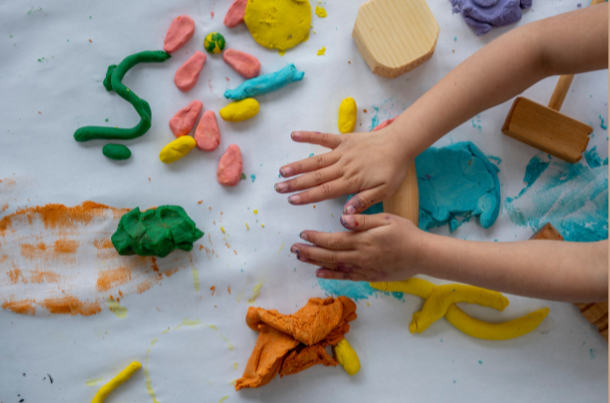
Many parents hesitate to do crafts because they’re worried about the mess. Believe me, I understand. But some of the happiest toddler memories come from paint-covered fingers, colorful scribbles, and proudly holding up a masterpiece that only they can understand.
Simple art projects are wonderful learning activities for 2 year olds because they strengthen fine motor skills while allowing children to express themselves freely.
Offer washable crayons, chunky markers, finger paints, stickers, or large sheets of paper. Let your child draw circles, dots, lines, or simply experiment with colors. At this age, it’s not about creating perfect pictures—it’s about enjoying the process.
Art also gives toddlers a healthy way to express emotions they don’t yet have words for. Some days they’ll paint quietly for twenty minutes, while other days they’ll make just a few marks before moving on. Both are completely normal.
Mom Tip: Display your toddler’s artwork on the refrigerator or create a small “gallery wall.” Seeing their creations proudly displayed helps build confidence and shows them that their efforts matter.
8. Try Simple Water Play for Endless Fun
If there’s one activity that almost every toddler loves, it’s playing with water. It doesn’t require fancy toys or a large backyard. A shallow tub, a few plastic cups, measuring spoons, and small containers are enough to create an exciting afternoon.
Water play is one of the easiest sensory activities for toddlers because it naturally encourages pouring, scooping, splashing, and experimenting. As your child pours water from one cup to another, they’re learning about volume, cause and effect, and hand control without even realizing it.
On warm days, you can take the activity outside. During colder months, simply place towels under the tub and enjoy indoor water fun.
Always stay within arm’s reach during water play, even if only a small amount of water is being used. Close supervision keeps the activity both safe and enjoyable.
Mom Tip: Add floating toys, rubber ducks, or colorful plastic balls to keep the activity fresh each time. Sometimes even a sponge can become your toddler’s favorite new toy.
9. Introduce Simple Montessori Activities for Everyday Learning
One of the things I love most about Montessori activities for 2 year olds is that they don’t require expensive materials. In fact, many Montessori-inspired activities involve everyday tasks that help children become more independent.
Invite your toddler to pour water into a cup using a small pitcher, transfer cotton balls with child-safe tongs, match lids to containers, or sort colorful objects into bowls. These activities may look simple, but they teach concentration, patience, and problem-solving.
Unlike fast-paced entertainment, Montessori play encourages children to slow down and focus on one activity at a time. This kind of deep concentration helps develop important thinking skills that benefit them for years to come.
The key is allowing your child enough time to complete the task without rushing to help. Even if they spill water or make mistakes, those moments are part of the learning process.
Mom Tip: Keep a few Montessori-inspired activities on a low shelf where your toddler can choose them independently. Giving children choices helps build confidence and encourages independent play.
10. Create Daily Family Playtime Without Screens
Out of all the screen-free play ideas we’ve shared, this might be the most meaningful one.
Children don’t remember every toy they owned, but they do remember how they felt when someone gave them their full attention.
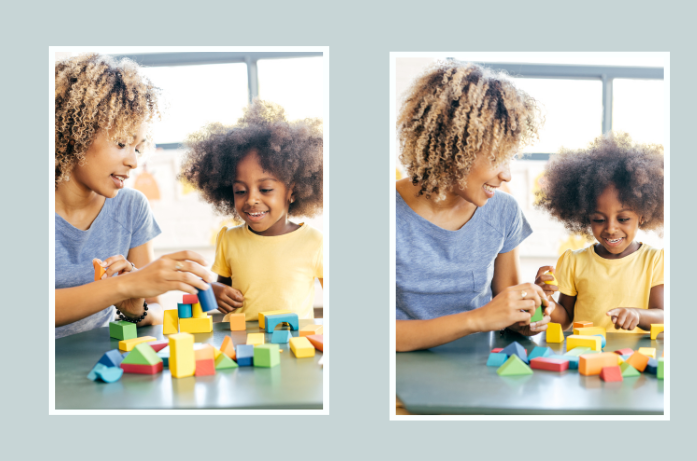
Even fifteen or twenty minutes of uninterrupted play each day can make a huge difference. Put your phone away, sit on the floor, build towers, race toy cars, read stories, dance in the kitchen, or simply laugh together.
These moments strengthen your bond, help your toddler feel emotionally secure, and remind them that your attention is more valuable than any screen.
Life gets busy, and no parent can be fully present every minute. That’s okay. Your child doesn’t need perfection—they simply need to know they’re loved.
Mom Tip: Try creating a simple “special playtime” each day. Let your toddler choose the activity, and follow their lead without distractions. Those few minutes often become the highlight of their day.
Simple Tips for Reducing Screen Time Without Daily Battles
Reducing screen time doesn’t have to happen overnight. Small, consistent changes often work much better than strict rules. Creating predictable routines and following age-appropriate screen time rules for kids can help your family set healthy limits without turning off the screen into a daily battle.
Here are a few gentle strategies that have helped many families:
- Create a simple daily routine with regular play, meals, naps, and outdoor time.
- Keep books, puzzles, crayons, and toys within easy reach so your toddler can choose activities independently.
- Rotate toys every week instead of leaving everything out at once. Old toys often feel new again.
- Spend time outdoors whenever possible. Fresh air naturally encourages movement and curiosity.
- Most importantly, be kind to yourself. Some days won’t go as planned, and that’s perfectly okay.
Remember, the goal isn’t to eliminate every screen forever. It’s to create more opportunities for meaningful play and family connection.
Frequently Asked Questions
How much screen time should a 2-year-old have?
Many child health experts recommend limiting screen time for toddlers and focusing more on interactive play, reading, outdoor exploration, and family activities. If screens are used, watching together and talking about what your child sees can make the experience more meaningful.
What are the best indoor activities for 2-year-olds
Some of the most enjoyable indoor activities for 2 year olds include obstacle courses, reading books, pretend play, building with blocks, art projects, sensory bins, dancing, puzzles, and simple household chores that allow children to participate safely.
Can toddlers really learn without educational apps?
Absolutely. Toddlers learn best through everyday experiences like talking, singing, reading, exploring nature, helping with simple tasks, and hands-on play. These real-life interactions support language, motor skills, creativity, and emotional development in ways that screens simply can’t replace.
What if my toddler asks for a phone every day?
Stay calm and consistent. Instead of simply saying “no,” gently redirect your child toward another interesting activity. Over time, as they discover new ways to play, many toddlers naturally begin asking for screens less often.
Final Thoughts
If you’ve been looking for no screen time activities for 2 year old children, I hope this article reminds you of one simple truth: you don’t have to fill every minute with perfectly planned activities to help your child learn and grow.
Your toddler doesn’t need expensive toys, beautifully organized playrooms, or a schedule packed with educational games. They need opportunities to explore, imagine, move, create, and most importantly, spend time with the people who love them.
Some days you’ll build blanket forts, read the same favorite story five times, or dance around the living room together. Other days, folding laundry, watering plants, or collecting leaves during a walk will be more than enough. Those ordinary moments are quietly shaping your child’s confidence, curiosity, and happiness.
As parents, it’s easy to feel pressure to do everything perfectly. But please remember, you don’t have to be a perfect mom or dad to raise a thriving child. Every hug, every conversation, every shared laugh, and every screen-free moment is a beautiful investment in your little one’s future.
Looking for more simple, practical, and parent-friendly ideas to support your child’s development? Visit Tales of Tots for more helpful toddler activities, parenting tips, and gentle guidance for every stage of your little one’s journey.