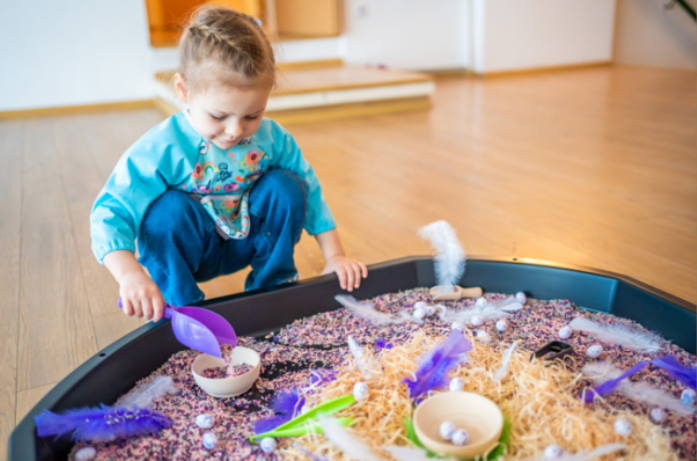
Sensory Play Ideas for Toddlers are one of the best ways to encourage learning, creativity, and development through everyday play. There’s something truly magical about watching a toddler explore the world with wide eyes, curious fingers, and endless excitement. As moms, we often wonder if the little activities we do at home really matter. The truth is, they absolutely do Simple sensory play ideas and sensory activities for toddlers can help little ones learn, grow, communicate, and feel more confident in their tiny world, grow, communicate, and feel more confident in their tiny world. And the best part? You don’t need fancy toys or expensive setups to make learning meaningful.
Childhood should feel warm, joyful, and full of discovery. These playful moments become beautiful memories while also supporting your child’s development in ways you may not even realize.
Why Sensory Play Matters for Toddlers
Sensory play encourages learning through play by helping toddlers explore textures, movement, sounds, and creativity in a natural and pressure-free way.
Toddlers learn best when they can touch, smell, hear, see, and move. Sensory play engages all those little senses at once, helping young children understand the world around them naturally.
These Sensory Play Ideas for Toddlers help strengthen fine motor skills, creativity, and problem-solving abilities.
When your child scoops rice with a spoon, squishes homemade dough, or splashes water between cups, their brain is working hard behind the scenes. These moments build:
- Fine motor skills
- Language development
- Problem-solving abilities
- Emotional regulation
- Creativity and imagination
- Focus and concentration
Many moms worry that learning only happens through flashcards or structured lessons. But honestly, some of the best learning happens right on the kitchen floor during messy play.
Sensory Play Ideas That Support Learning Naturally
One of the sweetest things about sensory play is that toddlers don’t even realize they’re learning while they play. To them, it simply feels exciting, comforting, and fun. But behind those tiny giggles and messy little hands, their brains are building important skills every single day.
The best part is that you don’t need fancy toys or complicated setups. Some of the most meaningful learning moments happen with simple things already sitting in your kitchen cabinets.
Rice Scoop and Pour Station
A simple rice bin can keep toddlers happily engaged for quite a while. There’s something calming about scooping, pouring, and digging through the soft texture of rice.
All you need is a shallow container filled with dry rice. Then add a few everyday items like measuring cups, small spoons, funnels, toy animals, or little plastic containers. Your child will naturally start exploring different ways to scoop, fill, dump, and transfer the rice from one place to another.
While it may look like simple play, toddlers are actually strengthening hand muscles, improving coordination, and learning focus through these tiny movements.
If you’d like to make it extra special, you can color the rice with a few drops of food coloring and let it dry overnight. Bright colors instantly make the activity feel new and exciting again.
And here’s a real mom tip, spread an old bedsheet or towel underneath before playtime starts. Cleanup becomes so much easier, and you’ll thank yourself later.
Water Play With Kitchen Items
Most toddlers are naturally drawn to water. Whether it’s splashing in the bath or pouring water between cups, water play feels soothing, exciting, and endlessly entertaining.
You can create a simple setup using a basin or large bowl filled with warm water. Then add things you already have at home like cups, ladles, sponges, floating toys, or plastic bowls.
Your toddler will spend time pouring, squeezing, splashing, and experimenting without even realizing they’re learning important concepts like full and empty, floating and sinking, or cause and effect.
For colder days, keep the activity cozy indoors with towels nearby and warm water to make the experience more comfortable.
Sometimes the simplest activities hold a toddler’s attention the longest.
Homemade Playdough Creations
There’s something timeless about homemade playdough. The soft, squishy texture gives toddlers a chance to explore with their hands while building strength in their tiny fingers.
You can easily make your own playdough using flour, salt, water, food coloring, and a little oil. It doesn’t need to look perfect to become magical in your child’s eyes.
Let your toddler squeeze, roll, flatten, poke, and shape the dough however they like. Some children enjoy using cookie cutters or toy stamps, while others simply love the feeling of squishing it between their fingers.
You can even add little nature treasures like leaves, flowers, or pebbles to make the activity feel extra special.
These quiet sensory moments often encourage independent play too, giving moms a small chance to breathe while toddlers stay happily engaged nearby.
Easy Sensory Play at Home Without Stress
Many parents avoid sensory play because they imagine huge messes and stressful cleanup. But honestly, sensory play can be simple, calm, and easy to manage. Toddlers don’t need fancy setups to learn and have fun. Sometimes the easiest activities become their favorites.
Ice Cube Rescue Activity
Freeze tiny toys inside ice cubes or a small ice block. Then give your toddler warm water, spoons, droppers, or toy hammers to help “rescue” the toys.
Kids love watching the ice melt while exploring cold textures and different sensations. It’s fun, calming, and surprisingly easy to clean up.
The best Sensory Play Ideas for Toddlers don’t require expensive toys, just simple materials and a willingness to explore together.
Oatmeal Exploration Tray
Dry oats are soft, safe, and perfect for simple sensory play.
Place oats in a tray and add scoops, bowls, toy trucks, or muffin liners. Toddlers enjoy pouring, digging, and filling containers while practicing coordination and focus.
If your little one still puts things in their mouth often, oats can feel like a gentler option for sensory play at home.
Bubble Foam Fun
Bubble foam is always exciting for toddlers and takes only minutes to make.
Blend a little baby shampoo with water until fluffy foam forms. Spread it in a tray and let your child draw shapes, hide toys, or make handprints.
This is one of those messy play ideas for toddlers that feels extra fun without creating a huge mess. Sometimes the simplest activities bring the biggest smiles.
Learn more about the benefits of sensory play for toddlers and how these simple activities support early learning and development.
DIY Sensory Bins for Kids That Actually Keep Toddlers Interested
Sensory bins don’t need to look perfect to be fun. Toddlers care more about exploring, scooping, and touching than fancy setups. Simple bins made at home can keep little hands busy while supporting learning and creativity.
Farm-Themed Sensory Bin
Fill a bin with dry oats or corn kernels and add toy farm animals, tractors, and small scoops.
Toddlers love making animal sounds, digging, and creating tiny stories while they play. It’s a simple activity that supports imagination and language development naturally.
Beach Bin for Indoor Fun
Bring beach fun indoors with kinetic sand or regular sand, seashells, small buckets, and toy sea animals.
Kids enjoy scooping, pouring, and digging through the sand. This type of sensory play can feel calming and relaxing for busy toddlers.
Rainbow Pasta Bin
Color dry pasta with food coloring and let it dry before placing it in a bin with cups, tongs, and containers.
The bright colors make the activity exciting, and toddlers love sorting, filling, and moving the pasta around. It’s one of those easy DIY sensory bins for kids that children enjoy again and again.
Sensory Games for Children That Encourage Connection
Playing together makes sensory activities even more meaningful. These simple games help toddlers learn while creating warm bonding moments with parents.
Mystery Touch Bag
Place familiar objects like a spoon, toy car, ball, or brush inside a cloth bag. Ask your toddler to feel the object without looking and guess what it is.
This simple game supports memory, vocabulary, and sensory awareness while making playtime fun and interactive.
Nature Treasure Hunt
Go for a short outdoor walk and collect leaves, flowers, pinecones, or small rocks together.
Back at home, let your toddler touch and explore the different textures. Nature activities are calming, fun, and wonderful for sensory development.
Sound Matching Game
Fill small containers with rice, beans, pasta, or coins and shake them gently.
Encourage your child to match containers with similar sounds. These easy sensory games for children help improve listening skills, focus, and attention in a playful way.
How Sensory Play Supports Emotional Development
Sensory play isn’t only about learning numbers or motor skills.
It also supports emotional growth in gentle, powerful ways.
Many toddlers struggle to express big feelings because they simply don’t have the words yet. Sensory activities can help calm overwhelmed emotions.
Water play, playdough, sand, and repetitive scooping movements often help children feel grounded and safe.
If your toddler has a rough day, a quiet sensory activity can sometimes work better than trying to “fix” the mood with words.
As moms, we sometimes put pressure on ourselves to entertain perfectly or teach constantly. But honestly, creating calm, connected moments matters just as much.
Explore these fun sensory play ideas for toddlers to make learning more playful and engaging for young children.
Creating a Calm Sensory Space at Home
You don’t need a big playroom or expensive supplies to create meaningful sensory play at home. Even a small cozy corner can become a wonderful space for learning and exploration.
Try keeping a washable mat, a few simple bins, and easy cleanup supplies nearby. Rotating sensory materials every week helps keep toddlers interested without constantly buying new things. One week you might use rice, the next week water, and another week homemade playdough.
The truth is, toddlers often enjoy simple repetition more than complicated setups. Familiar activities help them feel comfortable, confident, and calm while they play.
Gentle Tips for Stress-Free Sensory Play
Start Small
Sensory play doesn’t need to feel complicated. Even a bowl of water and a spoon can turn into a fun learning activity for a curious toddler.
Dress for Mess
Old clothes can make playtime feel much less stressful. When parents stop worrying about spills and messes, children usually relax and enjoy the experience more too.
Supervise Closely
Always stay nearby during sensory activities, especially when small materials are involved. Simple supervision helps keep play safe and enjoyable.
Follow Your Child’s Lead
Every toddler is different. Some children love messy textures right away, while others need more time to feel comfortable. Let your child explore at their own pace without pressure.
Focus on the Experience
There’s no perfect way to do sensory play. What matters most is giving your child the chance to explore, discover, and enjoy the moment naturally.
Simple Everyday Moments Can Become Learning Opportunities
One beautiful thing about sensory play is that it fits naturally into daily life.
You don’t always need a planned activity.
Learning can happen while:
- Washing vegetables
- Stirring pancake batter
- Playing with bath bubbles
- Digging in garden soil
- Feeling rain on tiny hands
These ordinary moments often become the richest sensory experiences of all.
And honestly, toddlers don’t care if something is educational. They care if it feels joyful, safe, and shared with someone they love.
When Sensory Play Feels Overwhelming
If you’ve ever tried a sensory activity that ended in chaos, tears, or frustration—you’re not alone.
Motherhood is messy enough already.
Some days sensory play will go beautifully.
Other days your toddler may dump everything on the floor within seconds.
That doesn’t mean you failed.
Children learn through trial, repetition, and exploration. And sometimes the learning process looks a little chaotic.
Give yourself grace.
Even five minutes of connected play matters more than creating the “perfect” activity.
Frequently Asked Questions
1. Why is sensory play important for toddlers?
Sensory play helps toddlers build motor skills, creativity, language development, focus, and emotional confidence through hands-on learning experiences.
2. What are some easy sensory play ideas at home?
Rice bins, water play, homemade playdough, bubble foam, and oatmeal trays are simple sensory activities toddlers can enjoy at home.
3. Does sensory play help with learning?
Yes, sensory play supports learning through play by helping toddlers explore textures, movement, problem-solving, and creativity naturally.
4. How can I make sensory play less messy?
Using towels, trays, washable mats, and simple materials can help make sensory play easier to manage and less stressful for parents.
5. What age is sensory play best for?
Sensory play is beneficial for babies, toddlers, and preschoolers, especially during early childhood development years.
Final Thoughts
The early toddler years can feel exhausting, emotional, and incredibly fast all at once. In between the snack requests, toy messes, and busy routines, it’s easy to wonder if you’re doing enough.
But these little moments of sensory play truly matter.
The scooping, splashing, squishing, pouring, and exploring are helping your child build confidence, curiosity, and important lifelong skills. More than that, they’re creating feelings of comfort, safety, and connection.
You don’t need expensive toys.
You don’t need perfect setups.
And you definitely don’t need to do everything perfectly.
A loving presence, a little creativity, and a willingness to let your child explore are already enough.
So the next time your toddler giggles while playing with water or proudly pours rice from one cup to another, remember this:
They are learning.
They are growing.
And you are doing a wonderful job.
For more playful parenting ideas, toddler learning activities, and gentle mom-to-mom guidance, visit talesoftots, and discover simple ways to make everyday moments more meaningful with your little one.