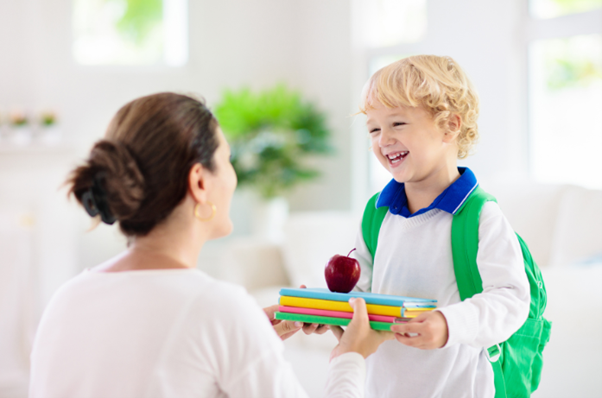
There’s something emotional about the season when summer slowly winds down and backpacks begin appearing in store windows again As moms, we often find ourselves asking, when do kids go back to school, and the answer often feels bigger than just a date on the calendar. It’s the return of routines, early mornings, packed lunches, sleepy cuddles before bedtime, and all the little emotions our children carry into a new school year.
For some kids, school reopening feels exciting. For others, it can bring nervousness, clinginess, or tears at bedtime. And for parents? It’s usually a mix of relief, worry, and the hope that this year will feel smoother and happier.
At Little One Haven, we believe preparing for school isn’t only about supplies and uniforms. It’s about helping our children feel emotionally safe, confident, rested, and loved as they step into a new season.
So if you’re wondering how to make the back-to-school transition easier for your child, and for yourself too, here are gentle, practical, mom-tested tips that truly help.
When Do Kids Go Back to School? Understanding the Transition
The timing of school reopening depends on where you live, but most schools reopen between late summer and early fall. While parents often focus on schedules and shopping lists, children experience this transition very differently.
For young kids especially, going back to school can feel like a huge emotional shift. Summer days are usually slower, more relaxed, and filled with family time. Supporting your child’s child development during this transition can help them adjust more confidently. Suddenly, they’re expected to wake up early, follow routines, meet teachers, and spend long hours away from home again.
That’s why preparing early matters.
Instead of waiting until the night before school starts, easing children into the transition over a few weeks can make a world of difference. Small steps create emotional comfort and help children feel more secure.
Why Back-to-School Season Can Feel Emotional for Kids
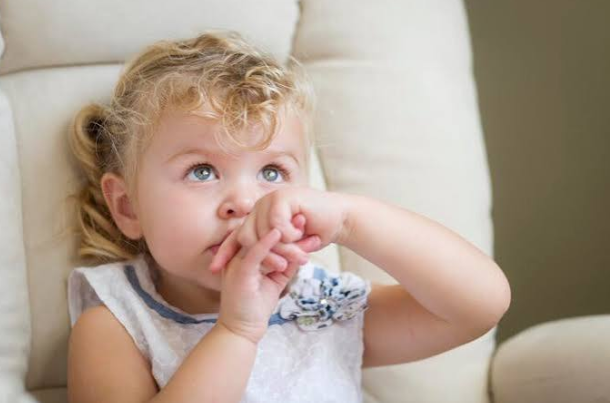
Many parents are surprised when their usually cheerful child suddenly becomes moody, anxious, or extra clingy before school starts.
The truth is, children often struggle with transitions more than adults realize.
Even happy changes can feel overwhelming.
A new classroom, different teachers, unfamiliar classmates, academic pressure, and changed routines can all trigger big feelings. Some children express this openly, while others may complain of stomach aches, trouble sleeping, or irritability.
Child-focused school transition guidance from KidsHealth also explains that back-to-school changes can bring emotional ups and downs for many children, especially after long breaks or routine changes.
This is especially common with younger children or kids starting a new school year after a long break.
The good news? A positive parenting approach helps children feel grounded.
Sometimes the best thing we can do is simply say:
“It’s okay to feel nervous.New beginnings can feel big. I’m here with you.”
Those simple words matter more than we think.
Back to School Tips for Parents That Truly Help
Start Adjusting Routines Early
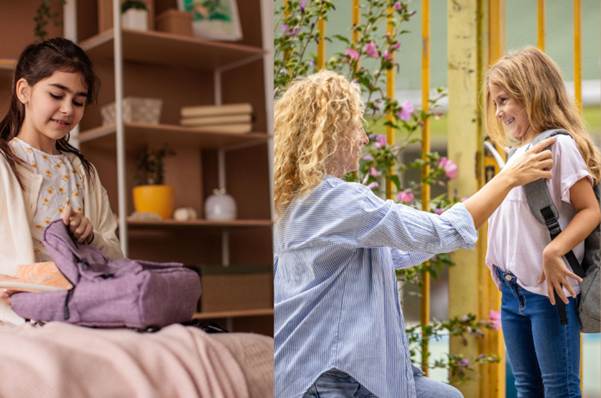
One of the hardest parts of going back to school is changing sleep schedules again. After relaxed summer nights, early mornings can feel tiring for children.
A couple of weeks before school starts, slowly move bedtime earlier by 15–20 minutes each night. Wake your child a little earlier in the mornings too. Small changes feel much easier than suddenly changing everything overnight.
You can also start practicing simple school habits again:
- Getting dressed on time
- Eating breakfast earlier
- Packing backpacks at night
- Reducing screen time before bed
Children usually feel calmer when their days become more predictable.
Talk Positively About School
Kids often pick up on our feelings without us realizing it. If we sound stressed about school mornings or homework, they may start feeling nervous too.
Try talking about school in a warm and encouraging way. Simple words can help children feel excited and confident.
You might say:
- “You’re going to have so many fun experiences.”
- “I can’t wait to hear about your new class.”
- “You’re growing up so beautifully.”
At the same time, let children express their feelings freely. Avoid saying things like “Don’t cry” or “Be brave.”
Sometimes the most comforting words are simply:
“It’s okay to feel nervous. I’m here with you.”
How to Prepare Child for School Emotionally
Listen More Than You Talk
As parents, our first instinct is usually to fix our child’s worries right away. But sometimes children don’t need immediate answers, they simply need someone who will quietly listen.
Before school starts, many kids carry little fears in their hearts. They may ask things like:
- “What if nobody wants to play with me?”
- “What if my teacher is strict?”
- “What if I miss you during the day?”
Instead of rushing to say “Everything will be fine,” pause for a moment and let them talk. A gentle response like, “That sounds scary, sweetheart. Tell me more,” can make a child feel safe and understood.
When children feel heard instead of dismissed, their worries often begin to soften naturally. Sometimes just knowing that mom is listening is enough to comfort them.
Practice Separation in Gentle Ways
For some children, being away from parents during school hours can feel overwhelming at first. That’s completely normal, especially after spending lots of time together during holidays or summer break.
Small moments of separation before school starts can help build confidence slowly and gently.
You can try:
- Short visits with grandparents
- Playdates without staying nearby
- Independent play in another room
- Leaving them briefly with a trusted caregiver
These little experiences help children learn something very important:
Mom always comes back.
That feeling of emotional security gives children the confidence to step into school with a little more courage each day.
Creating a School Routine for Kids That Feels Calm
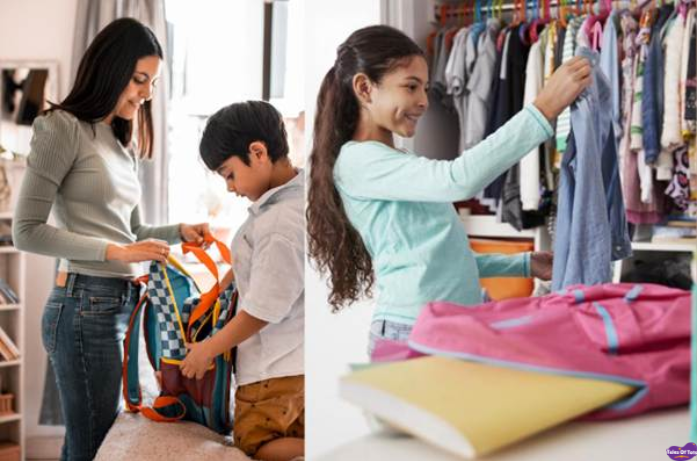
A calm routine can make such a big difference during the busy back-to-school season. When mornings feel rushed and stressful, children often become cranky, emotional, or overwhelmed. But when the day starts peacefully, kids usually feel more relaxed and cooperative too.
The goal isn’t to create a perfect routine. It’s simply to create consistency that helps everyone feel calmer.
Keep Mornings Simple
One thing many parents notice is that too many choices in the morning can quickly overwhelm children. Something as small as choosing clothes or searching for missing shoes can suddenly turn into stress before the day even begins.
That’s why preparing a few things the night before helps so much.
Simple tasks like:
- Laying out clothes
- Packing lunches
- Filling water bottles
- Organizing homework
- Keeping shoes near the door
can make mornings feel smoother and less chaotic.
Honestly, even giving yourself an extra 10 quiet minutes in the morning can completely change the mood in the house. Children feel calmer when parents feel calmer too.
Use Visual Routines for Younger Kids
Younger children often respond really well to visual routines because they can actually see what comes next. It helps them feel more confident and independent throughout the morning.
You can make a simple routine chart with pictures or drawings showing:
- Wake up
- Brush teeth
- Get dressed
- Eat breakfast
- Pack backpack
- Put on shoes
Children love being able to follow along on their own. It gives them a little sense of responsibility and accomplishment.
And honestly, it also saves parents from repeating the same reminders over and over every morning.
Back to School Anxiety in Children: What Parents Should Know
Back-to-school anxiety is more common than many parents realize. Even children who normally enjoy school can suddenly become emotional or nervous as the first day gets closer.
Sometimes those feelings show up in small ways. Your child may:
- Have trouble sleeping
- Become extra clingy
- Cry more easily
- Seem irritable or moody
- Complain about stomach aches or headaches
As parents, it’s important to remember that these emotions are real. Children often don’t fully understand their feelings yet, so their worries come out through behavior instead of words.
What Helps Most?
When children feel anxious, they don’t need perfection or pressure to “be brave.” More than anything, they need emotional safety.
Kids usually feel calmer when they know they are:
- Heard
- Supported
- Prepared
- Close to their parents emotionally
Sometimes the smallest gestures bring the biggest comfort during school days.
Simple things like:
- A tiny family photo inside the backpack
- A sweet handwritten lunchbox note
- A matching bracelet between parent and child
- A special goodbye hug or handshake
can help children feel connected to home throughout the day.
These little moments may seem small to adults, but to a child, they can feel incredibly comforting and reassuring.
A Gentle School Preparation Checklist for Parents
Getting ready for school doesn’t have to feel rushed or overwhelming. A little preparation ahead of time can make the entire transition feel calmer for both parents and children. Small steps taken over a few days often help kids feel more secure and confident before the first day arrives.
Here’s a simple and gentle school preparation checklist that many moms find helpful.
A Week Before School
About a week before school starts, begin easing your child back into a routine little by little. This helps avoid last-minute stress and gives children time to adjust emotionally too.
Try to:
- Gradually move bedtime earlier
- Organize school supplies together
- Wash uniforms and school clothes
- Label backpacks, bottles, and lunch boxes
- Speak positively about the new school year
- Cut back on excessive screen time before bed
These small preparations create a sense of readiness and comfort for children.
A Few Days Before School
As the first day gets closer, focus on helping your child feel familiar with the new routine.
You can:
- Visit the school if possible
- Meet the teacher ahead of time
- Practice the drive or walk to school
- Let your child pick a small item like a pencil case or water bottle
- Start regular meal times again
These little moments help school feel less unfamiliar and much less scary.
The Night Before School
The evening before school should feel calm, not chaotic. Children often pick up on the energy around them, so creating a peaceful atmosphere really helps.
Try to:
- Pack backpacks early
- Lay out clothes for the morning
- Keep bedtime quiet and relaxing
- Read a comforting bedtime story together
- Avoid overstimulating activities or late-night screens
- Reassure your child gently before sleep
And most importantly, remind yourself to stay calm too.
Children borrow our emotional energy more than we realize. When parents feel steady and reassuring, children often feel safer and more confident stepping into a new school year.
Healthy School Sleep Routine Tips That Really Work
As parents, we sometimes underestimate how much sleep affects our children. But the truth is, a well-rested child usually feels happier, calmer, and more ready to handle school days.
Sleep plays a huge role in:
- Mood
- Learning
- Focus
- Emotional balance
- Physical health
When children don’t get enough rest, even simple school mornings can feel overwhelming. That’s why creating a healthy school sleep routine before classes begin can make such a big difference.
Create a Predictable Bedtime Routine
Children naturally feel safer and calmer when bedtime follows the same pattern every night. Simple routines help their minds and bodies recognize when it’s time to slow down and rest.
A peaceful evening routine might include:
- Warm bath time
- Changing into pajamas
- Brushing teeth
- Reading a bedtime story together
- Quiet cuddles before sleep
- Turning lights off at the same time each night
These small moments may seem ordinary, but they create comfort, security, and emotional connection for children after a busy day.
Consistency is what truly helps. When bedtime happens regularly, children usually fall asleep more easily and wake up feeling better rested for school.
Limit Screens Before Bed
Many children struggle to fall asleep after spending too much time on tablets, phones, or television before bed. The bright blue light from screens can make it harder for the brain to relax naturally.
Try turning screens off at least an hour before bedtime if possible. Instead, focus on quiet and calming activities that help children unwind gently.
Simple bedtime activities like:
- Reading books together
- Coloring quietly
- Listening to soft music
- Talking about the day
can help children feel relaxed and emotionally connected before sleep.
Honestly, these quiet bedtime moments often become some of the sweetest memories for both parents and children.
Top of Form
Bottom of Form
Back to School Transition Tips for Sensitive Kids
Some children naturally feel things more deeply than others, especially during big changes like going back to school. While some kids adjust quickly, sensitive children may need extra emotional support and reassurance during the transition.
They can easily feel overwhelmed by:
- Loud classrooms
- Busy social situations
- New environments
- Being away from parents
- Sudden changes in routine
And honestly, that doesn’t mean anything is wrong with them.
Sensitive children are not “too emotional” or “too shy.” They simply experience the world in a deeper and more intense way. These children often notice little details, feel emotions strongly, and need more time to adjust to unfamiliar situations.
Help Sensitive Kids Feel Safe
The best way to support sensitive children is by helping school feel familiar and emotionally safe before the first day arrives.
Small gentle steps can really help, such as:
- Visiting the school ahead of time
- Looking at classroom or teacher photos together
- Talking through what the school day may look like
- Practicing simple social situations at home
- Packing a familiar comfort item in their bag
These little preparations can reduce fear because children know what to expect.
Most importantly, try not to shame emotional reactions. If your child cries, feels nervous, or needs extra reassurance, it doesn’t mean they are weak.
Children build confidence slowly through love, patience, and support, not through criticism or pressure. Sometimes simply knowing that a parent understands their feelings gives them the courage to face something new.
Kids School Reopening Guide for Parents of Younger Children
For preschoolers and kindergarteners, going back to school can feel like a very big step. For many little ones, it may be the first time spending several hours away from home and parents. Even when children seem excited, those first days can still bring lots of emotions.
As parents, it’s completely normal to feel emotional too. Watching your little child walk into a classroom for the first time is a milestone that touches the heart in such a special way.
Keep Goodbyes Short and Confident
One thing many teachers and parents learn quickly is that long emotional goodbyes usually make separation harder for children.
Instead of staying too long, try to keep your goodbye calm, loving, and confident.
A simple routine often works best:
- Give a warm hug
- Smile reassuringly
- Say a short goodbye
- Leave confidently
Even if your child cries for a moment, try not to panic. Most young children settle down much faster once parents leave and classroom activities begin.
Children often look to us to decide whether a situation feels safe. When parents stay calm and confident, children slowly begin to feel safe too.
Celebrate Small Wins
The first few weeks of school are full of little achievements, even if they seem small to adults.
Celebrate moments like:
- Walking into class independently
- Saying hello to a new friend
- Trying school lunch
- Sharing with classmates
- Following simple routines
These small victories help children build confidence day by day.
Sometimes a few encouraging words from a parent mean everything to a child. Simple praise like, “I’m so proud of how hard you tried today,” can make them feel strong, capable, and excited to keep going.Top of Form
Remember: Every Child Adjusts Differently
Some kids run happily into school on day one.
Others need weeks to fully adjust.
Both are completely normal.
Avoid comparing your child to siblings, classmates, or social media expectations.
Children grow emotionally at different speeds.
Your child doesn’t need to be the bravest, smartest, or most outgoing child in the classroom.
They simply need loving support and a safe place to land after each school day.
That safe place is you.
Supporting Yourself as a Parent Too
Moms often focus so much on helping children adjust that we forget our own emotions matter too.
Back-to-school season can feel bittersweet.
Maybe you’re relieved for routine again.
Maybe you feel emotional watching your little one grow.
Maybe you’re exhausted just thinking about lunches, schedules, and busy mornings.
All those feelings are valid.
Give yourself grace during this transition too.
You don’t have to create perfect Pinterest mornings or flawless routines.
Children remember warmth far more than perfection.
They remember:
- Being hugged
- Feeling understood
- Hearing encouraging words
- Knowing home feels safe
That matters most.
FAQs About Kids Going Back to School
1. When do kids usually go back to school?
Most schools reopen between late summer and early fall, depending on the region and school calendar.
2. How can I prepare my child emotionally for school?
Gentle conversations, routines, reassurance, and listening to their feelings can help children feel emotionally prepared.
3. What causes back-to-school anxiety in children?
New routines, separation, social pressure, and unfamiliar environments can all trigger anxiety.
4. How can I make school mornings less stressful?
Preparing the night before and following consistent routines can help mornings feel calmer.
5. What if my child cries before school?
This is very common, especially for younger children. Staying calm and supportive usually helps children adjust over time.
Final Thoughts
If you’ve been wondering when do kids go back to school and how to make the transition easier, remember this:
Preparing children for school isn’t only about supplies, schedules, and routines.
It’s about helping them feel emotionally secure.
A calm bedtime.
A reassuring hug.
A patient conversation.
A loving goodbye.
These small moments quietly build confidence in our children.
Some mornings may still feel rushed.
Some tears may still happen.
Some days may feel messy.
That’s okay.
You are not failing.
You are guiding your child through one of life’s many transitions with love, patience, and care, and that already makes you an amazing parent.
From one caring mom to another, take a deep breath.
You and your little one will settle into this new season together.
For more gentle parenting tips, emotional support, and real-life motherhood advice, visit Tales of Tots and explore more helpful resources created with love for parents and little ones.