
As a mom, one of the most common things we quietly worry about is how much our baby is eating. One day they nibble just a little, and the next day, it suddenly feels like their hunger has doubled overnight. This baby appetite increase can feel surprising, confusing, and sometimes even a little overwhelming. You may wonder, “Is this normal?” or “Am I feeding too much?”
Take a deep breath, you’re not alone in this. Many parents go through this phase, and in most cases, it’s a beautiful sign of growth and development. Let’s walk through this together in a calm, reassuring way so you can understand what your baby needs and feel confident about how to respond.
Understanding Baby Appetite Increase
A baby appetite increase simply means your little one is asking for more food or milk than usual. This can happen suddenly and may last for a few days or even weeks.
Babies grow rapidly, especially in the first year, and their bodies need extra nourishment during these growth phases. What may feel like “too much” is often just your baby listening to their natural hunger cues.
As moms, we sometimes try to measure everything, but babies don’t follow strict rules. They grow in spurts, not in straight lines.
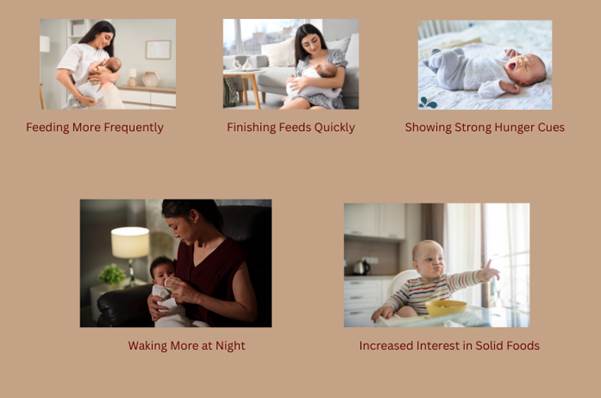
Signs Your Baby’s Appetite Is Increasing
As a mom, you start noticing the smallest changes in your baby, and when their appetite begins to grow, the signs often show up in simple, everyday moments. It may not happen all at once, but gradually you’ll feel that your baby is asking for just a little more than before.
1. Feeding More Frequently
One of the first things you might notice is how often your baby wants to eat. If they were comfortably going 3 hours between feeds, suddenly they may seem hungry again much sooner, sometimes even within 1.5 to 2 hours. It can feel like you’re feeding all day, but this is usually your baby’s way of keeping up with their growing body.
2. Finishing Feeds Quickly
You may also see your baby feeding with more eagerness. Bottles get emptied faster, or breastfeeding sessions feel more active and focused. Even after a full feed, your baby might still seem like they could take a little more, which can leave you wondering if they’re truly full.
3. Showing Strong Hunger Cues
Babies are very good at communicating their needs in their own little ways. During this phase, those hunger signals can become more noticeable. You might see them turning their head toward the breast or bottle (rooting), sucking on their hands more often, or getting fussy, but calming down quickly once they’re fed. These are all gentle signs that their appetite is growing.
4. Waking More at Night
Just when you thought sleep was improving, your baby might start waking up more often at night asking to feed. It can feel tiring, especially when you’re already exhausted, but this phase is often linked to growth and increased hunger. The good news is, it usually doesn’t last forever.
5. Increased Interest in Solid Foods
If your baby has started solids, you might notice a new kind of excitement during mealtimes. They may watch you eat more closely, open their mouth eagerly, or show curiosity toward different foods. It’s a sweet and encouraging sign that their appetite, and their interest in food, is naturally developing.
Every baby is different, but these little changes are often your baby’s way of saying, “I’m growing, and I need a little more.” And as a mom, simply noticing and responding to these cues is already the best thing you can do.
Why Does Baby Appetite Increase Happen?
As moms, we often feel more at ease when we understand why something is happening with our baby. When you notice your little one suddenly wanting to eat more, it’s not random, it’s their body quietly doing something important behind the scenes.
Growth Spurts
The most common reason for an increase in appetite is a growth spurt. Babies grow incredibly fast in their first year, and these changes don’t happen slowly, they come in bursts. During these phases, your baby’s body needs extra energy, which naturally makes them feel hungrier than usual.
You might notice these growth spurts around:
- 2–3 weeks
- 6 weeks
- 3 months
- 6 months
Around these times, your baby may feed more often, seem a little fussier, or want extra comfort. It can feel intense for a few days, almost like everything has suddenly changed, but it’s actually a beautiful sign that your baby is developing just as they should.
During a growth spurt, their tiny body is working hard, building muscles, strengthening bones, and supporting brain development. All of that requires more nourishment, so their increased hunger is simply their natural way of asking for what they need.
It may feel like a lot in the moment, especially when feeds become more frequent, but these phases usually pass quickly. Soon enough, your baby settles back into their usual routine, just a little bigger and a little stronger than before.
Developmental Milestones
As your baby grows, every new skill they learn takes energy. Whether it’s rolling over for the first time, sitting without support, or starting to crawl, these little achievements are actually big milestones for their body. You might notice that during these phases, your baby seems hungrier than usual. That’s because they’re using more energy throughout the day, and their body is asking for extra fuel to keep up with all this exciting progress.
Teething Changes
Teething affects every baby differently. Some may eat less, while others want to feed more because it feels comforting on their sore gums.
Increased Physical Activity
A more active baby naturally needs more energy. As they move, play, and explore, their appetite increases to support their growing body.
Emotional Comfort
Sometimes, feeding is not just about hunger. Babies also seek comfort, closeness, and reassurance, and feeding helps them feel safe and calm.
When to Worry About Baby Appetite Increase?
Most of the time, a baby’s increased appetite is completely normal and actually a healthy sign of growth. It usually means your little one is developing just the way they should.
At the same time, as moms, we naturally notice even the smallest changes, and that instinct is something to trust, not ignore.This baby appetite increase phase doesn’t last forever
It’s Likely Normal If:
- Your baby is active, playful, and alert
- They are gaining weight steadily over time
- They seem calm and satisfied after feeding
These are all reassuring signs that your baby is simply growing and needs a little extra nourishment.
You May Want to Check with a Doctor If:
- Your baby’s appetite suddenly drops after increasing
- They seem unusually fussy, weak, or very sleepy
- You notice digestive issues like vomiting or diarrhea
In these situations, it’s always okay to seek guidance. Sometimes, a little reassurance from a doctor can ease your mind.
Gentle reminder: You know your baby better than anyone else. If something doesn’t feel right, don’t hesitate to ask for help. It’s always better to feel sure and supported.
What Should You Do When Baby Appetite Increases?
When your baby shows a baby appetite increase, it can feel surprising, it can feel a little overwhelming, but this phase is usually simple to handle when you follow your baby’s lead. A few gentle adjustments can make things much easier for both of you.
1. Follow Your Baby’s Hunger Cues
Try not to rely too much on strict feeding schedules. Babies have their own natural rhythm, and they’re surprisingly good at telling us when they’re hungry. If your baby is showing signs like rooting, fussing, or sucking on their hands, it’s okay to feed them, even if it feels sooner than usual.
2. Offer Balanced Nutrition
If your baby has started solids, this is a great time to gently add variety. You can include soft fruits like banana or apple puree, mashed vegetables, and simple iron-rich foods like lentils or baby cereals. It’s not just about feeding more, it’s about nourishing their growing body with the right foods.
3. Keep Feeding Calm and Relaxed
Babies can feel our emotions more than we realize. If feeding time feels rushed or stressful, they may become unsettled too. Try to keep things calm and peaceful, even if feeds are happening more often. A relaxed environment can make feeding smoother and more enjoyable.
4. Stay Hydrated (For Breastfeeding Moms)
If you’re breastfeeding, your body naturally adjusts to meet your baby’s needs. Just make sure you’re taking care of yourself too, drink enough water, eat well, and rest when you can. A nourished mom supports a nourished baby.
5. Expect Temporary Changes
This phase may feel intense, especially if feeds are more frequent or sleep gets disturbed. But growth spurts don’t last forever. In a few days, your baby will likely settle back into a more familiar routine.
Just take it one feed at a time, you’re doing a wonderful job.
A Note About Appetite Boosters
Sometimes, when we start worrying about our baby’s eating habits, we come across things like aptivate syrup to increase appetite in babies. It’s completely natural to look for something that might help, especially when you just want to make sure your little one is getting enough.
But here’s a gentle, honest thought from one mom to another, most babies don’t actually need appetite stimulants. Changes in appetite are often a normal part of growth, and in many cases, they settle on their own with time.
Before thinking about using something like aptivate syrup to increase appetite in babies, it’s always a good idea to pause and take a simple, careful approach:
- Talk to your child’s doctor for proper guidance
- Try to understand what might be causing the change
- Focus on natural ways to support healthy feeding first
Your baby’s body already knows what it needs. With a little patience, trust, and care, they usually guide their own hunger in the most natural way.
Natural Ways to Support Healthy Appetite
Sometimes, the simplest and most natural habits can make a big difference in your baby’s eating patterns. You don’t need anything complicated, just a little consistency, patience, and a calm approach.
Create a Simple Routine
Babies feel more secure when they know what to expect. Having regular meal and snack times helps their body develop a natural hunger rhythm. It doesn’t have to be strict, just gentle and consistent.
Avoid Over-Snacking
It can be tempting to offer small bites throughout the day, especially if you’re worried your baby isn’t eating enough. But too many snacks can actually reduce their hunger during proper mealtimes. Giving a little gap between feeds helps them come to meals with a healthy appetite.
Let Baby Explore Food
It might get messy, but that’s part of the learning. When babies touch, squish, and play with food, they become more comfortable with it. This playful exploration helps them build a positive and natural connection with eating.
Eat Together as a Family
Babies love to copy what they see. When they watch you eat, they often become more interested in their own food. Even simple family meals can gently encourage better eating habits.
Keep Distractions Away
Try to keep feeding time calm and focused. Turning off screens and reducing distractions helps your baby pay attention to their hunger and fullness cues. It also makes mealtime feel more peaceful and connected.
Emotional Side of Feeding (For Moms)
Let’s be honest for a moment, mama. Feeding your baby is never just about food, it’s filled with emotions, questions, and quiet worries.
When your baby eats less, your heart wonders if something is wrong.
And when your baby suddenly eats more, you start questioning that too.
That’s motherhood, it comes with love so deep that even small changes feel big.
But here’s something gentle to hold onto: this isn’t about getting everything perfectly right. It’s about caring, noticing, and being there for your baby. When your little one’s appetite increases, it doesn’t mean you’ve done something wrong. It simply means your baby is growing, changing, and trusting you to meet their needs.
And you are doing exactly that.
Even on the days when you feel unsure, tired, or a little overwhelmed, your presence, your care, and your love are more than enough for your baby.
When Appetite Increase Feels Overwhelming
There are moments when all the extra feeding, especially during long, sleepy nights, can feel really exhausting. You might feel like you’re constantly feeding, barely getting time to rest, and wondering if this phase will ever slow down.
In those moments, pause and be gentle with yourself.
It’s okay to feel tired.
It’s okay to ask for help from your partner or family.
It’s okay to take small breaks whenever you can.
You don’t have to do everything perfectly. Your baby doesn’t need perfection, they just need your love, your presence, and your care. And even on the hardest days, you are already giving them exactly that.
FAQs
1. Is baby appetite increase normal?
Yes, it is completely normal and often linked to growth spurts and development.
2. When does baby appetite increase happen?
It usually happens during growth spurts, especially around 2–3 weeks, 6 weeks, 3 months, and 6 months.
3. Should I feed my baby more during appetite increase?
Yes, it’s best to follow your baby’s hunger cues and feed on demand.
4. Can teething cause increased appetite?
Yes, some babies feed more for comfort during teething.
5. When should I worry about appetite changes?
If your baby suddenly refuses food, seems weak, or shows digestive issues, consult a doctor.
Gentle Conclusion
Watching your baby go through a baby appetite increase can feel like a mix of surprise, concern, and curiosity. But more often than not, it’s a quiet sign that something beautiful is happening, your little one is growing.
Trust your baby.
Trust your instincts.
Once you understand baby appetite increase, it becomes easier to trust your baby’s natural hunger patterns.
And most importantly, be kind to yourself.
And most importantly, be kind to yourself.
Motherhood is not about getting everything perfectly right. It’s about showing up, learning along the way, and loving deeply, and you’re already doing that so well.
So the next time your baby reaches for just one more feed, smile softly and remember
this is growth, this is nourishment, and this is love in its purest form.
If this guide gave you comfort and clarity, you can explore more simple, real, and heartwarming parenting tips here: Tales of Tots
Trusted Baby Feeding & Appetite Resources