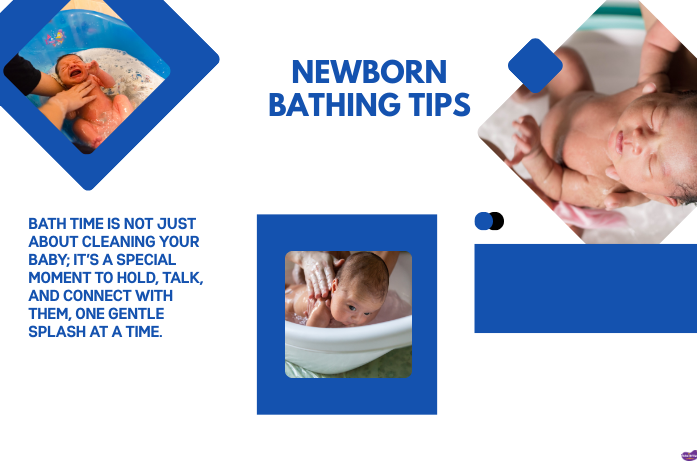
Bathing your newborn is more than just a way to keep them clean, it’s a special, intimate moment that can strengthen the bond between you and your baby. However, for new parents, it can also feel a little intimidating or overwhelming. That’s why following the right newborn bathing tips can help make bath time calm, safe, and enjoyable.
With such a tiny and delicate little one, many questions naturally arise:
- When is the right time for your baby’s first bath?
- How do you care for their sensitive skin?
- What essential baby products do you really need?
Don’t worry, we’ve got you covered. In this article, we share simple, practical guidance to help you bathe your newborn safely and comfortably. With a few gentle tips and precautions, this experience can be as peaceful for you as it is soothing and enjoyable for your baby.
When Can You Start Giving Your Newborn a Bath?
One of the most important newborn bathing tips is knowing when to begin. Your baby’s first bath doesn’t happen immediately after birth, and that’s completely normal. Most doctors and hospitals recommend waiting until the umbilical cord stump falls off, which usually happens within the first 1 to 2 weeks of life.
In the meantime, you can give your baby a sponge bath to keep them clean. This is safe and helps protect the stump from getting wet.
Once the stump falls off, you can start giving your baby a full bath in a baby tub. Start slowly and let your little one get comfortable with the water, always making sure they feel safe and cozy.
Remember, bath time isn’t just about keeping your baby clean, it’s also a beautiful moment for bonding, love, and gentle care between you and your little one.
According to the NHS, it’s best to wait until the umbilical cord stump falls off before giving your baby their first full bath. Until then, sponge baths are a safe and effective way to keep your baby clean.
Essential Bathing Supplies for Your Newborn
Before you start, make sure you have everything within easy reach. This will make bath time smoother for both you and your baby, and help your little one feel safe and comfortable. Here are the essentials that will make the experience easier and more enjoyable:
- Baby Bathtub
A small, cushioned baby tub is perfect for newborns. It keeps your baby secure and helps prevent slipping in the water. - Mild Baby Soap and Shampoo
Choose a fragrance-free, tear-free baby soap or shampoo. It’s gentle on your baby’s delicate skin and makes bath time a pleasant experience. - Soft Washcloth or Sponge
A soft washcloth or sponge is ideal for gently cleaning your baby’s skin without causing irritation. - Towels
A hooded towel is great for wrapping your baby after a bath. The hood keeps their head warm and helps dry them quickly and comfortably. - Warm Water
Always ensure the water is warm, but not hot, around 98.6 to 100.4°F (37 to 38°C). Test it with your elbow or wrist to make sure it feels comfortable.
Remember, bath time isn’t just about keeping your baby clean, it’s also a special moment for bonding, love, and gentle care between you and your little one

How to Bathe Your Newborn: Step-by-Step
Following step-by-step newborn bathing tips can help boost confidence and ensure safety.
1. Prepare the Bathing Area
Make sure the space is safe and comfortable for your baby.
- Lay down a towel to provide a soft surface for your little one.
- Keep the room slightly warm so your baby doesn’t feel cold during the bath.
2. Fill the Baby Tub
Add about 2–3 inches of warm water to the baby tub. Always check the temperature, it should feel warm, not too hot or too cold. You can test it with your elbow or wrist.
3. Undress Your Baby
Take off your baby’s clothes down to the diaper. Keep the diaper on until you’re ready to clean that area, this helps prevent any little accidents.
4. Support Your Baby
Gently support your baby’s head and neck with one hand, and use your other hand to support their back and bottom. Always keep at least one hand on your baby to prevent slipping.
5. Clean Baby’s Face
Use a soft, damp washcloth or sponge to gently clean your baby’s face. Wipe the eyes, nose, and mouth carefully, always in a gentle downward motion.
6. Wash Baby’s Body
Using the washcloth or sponge, clean the body from the neck down. Pay attention to skin folds, under the arms, behind the ears, and around the neck. Use a very small amount of baby soap or shampoo to avoid drying out the skin.
7. Clean Baby’s Diaper Area
Once the body is clean, remove the diaper and gently clean the diaper area with a damp washcloth. Be gentle and thorough. For girls, always wipe front to back to prevent the spread of bacteria.
8. Rinse and Dry
Rinse off any soap or shampoo completely. Immediately wrap your baby in a soft towel, pat them dry, paying special attention to skin folds and hair.
Tip: Talk or softly hum to your baby during bath time. It helps calm them and makes this special bonding moment even more comforting for both of you.
Mayo Clinic advises that during the first few weeks, parents should use a soft washcloth and warm water for sponge baths to keep your baby safe and prevent the umbilical stump from getting wet.
Bathing Safety Tips for Newborns
Bath time isn’t just about getting your baby clean, it’s also a special moment to connect and bond. When you do it in a safe and comfortable way, your baby will feel happy and calm, and you’ll feel confident and relaxed.
A gentle touch, soothing words, and a little bit of fun are all it takes to make bath time something your baby actually enjoys.
Keep these newborn bathing tips in mind:
- Never Leave Your Baby Unattended
Never leave your baby alone in the bath, even for a moment. Always keep one hand on your little one to ensure they feel safe and secure. - Use the Right Water Temperature
Always check the water before placing your baby in the tub. Hot water can burn, so make sure it feels comfortably warm. Test it with your wrist or elbow to be sure it’s just right. - Keep Bath Time Short
Newborns get cold quickly, so keep baths brief, about 5 to 10 minutes is ideal. Focus on cleaning and comforting your baby, not on having a long bath. - Ensure the Baby Tub is Stable
Make sure the baby tub is on a firm, non-slippery surface. For extra safety, you can use a baby bath stand. Also, make sure the tub isn’t too deep so your newborn stays safe and comfortable. - Avoid Harsh Products
Skip bath oils or strong soaps. Stick to mild, hypoallergenic baby products to keep your newborn’s delicate skin soft and healthy.
After the Bath: What to Do Next
After bath time, it’s important to make sure your newborn feels warm, comfortable, and happy.
- Moisturize Your Baby’s Skin
After gently drying your baby, apply a soft, fragrance-free baby lotion or moisturizer. This keeps their delicate skin soft, hydrated, and healthy. - Dress Your Baby Comfortably
Once your baby is fully dry, dress them in soft, comfortable clothing. Make sure the clothes aren’t too tight and won’t irritate their sensitive skin. - Clean the Bathing Area
After each bath, thoroughly clean and dry the baby tub and surrounding area. This prevents mold and bacteria and keeps the space safe and ready for the next bath.
Tip: Talk softly or smile at your baby after the bath. These little gestures help build bonding, trust, and comfort between you and your little one.
When to Bathe Your Newborn
In the first few weeks, your baby doesn’t need a bath every day. Bathing every 2–3 days is usually enough, especially if your little one isn’t very messy. Too many baths can dry out their delicate skin.
During these early days, it’s best to stick to sponge baths until the umbilical cord stump has fallen off. Once the stump is gone, you can gradually start giving your baby a full bath in a baby tub.
Tip: Remember, bath time isn’t just about keeping your baby clean, it’s also a special moment for bonding and comfort between you and your little one.
FAQs: Newborn Bathing Tips
Q1: How often should I bathe my newborn?
In the first few weeks, bathing your newborn 2–3 times a week is enough. Daily baths can dry out their delicate skin.
Q2: Can I bathe my baby before the umbilical cord stump falls off?
Until the stump falls off, it’s best to give sponge baths only. This keeps the area dry and reduces the risk of infection.
Q3: What is the best time of day to bathe a newborn?
There’s no fixed rule. Many parents prefer evening baths as they help babies relax before sleep, but choose a time when your baby is calm and not hungry.
Q4: Do I need soap every time I bathe my baby?
No. Using mild baby soap 1–2 times a week is enough. On other days, warm water alone works well for cleaning.
Q5: What should I do if my baby cries during bath time?
Crying is common at first. Try keeping the room warm, speaking softly, and keeping bath time short. With time, most babies grow to enjoy it.
Final Thoughts
Bath time can be a relaxing and enjoyable experience for both you and your baby, but it’s important to approach it with care and preparation. By following these simple steps and safety tips, you’ll create a soothing and fun bath routine for your little one. Don’t forget to cherish these quiet moments of bonding with your newborn, they grow up fast!
At Tales of Tots, we’re here to provide helpful tips and support to guide you through every stage of your parenting journey.
Disclaimer
This article is for informational purposes only. For specific questions about your baby’s bath or skin care, consult your pediatrician for personalized advice.