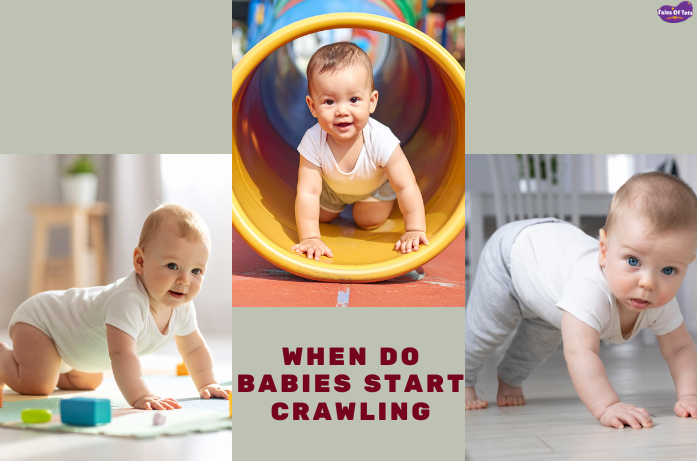
Watching your baby grow is one of the sweetest parts of parenthood. Every tiny movement, from those gentle little kicks to the first time they roll over, feels like a small celebration. And among all these milestones, one moment that parents eagerly look forward to is crawling.
That magical moment when your little one starts moving across the floor with curiosity sparkling in their eyes… it truly feels unforgettable.
But somewhere in between these happy moments, one common question naturally comes to mind:
when do babies start crawling?
Every child grows at their own pace, and every journey is beautifully unique, and that’s exactly what makes these early months so special.
So here’s a gentle, easy-to-read guide that helps you understand what’s typical, what’s completely normal, and when you can simply sit back, relax, and enjoy watching your baby explore the world in their own way.
Because in the end, these slow, sweet moments turn into the most precious memories of early parenthood.
When Do Babies Start Crawling? Typical Age Range
There’s no fixed age for when babies start crawling, every little one learns at their own comfortable pace. Some babies first practice balancing on their hands and knees, slowly building the confidence to move forward. Many start crawling early, while others take their time, and both are perfectly normal. Some little ones even skip crawling altogether and move straight to standing or walking, and that’s completely okay too.
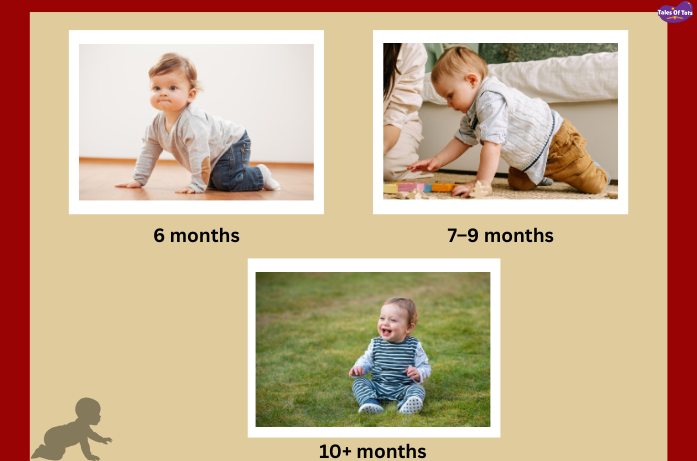
- 6 months: Around this age, many babies start balancing on their hands and knees and gently rocking back and forth. This is when babies crawl, taking their first little step toward crawling, helping them build strength, coordination, and the confidence to figure out how to move forward.
- 7–9 months: Most babies begin crawling during this stage, slowly turning their rocking and balancing practice into real movement. They start exploring their surroundings with more confidence, following toys, reaching out for familiar faces, and discovering that they can move wherever their curiosity takes them.
- 10+ months: It’s completely normal for some babies to start crawling later. Many little ones take their time building strength and confidence before they begin moving on their hands and knees. Around this age, babies often explore movement in their own unique ways, some crawl slowly, some try different styles, and some skip crawling altogether and move straight to standing or walking. All of these are perfectly okay.Some babies skip crawling altogether and go straight to standing or walking, and that’s perfectly fine too.
Signs Your Baby Is Getting Ready to Crawl
Before babies start crawling, they often give little hints that they’re getting ready. These small, exciting signs show that crawling is just around the corner, and your little one is ready to explore the world.
- Rolling over
- Sitting without support
- Rocking forward and backward on hands and knees
- Reaching for toys while on their tummy
- Pushing up on arms during tummy time
These are all great signs that when do babies start crawling is around the corner.
How to Support Your Baby’s Crawling Journey
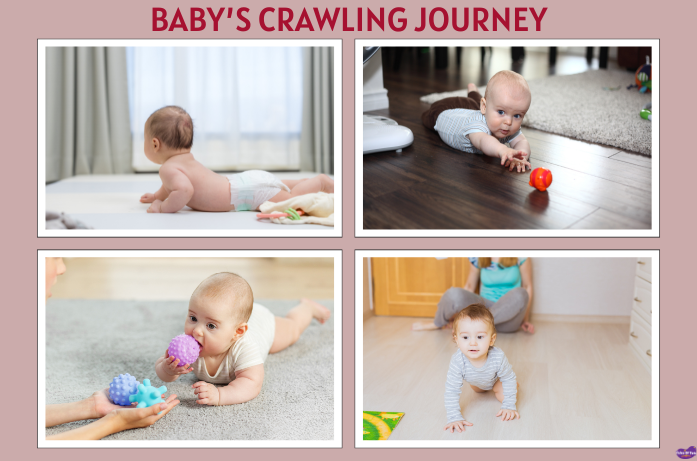
You don’t need to formally teach your baby to crawl, most babies figure it out on their own. But you can gently encourage them through simple, playful activities. These small, fun moments help your baby build strength, confidence, and curiosity, making the journey to crawling an enjoyable adventure for both of you.
Here’s how:
Give Plenty of Tummy Time
Letting your baby spend time on their tummy helps strengthen their neck, shoulders, and arms. It’s a simple activity that builds the muscles they’ll need for crawling while keeping playtime fun and engaging.
Place Toys Just Slightly Out of Reach
Keeping toys just a little away encourages your baby to stretch, reach, and move forward. It turns playtime into gentle practice, helping them build the confidence and skills they need to start crawling.
Use a Soft, Safe Play Area
Setting up a soft, non-slippery mat gives your baby a safe space to practice crawling. It helps them grip better, explore confidently, and enjoy moving around without any risk of slipping or bumps.
Crawl Together
If you’re wondering how to teach baby to crawl, babies love imitating their parents, so getting down on the floor and crawling alongside them turns practice into a fun, playful game. It encourages movement, builds connection, and makes learning to crawl an enjoyable experience for both of you.

Every Baby Crawls Differently
The world of a crawling baby alive with curiosity looks different for every child, and that’s completely normal. Each little one finds their own unique way to explore, and all these styles are perfectly okay.
Your little one may try:
- Classic hands-and-knees crawl
This is the most common crawling style, where your baby moves forward using their hands and knees. It helps strengthen their arms, shoulders, and legs while also building balance and coordination. - Army crawl
In this style, babies move forward while staying mostly on their stomachs, using their arms to pull themselves along. It helps strengthen their upper body and core muscles and is often an early stage before they master the hands-and-knees crawl. - Scooting on their bottom
Some babies move forward by sitting and pushing themselves along with their legs. This style helps develop leg strength and coordination, and it’s a perfectly normal way for babies to explore before or instead of crawling on hands and knees. - Rolling to move around
Some babies move by rolling from one side to the other to reach toys or explore their surroundings. This helps develop their core strength and coordination and is a completely normal way to start learning movement. - Bear crawl (hands and feet)
In this style, babies move on their hands and feet, keeping their bottom raised. It helps strengthen the arms, legs, and core, and improves balance and coordination. Many babies use this as a playful way to practice moving before mastering a full hands-and-knees crawl.
All styles are normal unless your pediatrician suggests otherwise.
AAP provides expert information on baby movement patterns, early motor development, floor play, tummy time, and crawling variations.
When Should Babies Crawl? When to Talk to a Doctor
Check with your pediatrician if your baby:
- Isn’t showing interest in movement or trying to explore by 10–11 months
- Has very stiff or very floppy muscles, making it hard to sit, roll, or crawl
- Never tries to roll over, sit up, or reach for toys
- Shows little or no effort to use their body or move toward objects on their own
Most of the time, a little extra support, tummy time, and playful practice are all that’s needed to help your baby gain strength and confidence.
For parents who feel unsure about what to ask during checkups, you can also read our gentle guide on baby’s first doctor visit to feel more prepared before talking to your pediatrician.
FAQs: When Do Babies Start Crawling?
1. What age do babies usually start crawling?
Most babies start crawling between 6–10 months, but earlier or later is completely normal.
2. Is it normal if my baby doesn’t crawl at all?
Yes. Some babies skip crawling entirely and move straight to standing or walking. Every baby’s path is unique.
3. How can I help my baby learn to crawl?
Give plenty of tummy time, place toys just out of reach, and use a soft play mat to encourage movement.
4. What if my baby only army crawls or scoots?
That’s perfectly fine! Babies explore in many ways, army crawl, scooting, rolling, bear crawl, all are normal styles of movement.
5. When should I talk to a doctor?
If your baby shows no interest in moving by 10–11 months, has very stiff/floppy muscles, or isn’t rolling or trying to sit, check with your pediatrician.
Final Thoughts: Let Your Baby Lead Their Crawling Journey
Crawling isn’t a race. Some babies are early adventurers, and some take their time to explore the world in their own way. What matters most is that your baby feels safe, supported, and loved through every little milestone.
So grab your camera, the adorable crawling moment is on its way soon!
Visit Tales of Tots for gentle, real-life parenting guidance that supports you through every little milestone with warmth, simplicity, and zero overwhelm.
Disclaimer
This information is for general guidance only. Every baby develops differently. If you ever feel unsure about your baby’s movement, development, or milestones, consult your pediatrician for personalized medical advice.