
If you are reading this after another broken night, perhaps with a sleeping baby in your arms and a cold cup of tea beside you, you may be wondering: when do babies sleep 7pm to 7am? It is one of those questions almost every tired parent asks eventually.
A twelve-hour night can sound like a dream when your baby is waking every few hours. And when another parent casually mentions that their baby “sleeps through,” it is very easy to wonder whether you are doing something wrong.
But babies are wonderfully individual. Some naturally settle into longer stretches quite early, while others need more time, reassurance, feeds, and cuddles during the night.
There isn’t one magical age when every baby suddenly starts sleeping from 7pm until 7am. Sleep develops gradually, and understanding what is realistic at each stage can make those exhausting nights feel a little less worrying.

When Do Babies Sleep 7pm to 7am?
Many babies are not ready for a consistent 7pm-to-7am schedule during the early months. Newborns need frequent feeding and have tiny stomachs, and their developing body clocks do not yet understand the difference between daytime and nighttime in the way an older baby’s does.
As babies grow, their nighttime sleep often becomes more organised. Some begin giving their parents longer stretches between feeds, and later, those stretches may develop into most or all of the night.
A full twelve-hour night, however, is not a milestone every baby reaches at the same age. Even babies who are capable of sleeping for long periods may occasionally wake because of hunger, teething, illness, developmental changes, or simply because they need comfort.
It also helps to remember that “7pm to 7am” is just one schedule. Your baby might naturally prefer 7:30pm to 6:30am or 8pm to 7am. A healthy sleep pattern does not have to match an exact clock.
What About Newborns?
Newborn sleep can feel completely unpredictable.
Your little one may sleep peacefully for a couple of hours, wake for milk, drift back to sleep, and repeat the pattern around the clock. This is normal during the newborn stage because feeding and growth take priority over a neat nighttime schedule.
At this age, rather than aiming for twelve uninterrupted hours, concentrate on feeding your baby appropriately, responding to their needs, and following safe sleep recommendations.
Those tiny nighttime feeds can be exhausting, but this stage does change.
Around 3 to 6 Months
During these months, you may begin noticing a clearer difference between daytime naps and nighttime sleep.
Some babies start sleeping longer stretches overnight, although plenty still wake for feeds. A simple and predictable bedtime routine can become particularly useful now.
You might notice your baby becoming sleepy around a similar time each evening. Following those natural cues rather than forcing an exact bedtime can help bedtime feel calmer for everyone.
Around 6 to 12 Months
For many families, this is when nighttime sleep begins feeling more settled.
Some babies can manage longer stretches without waking, while others continue waking once or several times. Both situations can occur in otherwise healthy babies.
By this stage, a bedtime somewhere around the early evening may work well for many families. Over time, nighttime sleep can gradually lengthen toward morning.
If you are unsure whether your baby still needs overnight feeds, especially if there are concerns about growth or feeding, speak with your baby’s healthcare professional before deliberately reducing them.

What Age Do Babies Sleep Through the Night?
Parents often ask what age do babies sleep through the night, but there is a small catch: “through the night” does not necessarily mean twelve completely uninterrupted hours.
In baby sleep discussions, sleeping through the night may refer to a long continuous stretch rather than sleeping from evening until morning without stirring.
Babies also naturally move through different sleep cycles during the night. Just like adults, they may briefly stir between them. The difference is that some babies settle themselves again quickly, while others call out for a parent.
So if your baby sleeps for a lovely long stretch but occasionally wakes for reassurance, it does not automatically mean something is wrong with their sleep.
Sleep is a developmental process, not a test your baby has to pass by a particular birthday.
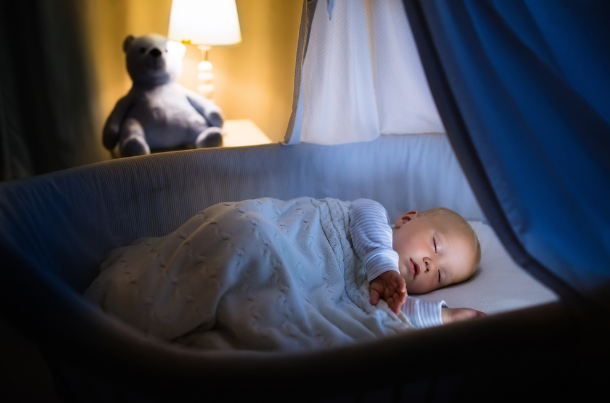
When Do Babies Sleep Longer at Night?
If you are wondering when do babies sleep longer, you may first notice small improvements rather than one dramatic change.
Perhaps your baby used to wake every two hours and suddenly gives you a four-hour stretch. A few weeks later, that might become five or six hours.
Those little improvements count.
As your baby’s circadian rhythm develops, nighttime gradually becomes associated with longer sleep and daytime with feeding, playing, interaction, and naps.
Their ability to consume enough milk or food during the daytime also changes as they grow, although feeding needs remain individual.
There may still be temporary setbacks. A baby who has been sleeping beautifully might suddenly start waking frequently again during teething, sickness, travel, a change in routine, or a period of rapid development.
It can feel frustrating, especially after you thought you had finally “figured out” sleep. Usually, though, one difficult week does not erase all the progress your baby has made.
How to Help Baby Sleep Through the Night
When parents search for how to help baby sleep through the night, it is tempting to look for one perfect trick.
Unfortunately, babies rarely work that way!
What can help is creating gentle, predictable habits that tell your baby’s brain and body that nighttime is approaching.
Create a Simple Bedtime Routine
A bedtime routine does not need to be elaborate.
In fact, simple routines are often easier to maintain. You might give your baby a bath, put on their sleepwear, dim the lights, feed them, read a tiny story or sing the same lullaby each evening.
If your baby seems tired but still resists settling, you may also find Why Do Babies Fight Sleep? helpful for understanding overtiredness, overstimulation, and other common reasons babies struggle to fall asleep.
The exact activities matter less than their predictability.
When similar things happen in a similar order each night, your baby gradually begins recognising those signals: It’s almost time to sleep.
And on evenings when life gets messy? Do not worry. Missing the routine occasionally will not ruin your baby’s sleep.
Help Your Baby Learn Day From Night
Newborns are not born understanding that nighttime is meant for long stretches of sleep.
You can gently encourage that distinction by making daytime feel bright and active. Open the curtains, talk to your baby, enjoy cuddles and play, and allow normal household sounds around them.
At night, keep things quieter and calmer.
During nighttime feeds or nappy changes, use low lighting and keep stimulation minimal when practical. This helps reinforce the message that nighttime is for resting rather than starting the day.
Watch Your Baby’s Sleepy Signals
Sometimes we become so focused on the clock that we miss the little person in front of us.
Your baby’s behaviour can give you useful clues about when they are ready for sleep. Depending on the baby, signs may include yawning, becoming quieter, rubbing their eyes, looking away from stimulation, or becoming increasingly fussy.
Waiting until a baby is extremely overtired can sometimes make settling harder.
Rather than chasing a perfect bedtime every evening, try combining an age-appropriate routine with your baby’s individual signals.
Does an Earlier Bedtime Help?
Parents sometimes assume that keeping a baby awake later will make them sleep later the following morning.
It sounds logical, but babies do not always follow adult logic.
An overtired baby may actually have a harder time settling and may wake more frequently. If your little one regularly becomes exhausted and upset late in the evening, experimenting with a slightly earlier bedtime may help.
Move bedtime gradually rather than suddenly shifting it by hours. Even adjusting it by 15 or 20 minutes for several evenings can help you see how your baby responds.
The goal is not specifically to achieve 7pm because another family does.
The goal is finding a bedtime at which your baby can settle comfortably and get the sleep they need.
What If My Baby Still Wakes During the Night?
This is where I want to reassure you: nighttime waking does not mean you have failed.
Babies wake for many reasons. Sometimes they are hungry. Sometimes they are uncomfortable, teething, too warm or cold, going through a developmental phase, or simply seeking the reassurance of someone familiar.
And sometimes there is no obvious explanation at all.
If when does baby sleep through the night has become the question running through your mind at every 2am wake-up, remember that your baby’s current sleep pattern is not necessarily their permanent one.
Respond to your baby in a way that feels appropriate for their age, feeding needs, and your family’s circumstances.
You do not need to compare your night with the highlight reel of another family’s sleep.
Why Did My Baby Suddenly Stop Sleeping Through?
This can be especially confusing.
You finally enjoy several good nights, start feeling human again, and then suddenly your baby is waking at midnight, 2am, 4am and 5:30am.
Changes in sleep can happen alongside developmental milestones. Your baby may be practising new physical skills, becoming more aware of your presence and absence, or experiencing changes to their nap needs.
Teething, illness, hunger, travel, unfamiliar surroundings and changes to the family routine can also disturb sleep temporarily.
Before completely changing a routine that previously worked, consider whether something temporary may be affecting your little one.
Give them a little time and extra reassurance while keeping the familiar parts of bedtime as consistent as reasonably possible.
Practical Tips for More Peaceful Nights
You cannot control every wake-up, but you can create conditions that support comfortable sleep.
Try to keep your baby’s bedtime routine reasonably consistent and make nighttime interactions calm and boring. During the day, give your little one plenty of opportunities for feeding, age-appropriate activity and connection.
Keep the sleep environment comfortable and follow current safe-sleep guidance. Babies should be placed on their backs for sleep on a firm, flat sleep surface designed for infants, without loose bedding, pillows, bumpers, or soft objects in the sleep space.
And pay attention to patterns rather than individual nights.
One terrible night does not mean your routine has stopped working, just as one twelve-hour night does not guarantee every night will suddenly look the same.
Looking at sleep across a week or two usually gives you a much clearer picture.
Should You Wake a Sleeping Baby?
There is an old saying: “Never wake a sleeping baby.”
Every exhausted parent understands why!
But there are circumstances when a healthcare professional may recommend waking a young baby for feeds, particularly during the newborn period or when monitoring weight gain.
That is why very young babies should not automatically be encouraged to sleep twelve hours without feeding simply because they seem willing to do so.
As your baby grows and feeding becomes established, their needs change. If you are unsure whether it is safe to let your baby sleep for a longer stretch overnight, your pediatrician or other qualified healthcare professional can give advice based on your baby’s growth and individual situation.
Don’t Let the 7pm-to-7am Goal Steal Your Peace
It is easy to turn twelve hours of sleep into the ultimate sign of being a “good sleeper.”
But babies are not machines.
Your friend’s baby may sleep from 7pm until 7am while yours sleeps from 8pm until 6am and wakes once in between. Another baby may sleep beautifully for several weeks and then suddenly need extra comfort every night.
These differences are part of infancy.
Instead of measuring success only by whether your baby reaches twelve uninterrupted hours, look at the bigger picture. Are they generally getting enough opportunities to sleep? Are they feeding and growing appropriately? Do they have periods when they are alert and engaged?
Those questions tell you much more than comparing two babies’ bedtime schedules.
When to Talk to Your Baby’s Doctor
Most sleep changes are simply part of growing up, but you know your baby’s usual behaviour best.
Contact a healthcare professional if you are concerned about your baby’s breathing during sleep, feeding, growth, unusual sleepiness, difficulty waking, or anything else that feels significantly different from their normal behaviour.
You should also seek medical advice rather than trying to solve persistent sleep difficulties entirely through schedule changes when something about your baby’s health or development is worrying you.
There is never anything silly about asking a question when it concerns your little one.
Frequently Asked Questions
What age do babies usually sleep from 7pm to 7am?
Is 7pm too early for a baby to go to bed?
Is it normal for a baby to wake during the night?
Should I wake my baby for a night feed?
Why has my baby suddenly stopped sleeping through the night?
A Gentle Word From One Mom to Another
So, when do babies sleep 7pm to 7am? The answer is less satisfying than a specific month printed on a calendar: it depends on the baby.
Some little ones gradually settle into long nighttime stretches during later infancy. Others take considerably longer, and even established sleepers can have periods of frequent waking.
If your baby is not sleeping twelve hours yet, you haven’t missed a secret trick that every other parent knows.
Keep offering a calm bedtime rhythm. Follow your baby’s feeding and sleep needs. Celebrate the little victories, the first unexpectedly long stretch, the easier bedtime, or even the night when they wake once instead of three times.
And on the difficult nights, be gentle with yourself too.
One day you may walk past that cot at midnight, realise the house has been quiet for hours, and remember those nights when you wondered if sleep would ever return.
Until then, take it one evening at a time. Your baby is learning, growing, and finding their rhythm, and you are learning right alongside them.
Looking for more gentle, practical guidance for your parenting journey? Visit Tales of Tots for supportive baby sleep tips, parenting advice, and reassuring answers to the questions every parent asks.
Trusted Resources
Disclaimer
This article is for general educational and informational purposes only and is not a substitute for personalised medical advice from your pediatrician or another qualified healthcare professional. Baby sleep and feeding needs vary according to age, growth, health, and individual development. Very young babies may still need overnight feeds, particularly when weight gain is being monitored. Contact your baby’s healthcare professional if you have concerns about feeding, growth, breathing during sleep, unusual sleepiness, difficulty waking, or any significant change from your baby’s usual behaviour.
About the Author
Geeta Yogi writes warm, practical, and parent-friendly content about baby sleep, newborn routines, feeding, early development, and everyday parenting. She focuses on helping parents understand realistic baby sleep patterns and build gentle routines without unnecessary pressure or comparison.