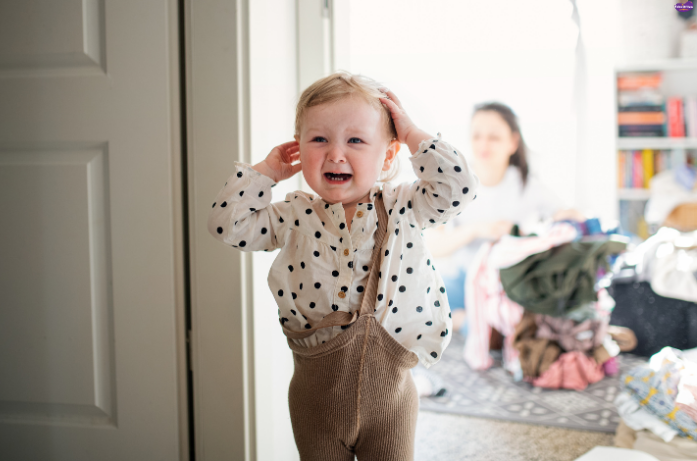
Toddler tantrums have a way of catching even the calmest parents off guard. One minute your little one is giggling and playing, and the very next, they’re crying, shouting, or lying on the floor in full toddler meltdown mode. Moments like these can leave any parent feeling overwhelmed, unsure, or even a little frustrated, and that’s completely okay. What truly helps is remembering that temper tantrums in toddlers are a normal part of growing up.
Kids between 1–4 years are still figuring out big emotions they don’t yet understand. They can feel hungry, tired, overstimulated, or simply unable to explain what they want. So they react the only way they know how, with tears, yelling, or dramatic floor-rolling moments.
This gentle guide is here to help you understand what’s really going on behind those big feelings. With a little patience, empathy, and the right approach, you can support your toddler while staying calm and confident yourself.
Causes of Toddler Tantrum: Why They Happen
Toddlers don’t throw tantrums to be difficult. Most of the time, toddler tantrum causes are simply that they don’t have the words to explain the big feelings bubbling inside them. When they’re overwhelmed, frustrated, or unable to express what they need, those emotions spill out as crying, yelling, or sudden outbursts. It’s their way of saying, I need help, comfort, and understanding right now.
Common Reasons:
• Frustration (can’t express what they want): Toddlers often know what they want, but they don’t always have the words to say it. When they try to communicate and aren’t understood, frustration builds up quickly. This emotional overload can lead to temper tantrums in toddlers, including tears, shouting, or sudden outbursts, because they feel stuck and helpless.
•Hunger or tiredness: A hungry or tired toddler has very little emotional control. Even small things can feel too much when their body needs rest or food. That’s why tantrums often happen before naps, meals, or bedtime, their energy is low, and big feelings become harder to manage.
• Overstimulation (too many sounds, lights, activities): Crowded places, loud noises, bright lights, or too many activities can overwhelm a toddler’s senses. When their little brain can’t process everything at once, they may react with crying, irritability, or sudden outbursts. It’s their way of saying, I need a break.
• Testing boundaries as they grow more independent:As toddlers learn to do things on their own, they naturally push limits to understand what’s allowed and what isn’t. This is a normal part of toddler behavior development, not misbehavior. When boundaries feel unclear or unfair to them, they may show frustration through tantrums or resistance.
• Difficulty switching from one activity to another: Toddlers struggle with transitions. If they’re busy playing or focused on something they enjoy, stopping suddenly can feel upsetting or confusing. Moving from one activity to the next, like leaving the park or stopping screen time, can trigger tantrums because they need extra time and emotional support to adjust.
Understanding the cause helps you respond calmly instead of reacting with stress.
According to the American Academy of Pediatrics (AAP), toddler tantrums are a normal part of emotional development as young children learn to communicate feelings and manage frustration.
How to Calm Your Child During a Toddler Tantrum
Learning how to calm toddler tantrums takes patience, but small strategies make a big difference.
1. Distraction Works Wonders
Toddlers lose interest quickly, and that can actually work in your favor during a tantrum. If you gently shift their attention, maybe towards a favorite toy, a fun little activity, or something interesting happening outside, their meltdown often begins to fade. A simple change of focus can help them settle faster than you expect.
2. Name Their Emotions
Helping your toddler understand feelings is powerful.
Say things like:
- You’re upset because the toy broke.
- You feel angry you can’t play more.
When kids feel understood, they calm down faster.
3. Avoid Known Triggers
Notice what usually causes tantrums, hunger, transitions, certain situations.
Try simple habits like:
- Offering snacks on time
When toddlers aren’t hungry, their mood stays more stable. Giving small, timely snacks can prevent many meltdowns before they even start. - Giving a warning before changing activities (5 more minutes and we’ll stop playing)
Sudden transitions are hard for little ones. A gentle heads-up gives them time to prepare, making the switch much smoother. - Keeping outings short
Long outings can tire toddlers out quickly, leading to crankiness. Short, manageable trips help them stay calm and avoid unnecessary tantrums.
Small changes prevent many toddler tantrums meltdowns.
The CDC also encourages calm, consistent parenting responses to help toddlers develop emotional regulation and coping skills.
When Tantrums May Signal a Problem
While tantrums are normal, parents should know when to worry about toddler tantrums. Speak to a pediatrician if:
- Tantrums last more than 15–20 minutes regularly: Most toddler tantrums fade within a few minutes. But if your child’s meltdowns frequently stretch beyond 15–20 minutes, it may mean they’re struggling to manage their emotions or something deeper is bothering them. Longer, intense episodes are a good reason to seek guidance.
- Your child hurts themselves or others: Mild kicking or crying is normal, but hurting themselves, banging their head, biting, or aggressively hitting others is a concern. These behaviors suggest your child is overwhelmed and needs help learning safer ways to express strong emotions. A pediatrician can guide you on the next steps.
- Tantrums happen many times a day: One or two tough moments are expected with toddlers. But if they’re melting down multiple times a day, it may show that they’re overly stressed, overstimulated, or reacting to something repeatedly triggering them. Frequent tantrums are a sign worth discussing with a professional.
- Your child doesn’t speak or express needs at all: Even before speaking clearly, toddlers usually communicate through gestures, sounds, pointing, or simple words. If your child shows little to no effort to express what they need, it may indicate a delay in communication or understanding. Early support can make a big difference.
- You’re worried about delays in speech, social skills, or understanding: If you notice your child struggling with eye contact, following instructions, sharing, engaging with others, or picking up language, don’t ignore your concerns. Early signs of delay are important to address, and getting expert advice can greatly support your child’s overall development.
Early guidance supports healthy toddler emotional development.
The NHS advises parents to seek professional guidance if tantrums are frequent, intense, or involve self-harm or developmental concerns.
FAQs: Toddler Tantrums
1. Are toddler tantrums normal?
Yes, tantrums are completely normal between ages 1–4. They are a part of emotional development, not bad behavior.
2. How long do toddler tantrums usually last?
Most tantrums last a few minutes. If they regularly go beyond 15–20 minutes, it’s a good idea to observe patterns or talk to a pediatrician.
3. Should I ignore my child during a tantrum?
Not completely. Stay nearby, calm, and supportive. Ignoring feelings can increase distress, but avoiding extra attention to negative behavior helps.
4. Do tantrums mean my child is spoiled?
No. Tantrums mean your child is still learning how to manage emotions and communicate needs.
5. When do tantrums usually reduce?
As language skills improve and children learn emotional regulation, tantrums usually reduce after age 4.
Final Thoughts
Toddler tantrums are a natural part of growing up, your child is simply learning how to handle big emotions in a tiny body. With calm responses, patience, and simple strategies, you can guide them through these moments gently and confidently. Remember, your love and understanding are the tools that help your child feel secure, even in the middle of a meltdown.
Parenting isn’t about getting everything right, it’s about showing up with patience and love.
If you’re navigating toddlerhood and want simple, honest parenting guidance, explore more real-life articles on Tales Of Tots, where parenting is shared through warmth, understanding, and experience, not pressure.
Disclaimer
This article is for general parenting guidance and informational purposes only. Every child develops differently. If tantrums feel extreme, frequent, or concerning, always consult a pediatrician, child psychologist, or qualified healthcare professional.