There’s something so sweet about watching your toddler splash in the bathtub, giggling as their little hands make waves. But the moment you reach for the shampoo bottle, everything changes. Suddenly, there are tears, tiny hands covering their face, and a desperate little voice saying, “No, Mommy!”
If your toddler is scared of washing hair, you’re probably wondering why something so simple has become such a struggle.
Maybe your little one used to enjoy bath time. Maybe hair washing has always been difficult. Either way, those tears can leave you feeling helpless, especially when all you want is to get your child clean without upsetting them.
The comforting thing to remember is that this fear is quite common in young children. And with a little patience, a few playful ideas, and plenty of reassurance, hair washing can gradually become a calmer experience for both of you.
Why Is My Toddler Scared of Washing Hair?
Before trying another shampoo, bath toy, or clever rinsing trick, it helps to understand what your child might actually be afraid of.
To us, washing hair takes only a few minutes. To a toddler, however, it can feel unpredictable and overwhelming.
1. Water Running Over Their Face Feels Frightening
Imagine closing your eyes while someone unexpectedly pours water over your head. Even as an adult, you might instinctively pull away.
Now imagine being two years old and not fully understanding when the water will stop.
A toddler who is afraid of water on their face may react to drops entering their eyes, nose, or mouth. Even a few unexpected drops can make them feel uncomfortable or frightened.
Some toddlers also dislike having to close their eyes because they cannot see what’s happening around them.
2. A Previous Unpleasant Experience
Sometimes, one uncomfortable moment is enough to make a child nervous about the next bath.
Perhaps shampoo accidentally got into their eyes. Maybe water went up their nose, or they slipped slightly while being rinsed.
Even when the experience seemed minor to you, your toddler may remember how it felt.
This can explain why a child who previously enjoyed hair washing suddenly starts protesting whenever you bring out the shampoo.
3. They Want More Control
Toddlers are discovering something wonderful: they have opinions!
They want to choose their clothes, hold their own spoon, and decide which toy gets to join them in the bathtub.
Hair washing, however, often involves an adult touching their head, moving their hair, and pouring water without giving them much say.
When a toddler hates washing hair, the struggle may partly come from feeling that they have no control over what happens next.
4. Sensory Sensitivities Make Washing Uncomfortable
For some children, the difficulty goes beyond a fear of water.
The feeling of wet hair against their neck, shampoo being rubbed into their scalp, the sound of running water, or the temperature of the rinse can all feel unpleasant.
Children experiencing sensory issues with hair washing may react strongly to sensations that other children barely notice.
This doesn’t automatically mean something is wrong. Children have different sensory preferences, and some need more time and support to become comfortable with certain experiences.
Toddler Scared of Washing Hair? 10 Gentle Ways to Make It Easier
When your little one is already upset, it’s tempting to rush through washing their hair just to get it over with.
But a slower, gentler approach can often make future baths easier.
These simple hair-washing tips for toddlers focus on helping your child feel safe rather than expecting them to stop crying immediately.
1. Start With Connection, Not Shampoo
Before you even think about wetting their hair, spend a few minutes enjoying bath time together.
Let your toddler splash, play with floating toys, or pour water between little cups.
Talk about their favorite bath toy or sing a familiar song.
When your child feels relaxed and connected to you, introducing hair washing may feel less overwhelming.
You could gently say, “We’re going to wash your hair in a little while. I’ll help you keep the water away from your eyes.”
Knowing what comes next can make a big difference.
2. Give Your Toddler Small Choices
Small choices can help children feel included, although a frightened toddler may still need reassurance and a slower pace.
Instead of announcing, “It’s time to wash your hair,” offer two simple choices.
You might ask:
“Would you like the yellow cup or the blue cup?”
“Should we wash your hair before or after the duck’s bath?”
“Do you want to hold the washcloth or shall I?”
“Would you like to try pouring the water yourself?”
These choices won’t magically remove every fear, but they can help your toddler feel involved.
Just remember to offer choices you can genuinely honor.
If your little one also resists getting dressed or brushing their teeth, our guide on why toddlers say no to everything offers gentle ways to respond while giving them room to make small choices.
3. Use a Small Cup Instead of a Shower Spray
A strong stream of water can feel startling, especially when it reaches a toddler’s face unexpectedly.
Try using a small plastic cup to pour water slowly over their hair.
Begin near the back of their head and use small amounts rather than one large pour.
You can even let your child practice pouring water over their own arm first.
The goal is to make the sensation familiar and predictable.
4. Keep Water Away From Their Eyes
If your toddler cries during hair washing because water runs down their face, changing the rinsing technique may help.
If your child is comfortable, ask them to look slightly upward at a fixed picture on the wall while remaining securely seated. Keep the movement small; do not encourage them to stand, reach, or lean back in the bath.
You can also hold a soft, dry washcloth across their forehead to catch stray water.
You do not need a special accessory to try this. A familiar washcloth and small, predictable pours may be enough. If your child dislikes a cloth near their face, respect that and try another position or a smaller step.
Never force your toddler’s head backward or hold them in a position that makes them panic.
5. Let Them Practice on a Doll
Play is one of the loveliest ways toddlers learn about the world.
Before bath time, set up a little pretend hair salon with a doll, a cup, and a towel.
Let your child be the grown-up.
They can wet the doll’s hair, pretend to add shampoo, rinse it gently, and wrap the doll in a fluffy towel.
You might say, “Oh, Teddy doesn’t like water near his eyes. Let’s help him feel comfortable.”
This gives your toddler a chance to explore the experience without being the one getting wet.
It also creates a natural opportunity to talk about their own feelings.
6. Try a Simple Hair-Washing Song
If you’ve been wondering how to make hair washing fun, you don’t need elaborate toys or expensive bath accessories.
Sometimes, a silly little song is enough to change the mood.
Try singing:
Bubble, bubble, little hair,
Tiny bubbles everywhere.
Rinse them gently, one, two, three,
All clean now, as happy as can be!
You can make up your own tune or use a melody your toddler already loves.
The important thing isn’t how beautifully you sing. It’s giving your child something familiar and reassuring to focus on.
7. Use a Gentle Shampoo and Less of It
Sometimes, the shampoo itself is part of the problem.
A strongly scented product may feel overwhelming to a sensitive child, while certain formulas can sting if they reach the eyes.
Choose a mild, age-appropriate shampoo and use only the amount needed.
A fragrance-free option may be worth trying if your toddler dislikes strong smells or has sensitive skin.
Rinse carefully, and remember that even products labeled “tear-free” can still cause discomfort.
8. Practice With Water Outside Hair-Washing Time
You don’t have to wait until shampoo day to help your child become comfortable with water.
During playtime, offer gentle water activities that your toddler can control.
Let them wash toy animals, squeeze a wet sponge, or pour water from one cup into another.
For more simple ways to explore water through play, try our easy activities for bored toddlers, including cup-and-bowl water play. Stay within arm’s reach throughout, and let your child explore without turning the activity into a hair-washing session.
If they’re comfortable, they might enjoy touching their own hair with damp fingers.
Avoid turning these activities into surprise hair-washing sessions.
The purpose is to build positive experiences with water, not to trick your child into doing something they fear.
9. Keep Hair Washing Short and Predictable
For a toddler experiencing bath-time anxiety, a long washing routine may feel exhausting.
Try using the same simple sequence each time:
“First we wet your hair. Then we use a little shampoo. Next we rinse. Then we’re finished.”
You can count small rinses aloud when you can reasonably predict how many are needed. If more rinsing becomes necessary, explain it instead of suddenly continuing after promising to finish.
Once the shampoo is fully rinsed out, say clearly, “All finished! No more water on your head.”
Keeping that promise helps build trust.
10. Know When to Stop and Try Again
This might be the most important tip of all.
If your toddler becomes extremely distressed, it’s okay to stop, comfort them, and try another time.
Unless there’s something in their hair that needs immediate removal, one postponed shampoo session is unlikely to cause a problem. If shampoo is already applied, pause briefly to reassure them, then finish rinsing gently rather than leaving it on their scalp. For a chemical exposure, get poison-control or medical guidance immediately instead of treating it as an ordinary shampoo session.
You can wipe away visible dirt with a damp cloth or clean only the areas your child comfortably allows.
Stopping isn’t giving up. Sometimes, it’s how you show your little one that their feelings matter and that bath time doesn’t have to be frightening.
Keep Bath Safety Part of the Routine
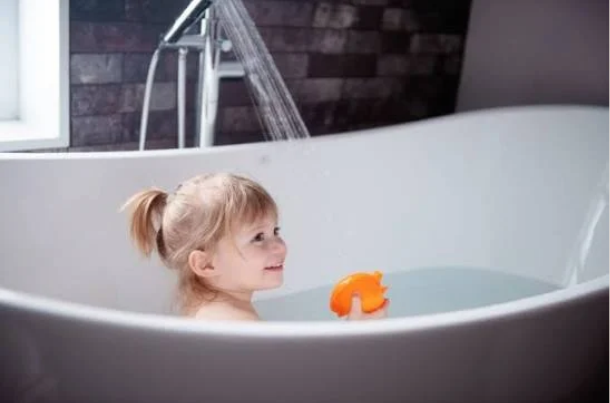
Prepare everything before your toddler enters the bath. Stay within arm’s reach and keep your attention on them throughout; never leave to get a towel, answer the door, or check a phone. If you must leave, take your child with you. Young children can drown in very little water.
Use comfortably warm water, check it before your child gets in, and keep them securely seated. Bath seats, toys, and another young child do not replace adult supervision. Empty the bath and water-play containers immediately afterward, and keep cleaning products and medicines out of reach.
Practice gradual hair-washing steps only in a safe position. If your toddler is thrashing or trying to climb out, support them safely and pause the activity. Safety comes before finishing the routine.
A Calmer Toddler Hair-Washing Routine
If every shampoo day has started to feel like a battle, having a predictable routine can help.
Here’s a gentle approach you can adjust to your toddler’s comfort level.
| Step | What to do |
|---|---|
| Before bath | Gather shampoo, cup, towel, and a suitable toy within reach. |
| Start slowly | Allow relaxed water play with continuous supervision. |
| Explain | Tell your child what will happen before touching their hair. |
| Wet hair | Use a small amount of water toward the back of the head. |
| Shampoo | Massage gently with fingertips; avoid scratching the scalp. |
| Rinse | Use controlled pours and rinse shampoo out fully. |
| Finish | Help your child out safely, dry them, and offer a cuddle. |
Remember, this isn’t a routine you must complete at any cost.
If your child is becoming overwhelmed before shampoo is applied, you can pause and return to it another day. Once shampoo is on the hair, it still needs rinsing out. Use the gentlest safe approach you can and ask for advice if washing repeatedly becomes unmanageable.
The real goal is not a perfectly washed head of hair. It’s helping your toddler gradually learn that washing can feel safe.
What If My Toddler Cries Every Time I Wash Their Hair?
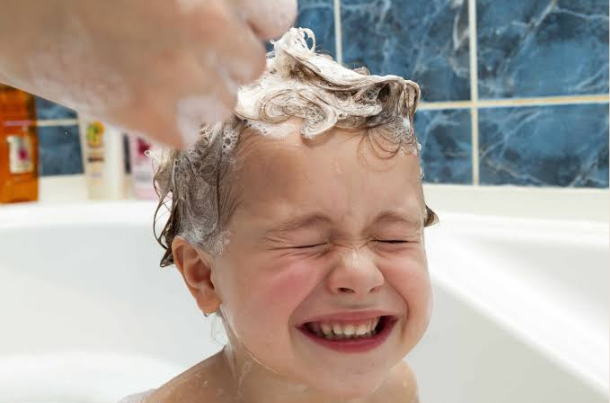
There may be days when you’ve tried the songs, the toys, the special cup, and the gentle explanations, yet your toddler still cries.
That can feel discouraging.
But crying doesn’t necessarily mean your approach has failed. Your child may simply need more time to feel comfortable.
Stay Calm Even When They’re Upset
Toddlers often look to their parents for reassurance during unfamiliar experiences.
If you feel yourself becoming frustrated, take a moment to slow down.
Use a gentle voice and simple words.
You might say, “I can see you don’t like this. You’re safe with me. We can take a break.”
You don’t need to convince your toddler that washing hair is fun when they’re clearly frightened.
Sometimes, feeling understood is more comforting than being distracted.
Avoid Forcing Hair Washing
Holding a frightened toddler still to finish rinsing may get the job done, but it can also make the next experience harder.
Whenever possible, avoid forcing, threatening, or shaming your child over their reaction.
Instead, aim for small steps.
One day, your toddler may agree to having a damp cloth touch their hair. Another day, they might allow one gentle pour of water.
These little moments matter.
Celebrate Effort, Not Just Success
Rather than saying, “See? That wasn’t scary,” acknowledge what your child managed to do.
You could say, “You let me wet the back of your hair today. I noticed how hard you tried.”
This helps your toddler feel proud without dismissing their fear.
And if the bath didn’t go as planned, a warm cuddle afterward is still a lovely way to end the experience.
Why Is My Child Suddenly Scared of Washing Hair?
It can be especially confusing when your child has always loved bath time and suddenly refuses to let water touch their head.
If your child is suddenly scared of washing hair, think about whether anything has recently changed.
Perhaps they’ve had an uncomfortable rinse, switched shampoos, started resisting other everyday routines, or become more aware of sensations around their face.
Toddlers also go through developmental stages where independence and a desire for predictability become especially important.
Sometimes, however, a sudden change can be linked to physical discomfort.
If your child has ear pain, a tender scalp, a rash, or irritation around the eyes, hair washing may genuinely hurt.
Rather than assuming they’re simply being difficult, pay attention to what they seem to be telling you.
If the fear persists, becomes intense, or is accompanied by signs of pain, talk with your child’s pediatrician.
Could Sensory Issues Be Making Hair Washing Harder?
Some toddlers are particularly sensitive to touch, sound, movement, or changes in temperature.
For these children, washing hair can involve several uncomfortable sensations happening all at once.
They may dislike water trickling down their neck, the feeling of wet hair, or having someone rub their scalp.
You might also notice that your child struggles with hair brushing, haircuts, toothbrushing, certain clothing textures, or other grooming activities.
These patterns don’t automatically indicate a sensory processing condition.
However, if sensory sensitivities regularly interfere with daily routines, a pediatrician can help you decide whether an occupational therapy assessment would be useful.
Gentle Adjustments for Sensory-Sensitive Toddlers
Try reducing the number of sensations your child experiences at once.
A quiet bathroom may feel better than one filled with loud running water. A warm, soft washcloth might be easier to tolerate than a cup of water.
Let your child inspect the closed shampoo container, see the cup, and feel the water with your supervision before you begin. Keep shampoo away from their mouth and eyes rather than encouraging them to handle or taste the product.
Some children prefer to do as much of the washing themselves as possible.
Others may feel more secure when you explain each touch before it happens.
The most helpful approach is often the one that respects your child’s individual comfort rather than expecting them to tolerate everything immediately.
How Often Should You Wash a Toddler’s Hair?
If hair washing regularly ends in tears, you may wonder whether you really need to shampoo your toddler’s hair every day.
For many toddlers, daily shampooing isn’t necessary.
How often their hair needs washing depends on their hair type, scalp condition, activity level, and how dirty or sweaty they get.
Some children do well with shampooing a few times a week, while others need a different routine.
Children with textured, curly, or very dry hair may benefit from less frequent washing and hair-care products suited to their hair type.
If your toddler has eczema, persistent dandruff, scalp irritation, or another skin condition, follow guidance from their healthcare professional.
On non-shampoo days, you can still enjoy a gentle bath without washing their hair.
Removing the expectation that every bath must include shampoo can sometimes help reduce anxiety.
What Not to Do When Your Toddler Hates Washing Hair
When you’re tired and your child is crying, it’s understandable to want to finish quickly.
But certain approaches can unintentionally make hair-washing fear worse.
Try to avoid:
Surprise rinsing: Pouring water over their head without warning can damage trust.
Holding them down: Forcing a frightened child to stay still can intensify their distress.
Comparing them with other children: Every toddler develops confidence at their own pace.
Calling them naughty or dramatic: Their fear feels real to them, even when the situation seems harmless to you.
Making promises you can’t keep: If you say there will be only one more rinse, try to honor that agreement.
Gentle parenting doesn’t mean hair washing will always be easy.
It means responding to your child’s discomfort with patience, clear boundaries, and respect.
When Should You Seek Professional Help?
Most toddlers who dislike hair washing gradually become more comfortable with gentle practice and predictable routines.
But sometimes, additional support is helpful.
Consider speaking with your child’s pediatrician if the fear is severe, continues despite patient efforts, or begins affecting other everyday activities.
It’s also worth getting advice if your toddler experiences significant distress during bathing, hair brushing, toothbrushing, or dressing.
Seek medical advice if hair washing appears painful or you notice persistent scalp redness, swelling, sores, unusual sensitivity, or ear symptoms.
If shampoo gets into your child’s eyes, begin rinsing immediately with plenty of clean, room-temperature or lukewarm water for 15–20 minutes. Use a gentle flow, keep their airway clear, and discourage rubbing. Contact a local poison-information service or healthcare professional for product-specific advice. Ongoing pain, redness, swelling, or any vision change needs prompt medical assessment; severe symptoms should be assessed urgently.
You don’t have to figure everything out on your own.
Getting support is simply another way of caring for your child.
Frequently Asked Questions
Is it normal for a 2-year-old to hate washing their hair?
How can I stop my toddler from crying when washing their hair?
Should I wash my toddler’s hair if they’re screaming?
Do I Need Special Accessories to Keep Water Off My Toddler’s Face?
Will my toddler eventually grow out of their fear of hair washing?
What if my toddler loves baths but hates having their hair washed?
Does Hair-Washing Fear Mean My Toddler Is Autistic?
What if My Toddler Will Not Tilt Their Head Back?
Can We Practice Hair Washing Without Shampoo?
What if Hair Washing Hurts Rather Than Just Feels Scary?
A Gentle Reminder for Every Mom
Some evenings, bath time will be full of bubbles, laughter, and little wet footprints across the bathroom floor.
Other evenings, your toddler may cry before you even reach for the shampoo.
And that’s okay.
If your toddler is scared of washing hair, remember that you’re not trying to win a battle over clean hair. You’re helping a little person feel safe during something they don’t yet understand or enjoy.
Maybe today, your child only allowed you to wet the ends of their hair. Maybe tomorrow, they’ll hold the cup themselves. And perhaps next week, they’ll surprise you by asking for the silly shampoo song again.
Or maybe progress will take longer.
There is no perfect timeline.
What matters is that your toddler knows their feelings are heard, their comfort matters, and they can trust you to help them through difficult moments.
So keep the towel warm, the water gentle, and your expectations flexible.
With time, hair washing may become less stressful. Keep practicing manageable steps, adjust to your child’s response, and seek support if distress stays intense or washing seems painful. Patience and professional help can work together.
For your next wash, choose one small change: explain the sequence, let your child hold the cup, or practice touching their hair with a damp cloth first. Progress can begin with a calmer moment rather than a perfectly completed routine.
For more gentle guidance on toddler routines, big feelings, and everyday parenting challenges, explore Tales of Tots. Take what works for your family, and keep building confidence together, one small step at a time.
Resources
American Academy of Pediatrics: 5 Bathroom Safety Tips for Infants and Young Children
American Academy of Dermatology: Teaching Your Child Healthy Hair-Care Habits
National Capital Poison Center: Shampoo Exposures
Disclaimer
This article is for general educational and parenting information only and does not replace individualized medical, developmental, sensory, dermatological, or safety advice. Speak with your child’s pediatrician if hair washing appears painful, the fear is severe or persistent, sensory sensitivities regularly interfere with daily routines, or you notice scalp redness, swelling, sores, unusual tenderness, or ear symptoms. Always stay within arm’s reach of a young child in the bath and never leave them unattended around water. If shampoo gets into your child’s eyes, rinse immediately with plenty of clean, room-temperature or lukewarm water for 15–20 minutes and seek product-specific medical or poison-information guidance if symptoms persist or are severe.
About the Author
Geeta Yogi writes warm, practical parenting content about toddler routines, sensory experiences, hygiene, behavior, child development, safety, and everyday family life. She focuses on clear, supportive guidance that helps parents approach common toddler fears with patience while recognizing when professional medical or developmental support may be helpful.