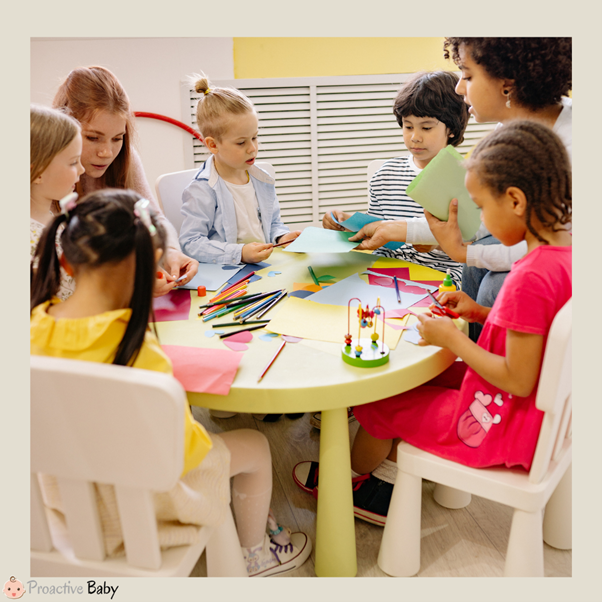
Summer camp activities for kids are one of the best ways to keep children engaged, active, and happy during the long vacation break. Summer vacation is always a special time for kids, full of excitement, freedom, and endless energy.
Last summer, I faced the same challenge. After just a few days of holidays, my child started saying, “I’m bored.” That’s when I decided to try something different, a mini summer camp at home.
Honestly, it turned out to be one of the best decisions. My child not only had fun but also learned something new every single day.
Whether you plan activities at home or enroll your child in a structured program, this guide will help you create the perfect balance of fun and learning this summer.
Why Summer Camp Activities Are Important for Kids
Summer camp activities are not just about keeping kids busy, they play a meaningful role in a child’s overall growth and development. When children engage in structured and creative activities, they learn valuable life skills while having fun.
They help to:
- Reduce excessive screen time
- Improve creativity and imagination
- Strengthen social and communication skills
- Encourage regular physical activity
- Promote confidence and independent thinking
A well-planned summer filled with engaging activities supports both emotional and intellectual development in children.
Home Summer Camp vs Organized Summer Camp
Many parents often wonder, Should I plan summer activities at home or enroll my child in an organized camp? The truth is, both options have their own benefits.
Home Summer Camp
- Flexible schedule that fits your routine
- Budget-friendly and easy to manage
- Strengthens parent-child bonding
- Allows personalized learning at your child’s pace
A home setup gives you full control over activities and lets you create a comfortable learning environment.
Organized Summer Camp
- Professional guidance from trained instructors
- Group interaction with other children
- Structured daily schedule
- Exposure to new skills and experiences
Organized camps help children develop independence and social confidence in a group setting.
Best Idea
You don’t have to choose just one. A balanced mix works best, enjoy creative activities at home and consider short-term structured programs for social interaction and skill development.
Fun + Learning Summer Camp Activities for Kids
Looking for creative summer activities for kids at home or school? The right mix of fun and learning can keep children engaged while helping them develop important life skills. Below are some exciting summer camp ideas that encourage creativity, focus, and confidence.
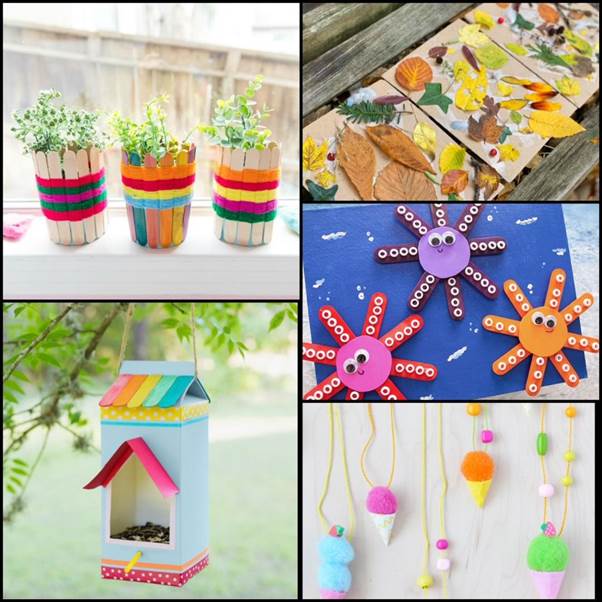
1. Creative Art & Craft Activities
Art is one of the best summer camp activities for kids because it allows them to explore their imagination freely. When children create something with their own hands, it builds confidence and gives them a sense of accomplishment.
Ideas:
- Drawing and painting
- DIY crafts using recycled materials
- Clay modeling
- Paper collage projects
These creative summer activities not only keep kids happily engaged but also improve their ability to concentrate and complete tasks independently.
Skills Developed: Creativity, focus, fine motor skills
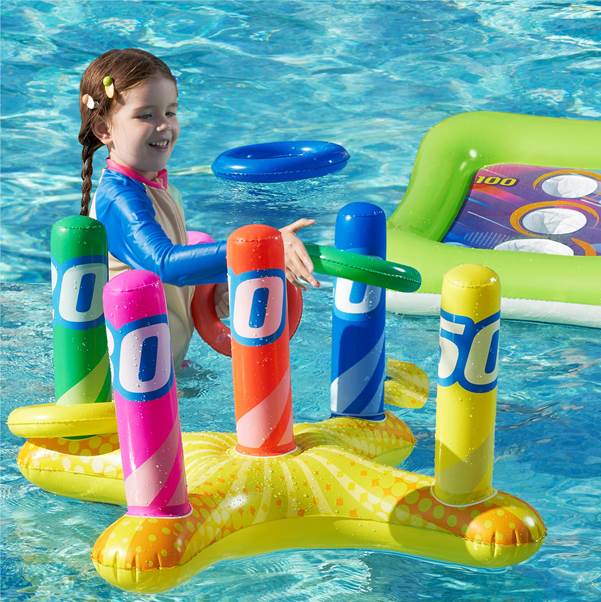
2. Pool Activities & Water Fun
If you have access to a safe pool area, water activities can make summer even more exciting. Pool games are not only refreshing during hot days but also help children stay active and confident in the water.
With proper supervision, water play can become one of the most enjoyable summer camp activities for kids.
Ideas:
- Floating toy races
- Water balloon games
- Kickboard challenges
- Pool ring toss
Water-based summer activities improve motor skills, coordination, and water confidence while keeping kids cool and energetic.
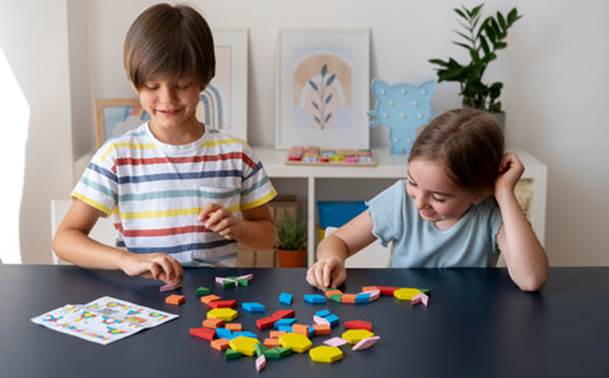
3. Brain Boosting Games
Summer is the perfect time to make learning feel like play. Brain-boosting games are excellent summer camp activities for kids because they keep young minds active while still being fun and engaging.
Instead of worksheets, try turning learning into small challenges or friendly competitions.
Ideas:
- Puzzles
- Memory games
- Word-building games
- Simple logic or math challenges
These types of educational summer activities help children think critically, improve concentration, and strengthen memory skills, all without feeling like schoolwork.
Skills Developed: Problem-solving, memory, concentration
4. Outdoor Summer Camp Games
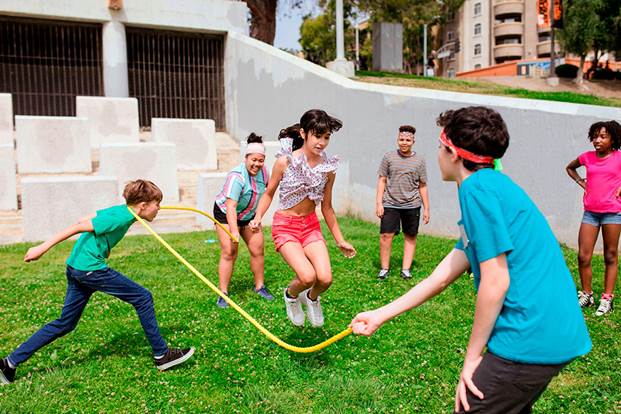
Physical play is a must during summer vacations. Outdoor summer camp games help kids burn off energy, stay active, and enjoy fresh air, all while learning valuable social skills.
Simple outdoor activities can turn an ordinary day into an exciting adventure.
Ideas:
- Treasure hunts
- Obstacle races
- Ball games
- Relay challenges
These active summer games improve physical fitness and coordination while teaching children how to cooperate and work as a team.
Skills Developed: Fitness, teamwork, coordination
5. Role Play & Storytelling Activities
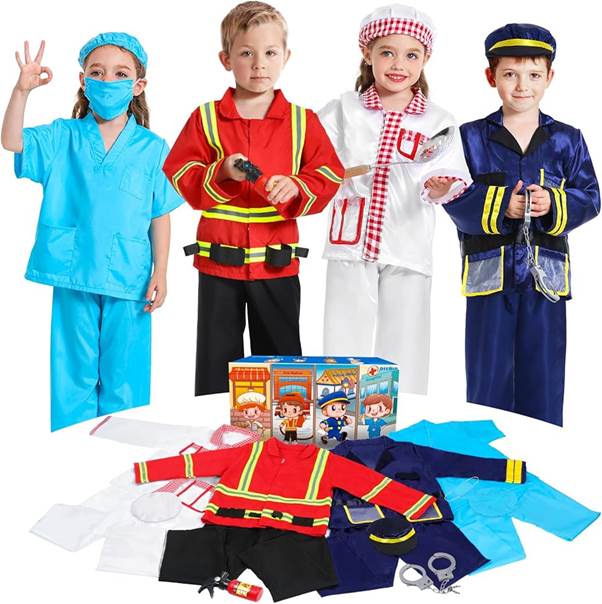
Role play and storytelling are wonderful summer camp activities that spark imagination and build confidence. When children step into different characters, they learn to express themselves more freely and creatively.
These activities also help shy kids open up in a natural and fun way.
Ideas:
- Story acting
- Dress-up games
- Puppet shows
- Create-your-own story sessions
Through imaginative play, children improve their speaking skills and learn how to communicate their thoughts clearly.
Skills Developed: Communication, confidence, creativity

6. Fun Science Experiments
Summer is a great time to turn curiosity into hands-on learning. Simple science experiments can feel like magic to children while secretly teaching them important concepts.
These creative summer camp activities encourage kids to ask questions, observe results, and think logically.
Ideas:
- Volcano experiment
- Water experiments (sink and float, density tests)
- Color mixing activities
- Simple magnet exploration
Science-based summer activities help children develop analytical thinking and a love for discovery.
Skills Developed: Scientific thinking, observation skills, curiosity
7. No-Fire Cooking Activities
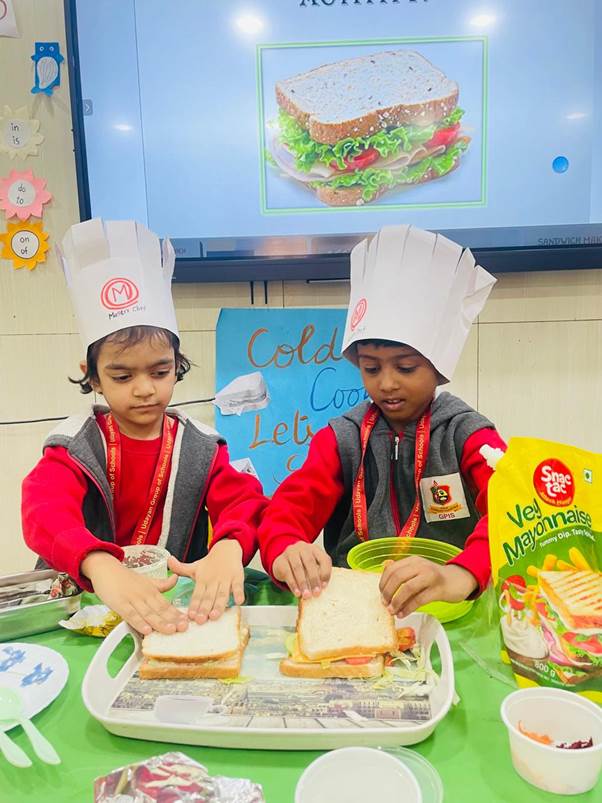
Cooking without fire is a safe and exciting way to teach children practical life skills during summer camp at home. Kids love preparing their own snacks, it makes them feel independent and responsible.
Ideas:
- Sandwich making
- Fruit salad preparation
- Healthy snack decorating
- DIY lemonade
These simple kitchen activities build confidence and introduce children to basic nutrition and responsibility.
Skills Developed: Life skills, independence, responsibility
8. Gardening & Nature Exploration
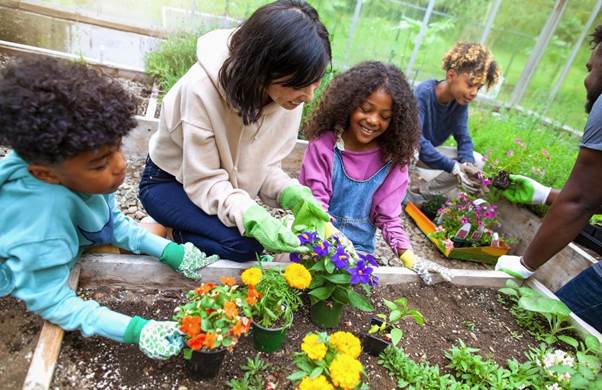
Summer is also a wonderful time to connect children with nature. Gardening and outdoor exploration teach patience and responsibility in a very natural way.
When kids plant something and watch it grow, they feel a real sense of achievement.
Ideas:
- Planting seeds
- Watering plants daily
- Nature scavenger hunt
- Collecting and identifying leaves and flowers
These simple outdoor learning activities help children understand the environment while building discipline and care.
Skills Developed: Responsibility, patience, environmental awareness
One-Day Sample Summer Camp Plan
If you’re unsure how to structure the day, here’s a simple and balanced summer camp routine you can follow:
- Morning: Light exercise + outdoor games
- Afternoon: Art & craft activity
- Evening: Puzzle or brain-boosting game
- Night: Storytelling or quiet reading time
This simple routine keeps kids physically active, mentally engaged, and creatively inspired throughout the day, without feeling overwhelming.
Tips for Parents to Make Summer Camp Successful
To make your summer camp experience smooth and enjoyable, keep these simple tips in mind:
- Focus on fun, not perfection
- Appreciate your child’s efforts
- Keep activities short and engaging
- Gradually limit screen time
- Offer small encouragements or rewards for motivation
Remember, consistency matters more than complexity. Even simple activities done regularly can make a big difference.
Conclusion
Summer is more than just a school break, it’s an opportunity to create beautiful memories while helping your child grow in a joyful and relaxed way.
Whether you choose a home summer camp, an organized program, or a mix of both, what truly matters is the time, attention, and meaningful experiences you give your child.
Because at the end of the day, these small daily activities often become the biggest and most cherished childhood memories.
For more practical parenting tips, activity ideas, and child development guides, keep exploring talesof tots, we’re here to support you in creating confident, happy childhood moments every season.
Frequently Asked Questions (FAQs)
1. What are the benefits of summer camp activities for kids?
Summer camp activities help children develop creativity, improve physical fitness, enhance social skills, and encourage independent thinking. These activities keep kids engaged and help them learn valuable life skills while having fun.
2. How can I create a summer camp experience at home?
You can easily create a mini summer camp at home by planning a mix of outdoor games, creative arts and crafts, brain-boosting activities, and role-playing games. A structured routine with scheduled breaks and fun activities can keep your child engaged and learning throughout the summer.
3. What are some creative summer activities for kids at home?
Creative activities like drawing and painting, DIY crafts, clay modeling, and storytelling help children express their imagination. These activities not only foster creativity but also improve their concentration and fine motor skills.
4. How can I keep my child active during the summer?
Physical activities such as treasure hunts, obstacle races, relay challenges, and swimming are excellent ways to keep kids active. Outdoor games and water-based activities also help improve fitness and coordination while making sure kids enjoy the summer weather.
5. How can I reduce my child’s screen time during the summer?
Encourage children to participate in hands-on activities like art projects, cooking, gardening, and science experiments. These activities keep their minds engaged while limiting screen time. You can also set a time limit for screen use and replace it with outdoor activities.
Disclaimer
The activities shared in this article are for informational purposes only. Parents and caregivers should always supervise children during physical play, water activities, cooking sessions, and science experiments. Ensure all activities are age-appropriate and follow necessary safety precautions.
About the Author
Geeta Yogi is a parenting writer and maternal wellness advocate. She shares practical, research-backed guidance to help parents create joyful, confident, and meaningful childhood experiences. Her focus is on simplifying everyday parenting challenges with realistic, supportive advice for modern families.
Source