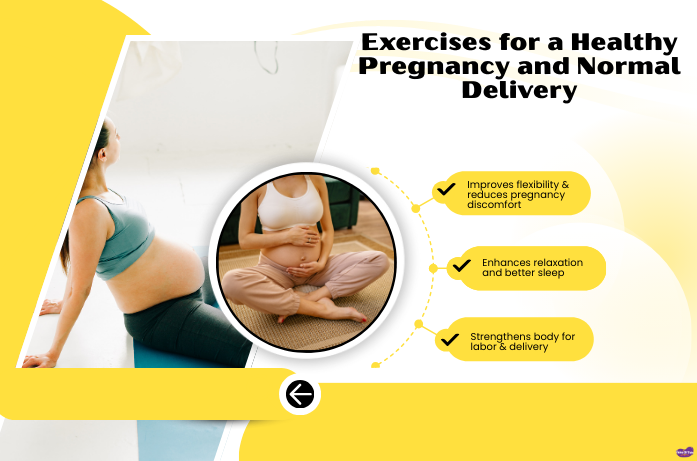
during pregnancy is not just beneficial for your physical health, it also supports your mental and emotional well-being. Engaging in the right exercises for healthy pregnancy and normal delivery can help ease common pregnancy discomforts such as back pain, fatigue, and swelling, while improving stamina, enhancing flexibility, and strengthening the muscles that play a crucial role during labor.
Of course, not all exercises are safe during pregnancy, so it’s important to prioritize the safety of both you and your baby. Gentle stretching, walking, prenatal yoga, and specific pelvic exercises are safe pregnancy exercises that are widely considered safe and effective for expecting mothers.
In this guide, we’ll introduce you to exercises for healthy pregnancy and normal delivery that can prepare your body for delivery, reduce stress, and promote overall wellness. Regular exercise during pregnancy can make labor feel more manageable, aid in faster recovery afterward, and help you feel stronger and more confident throughout this transformative journey.
With the right approach, exercise can become a trusted companion during pregnancy, keeping you physically strong, mentally balanced, and emotionally resilient as you prepare for the arrival of your little one.
Why Exercise Matters for a Normal Delivery
Exercise during pregnancy does more than keep you healthy. As explained by the American College of Obstetricians and Gynecologists (ACOG), engaging in regular exercise during pregnancy helps reduce common discomforts like back pain, swelling, and fatigue, while also promoting strength and flexibility for a smoother labor. it can also make labor and delivery smoother and more manageable. Here’s why:
- Improves Strength and Endurance
Labor requires physical stamina and endurance. Regular prenatal exercise builds the muscle strength needed to cope with contractions and the pushing phase of delivery. - Supports Posture and Balance
As your baby grows, maintaining proper posture helps relieve back pain and prevent discomfort. Exercises that enhance posture also make pushing during labor easier. - Increases Pelvic Floor Strength
Strong pelvic floor muscles are essential for labor and postpartum recovery. They support the uterus during contractions and help with the pushing phase, making delivery safer and more comfortable. - Promotes Relaxation and Reduces Stress
Pregnancy can sometimes feel stressful. Gentle exercise, prenatal yoga, and stretching encourage relaxation, ease anxiety, and help you stay calm and centered. - Boosts Circulation and Reduces Swelling
Physical activity improves blood flow, reduces swelling, and lowers the risk of complications such as varicose veins and gestational diabetes.
Incorporating regular, safe exercises for healthy pregnancy and normal delivery into your routine can make a significant difference in your strength, comfort, and confidence, helping you approach labor with ease and calm.
Safe Exercises for Healthy Pregnancy and Normal Delivery
Before starting any exercise routine during pregnancy, always consult your healthcare provider to make sure it’s safe for you and your baby. The Mayo Clinic emphasizes that exercises like pelvic floor exercises, prenatal yoga, and squats are fantastic for improving posture, muscle strength, and overall stamina to support a normal delivery. The exercises for healthy pregnancy and normal delivery in this guide are designed to help you build strength, flexibility, and endurance, preparing your body for a smoother, healthier, and more confident delivery.
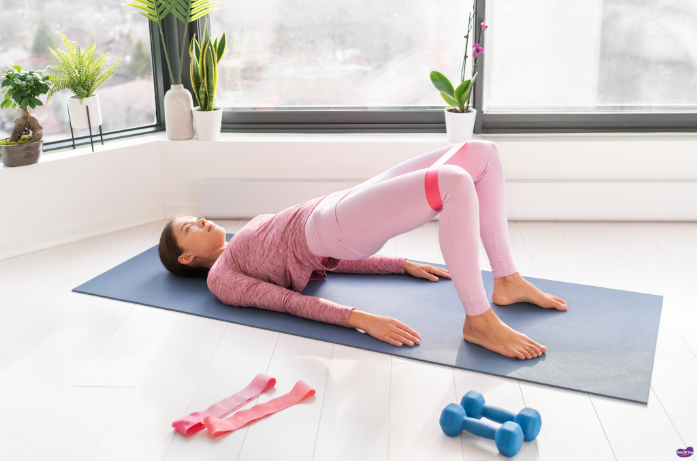
1. Pelvic Floor Exercises (Kegel Exercises)
The pelvic floor muscles play a vital role during labor and delivery. As NHS explains, these exercises help prevent urinary incontinence and strengthen the muscles that support your uterus during labor, making the experience smoother and more comfortable. They help control your baby’s movements and support your uterus, making them essential for a smoother pregnancy and postpartum recovery.
How to do them:
- Sit or lie down in a comfortable position.
- Tighten the muscles you would use to stop the flow of urine.
- Hold for 5–10 seconds, then relax for 5–10 seconds.
- Repeat 10–15 times, 3 times a day.
Benefits:
- Strengthens the pelvic floor, supporting labor and recovery.
- Reduces the risk of urinary incontinence after birth.
Perform these exercises for healthy pregnancy and normal delivery gently and consistently. Even a few minutes each day can make a significant difference in strength, control, and comfort during pregnancy and postpartum.
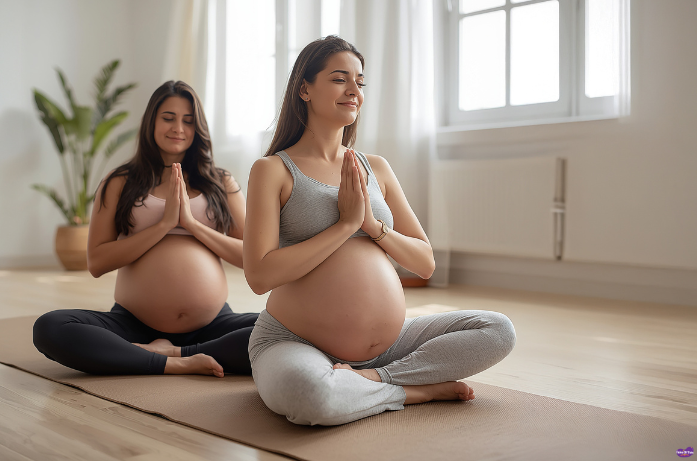
2. Prenatal Yoga
Prenatal yoga is one of the most beneficial exercises for healthy pregnancy and normal delivery. It emphasizes gentle stretching, flexibility, and relaxation, all of which are essential for a smoother labor and a comfortable pregnancy. According to ACOG, prenatal yoga can teach effective breathing techniques that are helpful during labor and help you stay calm and focused throughout your pregnancy.
How to do it:
- Join a prenatal yoga class or follow a video specifically designed for pregnant women.
- Focus on deep, mindful breathing and stretches that open the hips, ease the lower back, and improve posture.
Benefits:
- Increases flexibility, especially in the hips and pelvis, which can help during labor.
- Teaches breathing techniques that aid relaxation and pain management during childbirth.
- Relieves tension and reduces stress, promoting overall well-being.
Prenatal yoga is not just about exercise, it’s a way to connect with your body and your baby, helping you feel calm, strong, and prepared for the journey ahead.
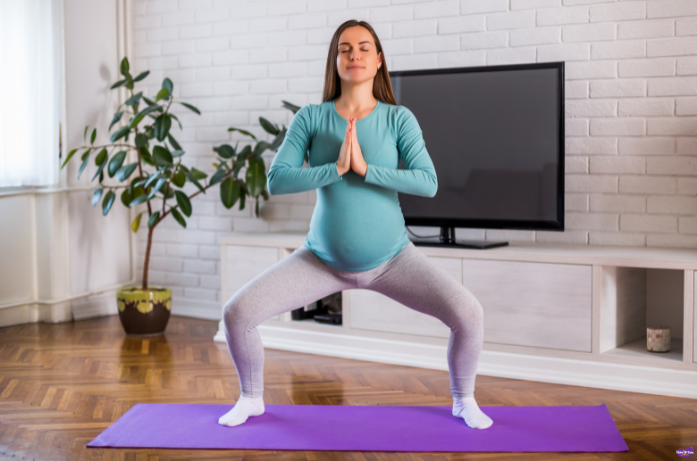
3. Squats
Squats are a great way to strengthen your legs, hips, and pelvic muscles, all of which are important for labor and delivery. They also help increase the flexibility of your pelvis.
How to do it:
- Stand with your feet shoulder-width apart.
- Slowly lower your body as if sitting back into a chair, keeping your knees behind your toes.
- Hold the position for a few seconds, then rise back to standing.
- Repeat for 2–3 sets of 10–12 squats.
Benefits:
- Strengthens the muscles used for pushing during delivery.
- Opens up the pelvis, helping prepare your body for childbirth.
Perform squats slowly and with control, focusing on smooth movements and steady breathing. Regular practice can help keep your body strong and better prepared for labor.
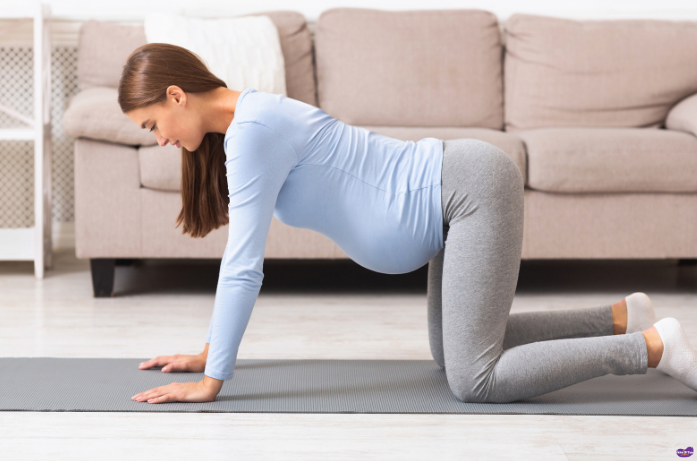
4. Cat-Cow Stretch
The Cat-Cow Stretch is a gentle and effective way to maintain spinal flexibility and relieve back discomfort, which is very common exercises for healthy pregnancy and normal delivery. It also strengthens and stretches your core, supporting your growing baby and preparing your body for labor.
How to do it:
- Begin on your hands and knees in a comfortable tabletop position.
- Inhale as you arch your back into Cow Pose, lifting your pelvis slightly upward.
- Exhale as you round your back into Cat Pose, tucking your pelvis under.
- Repeat this gentle flow 10–15 times, moving at a comfortable pace.
Benefits:
- Eases lower back pain and tightness.
- Keeps your spine flexible and helps prepare your body for labor.
Focus on smooth, gentle movements and coordinated breathing. This simple stretch can make a significant difference in comfort and flexibility throughout pregnancy.

5. Walking
Walking is one of the simplest and safest exercises for healthy pregnancy and normal delivery. It’s gentle on your joints, easy to do, and can be continued throughout your pregnancy.
How to do it:
- Aim for at least 30 minutes of brisk walking on most days of the week.
- Maintain a steady, comfortable pace, enough to get your heart rate up, but without overexerting yourself.
Benefits:
- Improves stamina and cardiovascular health.
- Keeps your body active while being gentle on joints.
- Helps manage healthy weight gain and reduces the risk of gestational diabetes.
Even a short daily walk can make a big difference, keeping you energized, healthy, and feeling good throughout your pregnancy.
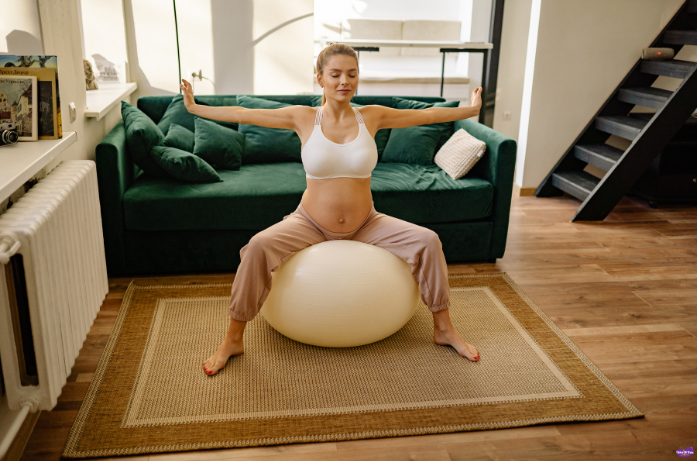
6. Hip Circles
Hip circles are a gentle and effective way to increase flexibility in your hips and pelvis, helping your body get ready for labor. They also relieve tension in the lower back, leaving you feeling more relaxed and comfortable.
How to do it:
- Stand with your feet hip-width apart and place your hands on your hips.
- Slowly and gently rotate your hips in a circular motion, first in one direction, then the other.
- Continue for 1–2 minutes, moving at a comfortable pace.
Benefits:
- Opens up the hips and pelvis, preparing your body for labor.
- Reduces lower back discomfort.
- Promotes relaxation and improves circulation.
Take your time with this exercise, focus on smooth, gentle movements, and breathe deeply throughout. It’s a small practice that can make a big difference in comfort and flexibility during pregnancy.
Tips for Exercising During Pregnancy
Exercises for healthy pregnancy and normal delivery is incredibly beneficial, but it’s important to approach it thoughtfully and gently. Here are some key tips to help you stay safe, comfortable, and confident while staying active:
- Listen to Your Body: Your body is your best guide. If at any point you feel dizzy, short of breath, or simply uncomfortable, pause and take a break. Pushing through discomfort can be risky, so it’s always better to rest and resume when you feel ready.
- Stay Hydrated: Drinking enough water is crucial during pregnancy. Keep yourself hydrated before, during, and after exercise to maintain energy levels and support both your body and your baby.
- Avoid Lying on Your Back After the Second Trimester: As your pregnancy progresses, lying flat on your back can compress a major vein, potentially reducing blood flow. Choose side-lying or seated positions to ensure both you and your baby stay safe and comfortable.
- Wear Comfortable Clothing: Loose, breathable clothes and supportive shoes make a big difference. They allow free movement, help prevent overheating, and reduce the risk of slips or strain.
- Always Warm Up and Cool Down: Taking a few minutes to gently stretch before and after exercise protects your muscles, improves flexibility, and reduces the chance of injury. It’s a small step that pays off greatly in the long run.
By following these simple but important tips, you can enjoy the benefits of exercise safely, keeping your body strong and your mind relaxed throughout your pregnancy journey.
FAQs : Exercises for a Healthy Pregnancy and Normal Delivery
Q1: Is it safe to exercise during pregnancy?
A: Yes, with the right are precautions. Gentle exercises for healthy pregnancy and normal delivery like walking, prenatal yoga, pelvic floor exercises, and stretching considered safe for most pregnant women. Always consult your healthcare provider before starting any routine.
Q2: How often should I exercise while pregnant?
A: Aim for at least 30 minutes of moderate activity most days of the week. Even shorter sessions of 10–15 minutes are beneficial, as long as they’re consistent and comfortable.
Q3: Can exercise help make labor easier?
A: Yes. Regular exercise strengthens muscles, improves stamina, and increases flexibility, all of which can help during labor and delivery.
Q4: Are there exercises I should avoid?
A: Avoid high-impact sports, heavy lifting, contact sports, and lying flat on your back after the second trimester. Listen to your body and stop if you feel dizzy, short of breath, or uncomfortable.
Q5: What are the benefits of pelvic floor exercises?
A: Pelvic floor exercises strengthen muscles used during labor, support postpartum recovery, and reduce the risk of urinary incontinence.
Q6: Can prenatal yoga help with stress?
A: Absolutely. Prenatal yoga improves flexibility, teaches breathing techniques, and promotes relaxation, helping reduce stress and anxiety during pregnancy.
Final Thoughts
Exercises for healthy pregnancy and normal delivery is one of the best things you can do for your body and your baby. Incorporating simple, safe movements into your daily routine can help prepare you for a normal delivery, manage pregnancy discomfort, and promote overall well-being.
At Tales of Tots, we’re here to guide you through every stage of your pregnancy with helpful tips, advice, and support. Keep moving, stay active, and trust your body as it prepares for the beautiful journey of childbirth.
Disclaimer
This article is for informational purposes only and does not replace medical advice. Always consult with your healthcare provider before starting or continuing any exercise routine during pregnancy, especially if you have health concerns or complications.