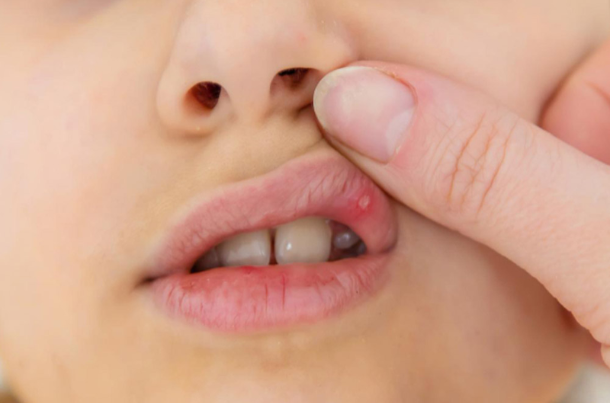
Your child takes one bite of breakfast and pushes the plate away. Then you spot a tiny white sore inside their cheek. It may look small, but a mouth ulcer can make eating, drinking, brushing teeth, and even talking uncomfortable.
Most simple mouth ulcers heal on their own within one to two weeks. The first priorities are helping your child stay comfortable and drink enough, while watching for signs that the sore is part of an illness or needs a closer look.
What are mouth ulcers in children?
A mouth ulcer is a break in the lining inside the mouth. A typical canker sore, also called an aphthous ulcer, is a small, shallow spot with a white or yellow center and a red edge. It may appear inside the lips or cheeks, on the tongue, or around the gums. Canker sores themselves are not contagious.
Parents often use “mouth ulcer” to describe any painful mouth sore. That is understandable, but the cause matters: a sore from a cheek bite, a cold sore, and the mouth blisters of hand, foot, and mouth disease call for different precautions.

What causes mouth ulcers in kids?
Sometimes there is no clear cause. Common possibilities include:
- Minor injury: Biting the cheek, brushing too hard, eating sharp or rough food, a hot-food burn, or irritation from a sharp tooth or braces.
- Canker sores: These can run in families. Some children notice flare-ups after irritation or certain foods.
- Viral infections: Hand, foot, and mouth disease can cause painful sores along with fever and a rash on the hands or feet. Other infections can also cause multiple mouth sores.
- Nutritional problems: Repeated ulcers can sometimes be associated with low iron, vitamin B12, or folate. An ulcer alone does not prove a deficiency.
- Other health issues or medicines: Less commonly, frequent or unusual sores may need assessment for an underlying condition or a reaction to a new medicine.
Stress may coincide with canker sore flare-ups, but it is rarely possible to pin one sore on a single stressful day. If ulcers keep returning, note when they appear and discuss the pattern with your child’s clinician instead of starting supplements on your own.
Canker sore, cold sore, or another mouth sore?
| Possible cause | What you may notice | Contagious? | Helpful next step |
|---|---|---|---|
| Canker sore | One or a few small, round sores inside the mouth; usually no fever | No | Focus on comfort and fluids; check if it persists or recurs |
| Bite, burn, or rubbing | Sore near the injured area, sometimes next to a sharp tooth or braces | No | Avoid further irritation; ask a dentist to check a sharp edge |
| Cold sore (herpes simplex) | Often a cluster of blisters on or around the outside of the lip; may tingle before appearing | Yes | Avoid kissing and sharing cups; ask for advice if severe or with swollen gums |
| Hand, foot, and mouth disease | Fever and painful mouth sores, often with spots or blisters on hands and feet | Yes | Encourage fluids and follow illness and childcare guidance |
Appearance alone cannot always identify the cause. Multiple sores, fever, swollen gums, or a child who seems unwell deserve a call to a pediatrician.
Signs and symptoms parents might notice
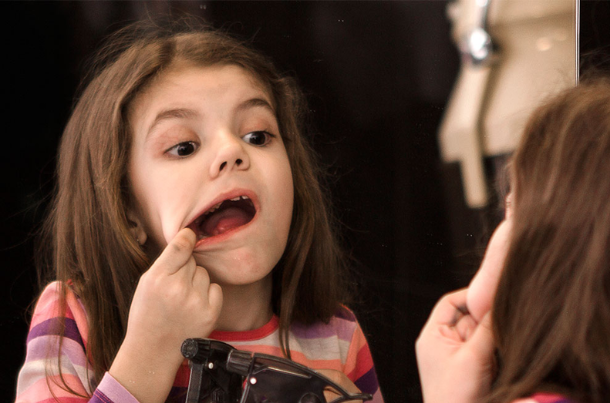
An older child may point directly to the painful spot. A toddler may only drool more, refuse a favorite snack, cry when swallowing, or resist toothbrushing. Acidic foods such as oranges and tomatoes may suddenly sting. Look gently with good light; there is no need to scrape the sore or keep touching it.
Pay closest attention to drinking. A few missed meals are generally less concerning than a child who cannot take enough fluids because swallowing hurts.
How to help a child with mouth ulcers at home
Offer cool fluids and gentle foods
Try small, frequent sips of water or milk, according to your child’s usual diet. A cold drink, ice pop, or chilled yogurt may feel soothing. Choose soft, mild foods such as porridge, scrambled eggs, mashed potato, banana, or well-cooked pasta. Let hot meals cool first.
Pause citrus juice, spicy or salty foods, and crunchy snacks if they sting. A straw may help some children, although others prefer sipping from a cup. There is no need to force food when the mouth is painful; prioritize fluids and return to usual meals as the sore improves.
Once eating feels comfortable again, you can explore these toddler breakfast and dinner ideas for everyday meal inspiration.
Ease pain safely
Ask a pediatrician or pharmacist whether an age-appropriate pain reliever is suitable and follow the label or clinician’s dosing advice. A child who can reliably rinse and spit may try a mild saltwater rinse. Do not use a rinse with a young child who is likely to swallow it.
Check with a clinician or pharmacist before using an oral numbing gel, spray, or mouthwash for a child. Products differ by ingredient and age restrictions. Do not put aspirin directly on an ulcer. Honey may soothe a sore in a child over 12 months, but it should never be given to a baby under one year; it is optional, not a cure.
Keep brushing gently with a soft toothbrush. If a tooth or appliance keeps rubbing the same place, arrange a dental check.
Care by age
Babies and young toddlers: For a young infant, mouth sores with fever or poor feeding deserve prompt medical advice. If your baby is under 3 months and has a temperature of 100.4°F (38°C) or higher, contact their pediatrician immediately or follow your local urgent-care guidance.
Preschoolers: Offer familiar soft foods and frequent drinks without turning meals into a struggle. Let them help choose a cool snack and use a soft toothbrush with gentle guidance.
School-age children: They may be able to describe whether the sore follows a cheek bite, braces adjustment, or particular food. If they can reliably spit, ask a clinician or pharmacist whether a saltwater rinse is appropriate. Keep a simple record if sores recur.
When should you call a doctor or dentist?
Seek urgent medical care Seek emergency medical care if your child has severe difficulty breathing, appears to be choking, cannot swallow their saliva, turns blue or gray, or is unusually unresponsive.
Contact a pediatrician or dentist within a day Contact your child’s pediatrician or dentist promptly if there is fever, a swollen face, red and swollen gums, several sores, sores on the outside of the lips, a toothache near a gum sore, or ulcers that appeared after starting a new medicine.
Book an appointment if a sore has not healed within two weeks, is unusually large or worsening, or ulcers return often. A clinician can check whether there is ongoing irritation, a nutritional concern, or another cause. Seek care sooner whenever your child looks unwell or you are concerned.
Can you prevent mouth ulcers from coming back?
You cannot prevent every canker sore. Gentle brushing, regular dental care, and avoiding a food that repeatedly irritates your child’s mouth may help. Serve a varied diet, and discuss persistent picky eating or recurrent ulcers with a healthcare professional. Do not assume a supplement is needed without an assessment.
If your child has repeated episodes, jot down the date, location, number of sores, other symptoms, recent illness, and any rubbing from teeth or braces. A short record gives the pediatrician or dentist more to work with than a guess about one trigger.
Frequently asked questions
How long do mouth ulcers last in children?
Are mouth ulcers in kids contagious?
What is the fastest way to heal a child’s mouth ulcer?
Can vitamin deficiency cause recurring mouth ulcers?
Should my child stay home from school with a mouth ulcer?
Final thoughts
A tiny sore can make a big difference to your child’s day. Most isolated canker sores settle with time and gentle care. Keep drinks within easy reach, make meals comfortable, and watch how your child is acting as well as how the ulcer looks. When drinking becomes difficult, other symptoms appear, or the sore does not heal, ask a pediatrician or dentist to take a look.
For more practical guidance on children’s health, feeding, development, and everyday parenting, explore Tales of Tots.
Authoritative resources
- American Academy of Pediatrics: Mouth Ulcers or Sores
- NHS: Mouth ulcers
- CDC: Hand, Foot, and Mouth Disease Symptoms and Complications
- NHS: Cold sores
Disclaimer
This article is for general educational and parenting information only and does not replace medical or dental advice from a qualified healthcare professional. Seek medical advice if your child has persistent or recurrent mouth ulcers, fever, swollen gums or face, poor drinking, or sores that do not heal within two weeks. Seek emergency medical care if your child has severe difficulty breathing, appears to be choking, cannot swallow their saliva, turns blue or gray, or is unusually unresponsive.
About the Author
Geeta Yogi writes practical and supportive parenting content about children’s health, feeding, dental care, development, and everyday family concerns. She focuses on clear, parent-friendly guidance that helps families manage common childhood problems and recognize when professional care may be needed.