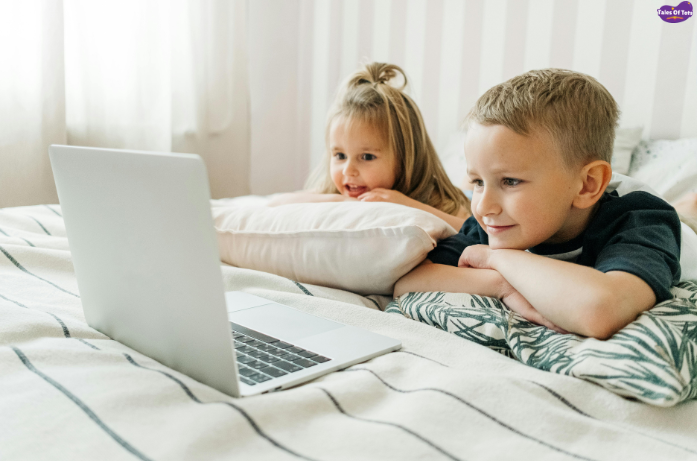
Screens are a part of our everyday life now, whether it’s the TV playing in the background, a tablet in tiny hands, or a phone we quickly check between chores. They can be fun, useful, and even educational. But somewhere in the middle of this digital world, every parent ends up asking the same question:
How do I start managing screen time for kids in a healthy way?
The truth is, the goal isn’t to completely remove screens from your child’s life. Instead, managing screen time for kids is about finding a healthy balance that feels right for your home and your routine. When children use screens thoughtfully, they can learn new things, explore their creativity, and stay connected with the world around them, all without feeling overwhelmed or overstimulated.
This guide is designed to help you understand healthy screen time for childern in a simple, calm, and practical way. It’s not about strict rules or pressure, but about making everyday choices that support your child’s growth and well-being. With small adjustments, screen time can become something positive and manageable for your family.

1. Remember: Quality Matters More Than Quantity
Not all screen time is the same, and that’s an important thing for every parent to remember. Try choosing educational screen time helps your child learn, imagine, and grow in a healthy way. Good-quality screen time doesn’t just entertain them; it also builds curiosity, confidence, and creativity. With just a little attention to what they watch, you can turn screen time into a positive and meaningful part of their day.
Better options include:
- Educational videos
- Learning apps
- Storytelling and music
- Video calls with family
Avoid:
- Fast-paced content
- Endless scrolling
- Violent or overstimulating shows
Focusing on quality over minutes is one of the best screen time guidelines for kids.
For expert-backed screen-time recommendations from child psychiatrists, you can also refer to this resource by the AACAP.
2. Why Managing Screen Time for Kids Works Best With Simple Routines
Children feel more secure and relaxed when they know what to expect. Simple, predictable rules give them a sense of comfort and stability in their daily routine. When screen-time guidelines are clear and consistent, kids don’t feel confused or pressured, instead, they understand what’s allowed and follow it more easily. A simple screen time routine for kids not only keeps things smooth at home but also helps them build healthy habits without feeling restricted.
Easy routines you can follow:
- No screens during meals
- Screen time only after homework or play
- A fixed daily limit that suits your family
- No screens right before bedtime
This helps children understand boundaries without feeling restricted.

3.Watch Together When You Can
Watching together truly makes a big difference. When you sit with your child during screen time, they don’t just watch, they learn, ask questions, and feel more connected to you. Your presence helps them understand things better and feel safe while exploring new content. What could be just another screen session turns into a meaningful moment of bonding, comfort, and shared curiosity. These small moments often create the strongest memories.
When you watch with your child, you can:
- Talk about what they’re watching
- Answer questions
- Guide them toward better content
- Turn screen time into bonding time
These simple digital parenting tips create meaningful bonding moments.

4. Balance Screens With Real-Life Play
Screens should not replace:
• Outdoor Play
Outdoor time helps children get fresh air, build stronger muscles, and boost their confidence. Running, jumping, and climbing also support healthy motor skill development.
• Creative Activities
Art, music, drawing, and craft activities encourage imagination and problem-solving skills. They also give children a healthy way to express their emotions and ideas.
• Free Play With Toys
Free play allows children to explore and play in their own way, which builds independence and thinking skills. It’s an important part of early brain development.
• Conversations and Family Time
Talking and spending time together strengthens a child’s language skills, emotional security, and social development. It helps them feel heard, understood, and connected.
Kids learn best when they get the chance to explore the world around them, touch things with their own hands, and let their imagination run free. Real-life play helps them understand how things work, experiment with new ideas, and express their creativity in a natural way. Even UNICEF emphasizes that a healthy balance between online activities and real-world play supports safer, more meaningful development for children. When children build, create, and discover on their own, they grow with confidence, something no screen can fully replace.
Encourage daily:
- outdoor time
- art and craft
- reading
- puzzles and STEM toys
These screen-free activities for kids build confidence and creativity.
5. Create Screen-Free Zones
Simple, consistent boundaries go a long way in helping children develop healthy habits. When rules are clear and easy to follow, kids understand them better and stick to them naturally. These small limits not only teach discipline but also make their daily routine feel calm and predictable. Over time, such gentle boundaries give children a sense of stability, security, and confidence as they navigate their day-to-day activities.
Great screen-free zones:
- Bedrooms
- Dining table
- Study/activity corners
- Car rides (unless long travel)
These screen time limits for kids improve sleep, focus, and family connection.

6. Avoid Screens Before Bed
Screens can make it harder for children to relax and get a good night’s sleep. The bright lights and fast-moving images keep their minds active when they should be winding down. Avoid screen time before bed, try quiet and calming activities like reading a story, listening to soft music, practicing gentle breathing, or sharing a few cuddles. These simple routines help children sleep better, which is just as important for their growth and brain development as learning.
Instead, try:
· Bedtime Stories:
Reading short, calming stories helps relax your child’s mind and boosts their imagination. It also creates a warm, connected bedtime routine.
· Soft Music:
Gentle, soothing music helps children unwind and shift into a sleepy mood. It creates a peaceful atmosphere that prepares their body for rest.
· Calm Breathing:
Practicing a few slow, easy breaths helps relax both the body and mind. It’s a gentle way to help children settle down before sleep.
· Quiet Cuddles:
A few minutes of warm, quiet cuddles make children feel safe and comforted. This reduces stress and helps them fall asleep more easily.
Sleep is just as important for brain development as learning.
7. Don’t Stress Over Perfect Screen Time
Every family has those hectic days when screens seem like the easiest way to keep kids engaged, and that’s completely okay. Parenting isn’t about doing everything perfectly; it’s about finding a balance that works for your family. What matters most is being mindful of how screens are used, staying consistent with simple routines, and paying attention to what your child is watching. Even Harvard Medical School highlights that mindful, balanced screen use is more supportive for a child’s developing brain than strict rules or extremes.
Just be:
Be Mindful:
Notice when, why, and how long your child is using screens. When you stay aware, it becomes easier to understand whether your child actually needs screen time or is using it out of habit.
Be Consistent:
Set a simple screen-time routine and try to follow it daily. Consistent rules help children know what to expect and reduce unnecessary arguments at home.
Be Aware of What Your Child Is Watching:
Keep an eye on whether the content is age-appropriate, safe, and meaningful. The right content can support your child’s language, creativity, and overall development.
If you’re trying your best, you are doing enough.
FAQs: Managing Screen Time for Kids
1. How much screen time is okay for young kids?
For toddlers, less is better. For older kids, balanced and structured screen time works best. Focus on quality content over minutes.
2. Are educational videos good for children?
Yes, when used in moderation. Choose slow-paced, age-appropriate, and interactive content.
3. Is screen time before bed harmful?
Yes. Screens can delay sleep and overstimulate the brain. Switch to books, soft music, or cuddles instead.
4. What if I need to use screens while managing chores?
That’s completely okay. Choose safe, meaningful content and keep it short. Parenting isn’t about perfection.
5. How do I reduce screen time without tantrums?
Use screen-free activities for kids, offer fun alternatives (art, puzzles, outdoor play), and keep screens predictable, not sudden surprises.
Final Thoughts: Screens Can Support Growth, With Balance
Screens aren’t the enemy. With thoughtful use, they can be fun, educational, and even helpful.
The key is balance, a little screen time, a lot of real-world play, and plenty of warm, connected moments with you.
You don’t have to control every minute, just guide gently, stay involved, and let your child enjoy a healthy mix of learning and play.
Want More Simple & Heartfelt Parenting Tips?
Visit Tales of Tots, your cozy corner for real, relatable parenting guidance.
No pressure. No judgment. Just gentle support for every little parenting moment.
Disclaimer
This article is for general parenting guidance only. Every child is unique, and screen needs vary by age and situation. If you have concerns about your child’s behavior, sleep, or development related to screen use, consult your pediatrician for personalized advice.