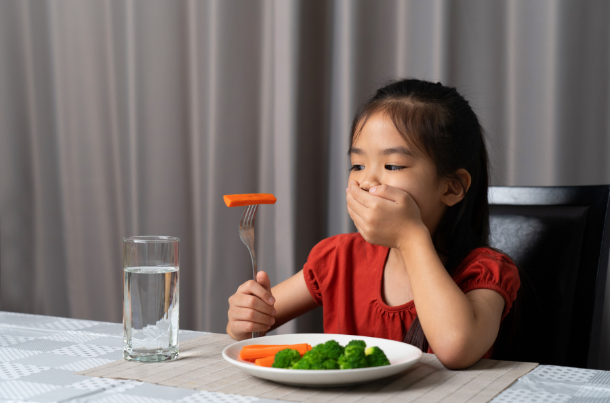
Getting a picky toddler to eat lunch can feel like a daily negotiation. You prepare something healthy, arrange it carefully on a cute plate, and place it in front of your child, only to hear an immediate “No!”
If this sounds familiar, you are certainly not alone. Picky eating is common during the toddler years. Children at this age are discovering independence, developing strong preferences, and sometimes refusing a food simply because it looks unfamiliar.
The good news is that toddler lunches do not need to be complicated. Simple, familiar foods served in small portions can make lunchtime much less stressful. These lunch ideas for picky toddlers are easy to prepare, nutritious, and flexible enough to suit different tastes.
What Makes a Good Toddler Lunch?
A balanced toddler lunch can include three or four simple components:
- A carbohydrate for energy, such as bread, pasta, rice, potato, or a tortilla
- A protein, such as egg, chicken, beans, yogurt, cheese, tofu, or nut butter
- A fruit or vegetable
- A healthy source of fat, such as avocado, olive oil, cheese, or seed butter
You do not need to fit every food group into every single meal. Look at what your toddler eats over several days rather than worrying about one unfinished lunch.
If you want ideas beyond lunchtime, this complete guide to toddler meals includes simple breakfast, lunch, dinner, and snack options for little ones.
It also helps to include at least one food you already know your toddler likes. The familiar food makes the plate feel safe, while a small amount of something new gives your child a pressure-free opportunity to explore it.
25 Lunch Ideas for Picky Toddlers
1. Banana and Peanut Butter Roll-Up
Spread a thin layer of peanut butter on a soft tortilla, place a banana inside, and roll it up. Cut the roll into small, manageable pieces.
If your child has a peanut allergy, use an appropriate seed butter or another safe alternative. Avoid serving thick spoonfuls of nut butter because they can be difficult for young children to swallow.
2. Mini Cheese and Avocado Sandwiches
Mash ripe avocado onto soft bread, add a thin slice of cheese, and cut the sandwich into small squares or strips.
The avocado makes the sandwich creamy without requiring mayonnaise. You can also add a tiny squeeze of lemon to keep the avocado from browning.
3. Toddler Snack Plate
Some picky toddlers are more interested in eating several small foods than one complete meal. Create a snack-style lunch with:
- Cheese pieces
- Soft fruit
- Crackers
- Cooked vegetable pieces
- A spoonful of hummus
Keep the portions small so the plate does not look overwhelming.
4. Scrambled Egg and Toast Fingers
Scrambled eggs are soft, quick to prepare, and a useful source of protein. Serve them with lightly buttered toast fingers and soft fruit such as banana, pear, or ripe peach.
If plain eggs are already accepted, gradually try adding a very small amount of finely chopped spinach or grated cheese.
5. Hidden-Veggie Mac and Cheese
Prepare your toddler’s usual macaroni and cheese, then mix in a little puréed butternut squash, pumpkin, cauliflower, or carrot.
However, try not to hide vegetables every time. Toddlers also benefit from seeing vegetables in their original form, even if they are not ready to eat them yet.
6. Chicken and Cheese Quesadilla
Place finely shredded cooked chicken and grated cheese on one half of a soft tortilla. Fold it over, cook until the cheese melts, and cut it into small triangles.
Serve it with mashed avocado, plain yogurt, or mild salsa for dipping.
7. Creamy Pea Pasta
Mix small pasta shapes with mashed peas, cream cheese, and a splash of warm water. The sauce is mild, creamy, and easy for little mouths to manage.
If your toddler dislikes green foods, begin with a very small amount of peas rather than turning the entire bowl green.
8. Yogurt and Fruit Bowl
Use plain, full-fat yogurt and add soft fruit such as mashed banana, finely chopped strawberries, ripe mango, or stewed apple.
Sprinkle a little finely ground oat cereal on top if your toddler enjoys different textures. This is an especially helpful lunch on days when your child refuses sandwiches or cooked meals.
9. Sweet Potato and Cheese Bites
Combine mashed cooked sweet potato with grated cheese, egg, and a little flour or breadcrumbs. Shape the mixture into small patties and cook until firm.
These bites can be prepared in advance and refrigerated or frozen, making them useful for busy weekdays.
10. Hummus and Pita Plate
Serve soft pita strips with a small portion of hummus, grated carrot, thin cucumber strips, and soft cheese.
If your toddler does not want to dip the bread, spread the hummus directly onto the pita. Sometimes changing the way a food is served makes it feel more approachable.
11. Mini Pizza Toast
Spread a thin layer of low-sodium tomato sauce on soft bread or an English muffin. Add grated cheese and bake until melted.
You can offer finely chopped mushrooms, peppers, spinach, or sweetcorn on the side. Let your toddler decide whether to place them on the pizza.
12. Egg and Avocado Mash
Mash a cooked egg with ripe avocado until it reaches a soft, creamy texture. Serve it on toast fingers, inside a tortilla, or with soft crackers.
This simple meal provides protein and fat without requiring a long list of ingredients.
13. Buttered Pea and Cheese Pasta
Toss warm pasta with a little butter, soft peas, and grated cheese. If whole peas are difficult for your toddler to manage, gently mash them before serving.
Use familiar pasta shapes to make a new ingredient feel less intimidating.
14. Turkey and Cream Cheese Pinwheels
Spread cream cheese over a soft tortilla and add thinly sliced, lower-sodium turkey. Roll it tightly and cut it into bite-sized pinwheels.
Processed meats can contain a lot of sodium, so they are better offered occasionally rather than every day.
15. Rice and Lentil Bowl
Serve soft rice with well-cooked lentils and a small spoonful of plain yogurt. You can keep the flavors mild or use gentle seasonings your family regularly enjoys.
There is no need to make every toddler meal completely bland. Familiar herbs and spices can help children become comfortable with the foods eaten by the rest of the family.
16. Grilled Cheese with Tomato Dip
Make a simple grilled cheese sandwich and cut it into narrow strips. Offer a small bowl of warm tomato soup or smooth tomato sauce for dipping.
For toddlers, choose a soup that is not too hot and does not contain large amounts of added salt.
17. Mashed Bean and Cheese Wrap
Mash black beans, kidney beans, or white beans until smooth. Spread them over a tortilla, add cheese, fold, and warm gently.
Begin with a thin layer of beans if they are new to your toddler.
18. Cottage Cheese and Fruit Plate
Serve cottage cheese with soft fruit, toast, and thinly sliced avocado. Some toddlers prefer the ingredients separated, while others enjoy everything mixed together.
If the texture of cottage cheese causes resistance, try blending it until smooth.
19. Mild Chicken and Rice
Combine soft rice with finely shredded chicken and a little unsalted broth or yogurt to prevent the meal from becoming dry.
Add a familiar vegetable on the side rather than mixing everything together if your toddler prefers foods not to touch.
20. Veggie Egg Muffins
Whisk eggs with grated cheese and finely chopped cooked vegetables. Pour the mixture into a mini muffin pan and bake until completely cooked.
These mini muffins are easy for toddlers to hold and can be stored in the refrigerator for quick lunches.
21. Apple and Cheese Sandwich
Layer thinly grated or softly cooked apple with cheese on bread. The combination is slightly sweet, which may appeal to children who usually reject savory sandwiches.
Avoid hard pieces of raw apple for younger toddlers because they can be a choking hazard.
22. Soft Vegetable Fritters
Mix grated zucchini or carrot with egg, cheese, and a little flour. Cook small fritters until they are soft inside and easy to break apart.
Serve them with yogurt or hummus. If your child only takes one bite, consider that useful exposure rather than a failed lunch.
23. Deconstructed Sandwich Plate
If your toddler takes sandwiches apart, save both of you the frustration and serve the ingredients separately.
Place small portions of bread, cheese, shredded chicken, avocado, and soft cucumber on the plate. Your child can eat each item individually or build a tiny sandwich.
24. Banana Oat Pancakes
Mash a ripe banana with an egg and finely ground oats. Cook small pancakes until completely set.
Serve with yogurt and berries that have been softened, mashed, or cut safely. These pancakes are naturally sweet without needing syrup.
25. Leftover Family Meal
Toddler lunch does not always need to be a separate recipe. A small serving of last night’s pasta, curry, rice, roasted vegetables, or chicken can work perfectly.
Modify the texture, reduce overly spicy sauces when necessary, and cut everything into age-appropriate pieces.
A Simple Five-Day Toddler Lunch Plan
| Day | Main Food | Fruit or Vegetable | Side |
|---|
| Monday | Chicken and cheese quesadilla | Mashed avocado | Soft pear |
| Tuesday | Creamy pea pasta | Cooked carrot | Plain yogurt |
| Wednesday | Scrambled egg and toast | Soft tomato pieces | Banana |
| Thursday | Sweet potato bites | Steamed broccoli | Cheese |
| Friday | Mini pizza toast | Cucumber strips | Ripe berries |
Use this as a flexible guide rather than a strict schedule. It is perfectly fine to substitute foods based on what you have at home and what your toddler can safely eat.

How to Encourage a Picky Toddler to Eat Lunch
Encouraging a picky toddler to eat lunch is less about persuading them to take another bite and more about creating a calm, positive mealtime environment. Offering small portions, pairing familiar foods with new ones, following a predictable meal routine, and avoiding pressure can help your toddler gradually become more comfortable exploring different foods.
Start With Small Portions
A large plate can feel overwhelming. Start with small, child-sized portions and offer more if your toddler is still hungry.
child-sized portions so the plate does not feel overwhelming, and offer more if your toddler is still hungry. and offer more if your child is still hungry.
Small portions also reduce waste and take some of the pressure out of trying something unfamiliar.
Pair New Foods With Familiar Favorites
Instead of serving an entirely unfamiliar lunch, place a tiny portion of the new food beside something your toddler usually accepts.
For example, serve one small broccoli piece alongside pasta and cheese. Your toddler does not have to eat the broccoli for the exposure to be valuable.
Avoid Pressuring Them to Eat
Statements such as “Just take one bite” may seem harmless, but they can quickly turn lunch into a struggle. Offer balanced foods at regular meals and snacks without pressure, and allow your toddler to decide whether and how much they want to eat.
Keep the atmosphere calm, even when very little food is eaten.
Serve Foods More Than Once
A toddler may need to see or taste a food many times before accepting it. Refusing something today does not necessarily mean your child will always dislike it.
Try serving the food again on another day, perhaps in a different shape or alongside a different favorite.
Let Your Toddler Help
Simple involvement can make food more interesting. Let your child:
- Choose between two fruits
- Sprinkle cheese over a tortilla
- Stir yogurt and fruit
- Place sandwich pieces on a plate
- Carry a safe ingredient to the table
The goal is not to make your toddler responsible for the meal. It is simply to build comfort and curiosity around food.
Keep a Predictable Meal Routine
Try to serve meals and snacks at reasonably consistent times. Constant grazing can leave toddlers too full to eat lunch.
Water can remain available, but large drinks immediately before a meal may also reduce appetite.
Eat Together When Possible
Toddlers learn by watching. Seeing you eat the same foods without pressure can gradually make unfamiliar foods feel normal.
You do not need to perform exaggerated praise for the vegetables. Simply eat and enjoy the meal together.
Important Toddler Lunch Safety Tips
Always supervise your toddler while eating and seat them upright. Prepare every food according to your child’s age and chewing ability.
Foods that are hard, round, slippery, sticky, or difficult to chew may pose a choking risk. Whole grapes, whole nuts, popcorn, hard raw vegetables, chunks of meat or cheese, thick spoonfuls of nut butter, and coin-shaped pieces of sausage or hot dog require particular care.
Prepare grapes and other round foods in an age-appropriate way that reduces their round shape and size, and follow current choking-prevention guidance.
cook vegetables until soft, spread nut butter thinly, finely shred meat, and modify other foods as needed.
Every child develops differently. If you are uncertain about a particular food or texture, speak with your child’s pediatrician.
When Should You Seek Professional Help?
Picky eating is often a normal stage, but contact a pediatrician or qualified feeding professional if your toddler:
- Is losing weight or not growing as expected
- Eats only a very small number of foods
- Regularly coughs, chokes, or gags during meals
- Has difficulty chewing or swallowing
- Appears tired, weak, or unwell
- Shows extreme fear or distress around food
- Completely avoids particular textures
- Has suspected food allergies or nutritional deficiencies
Professional support can help identify feeding difficulties, sensory concerns, allergies, or medical conditions that may need attention.
Final Thoughts
Finding successful lunch ideas for picky toddlers is often less about creating the perfect recipe and more about keeping meals simple and pressure-free.
Offer small portions, include a familiar food, and continue presenting different tastes and textures without forcing your child to eat. Some days your toddler may finish everything. On other days, lunch may consist of half a piece of toast and three bites of banana. That variation is normal.
Your job is to provide safe, balanced options. Your toddler’s job is to listen to their body. With patience and repeated exposure, their list of accepted foods can gradually grow.
For more simple toddler meal ideas, picky-eating tips, and practical parenting guidance, explore Tales of Tots for more helpful resources.
Trusted Resources
CDC: Foods and Drinks to Encourage
American Academy of Pediatrics / HealthyChildren: 10 Tips for Parents of Picky Eaters
Disclaimer
This article is for general educational and informational purposes only and is not a substitute for personalised medical, nutritional, or feeding advice from your child’s pediatrician, registered dietitian, or another qualified healthcare professional. Always supervise toddlers while eating, seat them upright, and prepare foods according to their age and chewing ability to reduce choking risk. Seek professional advice if your child has difficulty chewing or swallowing, regularly coughs or chokes during meals, shows extreme distress around food, has suspected allergies or nutritional deficiencies, or is not growing as expected.
About the Author
Geeta Yogi writes practical, parent-friendly content about toddler nutrition, picky eating, child development, and everyday family life. She focuses on helping parents create simple, low-pressure routines that make mealtimes feel more manageable while supporting children as they gradually explore new foods and textures.