When your child comes to you and says, “My legs hurt,” or complains about pain in their arms, knees, or other areas, it is natural to feel concerned. As parents, we want to understand every little ache and make sure our children are healthy and comfortable.
The good news is that many cases of joint and muscle pain in children are temporary and harmless. Active play, minor injuries, and common childhood growing aches can all cause discomfort. However, sometimes ongoing pain, swelling, or other symptoms may be a sign that your child needs medical attention.
Understanding the possible causes, knowing what symptoms to look for, and learning simple ways to provide comfort can help you feel more confident when your child is hurting.
Quick Answer: What Causes Joint and Muscle Pain in Children?
Joint and muscle pain in children can happen for many reasons, including normal growing pains, active play, muscle strain, minor injuries, infections, or inflammation-related conditions.
Many children experience occasional leg or muscle aches that improve with rest and comfort. However, pain that continues, affects daily activities, causes swelling, or appears with symptoms like fever or tiredness should be checked by a healthcare professional.
Joint Pain vs Muscle Pain in Children
Muscle pain usually affects the soft tissues that help children move, while joint pain involves areas where bones meet. The location, timing, and other symptoms can help healthcare professionals understand the possible cause.
Common Causes of Joint and Muscle Pain in Children
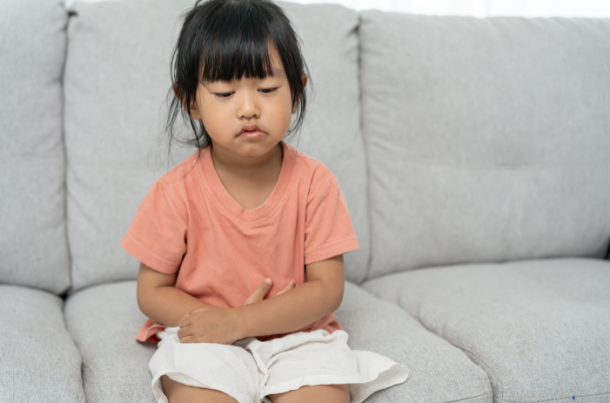
Children’s bodies are constantly growing and changing. Their muscles, bones, and joints work hard every day as they run, climb, jump, and explore.
Here are some common reasons children may experience aches and pains.
1. Growing Pains in Children
One of the most common reasons parents notice leg discomfort is growing pains in children.
Growing pains usually happen between preschool age and preteen years. Despite the name, doctors do not believe these pains happen because bones are growing. Instead, they are often linked to muscle fatigue, daily activities, and the stress children’s bodies experience from being active.
Growing pains usually:
- Happen in the evening or at night
- Affect both legs
- Feel like aching or throbbing muscles
- Improve by morning
- Do not usually affect a child’s normal activities during the day
A child may wake up saying their legs hurt but then run and play normally the next morning.
Many parents search for child leg pain at night because these aches often appear during the evening or while children are resting.
Gentle reassurance, a warm bath, and a loving massage can often help them feel better.
2. Muscle Strain From Active Play
Children rarely sit still for long, and that is a wonderful part of childhood. Running around the playground, jumping, dancing, sports, and rough play can sometimes lead to sore muscles.
Active play is not only important for physical development but also supports learning, coordination, and confidence. Parents can explore simple brain development activities for kids that encourage movement, curiosity, and skill-building through play.
Muscle pain in children may happen when a muscle becomes tired or slightly overstretched.
Signs of muscle strain may include:
- Pain in one specific area
- Tenderness when touched
- Discomfort after physical activity
- Mild stiffness
Giving the body time to rest usually helps. Encourage your child to take a break from activities that make the pain worse.
3. Minor Injuries and Falls
Small accidents are part of growing up. A fall from the playground, a twisted ankle, or bumping a knee can cause temporary pain.
Children may experience:
- Leg pain
- Arm pain
- Muscle soreness
- Mild swelling
Most minor injuries improve with time, rest, and comfort. However, if your child cannot walk, refuses to use a limb, or has significant swelling, it is important to seek medical advice.
4. Viral Infections
Sometimes muscle aches in kids happen when the body is fighting an infection.
Common illnesses like colds, flu, or other viruses can cause:
- Body aches
- Muscle soreness
- Tiredness
- Fever
- Reduced energy
Usually, these aches improve as your child recovers from the illness.
During this time, focus on:
- Plenty of fluids
- Rest
- Comfortable clothing
- Extra cuddles and reassurance
5. Juvenile Idiopathic Arthritis (JIA)
While less common, persistent joint pain in children may sometimes be related to an inflammatory condition called juvenile idiopathic arthritis.
JIA happens when the immune system mistakenly causes inflammation in the joints.
Possible symptoms include:
- Joint swelling
- Pain that continues over time
- Morning stiffness
- Warm or tender joints
- Difficulty moving normally
- Fatigue
- Fever or rash in some cases
Early medical evaluation is important because treatment can help manage inflammation and protect healthy growth.
6. Lupus in Children
Lupus is an autoimmune condition that can affect different parts of the body. It is less common in young children but may occur, especially during the teenage years.
Symptoms may include:
- Joint pain or swelling
- Ongoing tiredness
- Skin rashes
- Fever
- Mouth sores
- Sensitivity to sunlight
Because lupus symptoms can vary, parents should speak with a healthcare provider if they notice ongoing or unusual symptoms.
7. Lyme Disease
Lyme disease is an infection spread through tick bites. Children who spend time outdoors in areas where ticks are common may be at risk.
Possible symptoms include:
- Joint or muscle pain
- Fever
- Tiredness
- A circular rash around a tick bite
- Facial weakness in some cases
Checking your child for ticks after outdoor activities and using protective clothing can help reduce risk.
8. Other Possible Causes of Muscle and Joint Pain
Sometimes childhood aches may also be related to:
- Overuse injuries
- Vitamin deficiencies
- Restless leg syndrome
- Stress or anxiety-related body discomfort
- Certain infections
If pain keeps returning or does not seem typical for your child, it is always best to discuss it with a doctor.
Symptoms of Joint and Muscle Pain in Children Parents Should Notice
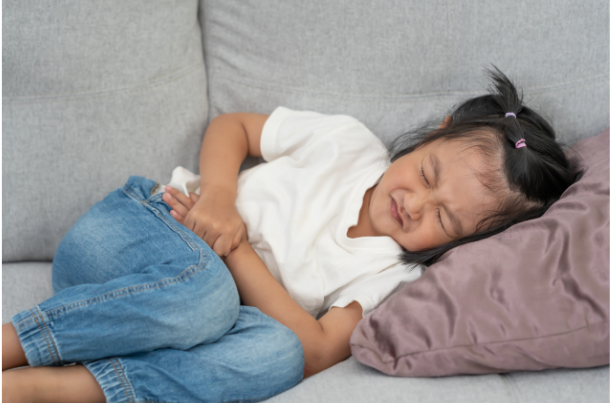
Children may describe pain differently depending on their age. Younger children may simply say “my leg hurts” or become less active.
Common symptoms include:
- Complaints of aching muscles or joints
- Difficulty walking or running
- Limping
- Swelling around a joint
- Redness or warmth
- Stiffness
- Pain during movement
- Tiredness
- Fever
- Loss of appetite
Keeping track of when the pain happens can be helpful. Notice whether it occurs after activity, at night, in one area, or along with other symptoms.
Treatment for Joint and Muscle Pain in Children
Treatment depends on what is causing the discomfort.
For simple muscle aches or growing pains, comfort measures may be enough.
For medical conditions, treatment may involve:
- Doctor-recommended medications
- Physical therapy
- Lifestyle changes
- Treatment for underlying infections or inflammation
A healthcare provider can help determine the right approach based on your child’s symptoms.
Home Remedies for Muscle Pain in Kids
For mild discomfort, parents can try gentle comfort measures at home.
Gentle Massage
A soft massage can help relax tired muscles and provide comfort, especially for nighttime leg aches.
Warm Bath
A warm bath before bedtime can help relax muscles and make children feel calmer.
Make sure the water is comfortably warm and never too hot.
Warm Compress
A warm towel or heating pad used carefully may help relieve muscle discomfort.
Always protect your child’s skin and avoid leaving heating devices unattended.
Supportive Shoes
Comfortable, supportive footwear can help children who are active throughout the day.
Well-fitting shoes may reduce unnecessary strain on growing feet and legs.
Rest and Hydration
Encourage your child to rest when needed and drink enough fluids throughout the day.
A tired body often needs extra care and recovery time.
Pain Relief Medicine
Occasionally, over-the-counter medicines such as acetaminophen or ibuprofen may help relieve pain when used correctly.
Always follow age and weight-based dosing instructions and speak with your child’s doctor if you are unsure.
When Should Parents Speak With a Doctor?
Most childhood aches are not serious, but some symptoms should not be ignored.
Contact a healthcare professional if your child has:
- Pain in only one leg or one joint
- Pain that continues during the day
- Swollen, red, or warm joints
- Trouble walking or limping
- Fever with joint pain
- Unexplained weight loss
- Extreme tiredness
- Loss of appetite
- A rash
- Pain after a serious injury
Trust your instincts. Parents often notice when something feels different from normal.
When Is Child Joint or Muscle Pain an Emergency?
Seek urgent medical care if your child:
- Cannot walk or refuses to use an arm or leg
- Has severe swelling after an injury
- Has severe pain that starts suddenly
- Has trouble breathing or appears very unwell
- Has a high fever with severe joint pain
Growing Pains vs Serious Joint Pain: How to Tell the Difference
| Growing Pains | Possible Concern |
|---|---|
| Usually affects both legs | Often affects one joint or one area |
| Happens mostly at night | May happen throughout the day |
| No swelling or redness | Swelling, warmth, or redness may appear |
| Child feels normal the next day | Child may have trouble walking or playing |
| Affects muscles | Often involves joints |
Frequently Asked Questions (FAQs)
What causes joint pain in children?
Are growing pains real?
What age do children usually get growing pains?
Why does my toddler have leg pain?
How can I relieve my child’s muscle pain at home?
When should I worry about my child’s leg pain?
Can joint pain in children be serious?
Why does my child’s leg hurt at night?
Final Thoughts
Seeing your child experience pain is never easy. As parents, we naturally want to fix every discomfort and make them feel better as quickly as possible.
Many cases of joint and muscle pain in children are linked to normal childhood activities, growing pains, or minor injuries. With rest, comfort, and gentle care, children often recover quickly.
However, if your child’s pain feels unusual, lasts longer than expected, or comes with other symptoms, reaching out to a healthcare professional can provide answers and peace of mind.
Looking for more helpful parenting and child wellness tips? Visit Tales of Tots for practical guides, caring advice, and useful resources to support your little one as they grow.
Resources and Further Reading
Disclaimer
This article is for general educational and informational purposes only and is not a substitute for professional medical advice, diagnosis, or treatment. If your child has persistent or severe joint or muscle pain, swelling, fever, difficulty walking, unusual weakness, or other concerning symptoms, contact your pediatrician or another qualified healthcare professional.
About the Author
Geeta Yogi writes practical and parent-friendly content about children’s health, growth, development, and everyday family wellbeing. She focuses on helping parents understand common childhood concerns, recognize symptoms that may need medical attention, and support their children with gentle, informed care.