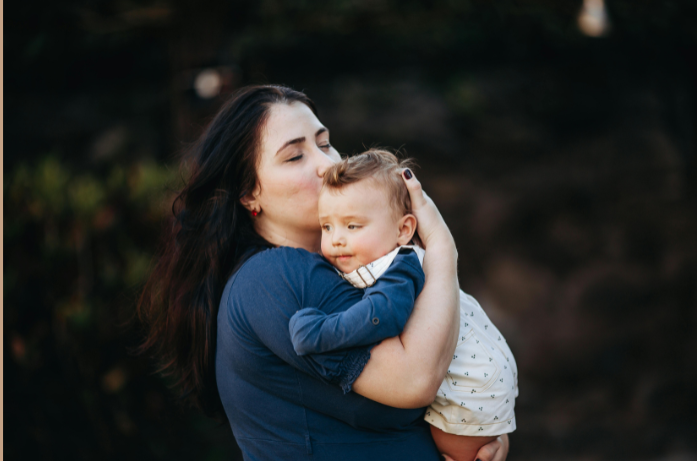
When I first held my tiny baby in my arms, a quiet thought kept coming back to me… Am I doing enough? Am I truly giving my child the best possible start in life?
If you’ve ever felt that gentle worry in your heart, please know, you’re not alone. Almost every mom feels this at some point. We think about our children’s future, their happiness, and how they’re growing, even in the smallest everyday moments.
That’s why understanding the importance of early childhood education matters so much. It’s not just about teaching ABCs or counting numbers. It’s about nurturing your child’s confidence, their natural curiosity, and their love for learning right from the very beginning.
So let’s walk through this together… one mom to another
What Is Early Childhood Education?
Early childhood education is all about the learning and growth that happens in your child’s early years, from birth up to around 8 years old.
But here’s something many of us don’t realize at first, it’s not just about school or structured lessons. In fact, some of the most meaningful learning happens right at home, in the simplest moments you share with your child.
It’s in the little things… like when your baby giggles during playtime, when you talk to them while doing daily chores, or when you sing a lullaby before bedtime. It’s in the stories you tell, the questions they ask, and the way they explore the world around them with wide, curious eyes.
Early childhood education includes:
- Playtime at home
- Loving conversations with you
- Storytelling, rhymes, and songs
- Exploring everyday experiences together
In the simplest words, it’s everything your child sees, hears, feels, and experiences that helps them grow, not just mentally, but emotionally and socially too.
And the most beautiful part? You’re already a big part of that learning, just by being there
The Importance of Early Childhood Education
Understanding the importance of early childhood education truly changed the way I began to see the little moments with my child. Things that once felt ordinary, like chatting during diaper changes or playing a simple game of peek-a-boo, suddenly felt so meaningful. I realized that learning isn’t something that only happens in classrooms… it’s happening right there, in our everyday routines.
Here’s why it matters so deeply, mama
1. Builds a Strong Foundation for Learning
In the early years, a child’s brain is growing and developing at an incredible pace, faster than it ever will again.
When your child is surrounded by words, play, and loving interaction, they naturally begin to build important skills like:
- Better communication
- Stronger memory
- Improved focus
It’s a lot like planting seeds in rich, healthy soil. The care and attention you give now quietly shape how beautifully your child will grow later.
2. Supports Emotional Development
Children aren’t just learning how to talk, they’re learning how to feel and understand their emotions.
Through early experiences, they slowly begin to figure out:
- How to express what they’re feeling
- How to handle frustration or disappointment
- How to feel safe, secure, and deeply loved
As a mom, this part always touches my heart the most. Because at the end of the day, raising a kind, emotionally strong child feels just as important, if not more, than raising a smart one.
3. Encourages Social Skills
Whether it’s playing with siblings, cousins, or other children, those early interactions teach your child so much.
They begin to learn:
- How to share
- How to wait for their turn
- How to communicate with others
These may seem like small lessons now, but they become the foundation for strong, healthy relationships in the future.
4. Boosts Confidence and Independence
Have you ever noticed that little spark of pride on your child’s face when they do something on their own?
Those early learning experiences help them:
- Make simple choices
- Solve little problems
- Feel capable and confident
And honestly, watching that confidence grow, little by little, is one of the most beautiful and rewarding parts of being a mom.
Importance of Early Education in Everyday Life
When we think about the importance of early education, it’s so easy to picture classrooms, books, and structured lessons. But the truth is, some of the most meaningful learning happens right at home, in the middle of your everyday routine.
It’s in those small, simple moments that don’t look like “learning” at all… but actually mean everything.
Your child is already learning when they:
- Help you in the kitchen, counting spoons, watching you mix, noticing little details
- Listen to bedtime stories, picking up new words, sounds, and expressions
- Play with their toys, figuring things out, solving tiny problems in their own way
- Ask those endless “why” questions, showing their growing curiosity about the world
And I know, sometimes those questions can feel exhausting… but they’re actually such a beautiful sign that your child is eager to learn.
The most comforting part? You don’t need fancy toys, expensive programs, or perfect routines.
Your time, your attention, and your love are more than enough.
Because at the end of the day, you are your child’s first and most powerful teacher Top of FormBottom of Form
The Importance of Play Based Learning in Early Childhood Education
If there’s one thing motherhood has gently taught me, it’s this, children learn the most when they’re simply enjoying themselves. No pressure, no strict rules… just pure, happy play.
That’s why the importance of play based learning in early childhood education is something every parent should understand. It’s not extra, it’s essential.
Why Play Matters So Much
It’s easy to think of play as just a way to keep kids busy. But in reality, play is where the real learning happens.
When your child is playing, they’re not just passing time, they’re quietly building important life skills. Through play, children naturally develop:
- Creativity
- Imagination
- Problem-solving skills
- Emotional understanding
And the most beautiful part? They don’t even realize they’re learning.
Just think about those little everyday moments…
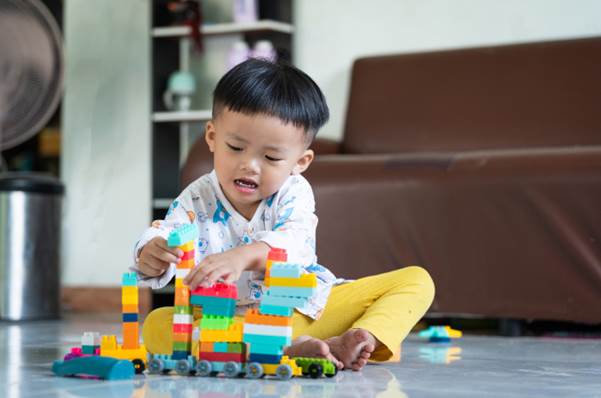
When your child stacks blocks to build a tower, they’re learning balance and patience.
When they pretend to cook in their toy kitchen, they’re understanding routines and roles.
To us, it might look like simple play. But to them, it’s their way of making sense of the world around them.
And honestly, watching them learn and grow through something so joyful, it’s one of the sweetest parts of being a mom

Types of Play That Support Learning
As moms, we often wonder “What kind of play is actually helpful for my child?” The good news is, you don’t need anything complicated. Simple, everyday play can do wonders for your child’s development.
Here are a few gentle and effective types of play you can encourage at home:
1. Free Play
This is one of the most beautiful kinds of play to watch. Just let your child explore on their own, without too many rules or instructions.
Whether they’re stacking blocks, scribbling on paper, or just moving toys around in their own little world, this kind of play builds independence and creativity. It gives them the freedom to think, imagine, and create in their own unique way.
2. Pretend Play
You’ve probably seen your child playing “house,” pretending to be a doctor, or even talking to their toys like they’re real people.
It may look simple, but this kind of play is so powerful. It helps children understand emotions, relationships, and different roles in life. They learn empathy, expression, and how to make sense of the world around them.
3. Outdoor Play
There’s something truly special about letting kids play outside.
Running, jumping, touching grass, or simply exploring nature helps in both physical and mental development. It keeps them active, boosts their mood, and allows them to experience the world beyond walls.
Sometimes, a little sunshine and fresh air can do more than any toy ever could.
4. Guided Play
This is when you gently join in your child’s play.
You don’t have to take control, just sit with them, talk, ask simple questions, and guide them a little. This kind of play strengthens your bond and adds a layer of learning without making it feel like a lesson.
And honestly, these shared moments often become the ones we cherish the most
How Early Education Shapes Your Child’s Future
It’s completely natural to wonder sometimes… Does all of this really make a difference later on?
All those little moments, the talking, the playing, the reading, do they truly matter in the long run?
The answer is, yes, more than we often realize.
Children who receive love, attention, and strong early learning experiences don’t just grow academically, they grow as individuals. Over time, you’ll notice that they:
- Feel more comfortable and confident in school
- Express themselves better and communicate more clearly
- Face small challenges without giving up easily
- Build stronger, healthier relationships with others
But beyond all of this, there’s something even more important.
They grow into happy, emotionally balanced individuals, children who feel secure in themselves and connected to the world around them.
And as moms, when we really think about it… isn’t that what we truly want for our children?

Practical Ways Moms Can Support Early Childhood Education at Home
One thing I’ve learned along this journey is, you don’t need to be a trained teacher to help your child learn and grow. Truly, you don’t.
All your child really needs is you, your time, your love, and your presence. Those everyday moments you share are already shaping their little world in the most beautiful way.
Here are some simple, gentle ways you can support your child’s learning at home:
1. Talk to Your Child Often
Even if your baby is too little to reply, keep talking to them. It may feel one-sided, but it’s actually doing so much for their development.
You can:
- Describe what you’re doing throughout the day
- Ask simple, playful questions
- Respond to their coos and little sounds
These small conversations help build language skills faster than we even realize. And over time, you’ll notice how they start responding in their own adorable ways.
2. Read Every Day
Reading doesn’t have to be perfect or structured. It’s more about the feeling than the technique.
Sit close, hold a book, and:
- Use fun, expressive voices
- Point at pictures and name things
- Let your child flip the pages
These tiny habits slowly build a love for books and stories that can last a lifetime.
3. Create a Safe Space for Play
You don’t need a Pinterest-perfect playroom or expensive toys.
What matters most is giving your child:
- Safe and simple toys
- Enough space to move around
- Freedom to explore without constant restrictions
Sometimes, the simplest spaces turn into the richest learning environments, because they allow children to be themselves.
4. Follow Your Child’s Interests
Every child is different, and that’s what makes them so special.
If your little one loves cars, talk about colors, shapes, and sounds using cars.
If they’re fascinated by animals, read animal stories or mimic animal sounds together.
When learning follows your child’s natural curiosity, it becomes effortless, and so much more enjoyable.
5. Be Patient and Encouraging
This one is close to my heart, because it’s something we all need to remind ourselves of.
Children don’t learn everything overnight. They grow at their own pace.
Instead of correcting them again and again, try to:
- Appreciate their effort
- Celebrate even the smallest progress
- Guide them gently when needed
Your encouragement builds their confidence in ways that perfection never can.
At the end of the day, mama, it’s not about doing everything perfectly.
It’s about showing up with love, patience, and intention.
And trust me, those little moments you’re sharing today are shaping something truly beautiful for tomorrow Top of FormBottom of Form
Common Myths About Early Childhood Education
As moms, we’re constantly surrounded by advice, some helpful, some confusing, and sometimes even overwhelming. It’s easy to start questioning ourselves and wondering if we’re doing things “the right way.”
So let’s gently clear up a few common myths that many parents believe, but don’t always tell the full story:
Myth 1: Learning Must Be Structured
It’s easy to think that children need strict routines, worksheets, or formal teaching to learn properly.
But the truth is, children learn best when they’re relaxed, curious, and engaged. Playtime, conversations, and simple interactions often teach them far more than rigid schedules ever could.
Sometimes, the most meaningful learning happens in the most unplanned moments.
Myth 2: Academic Skills Are Most Important
We often focus so much on things like reading, writing, and numbers… and yes, they are important.
But in the early years, emotional and social development matter just as much.
Learning how to express feelings, share with others, and build connections creates a strong foundation for everything else. A child who feels secure and understood learns better in every way.
Myth 3: Only Schools Provide Education
Many parents feel that real learning only begins once a child starts school.
But the truth is, your home is your child’s very first classroom.
The way you talk, play, comfort, and spend time with your child shapes their learning every single day. Long before any teacher enters their life, you are already teaching them so much.
At the end of the day, it’s okay to let go of the pressure to do everything perfectly.
You’re already doing something incredibly important, loving, guiding, and growing alongside your child
If you’re reading this and wondering whether you’re doing enough, pause for a moment.
The way you:
- Hug your child
- Talk to them
- Play with them
- Comfort them
…that is early childhood education.
You don’t have to be perfect. You just have to be present.
Conclusion: You Are Your Child’s First Teacher
Understanding the importance of early childhood education isn’t about putting more pressure on yourself, it’s about gently realizing just how meaningful your everyday moments already are.
You are your child’s safe place, their comfort, their guide… and their very first teacher.
All those little things you do without even thinking, the smiles you share, the stories you tell, the cuddles you give, are quietly shaping the person your child is becoming.
So take a deep breath, mama.
You don’t have to be perfect. You don’t have to have all the answers.
You are already doing more than you think.
And your little one?
They’re learning, growing, and blooming in the warmth of your love every single day.
If you’d like more gentle parenting tips, real mom experiences, and simple ways to support your child’s growth, you can visit Tales of Tots, a space created with love, just for moms like you
Source