The moment your baby reaches six months, it can feel as though a whole new parenting chapter opens overnight. There are tiny spoonfuls of purée, messy high-chair adventures, new textures to explore, and suddenly, another question pops into your mind: how much water should a 6 month old drink?
I remember how surprisingly confusing these little milestones can feel. You know your baby gets plenty of liquid from breast milk or formula, but once solid foods enter the picture, that little cup of water seems to come with a hundred questions.
Should I offer water after every meal? Is a few sips enough? What if my baby loves water and wants more? And what if they barely drink any at all?
The reassuring answer is that at six months, water is usually about learning and gentle introduction, not replacing the milk your baby depends on.
Let’s make this new stage feel a little simpler.
How Much Water Should a 6 Month Old Drink?
Once your baby is around six months old and has started eating complementary foods, you can generally begin offering small amounts of plain water, often around 4–8 ounces (about 120–240 mL) over an entire day.
That does not mean your baby needs to finish that amount. Some six-month-olds will happily take several little sips, while others may barely be interested at first.
At this age, breast milk or properly prepared infant formula should still be your baby’s main source of nutrition and hydration. Water is simply an extra that can be introduced alongside meals.
Think of it less as, “My baby needs to drink this cup,” and more as, “My baby is learning what water is and how to drink it.”
That small change in perspective can take away a lot of unnecessary pressure.
Why Doesn’t a 6-Month-Old Need Much Water?
Adults reach for water throughout the day, so it can feel strange that babies need so little.
But your baby’s needs are different.
Breast milk contains a high proportion of water along with the nutrients babies need. Properly prepared infant formula also provides both hydration and nutrition. This means babies who are feeding normally are already receiving a substantial amount of fluid.
Once complementary foods begin, a little water can be useful, particularly with meals. But there is no need to suddenly turn water into another daily target you have to chase.
Your baby’s milk feeds are still doing most of the heavy lifting.
Why Water Shouldn’t Replace Breast Milk or Formula
This is probably the most important thing to remember when introducing water.
A baby’s tummy is tiny.
If your six-month-old fills up on water, there may be less room for breast milk or formula. Unlike milk, plain water doesn’t provide the calories, fat, protein, vitamins, and minerals your rapidly growing baby needs.
That’s why offering water should complement milk feeds rather than compete with them.
You don’t need to panic if your baby enjoys a few enthusiastic gulps. Just avoid deliberately replacing normal breast or formula feeds with bottles or cups of water unless your pediatrician has specifically advised you to do so.
Can a Baby Drink Too Much Water?
Yes, babies can be given too much water.
Large amounts of water can fill a baby’s stomach and reduce their intake of nutritious milk. More seriously, excessive water can disturb the body’s sodium balance, a potentially dangerous condition sometimes called water intoxication or hyponatremia.
This is one reason more water is not automatically better for a baby.
Small, age-appropriate amounts offered alongside complementary foods are very different from giving a young baby large bottles of water throughout the day.
And never dilute infant formula with extra water to make it last longer or because you think your baby needs additional hydration. Formula should always be prepared according to the manufacturer’s directions unless a qualified healthcare professional gives you different instructions.
When Should I Start Giving My Baby Water?
For most babies, around six months is a natural time to introduce small amounts of water because this is also when complementary foods commonly begin.
There isn’t a magical change that happens the morning your baby turns exactly six months old, though.
Readiness for solids matters too. Babies develop at slightly different rates, and premature babies or children with particular medical or feeding needs may have different recommendations.
If you’re unsure whether your little one is ready for water or complementary foods, your pediatrician or another qualified healthcare professional can guide you based on your baby’s development.
What About Babies Younger Than 6 Months?
Babies younger than about six months generally don’t need plain water when they are exclusively receiving breast milk or correctly prepared infant formula, unless a healthcare professional specifically recommends otherwise.
Even during warm weather, breastfed babies can usually meet their hydration needs by feeding more frequently. Formula-fed babies should continue receiving correctly prepared formula rather than additional water without medical guidance.
It can be tempting to think, “It’s hot, so surely my baby needs a drink of water.”
That’s completely understandable—we naturally relate a baby’s thirst to our own. But young babies’ bodies handle fluids differently from ours, which is why age-specific guidance matters.
The Easiest Way to Introduce Water at 6 Months
You don’t need a complicated schedule.
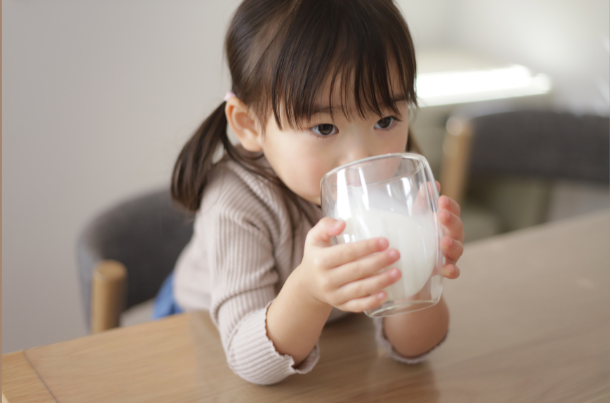
When your baby is sitting down for a meal, put a small amount of water in an appropriate open cup, training cup, or straw cup and let them explore.
At first, “drinking” may involve grabbing the cup, chewing the rim, spilling water down their bib, and somehow getting almost none into their mouth.
That’s okay.
Actually, that’s very six months old.
Learning to drink from a cup is a skill just like learning to pick up food, move it around the mouth, and eventually use a spoon.
Start With Tiny Amounts
A few sips with a meal are plenty when you’re beginning.
There is no need to put eight ounces in front of your baby and encourage them to finish it. You can offer a little, see what happens, and gradually build familiarity.
Some babies immediately find water fascinating. Others make a face as though you’ve personally offended them by putting something other than milk in their cup.
Both reactions are normal.
Let Your Baby Practice With a Cup
Introducing water is also a wonderful opportunity to practice cup-drinking skills.
You can gently hold a small open cup for your baby and tilt it just enough for them to take a sip. As coordination improves, you can let those tiny hands become more involved.
Yes, water will end up on the tray.
And the floor.
And probably inside a sleeve despite all known laws of physics.
But those messy attempts are part of learning.
Should I Give Water Before or After Milk?
At six months, I wouldn’t make water the star of the show.
Breast milk or formula should continue to have an important place in your baby’s daily routine. When you’re introducing solids, you can simply offer small sips of water with food rather than using water to delay or replace a milk feed.
If your baby starts drinking so much water that they seem noticeably less interested in breastfeeding or formula, it’s worth reducing the amount offered and discussing the situation with your pediatrician if you’re concerned.
You don’t need to obsess over the exact order of every sip and spoonful.
A gentle routine that protects milk intake while allowing your baby to explore food and water is enough.
What Kind of Water Can a 6-Month-Old Drink?
Plain, safe drinking water is the simplest choice.
Exactly which water is appropriate can depend on where you live and the safety of your local water supply. If you aren’t confident about your tap water, use local public-health guidance or ask your child’s healthcare professional what is recommended in your area.
You also don’t need to make water exciting.
Babies don’t require flavored water, sweetened water, juice, or other sugary drinks to encourage drinking.
Plain water helps establish a beautifully simple habit from the beginning.
Water Is Different From Formula Water
There is an important distinction here.
The water used to prepare powdered formula must be measured according to the formula’s preparation instructions. Don’t add extra water because your baby seems thirsty.
Too much water changes the nutritional concentration of the feed and can be unsafe.
If you ever accidentally prepare formula incorrectly and aren’t sure whether it’s safe to give, prepare a fresh feed correctly rather than guessing.
What If My 6-Month-Old Won’t Drink Water?
This is one of those situations where babies often need us to be more patient than proactive.
If your baby takes one sip and pushes the cup away, don’t turn it into a battle.
Keep offering a little water regularly with meals. Let your baby watch you drink from a cup. Allow them to touch and explore their own cup without expecting them to immediately understand what they’re supposed to do.
A six-month-old who is breastfeeding or formula feeding well does not usually need to suddenly become a champion water drinker.
Learning can happen slowly.
Today they might lick the cup.
Next week they might manage two sips.
A month from now, they may reach excitedly for it.
That’s progress.
What If My Baby Seems to Love Water?
Then you’ve discovered something many parents wish they had later when their toddler refuses anything that isn’t served in one very specific cup!
Still, moderation matters at six months.
If your baby eagerly reaches for water, continue offering appropriate small amounts rather than allowing water to replace breast milk or formula.
Watch the bigger picture.
Is your baby continuing normal milk feeds? Eating complementary foods appropriately? Having their usual wet diapers? Growing as expected?
If yes, enjoying water isn’t something you need to worry about. You simply want to maintain a healthy balance.
Does My Baby Need More Water in Hot Weather?
Hot days make many parents particularly anxious about hydration.
For a six-month-old who has started solids, you can continue offering small amounts of water while making sure breast milk or formula remains readily available.
Breastfed babies may want to nurse more frequently when it’s warm. Formula-fed babies may also show increased interest in their usual feeds.
Rather than dramatically increasing plain water on your own, pay attention to your baby’s feeding and overall wellbeing.
If you’re dealing with extreme heat or you’re worried your baby isn’t getting enough fluids, seek individualized advice from your pediatrician or local healthcare service.
What About Water When My Baby Is Constipated?
Changes in bowel movements are common when babies begin eating solid foods.
Their digestive system suddenly has a whole new job to do, and stools can become firmer or less frequent.
Small amounts of water alongside complementary foods may be helpful as part of normal hydration, but persistent constipation shouldn’t automatically be treated by simply giving lots of water.
Food choices may matter too, and the right approach depends on your baby’s age, diet, symptoms, and overall health.
If your baby seems uncomfortable, has hard pellet-like stools, blood in the stool, significant abdominal swelling, vomiting, poor feeding, or constipation that isn’t improving, speak with your pediatrician.
Signs Your Baby May Not Be Getting Enough Fluid
Instead of focusing only on the number of ounces your baby drinks, it helps to watch your baby’s overall behavior and hydration.
Possible signs of dehydration can include noticeably fewer wet diapers than usual, a dry mouth, fewer tears when crying, unusual sleepiness or irritability, and a sunken soft spot on the head.
Babies can become dehydrated more quickly when they are vomiting, have diarrhea, have a fever, or aren’t feeding normally.
If you suspect dehydration—particularly if your baby is unusually sleepy, difficult to wake, refusing feeds, repeatedly vomiting, or producing very little urine—contact a healthcare professional promptly.
Water alone may not be the appropriate treatment for a sick or dehydrated baby.
A Simple Water Routine for a 6-Month-Old
If all the information still feels like another thing you need to remember, keep it simple.
Continue your baby’s usual breast milk or formula routine. When you sit your little one down for complementary foods, place a small cup of plain water nearby.
Offer a sip or two.
Let your baby decide whether they’re interested.
That’s really all the routine needs to be at first.
As your baby gets older, eats more solid food, and becomes more skilled with a cup, water will naturally become a bigger part of the day.
There is plenty of time for that transition.
Common Mistakes Parents Don’t Need to Feel Guilty About
Parenthood is full of moments when we discover that something we thought was completely harmless has a recommendation attached to it.
Maybe you’ve already offered your baby a little more water than necessary.
Maybe Grandma suggested a bottle of water because that’s what everyone did when her children were babies.
Maybe you’ve been so focused on ounces that every unfinished cup has started feeling like a parenting failure.
Please don’t carry that weight.
Once you have better information, you simply adjust what you’re doing.
The goal isn’t perfect parenting. It’s making thoughtful decisions with the information you have today.
How Much Water Should My Baby Have as They Get Older?
The balance gradually changes throughout infancy.
As babies eat larger quantities and a wider variety of complementary foods, water becomes increasingly useful alongside meals and snacks. At the same time, milk continues to play a major nutritional role during the first year.
You don’t need to rush this transition.
Your six-month-old isn’t supposed to drink like a toddler yet.
Right now, you’re simply laying the foundation for a healthy relationship with water—one tiny sip at a time.
A Gentle Word From One Mom to Another
So, how much water should a 6 month old drink? For a baby who has started complementary foods, think in terms of small amounts—often around 4–8 ounces (120–240 mL) across the day—while remembering that breast milk or correctly prepared formula should remain the primary drink and source of nutrition.
But please don’t let that number become another parenting scoreboard.
Your baby doesn’t know what the measuring lines on the cup say.
They’re simply learning.
Learning how a cup feels in their hands. Learning how water tastes. Learning how to coordinate their lips and tongue without soaking their entire outfit.
And you’re learning too.
Some days you’ll wonder whether they swallowed any water at all. Other days they’ll surprise you by reaching for their cup as though they’ve been doing it forever.
Keep offering gently. Keep milk feeds important. Pay attention to your baby’s cues, and ask your pediatrician whenever something doesn’t feel right.
There are so many little decisions in the first year that can make us wonder whether we’re doing enough. Most of the time, your baby doesn’t need perfection.
They need nourishment, patience, safety, and someone beside them while they figure out this brand-new world.
And sometimes, that journey begins with nothing more complicated than a tiny cup, a few sips of water, and a very wet bib.
Medical note: This article provides general educational information and isn’t a substitute for advice from your baby’s pediatrician or another qualified healthcare professional. Individual needs can differ, particularly for premature babies and babies with medical, feeding, kidney, or growth concerns.