How Big Is a 6 Year Old’s Stomach?
One day, your six-year-old barely touches dinner. The next day, they finish everything and ask for another snack before bedtime. Naturally, this can leave you wondering whether they are eating enough, or perhaps eating too much.
So, how big is a 6 year old’s tummy?
A six-year-old’s empty stomach is sometimes compared to the size of their own clenched fist as a rough visual guide, but stomach capacity varies and cannot be estimated precisely from hand size.
This is a simple visual comparison rather than an exact medical measurement. The stomach is a stretchy, muscular organ, so it expands when your child eats or drinks and gradually becomes smaller again as food moves through the digestive system.
Because every child grows at a different rate, there is no single stomach capacity or perfect portion size that applies to all six-year-olds. Your child’s height, body build, activity level, health, and growth stage can all influence how much food they need.
Understanding this can make mealtimes feel much less worrying, especially when your child’s appetite seems to change from one day to the next.
Is the Tummy the Same as the Stomach?
Parents often use “tummy,” “belly,” and “stomach” to mean the same thing, but they are not exactly identical.
The stomach is a specific organ that receives food and begins the digestive process. The tummy or belly usually refers to the entire abdominal area, which also contains the intestines, liver, and other organs.
If you want to know how much food your child can hold, you are asking about their stomach capacity. If you are concerned because their belly looks large or round, that may involve digestion, posture, constipation, body shape, or another factor.
There is no standard tummy measurement that every healthy six-year-old should have. Children naturally come in many different shapes and sizes.
How Much Should a 6 Year Old Eat at a Meal?
There is no perfect amount that every six-year-old must eat. A good approach is to begin with a small, child-sized portion and allow your child to ask for more.
This does not mean you need to measure every bite. It simply reminds us that a child usually does not need an adult-sized plate.
A practical approach is to start with a small, child-sized portion and offer more if your child is still hungry.
A balanced child-sized meal might include:
- A small portion of rice, pasta, bread, potatoes, or another grain
- A source of protein such as eggs, lentils, beans, chicken, fish, or tofu
- Some fruit or vegetables
- Milk, yoghurt, cheese, or a suitable alternative
Try placing a manageable amount on the plate first. A heavily filled plate may feel overwhelming, particularly for a cautious or selective eater. If your child finishes and is still hungry, you can happily offer more.
This approach reduces food waste while allowing your child to listen to their natural hunger signals.
Why Does My 6 Year Old Eat So Little?
It can be frustrating when you prepare a meal and your child takes only three or four bites. However, one small meal does not necessarily mean your child is not getting enough food.
A six-year-old may eat less because:
- They had a snack or a large drink shortly before the meal.
- They are tired, distracted, worried, or excited.
- They are going through a slower period of growth.
- They do not enjoy the food’s taste, texture, or smell.
- The amount on the plate feels overwhelming.
- They are constipated or not feeling well.
- They simply are not very hungry at that time.
Children rarely eat exactly the same amount each day. Instead of judging their nutrition meal by meal, consider what they eat across several days.
Your child might eat a tiny breakfast, a good lunch, and a large dinner. On another day, breakfast may be their biggest meal. This kind of variation can be completely normal.
If your child has good energy, eats a reasonable variety of foods over time, and is following their usual growth pattern, occasional small meals are generally not a cause for concern.
Why Is My 6 Year Old Hungry All the Time?
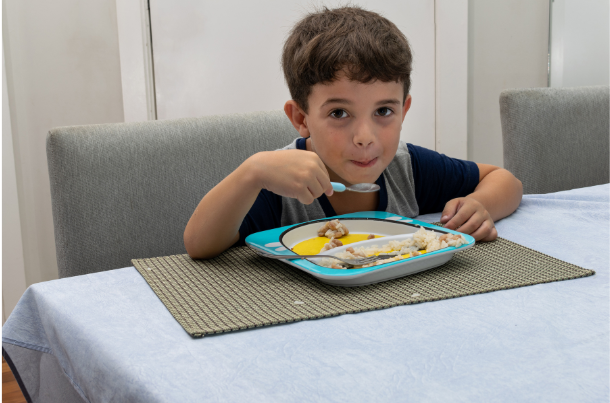
Some children seem to ask for food constantly. They may finish breakfast and request a snack less than an hour later.
Six-year-olds are active. Running, playing, learning, and growing all require energy. Because their stomachs are smaller than an adult’s, they may prefer eating smaller amounts more regularly.
A child may also become hungry quickly when a meal or snack contains mostly refined carbohydrates or sugary foods. These may provide quick energy but may not keep the child satisfied for long.
For longer-lasting fullness, combine carbohydrates with protein, fibre, or healthy fats. For example:
- Whole-grain toast with egg
- Yoghurt with fruit
- Apple slices with peanut butter, if safe for your child
- Cheese with whole-grain crackers
- Vegetables with hummus
- Oatmeal with fruit
- Banana with milk
A predictable routine of three meals and planned snacks can also help. Constant grazing may reduce your child’s appetite at mealtimes without ever leaving them properly satisfied.
Should a 6 Year Old Finish Everything on the Plate?
No. A child should not be forced to clean their plate.
As a parent, your role is to offer balanced foods at reasonably regular times. Your child’s role is to decide whether they are hungry and how much they want to eat.
Pressuring children to finish every bite can teach them to ignore their body’s natural fullness signals. It can also turn an ordinary family meal into a stressful experience.
Instead, use calm, neutral questions such as:
- “Is your tummy still hungry?”
- “Would you like a little more?”
- “Are you comfortably full?”
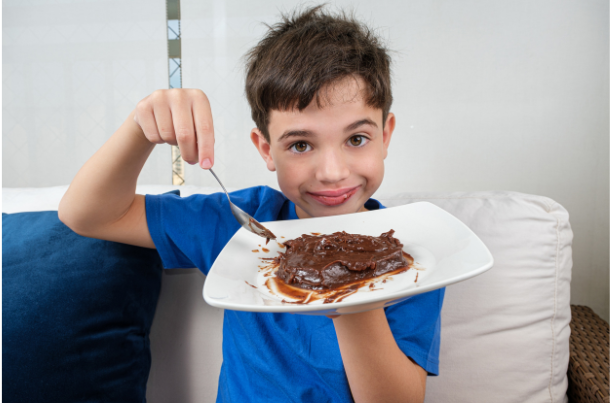
Try not to use dessert as a reward for finishing dinner. This can unintentionally make dessert appear more valuable while turning the main meal into something the child must endure.
It is perfectly acceptable for a child to leave food on the plate. You can begin with smaller servings and provide seconds whenever they need them.
Why Does My Child’s Tummy Look Bigger After Eating?
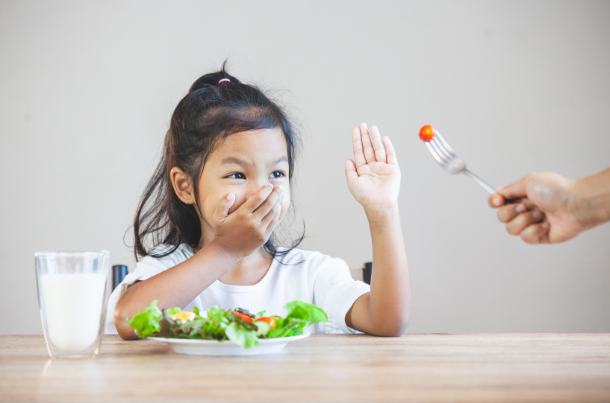
It is normal for a child’s tummy to look slightly fuller after a meal. The stomach and intestines now contain food, fluid, and some gas, so a temporary change in appearance is expected.
A child’s belly may also look more rounded because of:
- Eating a large meal
- Drinking plenty of fluid
- Swallowing air while eating quickly
- Normal gas produced during digestion
- Relaxed posture
- Needing to have a bowel movement
If the tummy is soft, painless, and later returns to its usual appearance, it is generally less concerning than a belly that remains swollen, firm, or uncomfortable.
If the fullness comes with pain rather than just temporary rounding, this guide to stomach pain in kids explains common causes such as gas, constipation, and indigestion, along with warning signs parents should not ignore.
Can Constipation Cause a Big or Bloated Tummy?
Yes. Constipation is a common cause of bloating and tummy discomfort in school-aged children.
Your child may be constipated if they:
- Pass hard, dry, or unusually large stools
- Have fewer bowel movements than usual
- Strain or feel pain when passing stool
- Regularly avoid using the toilet
- Complain of stomach pain
- Have a reduced appetite
- Leave small stool marks in their underwear
Some children avoid using school toilets because they feel uncomfortable or embarrassed. Others begin holding in stool after experiencing a painful bowel movement. Unfortunately, withholding can make constipation worse.
Encourage your child to drink water, eat fibre-containing foods, remain active, and have relaxed toilet time. If constipation is frequent, painful, or does not improve, speak with your child’s healthcare provider.
Is It Normal for a 6 Year Old to Have a Round Belly?
A slightly round belly can be normal. Genetics, posture, body structure, muscle development, and recent meals all affect how a child’s abdomen looks.
It is not possible to decide whether a child is healthy simply by looking at their tummy. Healthcare professionals consider the child’s height, weight, age, sex, development, and growth pattern over time.
Avoid comparing your child’s body with the bodies of their siblings or classmates. It is also best not to make negative comments about their belly, size, or weight. Children can become aware of body criticism surprisingly early.
Instead, talk about what their growing body can do, run, climb, play, learn, dance, and explore.
Simple Ways to Support Healthy Digestion
A few simple habits, such as offering balanced meals at regular times, encouraging slow eating, providing enough water, and avoiding pressure at mealtimes, can support your six-year-old’s digestion while helping them build a healthy and positive relationship with food.
Keep a Regular Meal Routine
Offer meals and planned snacks at fairly predictable times. This helps children arrive at the table hungry without becoming overly hungry.
Start With Small Portions
A small serving feels manageable. Your child can always ask for more if they are still hungry.
Encourage Slow, Calm Eating
Eating very quickly may lead to swallowed air and discomfort. Whenever possible, let meals be calm and free from pressure.
Offer Water Throughout the Day
Adequate fluid supports normal digestion and bowel movements, particularly when your child is active or the weather is warm.
Include Fibre-Rich Foods
Fruit, vegetables, beans, lentils, oats, and whole grains can support regular bowel habits. Increase fibre gradually and offer enough water alongside it.
Encourage Active Play
Walking, running, climbing, dancing, and outdoor play support overall health and may also help keep bowel movements regular.
Accept Appetite Changes
Your child may eat more during a growth spurt and less during a slower period. Continue offering a variety of nutritious foods without forcing them to eat.
When Should You Speak to a Doctor?
A tummy that looks a little bigger after eating is usually normal. However, persistent swelling or other symptoms should not be ignored.
Contact your child’s doctor if your six-year-old has:
- A belly that remains swollen, hard, or painful
- Frequent or worsening tummy pain
- Ongoing constipation or diarrhoea
- Repeated vomiting
- Fever with abdominal pain
- Blood in the stool or vomit
- Unexplained weight loss
- Poor growth or low energy
- A noticeable abdominal lump
- Ongoing loss of appetite
- Difficulty passing stool, urine, or gas
Seek urgent medical care if the pain is sudden or severe, your child appears seriously unwell, or the pain becomes more intense and moves toward the lower right side of the abdomen.
You know your child best. If something about their symptoms or behaviour feels unusual, it is always reasonable to ask a healthcare professional.
Frequently Asked Questions
How big is a 6 year old’s stomach?
Is it normal for a 6 year old to have a round belly?
How much food should a 6 year old eat?
Why does my child’s tummy look bigger after eating?
Can constipation make a child’s tummy look bigger?
Should I worry if my 6 year old eats very little?
When should I talk to a doctor about my child’s tummy?
Final Thoughts
So, how big is a 6 year old’s tummy? An empty stomach is often described as being approximately the size of the child’s own clenched fist, but that comparison is only a rough guide. The stomach stretches, and every child’s needs are different.
Rather than focusing on an exact capacity, serve small balanced portions and allow your child to request more. Look at their eating habits over several days instead of worrying about one unfinished meal.
Some days your child may seem to eat very little. On other days, they may surprise you with a second helping. In most cases, these changing appetites are simply a normal part of growing.
For more simple and supportive guidance on children’s eating, growth, and everyday development, explore more helpful parenting articles at Tales of Tots.
Helpful Resources
- American Academy of Pediatrics: Making Sure Your Child Is Eating Enough
- UNICEF: Tips for Feeding Young Children
- CDC: Growth Charts
- HealthyChildren Constipation in Children
- NHS: Bloating
Disclaimer
This article is for general educational and informational purposes only and is not a substitute for personalised medical advice. Every child develops differently, and concerns about growth, digestion, appetite, or tummy size should be discussed with a qualified healthcare professional.
About the Author
Geeta Yogi writes warm, practical, and parent-friendly content about child growth, nutrition, digestion, and everyday parenting. She focuses on helping parents understand children’s changing needs with simple, supportive, and easy-to-follow information.