Pregnancy has a funny way of making you question foods you never thought twice about before.
Can I still eat sushi? Is mozzarella safe? Do I really have to give up coffee? What about deli meat, eggs, or that smoothie from my favorite café?
If you have been wondering about foods to avoid during pregnancy, you are definitely not alone. Pregnancy does not mean you suddenly need a perfect diet or that every food comes with a warning label. Most everyday foods can still be enjoyed.
The main difference is that pregnancy makes it especially important to reduce your exposure to harmful bacteria, parasites, high levels of mercury, alcohol, and a few other substances that may create unnecessary risks for you or your developing baby.
Instead of simply giving you a long list of “don’ts,” this guide explains why certain pregnancy foods are risky and what you can choose instead.
That way, grocery shopping and mealtimes can feel a little less confusing.
Important: This article is for general educational purposes and does not replace advice from your doctor, midwife, or other qualified healthcare professional. Pregnancy recommendations may also differ slightly between countries.
Why Are Some Foods Riskier During Pregnancy?
Your immune system changes during pregnancy. Because of this, certain foodborne infections can become more serious than they might be at another time in your life.
Foods that are raw, undercooked, unpasteurized, improperly washed, or stored incorrectly are more likely to carry harmful germs.
That does not mean you need to become anxious about everything you eat. A few simple habits, washing produce, cooking food properly, checking labels, choosing pasteurized products, and avoiding a handful of higher-risk foods, can make a meaningful difference.
Here are the most important foods and drinks to know about.
1. High-Mercury Fish
Fish can actually be a wonderful addition to a pregnancy diet, so you do not need to avoid seafood completely.
The concern is mercury.
Larger predatory fish can accumulate higher levels of mercury over their lifetime. Too much mercury exposure during pregnancy can be harmful to a baby’s developing nervous system.
High-mercury fish to avoid include fish such as:
- Shark
- Swordfish
- King mackerel
- Marlin
- Orange roughy
- Bigeye tuna
- Tilefish from the Gulf of Mexico
What to choose instead
Choose lower-mercury fish such as salmon, shrimp, sardines, cod, tilapia, pollock, and trout.
Current U.S. guidance actually encourages pregnant women to eat a variety of lower-mercury seafood rather than removing fish from the diet completely.
2. Raw or Undercooked Fish and Shellfish
Sushi lovers may need to make a few temporary changes during pregnancy.
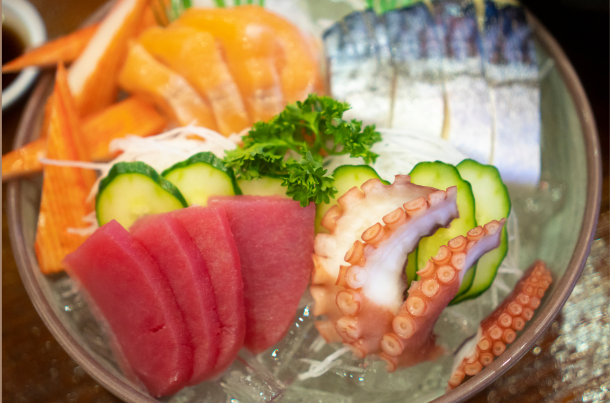
Raw or undercooked seafood can sometimes contain harmful bacteria or parasites. This includes foods such as raw oysters, sashimi, ceviche, and sushi made with raw fish.
The safest approach during pregnancy is to choose thoroughly cooked seafood.
What to choose instead
You can still enjoy sushi-style meals.
Try rolls made with cooked shrimp, cooked crab, avocado, cucumber, sweet potato, or other fully cooked ingredients.
Just remember that cooked fish should still come from lower-mercury varieties whenever possible.
3. Raw or Undercooked Meat
Pregnancy is not the ideal time for rare burgers, raw meat dishes, or poultry that is still pink inside.
Raw and undercooked meat can carry harmful bacteria or parasites.
Ground meat deserves particular attention because bacteria that were originally on the surface can become mixed throughout the meat during grinding.
What to choose instead
Cook beef, pork, lamb, chicken, turkey, and other meats thoroughly.
A food thermometer is especially useful because color alone does not always tell you whether meat has reached a safe internal temperature.
4. Cold Deli Meat and Hot Dogs
Deli meat is one of those pregnancy foods that causes a lot of confusion.
The problem is not necessarily the meat itself. Refrigerated ready-to-eat meats such as cold cuts, luncheon meat, and hot dogs can sometimes become contaminated with Listeria.
Simply taking cold turkey slices straight from the refrigerator and putting them into a sandwich is therefore not considered the safest option during pregnancy.
What to choose instead
Heat deli meat and hot dogs until they are steaming hot before eating them.
You can still make that turkey sandwich, you may simply need to heat the turkey first and allow it to cool slightly before adding it to your bread.
5. Raw or Undercooked Eggs
Eggs provide protein and several useful nutrients, but preparation matters.
Raw or undercooked eggs may contain Salmonella.
And eggs are not always obvious. Raw egg may appear in foods such as:
- Homemade mayonnaise
- Raw cake batter
- Cookie dough
- Some homemade salad dressings
- Mousse
- Homemade eggnog
- Certain desserts and sauces
What to choose instead
Under U.S. food-safety guidance, cook eggs thoroughly or use pasteurized eggs in recipes that will remain uncooked.
Egg-safety recommendations can vary by country because some countries have special egg-production safety programs, so local pregnancy guidance is worth checking as well.
6. Liver and Liver Products
Liver is extremely nutrient-dense, which normally sounds like a good thing.
During pregnancy, however, liver and liver products can provide very high amounts of preformed vitamin A, also called retinol.
Too much preformed vitamin A during pregnancy can be harmful to a developing baby.
What to avoid
It is safest to avoid foods such as:
- Liver
- Liver pâté
- Liver sausage
- Supplements containing high amounts of retinol unless specifically prescribed
You can still get vitamin A from pregnancy-friendly foods without relying on liver.
If you take several supplements in addition to a prenatal vitamin, check with your healthcare provider to make sure you are not unintentionally getting excessive amounts of vitamin A.
You do not need to rely on liver to meet your nutritional needs during pregnancy. There are plenty of pregnancy-friendly foods that can help support your iron intake without the high levels of preformed vitamin A found in liver. If you are looking for more options, explore these iron-rich foods for pregnancy and find easy ways to include them in everyday meals.
7. Raw Sprouts
Raw sprouts can be nutritious, but they may carry a higher risk of bacterial contamination during pregnancy.
The food-safety issue comes from how they grow.
Sprouts such as alfalfa, clover, radish, and mung bean sprouts need warm, humid conditions to grow. Unfortunately, those conditions can also allow bacteria to multiply.
Because contamination may begin inside the seed, washing raw sprouts does not necessarily remove the risk.
What to choose instead
Cook sprouts thoroughly before eating them.
If you are ordering a sandwich, salad, or bowl at a restaurant, remember to check whether raw sprouts have been added.
8. Unwashed Fruits and Vegetables
Please do not read “pregnancy foods to avoid” and start worrying about fresh produce.
Fruits and vegetables are not foods you need to remove from your pregnancy diet.
The important part is washing them properly.
Fresh produce may pick up germs from soil, water, transportation, storage, or handling before it reaches your kitchen.
What to do instead
Rinse fruits and vegetables thoroughly under clean running water before preparing or eating them.
You do not need soap, detergent, bleach, or special produce cleaner.
This applies even to fruits and vegetables that you plan to peel because a knife can transfer contamination from the outside surface to the inside.
9. Unpasteurized Milk and Dairy Products
Raw milk has become trendy in some places, but pregnancy is not the time to experiment with it.
Unpasteurized milk and foods made from raw milk can contain harmful germs, including Listeria, Salmonella, and E. coli.
Pasteurization uses controlled heat to reduce dangerous microorganisms.
What to choose instead
Choose milk, yogurt, cream, ice cream, and other dairy foods that clearly state that they are pasteurized.
Checking the label takes only a few seconds and removes a lot of uncertainty.
10. Certain Soft Cheeses
You may have heard the broad advice that pregnant women cannot eat soft cheese.
Fortunately, it is not quite that simple.
The bigger concern is cheese made from unpasteurized milk, along with certain fresh cheeses that have a higher history of Listeria contamination.
The main concern is whether the cheese is made with pasteurized milk and how it has been handled and stored.
What to choose instead
Look for cheeses made with pasteurized milk and follow current local food-safety recommendations.
Many common cheeses, including pasteurized mozzarella, cream cheese, cottage cheese, cheddar, and Parmesan, can fit safely into a pregnancy diet when properly stored and handled.
11. Refrigerated Smoked Seafood
Smoked salmon may look fully prepared, but refrigerated cold-smoked seafood can present a Listeria concern during pregnancy.
You may see products described as:
- Smoked
- Nova-style
- Lox
- Kippered
- Cold-smoked
What to choose instead
If refrigerated smoked seafood is used in a dish, cooking it thoroughly can make it a safer choice.
Shelf-stable or canned seafood can also be easier alternatives.
Remember to consider mercury levels when choosing the type of fish as well.
12. Unpasteurized Juice and Cider
A freshly squeezed juice from a farm stand or juice bar can feel like the healthiest choice on the menu.
But “fresh” does not automatically mean “safer.”
Unpasteurized juices have not undergone a treatment designed to reduce harmful microorganisms.
What to choose instead
Choose pasteurized juice or juice that has otherwise been treated for safety.
If you are ordering a smoothie while out, it is reasonable to ask whether the juice or dairy ingredients used are pasteurized.
13. Raw Flour, Cookie Dough, and Cake Batter
Many people know that raw cookie dough may contain uncooked eggs.
What is less obvious is that raw flour can also carry germs.
Flour is made from grains grown outdoors and is generally considered a raw food until it has been properly cooked.
This means licking the spoon after making brownies or tasting cookie dough before baking is not the safest pregnancy habit.
What to choose instead
Wait until cakes, cookies, breads, and other flour-based foods are fully baked.
If you really want edible cookie dough, choose a recipe specifically made with properly heat-treated flour and pregnancy-safe ingredients.
14. Alcohol
This is one of the clearest pregnancy recommendations.
There is currently no known safe amount of alcohol during pregnancy and no known safe time during pregnancy to drink it.
That includes:
- Wine
- Beer
- Liquor
- Cocktails
- Other alcoholic drinks
Alcohol can reach a developing baby during pregnancy, which is why avoiding alcohol completely is recommended.
What to choose instead
Mocktails, sparkling water, alcohol-free drinks, flavored water, or fruit-infused drinks can make social occasions feel a little less restrictive.
If you drank alcohol before realizing you were pregnant, do not panic. Stop drinking once you know you are pregnant and talk with your healthcare provider if you have concerns.
15. Too Much Caffeine
Coffee does not necessarily have to disappear the moment you see two lines on a pregnancy test.
The important thing is the amount.
The American College of Obstetricians and Gynecologists considers less than 200 milligrams of caffeine per day to be moderate consumption during pregnancy.
Caffeine is not only found in coffee. Your daily total may also include caffeine from:
- Tea
- Energy drinks
- Cola
- Chocolate
- Some medications
And café drinks can vary dramatically in caffeine content depending on the size and preparation.
What to choose instead
Try a smaller coffee, half-caf coffee, decaf, caffeine-free tea, or simply alternate caffeinated drinks with water.
You do not have to make pregnancy harder than it already is by giving up every little comfort, just keep an eye on the total amount.
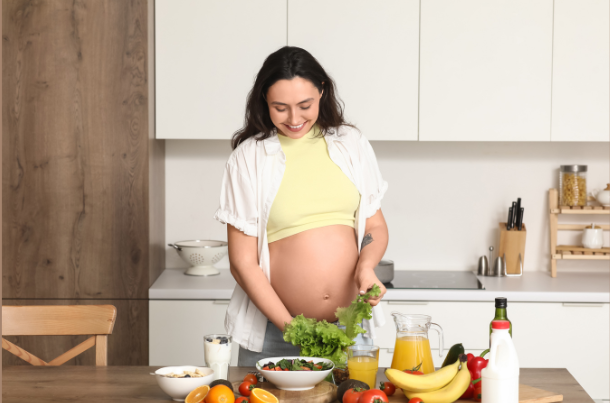
What About Processed Foods During Pregnancy?
Processed food is sometimes included on lists of “foods pregnant women should never eat,” but that can make pregnancy nutrition unnecessarily stressful.
A frozen meal, cookie, bag of chips, or takeaway dinner is not automatically dangerous because you are pregnant.
The bigger question is what your overall eating pattern looks like.
Pregnancy increases your need for nutrients such as protein, iron, folate, and other vitamins and minerals. Filling most of your meals with nourishing foods makes it easier to meet those needs.
That can include:
- Vegetables
- Fruits
- Whole grains
- Beans and lentils
- Eggs
- Cooked low-mercury fish
- Lean meat or other protein sources
- Pasteurized dairy
- Nuts and seeds
- Healthy fats
But there is still room for foods you simply enjoy.
Pregnancy nutrition does not have to become a nine-month test of how perfectly you can eat.
Simple Pregnancy Food-Safety Habits
Sometimes what you do with food matters just as much as the food itself.
A few basic kitchen habits can help reduce foodborne illness:
Clean
Wash your hands before preparing food, rinse fresh produce under running water, and keep work surfaces clean.
Separate
Keep raw meat, poultry, seafood, and eggs away from foods that will be eaten without further cooking.
Use separate plates and utensils when necessary.
Cook
Cook foods thoroughly and use a food thermometer when you are unsure.
Chill
Refrigerate foods promptly and do not leave perishable meals sitting at room temperature for long periods.
These habits may sound basic, but they are some of the most useful pregnancy food-safety steps you can take.
Frequently Asked Questions
What foods should be avoided in the first trimester?
Foods to avoid or handle carefully include raw or undercooked meat, raw seafood, raw or undercooked eggs, unpasteurized dairy products, high-mercury fish, raw sprouts, unwashed produce, and alcohol. Deli meats and hot dogs should be heated until steaming hot before eating.
You should also be careful with liver and liver products because of their high vitamin A content and keep caffeine within recommended limits.
The first trimester does not require an entirely different “avoid” list unless your doctor has given you specific instructions because of your health or pregnancy.
What are high-risk foods during pregnancy?
Examples include raw or undercooked meat and seafood, raw eggs, unpasteurized milk and juice, certain soft cheeses, raw sprouts, unwashed fruits and vegetables, refrigerated smoked seafood, and cold deli meats that have not been reheated.
High-mercury fish and alcohol are also avoided for different reasons.
A simple way to lower your risk is to think pasteurized, washed, properly stored, and thoroughly cooked when choosing food.
Can you eat grapes while pregnant?
There is no standard pregnancy recommendation telling women to avoid grapes.
The main food-safety rule is the same one that applies to other fresh fruits: wash grapes thoroughly under running water before eating them.
There is no need to use soap or special fruit-cleaning products.
Remove grapes that are spoiled or damaged and refrigerate washed or prepared fruit appropriately.
So if grapes are one of the fruits you are craving, you usually do not need to remove them from your pregnancy diet.
Is it safe to eat mozzarella when pregnant?
Check the package label, particularly when buying fresh mozzarella or cheese from a small dairy, farmers’ market, restaurant, or specialty shop.
If the label says the cheese is made with pasteurized milk, mozzarella is generally considered one of the safer cheese options.
Avoid mozzarella made with unpasteurized or raw milk unless your local health guidance specifically says otherwise.
Can I eat chocolate while pregnant?
What If I Accidentally Ate Something on the Avoid List?
Maybe you ate a deli sandwich before realizing cold cuts were a concern.
Or perhaps you discovered after dinner that the cheese on your plate was unpasteurized.
One exposure does not automatically mean that you or your baby will become ill.
Avoid trying to diagnose yourself through scary internet stories.
Instead, pay attention to how you feel and contact your maternity healthcare provider if you become unwell, develop symptoms of foodborne illness, have a fever, or are worried about a specific food exposure.
Your doctor or midwife can consider the exact food, timing, your symptoms, and your individual pregnancy.
Final Thoughts
Learning about foods to avoid during pregnancy can feel overwhelming at first, especially when every family member, social-media post, and pregnancy forum seems to have a different list of rules.
But the basics are actually quite manageable.
Avoid raw or undercooked meat and seafood, choose lower-mercury fish, use pasteurized milk, cheese, and juice, wash produce carefully, cook eggs properly, heat deli meats, skip raw sprouts and raw dough, avoid alcohol, and keep caffeine within recommended limits.
Most importantly, give yourself permission to enjoy your food.
Pregnancy does not require perfection. A few thoughtful food-safety choices can help reduce unnecessary risks without turning every meal into something to worry about.
And whenever an ingredient, restaurant dish, supplement, or food label leaves you uncertain, your doctor, midwife, or qualified dietitian can help you make the safest choice for your individual pregnancy.
For more practical pregnancy tips, nutrition guidance, and supportive resources for your journey into motherhood, explore more helpful articles at Tales of Tots.
Trusted Resources
The pregnancy food-safety recommendations in this article were checked against guidance from the following trusted health organizations:
- CDC – Safer Food Choices for Pregnant Women: Read the CDC pregnancy food-safety guide
- FDA – Advice About Eating Fish: Read FDA fish and mercury guidance
- CDC – Alcohol Use During Pregnancy: Read CDC alcohol and pregnancy guidance
- ACOG – Caffeine During Pregnancy: Read ACOG caffeine guidance
- FDA – Fruits, Vegetables and Juices: Food Safety for Moms-to-Be: Read the FDA produce-safety guide
- ds: Food Safety for Moms-to-Be: Read FDA guidance on deli meat and cheeses
- NHS – Foods to Avoid in Pregnancy: Read NHS pregnancy food guidance
Disclaimer
This article is for general educational and informational purposes only and is not a substitute for personalized medical or nutrition advice, diagnosis, or treatment. Pregnancy food-safety recommendations can vary by country and individual health needs. If you are unsure whether a specific food, drink, supplement, or restaurant dish is safe during pregnancy, speak with your doctor, midwife, or qualified dietitian. Contact your healthcare provider if you become unwell, develop a fever, experience symptoms of foodborne illness, or are concerned about a particular food exposure.
About the Author
Geeta Yogi writes warm, practical, parent-friendly content about pregnancy nutrition, food safety, prenatal wellbeing, motherhood, and everyday family life. She focuses on helping women understand common pregnancy food questions, make safer everyday choices, and know when personalized guidance from a healthcare professional may be helpful.