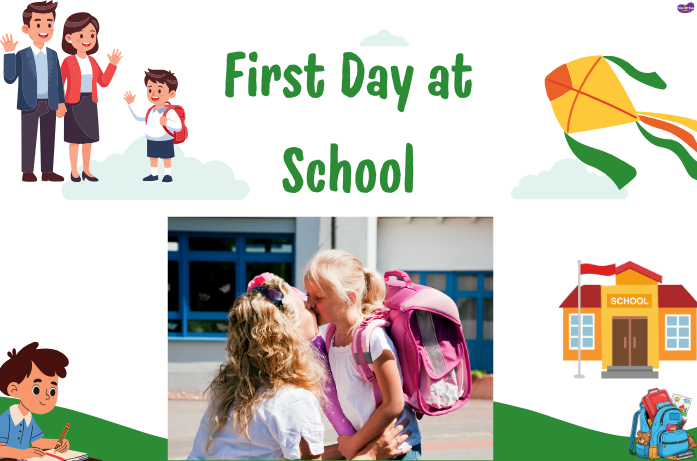
The first day at school is a special and emotional milestone for both you and your child. For little ones, it often brings a mix of excitement, curiosity, nervousness, and sometimes a little fear. For parents, it marks the beginning of a new chapter as your child steps into a world of learning, friendships, and growth. Whether it’s their first day of preschool, first day of kindergarten, or elementary school, this moment is one you’ll cherish and remember for years to come.
In this guide, we’ll gently walk you through how to prepare your child for their first day at school, share helpful tips for parents, and offer simple ways to make the transition smooth, positive, and enjoyable for everyone involved.

How to Prepare Your Child for the First Day at School
Starting school can feel overwhelming for young children, as they are stepping into a new environment filled with unfamiliar faces, routines, and experiences. According to Centers for Disease Control and Prevention, preparing children emotionally and practically for school routines helps build confidence and supports a smoother transition into a new learning environment. This reaction is completely natural. However, when you gently introduce them to what school will be like, talking about the classroom, teachers, and daily activities, it helps build their confidence and reduces anxiety. The more familiar the experience feels in advance, the more comfortable and secure your child will feel on their first day at school.
1. Talk About School in a Positive Way
Start introducing the idea of school to your child in a cheerful and encouraging manner well before the first day at school arrives. Talk about what school is, what they might learn, and how enjoyable the experience can be. You can also read storybooks about school or watch short, child-friendly videos that show fun classroom activities. This helps your child build a positive image of school and feel more prepared for what to expect.
Parenting experts at UNICEF emphasize that positive conversations, storytelling, and reassurance play an important role in helping children feel emotionally secure when starting school.
Helpful tips:
- Highlight the joyful parts of school, such as making new friends, playing, and discovering new things.
- Try not to express your own worries or fears about school, as children often pick up on their parents’ emotions. Keeping your tone calm and positive will help them feel safe and confident.
2. Create a Routine Before the First Day
A few days before the first day at school, gently start adjusting your child’s daily school routine. Gradually setting an earlier bedtime and a consistent morning schedule can help your child feel more settled and less stressed when the first day arrives. A predictable routine gives children a sense of security and helps them know what to expect.
The American Academy of Pediatrics highlights that consistent routines before a new school year can reduce anxiety and support emotional adjustment in young children.
Helpful tips:
- Begin following the school-day routine at home, such as waking up on time, having breakfast, and getting dressed in the morning.
- Encourage your child to practice wearing their school clothes, including shoes, socks, and carrying a backpack. This small practice can boost their confidence and help them feel more independent and prepared.
3. Visit the School (If Possible)
If your child will be attending a new school, consider visiting the campus together before the first day. Take a gentle walk around the playground, show them their classroom if it’s accessible, and introduce them to the teacher if possible. Becoming familiar with the surroundings helps children feel more comfortable and reduces the fear of the unknown.
Helpful tips:
- Involve your child by letting them help choose their school supplies or clothes. This makes them feel excited and included in the process.
- Check whether the school organizes a meet and greet or orientation session for new students, as this can help your child feel more confident and connected even before school officially begins.
Tips for the Big Day: Making the First Day at School Fun and Exciting
Before diving into the first day of school tips, remember that a little preparation and a lot of reassurance can make your child’s first day at school feel happy, comfortable, and truly special.
1. Be Enthusiastic, But Keep It Calm
On the first day, try to stay positive while also remaining calm and reassuring. Children often sense their parents’ emotions, so if you appear confident and relaxed, they are more likely to feel the same. Let them know it’s perfectly normal to feel a little nervous, and gently remind them that school will be a wonderful place to learn and have fun.
Helpful tips:
- Keep goodbyes short, warm, and reassuring, long farewells can make separation more difficult.
- Give your child a hug and a kiss, then leave with a smile and a cheerful wave to help them feel secure.
2. Prepare a Special Breakfast
Beginning the day with a favorite breakfast or a small first-day treat can make the morning feel joyful and memorable. A fun touch, like a themed breakfast or a colorful smoothie, can add excitement and help your child start the day with a happy mindset.
Helpful tips:
- Offer a healthy and filling breakfast so your child stays energized and focused throughout the day.
- Invite your child to help set the table or choose what they’d like to eat to make them feel involved and special.
3. Make Sure Their Backpack and Supplies Are Ready
The night before, gently go through your child’s backpack together and ensure everything they need is packed, lunch, school supplies, and any required items. Involving your child in this process helps them feel responsible, prepared, and proud of their readiness for school.
Helpful tips:
- Label your child’s belongings clearly to prevent mix-ups at school.
- Allow your child to add a small personal touch, such as a favorite keychain on their backpack, to make it feel unique and exciting.
How to Handle Separation Anxiety (For Both Parents and Kids)
Separation anxiety in children on the first day of school is completely natural, for both children and parents. As explained by the National Health Service, separation anxiety is a normal developmental phase and often improves as children become familiar with their new environment and caregivers. For many children, this may be their first time being away from home for several hours, which can make them feel uncertain or emotional. With patience, warmth, and reassurance, you can help make this transition gentle and comforting.
1. Comfort Your Child with a Security Object
Some children feel more at ease when they have a small, familiar item with them, such as a favorite soft toy, a family photo, or a loving note from you. These little reminders of home can provide a sense of security throughout the day.
Helpful tips:
- Let your child carry a small item that reminds them of home and makes them feel safe.
- Reassure them kindly that you will be there to pick them up soon and that school is a fun and welcoming place.
2. Stay Positive About the Separation
When it’s time to say goodbye, keep the moment calm, warm, and brief. Children often mirror their parents’ emotions, so your cheerful and confident attitude can help them feel reassured and secure.
Helpful tips:
- Avoid sneaking away. Saying goodbye calmly and confidently shows your child that you trust them and that everything is okay.
- Gently remind them of something enjoyable they’ll do at school, like playing with friends or enjoying their snack time, so they have something happy to look forward to.
For Parents: Handling Your Own Emotions
While your child may feel nervous on the first day at school, it’s perfectly natural for parents to experience a wave of emotions too. This is a meaningful milestone, your little one is stepping into a new phase of independence and growth. Feeling proud, excited, and even a little emotional is completely normal and reflects the deep bond you share with your child.
1. Give Yourself Permission to Feel
Allow yourself to acknowledge and accept the mix of emotions that come with this big moment. You have nurtured and guided your child every step of the way, and now they are ready to explore the world a little more on their own. It’s okay to feel emotional, but gently remind yourself that this is a joyful and positive step forward for both of you.
Helpful tips:
- Take a deep breath and trust that your child will adjust, learn, and thrive in their new environment.
- If you feel overwhelmed, give yourself a few quiet moments, perhaps enjoy a peaceful cup of coffee or talk to a close friend to help settle your emotions.
2. Stay Connected
On the first day at school, it’s natural to want reassurance that your child is doing well. Many schools share updates or occasional photos, which can bring comfort and ease your mind. Staying gently connected can help you feel more relaxed while giving your child the space they need to adapt.
Helpful tips:
- Plan to greet your child with a warm smile at pick-up time and spend some quality time together afterward, perhaps a walk in the park, a favorite snack, or simply talking about their day at home.
FAQs: First Day at School Tips for Parents and Kids
Q1: How can I prepare my child emotionally for the first day of school?
Talk positively about school, read school-themed storybooks, and explain what their day will look like. This helps reduce fear and builds excitement.
Q2: What should parents do if a child feels anxious about school?
Acknowledge their feelings, reassure them calmly, and create a consistent routine. Sending a small comfort item can also ease separation anxiety.
Q3: How long does first day school anxiety usually last?
For most children, nervousness settles within a few days to a couple of weeks as they adjust to the new routine and environment.
Q4: Should parents stay longer on the first day of school?
It’s best to keep goodbyes short and reassuring. Long farewells can increase anxiety, while a calm, confident exit helps children feel secure.
Q5: What are signs my child is not adjusting well to school?
Frequent crying, refusal to attend school, sleep disturbances, or extreme clinginess may signal adjustment difficulties. In such cases, talk to the teacher or school counselor.
Q6: How can I make the first school morning stress-free?
Prepare the backpack the night before, follow a calm morning routine, and offer a healthy breakfast to keep your child energized and relaxed.
Q7: Is separation anxiety normal on the first day of school?
Yes, separation anxiety is very common. With reassurance, routine, and emotional support, most children adjust comfortably over time.
Final Thoughts
The first day at school is a milestone, not just for your child but for you too. With preparation, positivity, and a little planning, you can make this day exciting and memorable. Remember that it’s normal to have mixed emotions, but this is the start of a beautiful new chapter in your child’s life, and in yours!
Want more gentle, expert-backed parenting tips for school readiness, routines, and emotional development?
Explore more supportive guides at Tales of Tots, where every parenting milestone is handled with warmth, patience, and love.
Disclaimer
This article is for informational purposes only. Every child is unique, and it’s important to consider their individual needs when preparing for their first day at school. If you have specific concerns, talk to your child’s teacher or school counselor.