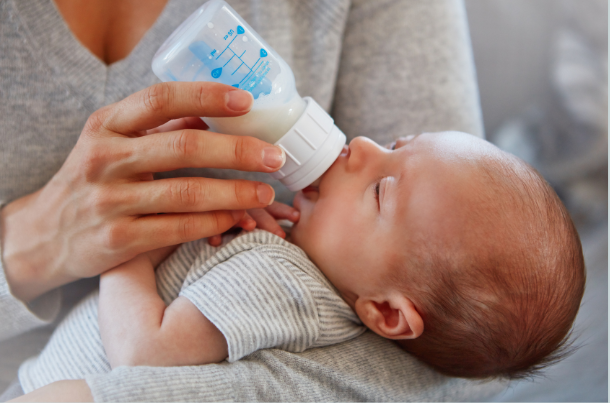
Bringing a newborn home often means watching every feed, diaper and tiny change in behaviour. It is natural to wonder whether your baby is drinking enough milk, especially during the first few days after birth.
Understanding newborn dehydration signs can help parents recognise when their baby may not be getting enough milk or fluids and when medical advice may be needed. Fewer wet diapers, a dry mouth, poor feeding, unusual sleepiness and a sunken soft spot can all be warning signs.
Newborns can become unwell more quickly than older children, so suspected dehydration should never be ignored. When something feels different about your baby, it is always appropriate to contact your pediatrician, midwife or another qualified healthcare professional.
Important: This article provides general educational information and is not a substitute for medical advice. Contact a healthcare professional promptly if you believe your newborn may be dehydrated or unwell.
What Does Dehydration Mean in a Newborn?
Dehydration happens when the body loses more fluid than it receives. A newborn’s body is small, and their fluid balance can change more quickly than that of an older child or adult.
Medically, a newborn is a baby during the first 28 days after birth. This is a particularly sensitive period in which feeding, temperature, urine output and behaviour should be observed carefully.
Newborn babies receive their fluid through breast milk or correctly prepared infant formula. They may become dehydrated when they are not feeding effectively, are unable to keep milk down or are losing fluid through vomiting, diarrhoea or fever.
Dehydration is not always obvious at first. Early symptoms may look like ordinary newborn sleepiness or fussiness, which is why looking at several signs together is important.
Normal Newborn Changes vs Dehydration Signs
Not every change in a newborn means dehydration. In the first days after birth, babies often sleep frequently, feed in short bursts, and have changing diaper patterns as milk intake increases.
Signs that are more concerning include:
- A clear drop in wet diapers
- Poor feeding or difficulty waking for feeds
- Dry mouth combined with other symptoms
- Unusual weakness or low energy
- Changes that are getting worse instead of improving
Dehydration Newborn Signs Parents Should Watch For
The following dehydration newborn signs may suggest that your baby is not receiving or retaining enough fluid.
Fewer Wet Diapers Than Expected
Wet diapers are one of the most helpful ways to monitor a newborn’s milk intake.
During the first few days, the number of wet diapers gradually increases. The American Academy of Pediatrics explains that newborns may have around two to three wet diapers each day initially. After approximately four to five days, they should generally have at least five to six wet diapers in 24 hours.
By five to seven days old, many adequately fed babies produce six or more wet diapers each day, with pale or nearly colourless urine.
A noticeable decrease from your baby’s usual pattern can be more important than any single number. Contact a healthcare professional when diapers are much drier than normal or your newborn has not passed urine for several hours.
Dark or Strong-Smelling Urine
A newborn’s urine should usually become pale as milk intake increases. Dark yellow or strongly concentrated urine may suggest that the baby needs more fluid.
In the first week, parents may occasionally notice a pink, orange or brick-red stain in the diaper. This can come from concentrated urine crystals. Although it may occur during the early days, persistent staining or low urine output should be discussed with your pediatrician.
Keep track of when the colour appeared and how many wet diapers your baby has produced.
Dry Mouth, Lips or Tongue
A healthy, well-hydrated baby usually has a moist mouth. Dry or sticky lips, gums or tongue can be a sign of fluid loss.
Dryness may be easier to notice during feeding or when your baby opens their mouth to cry. However, one dry-looking lip alone does not confirm dehydration. Consider it alongside diaper output, feeding behaviour and alertness.
Dry mouth and tongue are recognised signs of dehydration in infants and young children.
A Sunken Soft Spot
The soft area on top of a newborn’s head is called the fontanelle. A fontanelle that appears more deeply sunken than usual may be a warning sign of dehydration.
The soft spot can look slightly different depending on the baby’s position or whether they are crying, so parents should not judge hydration from the fontanelle alone.
When a sunken soft spot appears with fewer wet diapers, dry mouth, poor feeding or unusual sleepiness, urgent medical assessment may be needed.
Sunken-Looking Eyes
Eyes that appear more hollow or sunken than normal can occur when a baby has lost a significant amount of fluid.
This sign may be difficult for a parent to evaluate, especially when the baby is only a few days old. Compare your baby’s appearance with what is normal for them and look for other symptoms at the same time.
Sunken eyes combined with reduced urination, lethargy or cool hands and feet can indicate more serious dehydration.
Poor Feeding or Refusing Milk
Newborns need regular feeding because their stomachs are small. A baby who suddenly feeds less, struggles to stay awake during feeds or refuses the breast or bottle may not receive enough fluid.
Poor feeding can also be a sign of infection, breathing difficulty, jaundice, low blood sugar or another medical problem. It should not automatically be assumed to be dehydration.
Contact a healthcare professional promptly when your baby repeatedly refuses feeds, cannot suck effectively or is taking much less milk than usual.
Unusual Sleepiness or Difficulty Waking
Newborns sleep for much of the day, but they should still wake or respond for feeding.
A dehydrated baby may appear less active than usual, unusually floppy or difficult to wake. They may fall asleep almost immediately after beginning a feed without drinking effectively.
Being unusually sleepy, drowsy or low in energy is recognised as a possible sign of moderate or severe dehydration.
Difficulty waking a newborn should be treated as an urgent warning sign, particularly when accompanied by poor feeding or reduced urine output.
Irritability or Unusual Fussiness
Some dehydrated babies become irritable rather than sleepy. Your baby may cry more than usual, seem uncomfortable or remain unsettled after feeding and comforting.
Because fussiness has many possible causes, it should be considered alongside other dehydration newborn signs. A baby who is both unusually irritable and producing fewer wet diapers should be assessed by a healthcare professional.
Few or No Tears When Crying
Crying with few or no tears is commonly listed as a sign of dehydration in babies and children.
However, visible tears may be limited in very young newborns. Parents should therefore not use tear production as the only measure of hydration. Wet diapers, mouth moisture, feeding and alertness provide additional useful information.
Cool, Pale or Mottled Skin
Severe dehydration can affect circulation. A newborn may develop cool hands or feet, pale skin, blotchy colouring or delayed colour return after gentle pressure on the skin.
Cool or discoloured extremities are included among signs of severe dehydration in infants.
Call emergency medical services when your baby looks blue, grey, very pale or mottled, especially if they are difficult to wake or having trouble breathing.
How Many Wet Diapers Should a Newborn Have?
Counting wet diapers can help parents determine whether feeding is progressing normally. However, expected diaper output changes during the first week.
A general guide is:
- During the first few days: approximately two to three wet diapers per day may occur.
- After four to five days: at least five to six wet diapers in 24 hours are generally expected.
- By five to seven days: many babies produce six or more wet diapers each day.
These figures are general guidelines, not a diagnosis. Premature babies, babies with medical conditions and babies following specialised feeding plans may have different expectations.
The overall pattern matters. A sudden decrease in urine output, increasingly dry diapers or dark urine should be reported even when your baby previously had a normal number of wet diapers.
Keeping a simple feeding and diaper log can help you give accurate information to your pediatrician, midwife or lactation consultant.

Common Causes of Dehydration in Newborns
Recognising the possible cause is just as important as noticing the symptoms. Newborns have small fluid reserves and depend completely on breast milk or correctly prepared formula for hydration. This means dehydration can develop more quickly when a baby is not taking in enough milk or is losing more fluid than usual.
Ineffective Breastfeeding
A newborn may latch onto the breast but still not transfer enough milk. Possible reasons include a shallow latch, tongue restriction, sleepiness, prematurity or delayed milk production.
Signs may include very long or very short feeds, little swallowing, persistent hunger and insufficient wet diapers.
When breastfeeding feels painful, your baby has difficulty latching, or you are unsure whether they are getting enough milk, ask a pediatrician, midwife, or qualified lactation professional to observe a feed. New mothers can also read this practical breastfeeding guide for new moms for helpful information about proper latch, feeding frequency, milk supply, and common breastfeeding challenges.
When breastfeeding feels painful or you are uncertain about milk transfer, ask a pediatrician, midwife or qualified lactation professional to observe a feed.
Not Feeding Frequently Enough
Many newborns feed around eight to twelve times within 24 hours, although individual patterns vary.
A very sleepy newborn may not wake often enough to feed effectively. Your healthcare professional may advise waking the baby at specific intervals, especially during the first days, after premature birth or while monitoring weight gain.
Vomiting or Diarrhoea
Repeated vomiting and watery diarrhoea can quickly remove fluid from a newborn’s body.
Spitting up a small amount after feeding is common, but forceful, repeated, green or bloody vomit is not normal. A newborn with diarrhoea should also be assessed promptly rather than treated only at home.
Medical guidance recommends contacting a healthcare provider when a newborn under three months develops diarrhoea.
Fever or Infection
Fever increases fluid loss and may also make a baby feed less.
A temperature of 38°C or 100.4°F or higher in a baby younger than three months requires urgent medical evaluation, even when no other symptoms are present.
Do not delay seeking care while waiting for more obvious dehydration newborn signs to develop.
Incorrectly Prepared Formula
Infant formula must be prepared using the exact amount of water and powder shown on the package.
Using too little water makes the formula overly concentrated and can put extra strain on a baby’s kidneys and digestive system, potentially contributing to dehydration. Adding too much water can reduce the nutrition and salt concentration your baby receives and can also be dangerous.
Never add extra formula powder to help a baby gain weight or extra water to make a container last longer.
Hot Weather or Overheating
Babies may want to feed more frequently during hot weather. Fully breastfed babies under six months generally do not need additional water; more frequent breastfeeding can provide the extra fluid they need.
Keep your baby comfortably dressed, out of direct sunlight and in a safely cooled environment.
Mild and Severe Dehydration Newborn Signs
Dehydration can progress from subtle symptoms to a medical emergency.
Possible Early Signs
Early dehydration newborn signs may include:
- Slightly fewer wet diapers
- Darker urine
- Dry lips or mouth
- Feeding less effectively
- Increased fussiness
- Sleeping more than usual
A newborn with these changes should be discussed with a healthcare professional promptly.
Possible Severe Signs
Seek urgent emergency help when your baby has:
- Very few or no wet diapers
- Extreme sleepiness or difficulty waking
- A deeply sunken soft spot
- Sunken eyes
- Cold, pale or mottled skin
- Weakness or floppiness
- Fast, difficult or paused breathing
- Repeated vomiting
- Inability to feed
- Seizures or collapse
Severe dehydration can affect blood circulation and organ function. Do not wait for every sign to appear before seeking help.
When Should You Call a Doctor?
Contact your pediatrician, maternity unit or urgent medical service when your newborn:
- Produces noticeably fewer wet diapers
- Has a dry mouth with poor feeding
- Repeatedly refuses the breast or bottle
- Vomits several feeds
- Has watery diarrhoea
- Is unusually sleepy, weak or irritable
- Has a sunken soft spot
- Has not passed urine for several hours
- Is not behaving like their usual self
Seek emergency care immediately when your baby is difficult to wake, cannot feed, has trouble breathing, looks blue or grey, experiences a seizure or has a temperature of 38°C or higher.
Parents often know when something does not feel right. You do not need to wait until symptoms become severe before requesting medical advice.
What Should You Do If Your Newborn Seems Dehydrated?
The safest first step is to contact a healthcare professional. Newborn dehydration should not be managed through internet advice alone.
While arranging medical guidance:
- Continue offering breast milk or correctly prepared formula unless a clinician tells you otherwise.
- Offer feeds more frequently when your baby is awake and able to suck safely.
- Keep a record of feeds, vomiting, stools and wet diapers.
- Check your baby’s temperature.
- Observe their breathing, skin colour and alertness.
Do not force-feed a sleepy or struggling baby because this may increase the risk of choking or aspiration.
Do not give a newborn large amounts of plain water. Fully breastfed babies under six months do not routinely need water, and inappropriate water intake can disturb the body’s salt balance.
Do not give oral rehydration solution, juice, herbal remedies or homemade electrolyte drinks without specific advice for your newborn. A clinician should determine the safest fluid and amount based on the baby’s age, weight and condition.
How to Help Prevent Newborn Dehydration
Although not every case can be prevented, a few habits can help parents notice feeding problems early.
Feed Responsively
Look for early hunger cues such as rooting, hand-to-mouth movements and lip smacking. Crying is often a later hunger signal.
Offer feeds regularly and follow the feeding plan provided by your healthcare team.
Monitor Swallowing and Satisfaction
During a feed, look and listen for swallowing. After feeding, many babies appear calmer and release the breast or bottle naturally.
A baby who remains constantly hungry or falls asleep without actively drinking may need a feeding assessment.
Track Wet Diapers
A written record can be particularly helpful during the first week. Note the time of each feed, whether breastfeeding or formula was offered and when the diaper was wet or soiled.
Prepare Formula Exactly as Directed
Always measure the water first and use only the scoop supplied with the formula. Follow the manufacturer’s instructions carefully and never dilute or concentrate a feed.
Attend Newborn Checkups
Early weight and feeding checks help identify problems before dehydration becomes severe. Keep scheduled appointments and contact your healthcare provider earlier when feeding or diaper output concerns arise.
Frequently Asked Questions
What is the first sign of dehydration in a newborn?
A reduction in wet diapers may be one of the earliest noticeable signs. Parents may also observe darker urine, dry lips or less effective feeding.
Because diaper expectations change during the first week, compare output with your baby’s age and usual pattern.
Can a breastfed newborn become dehydrated?
Yes. A breastfed baby can become dehydrated when milk transfer is insufficient, feeds are too infrequent or the baby is too sleepy or unwell to feed effectively.
This does not necessarily mean breastfeeding must stop. Prompt support with latch, milk transfer and feeding frequency can help identify and correct the problem.
Is a sunken fontanelle always dehydration?
No. The soft spot can change slightly with position, crying and individual anatomy. However, a noticeably sunken fontanelle accompanied by dry mouth, poor feeding or fewer wet diapers needs medical assessment.
Can a newborn become dehydrated overnight?
A newborn’s condition can change quickly, particularly when they are vomiting, have diarrhoea, are feverish or are not feeding.
Contact a healthcare professional rather than waiting until morning when your baby has very dry diapers, cannot feed or is unusually difficult to wake.
Should I give water to a dehydrated newborn?
Do not give plain water unless a qualified healthcare professional specifically instructs you to do so.
Newborns normally receive fluid from breast milk or infant formula. Too much plain water can dangerously dilute sodium levels, while incorrectly mixed formula can also make a baby sick.
Can dehydration make a newborn sleepy?
Yes. Unusual sleepiness, low energy and difficulty waking can occur with dehydration. These symptoms may also indicate infection, low blood sugar or another serious condition, so urgent assessment is important.
When is dehydration an emergency?
Dehydration is an emergency when a newborn is difficult to wake, cannot feed, has very little urine, develops cold or mottled skin, has breathing difficulties, experiences seizures or appears weak and floppy.
A temperature of 38°C or higher in a baby younger than three months also requires urgent medical evaluation.
How do I know if my newborn is getting enough milk?
Signs that a newborn is getting enough milk include regular wet diapers, active feeding with swallowing, appearing satisfied after feeds, and appropriate weight gain. If feeding seems difficult or diaper output decreases, contact your healthcare provider.
Final Thoughts
Learning the most important dehydration newborn signs can help you recognise when your baby may need support. Fewer wet diapers, dark urine, a dry mouth, poor feeding, unusual sleepiness and a sunken soft spot should always be taken seriously.
No single symptom confirms dehydration. Your baby’s feeding, diaper output, behaviour, temperature and appearance should be considered together.
Most importantly, trust your instincts. When your newborn is feeding less, producing fewer wet diapers or simply does not seem like themselves, contact a healthcare professional promptly. Early advice is always safer than waiting for symptoms to become severe.
For more gentle, practical and trusted guidance on newborn care, breastfeeding and early parenting, explore more helpful resources at Tales of Tots.
Resources