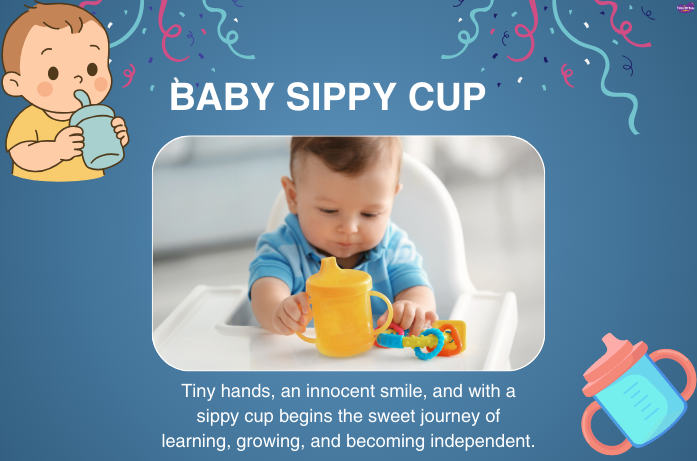
Moving from bottles to a baby sippy cup is a small but very special step in your baby’s journey. At this stage, many parents wonder, Which cup will my baby actually like? Should I choose a soft spout or a hard one? Will my baby easily adjust, or resist the change? Choosing the right sippy cup isn’t just about buying another feeding item; it’s about making this new phase comfortable and stress-free for your little one.
It’s easy to assume that any sippy cup will do, but every baby is different. Some need a gentler start, while others are ready to hold and sip on their own. The right choice can make this transition smooth and positive, while the wrong one may lead to spills, frustration, or refusal.
In this guide, you’ll discover when to introduce a baby sippy cup, what features truly matter, and simple ways to help your baby accept it happily and naturally. If you want this transition to feel easy for both you and your baby, the insights ahead will be worth reading till the end.
What is a Sippy Cup?
A sippy cup for babies is a specially designed cup for babies and toddlers who are slowly moving from bottles to regular cups. The Centers for Disease Control and Prevention (CDC) offers information on introducing cups to infants. It usually comes with a lid and a small spout or straw, making it easier for little ones to sip without spilling too much while they are still learning.
As babies begin to hold, lift, and drink on their own, a spill-proof sippy cup gently supports this new skill. It helps them practice coordination, build confidence, and become more independent during daily routines. In those early toddler years, it becomes more than just a cup, it’s a simple tool that makes the transition to independent drinking smoother and less messy for both the child and the parents.
Benefits of Using a Sippy Cup
As your baby grows, you may notice them trying to grab the bottle, reach for your glass, or show curiosity about drinking on their own. These small moments are gentle signs that your little one is ready to take a step toward independence, and a best baby sippy cup can make this transition feel much easier and more comfortable.
- Builds a Sense of Independence : When babies start holding and sipping from their own cup, they begin to feel more confident. It’s a small step, but it helps them slowly learn that they can manage simple tasks on their own.
- Helps Reduce Spills and Mess : We all know how easily little hands can lose balance, especially with an open cup. A leak-proof sippy cup minimizes those frequent spills, allowing your baby to practice drinking without turning every sip into a cleanup moment.
- Supports Oral Muscle Development : Switching from bottle-feeding to sipping involves using different mouth muscles. This gentle change helps strengthen oral coordination, which later makes drinking from a regular cup much smoother.
- Improves Hand-Eye Coordination : Lifting the cup, tilting it, and taking a sip may look simple, but for a baby it’s a new learning experience. These repeated actions naturally improve their coordination and fine motor skills as they grow.
Types of Baby Sippy Cups
You may have noticed that as your baby grows a little older, they start trying to grab and do everything on their own, whether it’s picking up a toy or attempting to drink water by themselves. In these small everyday moments, a baby sippy cup gently supports them, helping them learn to drink independently without too many spills.
In this natural learning process, a sippy cup contributes to your child’s development in several helpful ways:
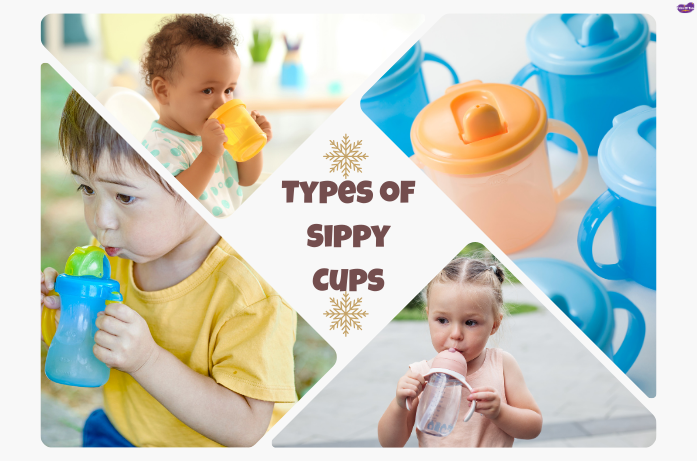
- Spout Sippy Cups
Many parents prefer to begin with spout sippy cups because they feel familiar to babies who are used to bottles. The soft or hard spout allows a gentle shift in the way they drink, especially when their gums are still sensitive.
Best for: Babies who are just starting to move from bottle-feeding to using a cup. - Straw Sippy Cups
As children grow a little older, they often show interest in sipping through a straw. Drinking this way feels more natural and gradually prepares them for using regular cups later on.
Best for: Toddlers who are comfortable sipping through a straw and are becoming more independent. - 360-Degree Cups
These cups are designed so that children can drink from any side of the rim, much like an adult cup. At the same time, they offer spill protection, so even if the cup tips over, the liquid doesn’t easily spill out.
Best for: Toddlers who are ready to practice with an open cup but still need a bit of spill control. - Trainer Cups
Some children need a little extra support when they first learn to hold and tilt a cup. Trainer cups usually come with easy-grip handles on both sides, making it simpler for small hands to hold and drink independently.
Best for: Babies who are transitioning from bottles to cups and are still learning how to hold a cup properly.
In this way, a baby sippy cup is not just a feeding tool, but a small and meaningful part of your child’s journey toward learning and becoming more independent.
Factors to Consider When Choosing a Baby Sippy Cup
When choosing a baby sippy cup, it’s helpful to look beyond the design and think about your baby’s comfort, safety, and everyday use. A few simple checks can make the decision much easier.
- Age-Appropriateness
Choose a cup that matches your baby’s age and drinking skills, so the transition feels smooth and natural. - Ease of Cleaning
Since the cup will be used frequently, it should be easy to open, clean, and reassemble to maintain good hygiene. - Material Safety
Opt for baby-safe materials like BPA-free plastic, stainless steel, or glass to ensure your child’s safety. The U.S. Food and Drug Administration (FDA) provides information on safe materials used in baby products. - Leak-Proof Design
A spill-resistant cup helps reduce mess while your baby is still learning to hold and tilt it properly. - Comfortable Grip
Handles or an easy-to-hold shape make it simpler for little hands to grip the cup and drink with confidence.
Tips for Transitioning to a Sippy Cup
Moving from a bottle to a sippy cup is not an overnight change. Some babies may play with the cup, refuse it at first, or simply explore it out of curiosity, and all of this is a normal part of learning. With a little patience and the right approach, this transition can become much easier for both you and your baby.
- Start Gradually
In the beginning, offer the sippy cup along with the regular bottle. This allows your baby to get familiar with it without feeling any pressure. - Use Familiar Drinks
Fill the cup with milk or any drink your baby already enjoys. A familiar taste makes it easier for them to accept this new way of drinking. - Encourage Them to Hold It
When your baby shows interest, let them try holding the cup on their own. Even if a little spills, these small efforts help build confidence and independence. - Slowly Reduce Bottle Use
Instead of stopping the bottle suddenly, begin replacing a few feeds with the sippy cup. A gradual change feels more natural and less overwhelming for your baby. - Be Patient and Appreciate Small Progress
Every baby learns at their own pace. Stay calm, offer gentle encouragement, and celebrate their small achievements, this positive support helps them accept the sippy cup more happily.
Frequently Asked Questions (FAQs)
1. When should I transition my baby to a sippy cup?
Most babies are ready to transition from a bottle to a sippy cup between 6 to 9 months, though some may take longer. It’s important to look for signs of readiness, like your baby showing interest in drinking from a cup or holding their bottle independently.
2. How do I prevent spills with a sippy cup?
Look for sippy cups with a leak-proof design and secure lids. Options like 360-degree cups and straw sippy cups are great choices for minimizing spills, as they allow babies to drink without excessive mess.
3. Should I choose a spout or straw sippy cup?
The choice depends on your baby’s age and development. Spout cups are great for younger babies as they’re similar to bottles, while straw cups are ideal for toddlers who are more independent and ready to drink from a straw.
4. Are sippy cups safe for babies?
Yes, sippy cups are safe as long as they are made from non-toxic, BPA-free materials. Always look for certification labels and avoid cups with harmful substances to ensure your baby’s safety.
5. Can I use a sippy cup for all liquids?
Yes, sippy cups are suitable for water, milk, and juice. Just be sure to clean the cup thoroughly after each use to prevent bacteria buildup, especially when using it for milk or juice.
Final Thoughts
A baby sippy cup is a valuable tool in your baby’s development, helping them transition from bottles to drinking independently. By considering the age-appropriate design, materials, and features, you can select the best sippy cup for your little one. Remember, the key to success is patience and consistency, so don’t be discouraged if the transition takes time.
At Tales of Tots, we understand that transitioning to a sippy cup is an exciting (and sometimes challenging) milestone.
Which sippy cup worked best for your little one? Share your experience in the comments, your insights might help other parents with this transition!
Disclaimer:
Always consult with your pediatrician for personalized advice regarding your baby’s feeding needs and developmental milestones.