Selecting a safe daycare for your child is one of the most important decisions parents make for their child. Whether you’re returning to work, need extra support during the day, or simply want your little one to interact and socialize with other children, a good daycare for your child can provide a safe and nurturing space for them to grow, learn, and feel secure. With so many choices available, it’s completely natural to feel a little overwhelmed while trying to find the option that best matches your family’s values, budget, and your child’s unique needs.
This guide is here to gently walk you through the process. It will help you understand the different types of daycare options, what key factors to consider while evaluating them, and how to confidently decide if a particular daycare is the right fit for your child and your family.
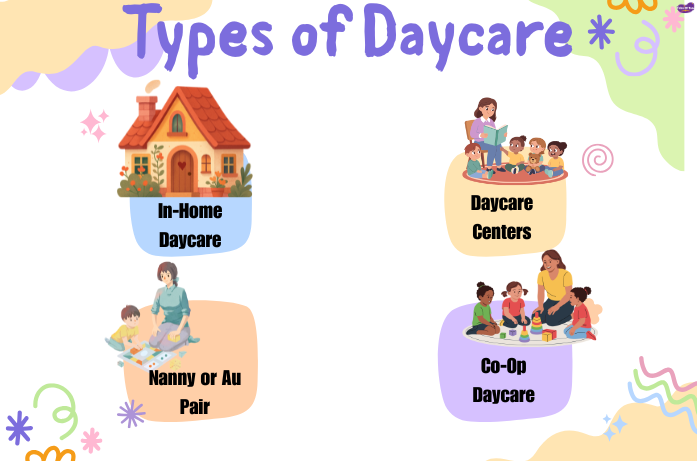
Types of Daycare for Your Child
Before exploring the different types of daycare for your child, it helps to remember that every family’s routine, values, and a child’s needs are unique. Some parents prefer a warm, home-like setting, while others feel more comfortable with a structured and educational environment.
That’s why daycare comes in several forms, each offering its own style of care and benefits. Understanding these options will make it easier to choose the one that best suits your child and your family’s lifestyle.
1. In-Home Daycare
In-home daycare, often called family daycare, usually takes place in a caregiver’s own home. This setting feels warm, familiar, and more relaxed, which can help children settle in comfortably. Because the group size is typically smaller than in large daycare centers, caregivers are often able to give each child more personal attention and better understand their daily needs and routines.
Pros:
- A cozy, home-like environment that feels safe and nurturing
- More flexibility with timings and routines
- Fewer children, which often means more individualized care
- Generally more affordable than large daycare centers
Cons:
- Fewer opportunities for interaction with a larger group of children
- Activities and learning may be less structured
- Care can be disrupted if the caregiver is unavailable
Ideal for:
Parents who prefer a gentle, home-style environment where their child can receive more personal attention in a small, caring setting.
2. Daycare Centers
Daycare centers for infants and toddlers are larger, well-organized childcare facilities that look after many children at the same time. They usually follow a structured daily routine that includes playtime, learning activities, and group interactions. Children are often grouped by age, so the care and activities can match their developmental stage and needs.
Pros:
- A structured routine with planned learning and play activities
- Clear rules, schedules, and organized systems
- Plenty of opportunities for children to interact and make friends
- Often licensed and run according to set safety and quality standards
Cons:
- Higher number of children per caregiver, which may mean less one-on-one attention
- Less flexibility compared to home-based care
- Usually more expensive than in-home daycare options
Ideal for:
Parents who prefer a more structured and social environment where their child can learn, follow a routine, and interact with a larger group of children.
3. Nanny or Au Pair
A nanny or au pair is a caregiver who comes to your home to take care of your child. This option provides one-on-one attention in the comfort and familiarity of your own home. While it is often more expensive than daycare centers or in-home daycare, it offers flexibility and allows the care routine to be tailored specifically to your child’s needs.
Pros:
- Personalized, one-on-one care for your child
- Care takes place in the comfort of your home
- Flexible hours and adaptable care style
- Daily routine and activities can be customized to your child
Cons:
- Typically a higher cost
- Fewer opportunities for social interaction with other children
- No backup care if the nanny or au pair is unavailable
Ideal for:
Parents who want full-time, personalized care with flexibility, while keeping their child in a familiar and comfortable home environment.
4. Co-Op Daycare
Co-op daycares programs are run by parents, with families sharing the responsibility of looking after the children. Parents may volunteer to help with daily activities or support administrative tasks, creating a warm, collaborative environment. This setup not only keeps costs lower but also allows families to be actively involved in their child’s early experiences and build a sense of community.
Pros:
- Parents get hands-on involvement in daily activities
- Usually more affordable than traditional daycare centers
- Offers a community of families who share similar values and parenting approaches
Cons:
- Requires time and commitment from parents
- Fewer professional caregivers compared to formal daycare centers
- Co-op programs may not be available everywhere
Ideal for:
Parents who enjoy being actively involved in their child’s care and want to share responsibilities and costs with other families, while fostering a close, supportive community.
What to Look for When Choosing a Daycare
Choosing the right daycare for your child is an important decision. You want to make sure your child is safe, happy, and in an environment that supports learning and growth. Here are some key things to keep in mind:
1. Licensing and Accreditation
Check if the daycare is licensed by the state or local authorities. Licensing ensures that health and safety standards are being met. Accreditation from organizations like NAEYC shows that the daycare follows recognized best practices for early childhood education.
2. Safety and Cleanliness
The daycare should be safe, clean, and child-friendly. Look for secure entrances, childproof furniture, and enough space for children to play freely. The American Academy of Pediatrics (AAP) provides resources on creating safe and healthy childcare environments.
Hygiene practices are important too, including diaper-changing routines and the cleanliness of toys and surfaces.
3. Staff Qualifications
Ask about the training and experience of the caregivers. Staff should be trained in CPR, first aid, and child development. Low staff turnover is a good sign, as it ensures your child experiences consistent and reliable care.
4. Child-to-Caregiver Ratio
A lower child-to-caregiver ratio means your child gets more personal attention. For infants, a ratio of 1:3 is ideal, while older children can be in slightly larger groups. Smaller groups generally allow for better care and more one-on-one interaction.
5. Curriculum and Activities
Find out about the daycare’s daily routine and activities. A good daycare provides age-appropriate learning experiences, play-based activities, and outdoor time. Activities like reading, puzzles, arts and crafts, and free play help encourage curiosity, creativity, and learning.
6. Meals and Snacks
If your child will be eating at the daycare, ask about the meal and snack policy. Some daycares provide meals, while others ask parents to pack them. Make sure the food is nutritious and that dietary restrictions or preferences are accommodated.
Keeping these points in mind will help you choose a daycare where your child feels safe, happy, and inspired to learn and explore.
Questions to Ask a Daycare Provider
When choosing a daycare for your child, asking the right questions can make a big difference. It helps you feel confident that your child will be safe, happy, and well cared for. Here are some important questions to consider:
- Caregiver Experience and Training
What kind of experience and training do the caregivers have in childcare and early childhood development? This helps you understand how well they can meet your child’s needs. - Discipline and Behavior Management
How does the daycare handle discipline or behavioral challenges? Knowing their approach will help you see if it aligns with your family’s values and parenting style. - Visiting the Daycare
Can you visit and observe the daycare during operating hours? Seeing the environment firsthand gives you a better sense of how your child will spend their day. - Daily Schedule
What does a typical day look like? How is time divided between play, learning, meals, and rest? A clear daily routine shows that children’s time is structured and balanced. - Safety Measures
How is your child kept safe, especially during outdoor play or group activities? Understanding safety practices gives peace of mind. - Extra Costs or Fees
Are there any additional fees for meals, activities, or field trips? Knowing the full cost upfront helps you plan better. - Policies for Sick Children and Emergencies
What happens if a child is sick or there’s an emergency? Clear policies ensure your child’s health and safety are always a priority.
Asking these questions will give you confidence that the daycare provides a safe, nurturing, and supportive environment for your child.
Frequently Asked Questions (FAQs)
1. What is the best type of daycare for my child?
The best type of daycare depends on your child’s age, your family’s lifestyle, and your preferences. High chairs are great for infants, while toddlers may benefit from booster seats or daycare centers. Nannies and co-op daycare are good for families who prefer personalized care or a smaller community.
2. How can I ensure a daycare is safe?
Look for daycares that are licensed and follow safety protocols like childproof furniture, secure entrances, and clean environments. Ask about staff qualifications, the child-to-caregiver ratio, and the daycare’s emergency policies.
3. What should I look for in a daycare provider?
Key considerations include the caregiver’s experience and training, daily routine, discipline methods, and the daycare’s policies regarding health, safety, and fees. A good daycare will foster a nurturing, stimulating environment for your child.
4. How do I choose between a daycare center and in-home daycare?
Daycare centers offer a structured environment with larger groups and more social interaction, while in-home daycares provide a cozy, personal setting with fewer children. Consider your child’s needs, budget, and whether you prefer a more flexible or structured environment.
5. When should I start looking for daycare?
It’s ideal to start looking for daycare several months before you need it, especially if you’re looking for a high-demand daycare center or a nanny. This allows time for interviews, visits, and securing a spot.
Final Thoughts
Choosing the best daycare for your child is a big decision, and it’s important to take your time and thoroughly research the options available. Whether you choose a daycare center, in-home daycare, or a nanny, make sure the environment is safe, nurturing, and in line with your family’s values. A great daycare will support your child’s development, give you peace of mind, and provide a strong foundation for your child’s future.
At Tales of Tots, we understand how important it is to choose the right daycare for your little one.
What did you look for when choosing your child’s daycare? Share your thoughts and experiences in the comments, your insights can help other parents make an informed choice!
Disclaimer:
This article is for informational purposes only. Always visit potential daycare providers in person and consult with trusted sources before making a decision.