Becoming a mother isn’t always easy. Along with joy and love, there’s tiredness, doubt, and a lot of questions. Breastfeeding for new moms, especially in the beginning, can feel overwhelming, Is my baby getting enough milk? Am I doing this right? Why does it hurt?
The truth is, breastfeeding is natural, but it’s also something both you and your baby learn together. Every mother’s journey is different, and there’s no perfect way to do it. With time, patience, and the right breastfeeding support, things begin to feel more comfortable..
Breastfeeding is about more than just feeding your baby. It’s about closeness, comfort, and creating a sense of safety for your little one. For moms, it can become a quiet moment of connection in the middle of busy, emotional days. And yes, breastfeeding challenges may come, but that doesn’t mean you’re failing. Asking for help and giving yourself grace are part of the process.
If you’re a first-time mom, remember this: you’re not alone. This guide is here to support you with honest, simple information, no pressure, no judgment, just reassurance as you find your own way.
The Benefits of Breastfeeding for Baby and Mom
Breastfeeding is not only a way to nourish your baby, but a thoughtful and caring step toward giving them a healthy start in life.
It provides essential nutrition and protection while helping build a warm, emotional bond between mother and child. At the same time, breastfeeding supports a mother’s physical recovery and emotional well-being, making it a meaningful experience for both.
For Baby
- A Natural Source of Complete Nutrition
Breast milk is specially made to meet your newborn’s nutritional needs, providing the ideal balance of nutrients for healthy growth, as recommended by the World Health Organization (WHO) and the American Academy of Pediatrics (AAP). It contains the right balance of fats, proteins, carbohydrates, vitamins, and minerals, making it gentle on your baby’s stomach and ideal for healthy growth and development. - Supports a Strong Immune System
Breast milk is rich in antibodies and immune-protective cells that help shield your baby from common infections, colds, and illnesses. This support is especially important during the early months, when your baby’s immune system is still developing. - Encourages Healthy Brain Development
Research suggests that breastfed babies may experience better cognitive development. The essential fatty acids found in breast milk play an important role in brain growth and support healthy neurological development. - Builds a Strong Emotional Bond
Breastfeeding creates a close physical connection between mother and baby. Skin-to-skin contact helps strengthen emotional bonding, encourages the release of oxytocin, the love hormone, and supports a sense of comfort, security, and attachment.
For Mom
- Faster Postpartum Recovery
Breastfeeding helps the uterus return to its pre-pregnancy size, reduces postpartum bleeding, and supports quicker recovery. It also helps burn extra calories, which may assist with gradual weight loss after childbirth. - Lower Risk of Certain Health Conditions
Mothers who breastfeed have a reduced risk of breast and ovarian cancers, osteoporosis, and heart-related conditions such as high blood pressure and high cholesterol. - Natural Family Planning Support
Exclusive breastfeeding can naturally delay ovulation for some time, offering temporary relief from menstruation. However, it should not be relied upon as a guaranteed method of birth control. - Emotional Balance and Calm
Breastfeeding encourages relaxation and emotional bonding. The release of oxytocin during feeding can help reduce stress and lower the risk of postpartum depression.
How to Start Breastfeeding
Beginning your breastfeeding journey may feel overwhelming at first, but with gentle guidance and patience, it can become a comfortable and rewarding experience. Here’s a step-by-step guide to help you get started:
1. Find a Comfortable Position
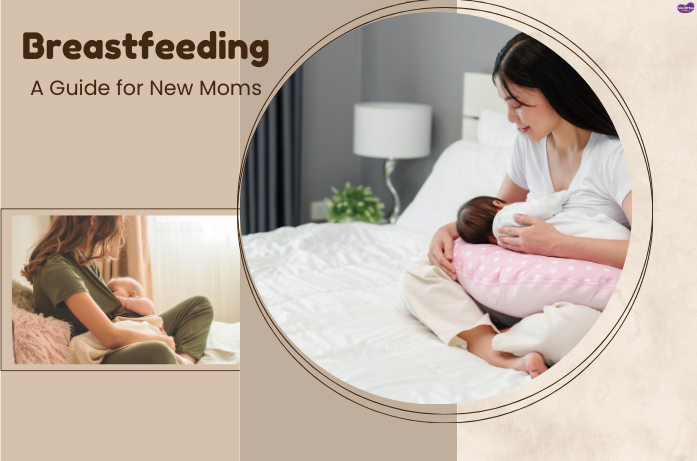
Whether you’re sitting, lying down, or using a nursing pillow, ensure that both you and your baby are comfortable. Your baby should be positioned tummy-to-tummy with you, with their mouth aligned with your nipple. Make sure your baby’s head is slightly tilted back and their nose is free for easy breathing.
2. Ensure a Proper Latch
A proper latch is crucial for both comfort and effective milk transfer. Gently stroke your baby’s lips with your nipple to encourage them to open their mouth wide. When their mouth is wide, quickly bring them to the breast, ensuring their lips are flanged out. This will help prevent nipple pain and ensure that your baby is effectively drawing milk.
3. Nurse Frequently
In the early days, aim to nurse your baby every 2 to 3 hours, even if that means waking them up. Newborns have tiny stomachs and need to feed often. As they grow, they will naturally start to space out their feedings.
4. Don’t Rush the Process
Breastfeeding takes time and practice. Don’t worry if you don’t get it right immediately, both you and your baby are learning the process. Let your baby feed for as long as they want, which helps establish your milk supply and provides them with enough nutrition.
Common Challenges in Breastfeeding and How to Overcome Them
Breastfeeding can feel challenging at times, especially in the early days. Most concerns are common and can be managed with patience and gentle care.
- Sore or Cracked Nipples
Nipple discomfort is often caused by an improper latch. If feeding is painful, gently release the latch and try again. Using nipple cream and ensuring a proper latch can help improve comfort. - Breast Engorgement
In the first days after birth, breasts may feel overly full and tender. Feeding frequently, gentle massage, or expressing a small amount of milk can help ease the pressure. - Worries About Low Milk Supply
Many mothers worry about milk supply, but it usually works on demand. Feeding your baby often, staying well hydrated, and eating nourishing foods can support milk production. - Cluster Feeding
Some babies feed very frequently for short periods, which can be tiring. This is completely normal and often helps increase milk supply. Rest when possible and take good care of yourself during this phase.
Tips for Pumping and Storing Breast Milk
There may be times when you need to be away from your baby or want to save milk for later. In those moments, pumping can be a helpful and flexible option.
- Start Pumping When the Time Feels Right
It’s usually best to begin pumping once breastfeeding is well established, often around 4–6 weeks after birth. This helps keep your milk supply steady and avoids unnecessary stress. - Choose a Pump That Works for You
Pick a pump based on your routine. If you pump often, an electric pump can save time. For occasional use, a manual pump may feel simpler and more convenient. - Store Milk Safely and Carefully
Fresh breast milk can be kept at room temperature for up to 4 hours, in the refrigerator for up to 4 days, and in the freezer for up to 6 months. Always label stored milk with the date and time, and follow safe storage guidelines to protect your baby.
Weaning from Breastfeeding
At some point, every mother reaches a stage where she considers weaning her baby from breastfeeding. This decision is deeply personal and often shaped by your lifestyle, your baby’s needs, and what feels right for you.
Weaning is best done gradually. Slowly reducing breastfeeding sessions helps prevent discomfort and allows both you and your baby time to adjust. During this transition, gentle reassurance and emotional support are important, as breastfeeding is not only a source of nourishment but also a familiar and comforting routine for your baby.
Frequently Asked Questions (FAQs)
1. How do I know if my baby is getting enough breast milk?
If your baby is gaining weight, has 6–8 wet diapers a day, and seems calm and satisfied after feeds, they are likely getting enough milk. Regular pediatric check-ups can offer extra reassurance.
2. Is pain during breastfeeding normal?
Mild discomfort in the early days can be normal, but ongoing pain is not. Pain often signals a latch issue. If breastfeeding hurts consistently, seek help from a lactation consultant.
3. How often should a newborn breastfeed?
Newborns usually feed every 2–3 hours, including during the night. Frequent feeding helps establish milk supply and meets your baby’s nutritional needs.
4. Can I breastfeed if I plan to return to work?
Yes. Many mothers continue breastfeeding by pumping and storing milk. With planning and support, breastfeeding can fit into a working routine.
5. What if breastfeeding doesn’t work for me?
Breastfeeding is not a measure of good motherhood. If breastfeeding is physically or emotionally difficult, formula feeding is a healthy and loving alternative. What matters most is a fed, loved baby and a supported mother.
Final Thoughts for New Moms
Breastfeeding can be a beautiful bonding experience, but it can also be challenging at times. The key is to be patient with yourself and your baby as you navigate this new chapter. Remember, every breastfeeding journey is unique, and what works for one mom may not work for another. Trust your instincts, seek support when needed, and know that you’re doing your very best.
At Tales of Tots, we’re here to offer guidance and encouragement through each stage of motherhood. Whether you’re exclusively breastfeeding, pumping, or transitioning to formula feeding, you are doing an amazing job as a parent.
Disclaimer
This article is for informational purposes only and should not be used as a substitute for professional medical advice. Always consult your pediatrician or lactation consultant for personalized guidance on breastfeeding and any concerns you may have.