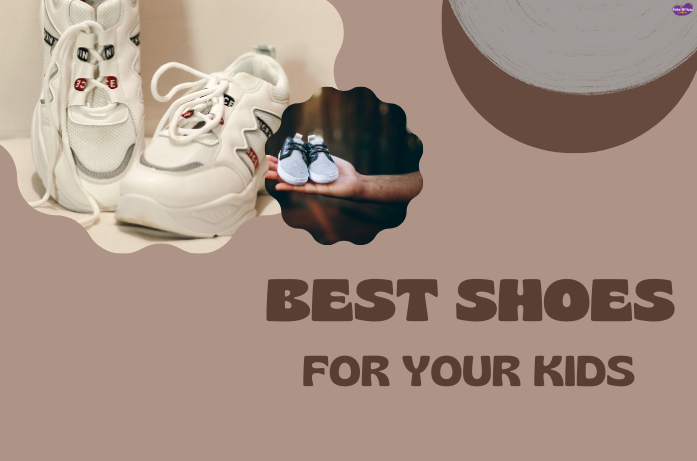
Choosing the best shoes for kids is about much more than looks or trends. The shoes your kids wear play an important role in their comfort, foot health, and overall development. Since children are always on the move, running, jumping, and exploring, their feet need proper support at every step. Kids’ feet also grow quickly, which means wearing the wrong shoes, even for a short time, can lead to discomfort or poor walking habits.
Well-fitted kids shoes help children move naturally and confidently, whether they’re at school, the playground, or at home. The right pair allows their feet to breathe, bend, and grow the way they should, without pressure or restriction. Comfortable shoes also encourage kids to stay active, which is essential for their physical growth and daily energy.
Taking a little time to choose the right shoes can make a big difference in how your child walks, plays, and enjoys their everyday activities. This step-by-step guide will help you understand what to look for, so you can confidently pick the best shoes for kids to support your child’s happy, healthy feet.
1. Get the Right Fit (Foundation of the Best Shoes for Kids)
When choosing the best toddler shoes or footwear for older kids, correct sizing matters more than brand or style.
- Measure both feet: It’s common for one foot to be slightly bigger than the other. Always choose shoes based on the larger foot to ensure a comfortable fit for both.
- Leave a thumb’s width of space: There should be about a thumb’s width between the longest toe and the front of the shoe. This extra space allows the toes to move freely while walking or running.
- Check the width as well: Shoes should fit snugly around the foot without squeezing. A proper width prevents discomfort, blisters, and helps the foot stay secure inside the shoe.
Tip: Always measure shoes while your child is standing (feet spread under weight).
According to the American Academy of Pediatrics (AAP), children’s shoes should allow room for growth, proper toe movement, and natural foot development.
2. Choose Flexible, Breathable Materials
The best shoes for kids allow natural movement.
Soft leather or breathable mesh: These materials allow proper airflow, helping reduce sweating and keeping feet dry and fresh.
Flexible soles: The sole should bend easily with the foot, allowing natural walking and running without stiffness.
Cushioned comfort: Gentle cushioning absorbs impact during walking, running, and jumping, helping protect growing feet and reduce strain during long hours of activity.
Avoid stiff, plastic-like materials that may restrict movement or cause blisters.
This is especially important for school sneakers and toddler running shoes, which are worn for long hours.
3. Look for Good Support and Grip
A child’s shoe should support play and prevent slips.
Rubber sole with good traction: A rubber sole with strong grip is essential, especially for outdoor play areas like parks, playgrounds, or uneven surfaces. It helps prevent slipping, improves balance while running or climbing, and gives children the confidence to move freely and safely during active playtime.
Padded heel and arch support: For toddlers and early walkers, soft padding around the heel and gentle arch support help maintain proper foot alignment. This cushioning reduces pressure on growing feet, supports balance, and makes walking more comfortable during long hours of movement and exploration.
Firm but not rigid heel counter: A slightly firm heel counter keeps the heel stable and prevents excessive rolling of the foot. It offers necessary support without restricting movement, helping children develop healthy walking patterns while still allowing natural flexibility.
For children with discomfort or flat arches, choosing the best shoes for flat feet can improve walking comfort and balance.
4. Pick Age-Appropriate Styles
Children need different shoes at different stages:
For Babies & Early Walkers
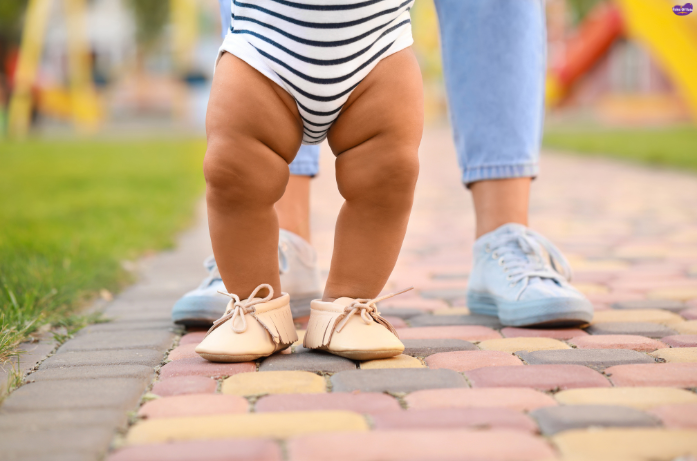
- Soft soles / pre-walker shoes: These shoes are perfect for delicate little feet. Their soft and cushioned design provides comfort and makes it easier for babies to start learning how to walk.
- Flexible and lightweight: Flexible, lightweight shoes allow children to move naturally, run, jump, and explore without putting unnecessary pressure on their growing feet.
- Easy to put on and take off: Shoes that are simple to wear and remove make life easier for parents and help children get used to putting on shoes by themselves.
For Toddlers
- Non-slip rubber soles: These soles provide excellent grip, helping toddlers stay steady while walking or running. They reduce the risk of slips and falls, especially on smooth or outdoor surfaces.
- Adjustable closures (Velcro or straps). Adjustable straps allow a secure, customized fit as your child’s feet grow. They make putting on and taking off shoes easier, giving both kids and parents more convenience.
- Shoe shapes that match foot growth: Shoes designed to follow the natural shape of growing feet ensure comfort and proper development. They provide enough room for toes to move and arches to develop naturally.
For active toddlers, toddler running shoes provide cushioning and stability for everyday movement.
For Older Kids
Supportive walking/running shoes: These shoes provide the right support for active play and daily activities. They keep the little feet stable and help encourage proper walking and running patterns.
Breathable and durable materials: Shoes made from breathable, long-lasting materials keep feet comfortable and dry. They can withstand everyday play, outdoor activities, and rough use.
A style they enjoy wearing! : Choose a style your child loves. When kids enjoy wearing their shoes, they stay active, confident, and even learn to put on shoes independently.
For outdoor adventures, kids’ hiking shoes are among the best shoes for kids, offering extra grip and reliable ankle support for active play.
In rainy weather, boys’ waterproof shoes help keep feet dry and protected.
The NHS advises choosing age-appropriate footwear that supports natural movement and allows children’s feet to grow without restriction.
5. Adjustable Closures Are Your Friend
Velcro straps or elastic toggles help:
Kids put shoes on independently: Velcro straps or elastic closures make it easier for children to wear and remove their shoes by themselves. This builds confidence and encourages independence from an early age.
Shoes stay secure while they run and play: Adjustable closures keep shoes snug and in place during active play. This prevents slipping, reduces the risk of trips or falls, and ensures comfort while moving.
You adjust for swelling or thicker socks in winter: These closures allow you to loosen or tighten shoes as needed, accommodating foot swelling or thicker socks during colder months without compromising fit or comfort.
Avoid laces for toddlers until they can tie them safely.
Some parents also prefer barefoot shoes for kids indoors or for light play, as they allow natural foot movement.
6. Think About Season & Activity
Shoes should match the weather and what your child does most:
Summer: Breathable sandals or sneakers. Lightweight, breathable shoes keep little feet cool and comfortable during hot weather. They allow air circulation and help kids play and run without sweaty, sticky feet.
Winter: Warm boots with non-slip soles: Warm boots protect feet from cold and moisture. Non-slip soles prevent slipping and keep children safe while playing outdoors in winter conditions.
Sports/Play: Cushioned athletic shoes: Cushioned athletic shoes provide support during running, jumping, and active play. They help prevent injuries and keep little feet comfortable for extended activity.
Indoors: Soft sole shoes or slippers: Soft, lightweight shoes or slippers for indoor use offer comfort and protection. They reduce the risk of slips and allow safe, easy movement around the house.
This helps protect feet and improve traction in different conditions.
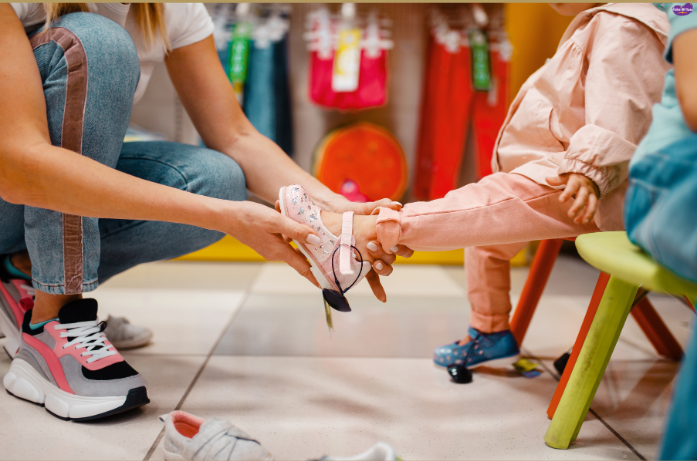
7. Check Fit Often
Kids grow fast! Check fit every 6–8 weeks for toddlers and every few months for older kids.
Signs the shoes are too small:
- Toes touching the front
- Red marks after wearing
- Complaints of discomfort
8. Let Your Child Help Choose
Giving kids a say increases the chance they’ll wear their shoes happily.
Let them:
Pick colors or designs. Let children choose their favorite colors or patterns, making wearing shoes more fun.
Try shoes on and walk around: Walking in the shoes helps ensure they are comfortable and fit well.
Say how they feel them: Encourage kids to express if the shoes feel tight, loose, or uncomfortable.
Comfort always matters more than looks, especially for popular boys’ shoes or trendy styles!
9. Pair With Good Socks
Good socks add comfort and reduce odor:
- Breathable cotton or wool: These materials absorb moisture, keep feet dry, and prevent sweating.
- Seam-free front for toddlers: Seamless toes reduce friction and irritation, keeping little feet comfortable.
- Non-slip socks for shoes without backs: These help prevent slipping and provide better grip inside the shoe.
Match sock thickness to shoe size; thicker doesn’t always mean better!
10. When to Ask a Doctor
Reach out to a pediatrician or podiatrist if you notice:
- Favoring one foot: This may indicate discomfort, imbalance, or an underlying issue.
- Flat feet causing discomfort: Flat feet are common, but pain or difficulty walking should be checked.
- Pain while walking or an unusual gait Limping or awkward walking patterns may need professional attention.
- Persistent blisters or redness:O ngoing skin irritation can signal poor shoe fit or foot problems.
A specialist can assess your child’s foot health and recommend the best shoes for flat feet, supportive footwear, or custom inserts if needed.
FAQs: Choosing the Best Shoes for Kids
1. How often should I change my child’s shoes?
Most toddlers need new shoes every 6–8 weeks, while older kids may need them every 3–4 months. Always check fit regularly sasfeet grow fast.
2. Is it okay for kids to wear hand-me-down shoes?
It’s best to avoid them. Shoes mold to the original wearer’s foot shape and walking style, which may affect your child’s comfort and posture.
3. Should kids wear shoes at home?
Indoors, soft slippers or barefoot walking on safe surfaces is fine. It helps strengthen foot muscles naturally.
4. Are expensive shoes always better?
No. A good shoe is defined by fit, flexibility, and comfort, not price or brand.
5. How do I know if shoes are hurting my child’s feet?
Watch for redness, blisters, toe marks, limping, or complaints of pain. These are signs it’s time to change shoes.
Final Thought
The best shoes for your kids are comfortable, supportive, and sized just right, not always the most expensive or trendiest. When you focus on fit, flexibility, and activity needs, you’ll choose footwear that protects little feet and helps them move confidently through every adventure.
Choosing the right shoes is one small decision that makes a big difference in your child’s comfort and confidence.
For more real-life parenting tips, honest guidance, and everyday solutions, explore our articles on Tales Of Tots, where parenting is shared through experience, care, and heart.
Disclaimer
This article is meant for general parenting information only. Every child’s foot development is different. If you notice pain, walking issues, or concerns about foot growth, please consult a pediatrician or pediatric podiatrist for professional advice.