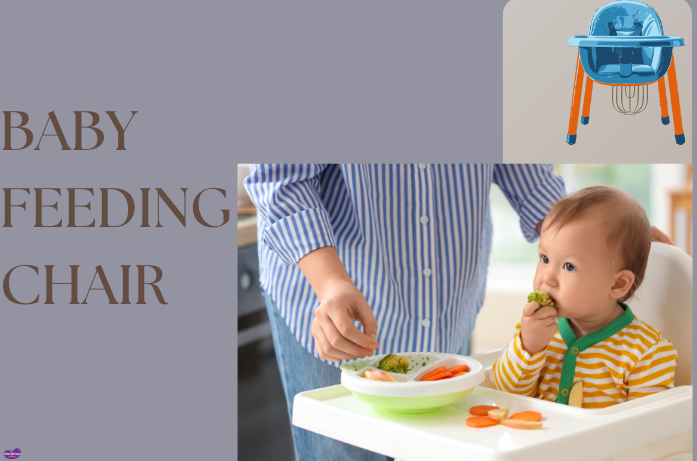
Mealtime is a precious bonding moment between you and your baby, and ensuring their comfort and safety is always a top priority. A well-designed safe baby feeding chair can make feeding time smoother, more enjoyable, and far less messy for both parents and little ones. It gives your baby a secure place to sit, explore new foods, and gradually develop healthy eating habits.
Whether you are a first-time parent or an experienced caregiver, choosing the right baby feeding chair plays an important role in your baby’s comfort and overall development. In this blog, we will gently walk you through the different types of baby feeding chairs, their benefits, and the key features to consider, so you can make a safe and thoughtful choice for your child.
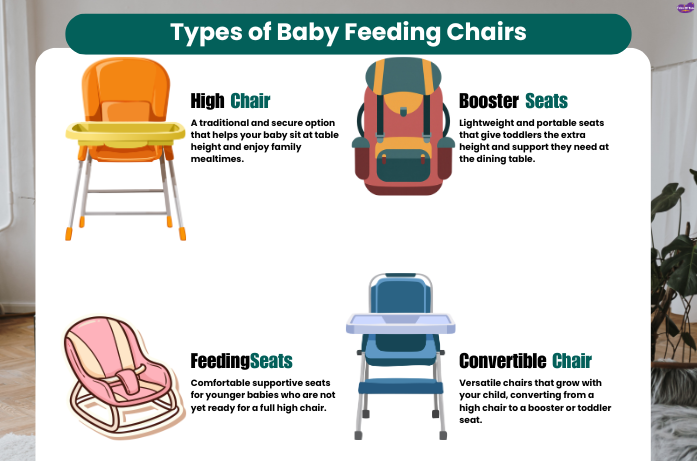
Types of Baby Feeding Chairs
Choosing the right baby feeding chair depends on your baby’s age, comfort, and your daily routine. The U.S. Consumer Product Safety Commission (CPSC) outlines safety standards for baby gear, including high chairs and booster seats. Here’s a simple and parent-friendly guide to the most common types, along with when and why they work best.
1. High Chairs: The Traditional Choice
High chairs are the most popular option for babies during mealtime. They lift your child to table height, making it easier for them to eat alongside the family and enjoy those shared moments together. Many high chairs include adjustable height settings, removable trays for quick cleaning, and safety straps to keep your baby secure.
Ideal for: Babies who can sit up independently, usually around 6 months and older.
Benefits: These chairs often grow with your child thanks to multiple reclining and height positions. Some models can even convert into toddler chairs, making them a practical long-term choice.
2. Booster Seats: For Toddlers on the Go
Booster seats are compact and portable, designed to be attached to regular dining chairs. They are perfect for older babies and toddlers who don’t need a full high chair but still require extra height and support during meals.
Ideal for: Toddlers around 18 months and older who can sit well on their own.
Benefits: Lightweight and easy to carry, portable booster seat for toddlers are great for travel, small homes, or dining out, while still keeping your child safely positioned at the table.
3. Bouncy or Feeding Seats: Comfort for Younger Babies
These seats are designed mainly for younger babies who are not yet ready for a high chair. While they may not always be used for solid feeding, they help babies sit in a supported position and stay engaged during family mealtime. Some come with gentle rocking features that help soothe your baby.
Ideal for: Babies under 6 months who need extra support and comfort.
Benefits: They provide a cozy and stable spot for early feeding interactions, and certain models include detachable trays for added convenience.
4. Convertible High Chairs: A Long-Term Solution
Convertible high chairs are a versatile choice for parents looking for value and flexibility. These chairs can transform from a high chair to a booster seat or even a toddler chair as your child grows more independent.
Ideal for: Parents who want a single chair that adapts through different growth stages.
Benefits: Their multi-functional design allows extended use, making them a smart and economical investment for the long run.
By understanding these options, you can choose a feeding chair that fits your baby’s needs while making everyday mealtimes more comfortable and enjoyable for the whole family.
Key Features to Consider When Choosing a Baby Feeding Chair
When selecting a feeding chair for baby, it’s important to focus on features that ensure safety, comfort, and everyday convenience. Here are some key points to keep in mind before making your decision.
1. Safety Features
Safety should always be your top priority. Look for a feeding chair with a secure 5-point harness system that keeps your baby safely in place during meals. A sturdy and well-balanced base is equally important to prevent the chair from tipping over, especially when your baby starts to move or lean.
2. Adjustability
Babies grow quickly, so choosing an adjustable high chair with adjustable height and reclining positions can be very helpful. These features allow you to adapt the chair according to your baby’s age and comfort, ensuring proper support at every stage of their development.
3. Ease of Cleaning
Mealtime with babies often comes with spills and mess, so easy cleaning is essential. Chairs with removable, dishwasher-safe trays and smooth, wipeable surfaces make daily cleanup much simpler. Some models also include removable and washable fabric covers, which add extra convenience for busy parents.
4. Comfort
Since your baby will spend a fair amount of time in their feeding chair, comfort matters a lot. Soft padded cushions, good back support, and comfortable armrests help your baby sit happily during meals. Certain chairs also offer reclining options, which can be useful if your baby gets tired or needs a short rest.
5. Portability and Storage
If you have limited space or travel frequently, portability becomes an important factor. Lightweight chairs that fold easily are ideal for small homes and on-the-go families. Booster seats and foldable high chairs are especially convenient, as they can be stored neatly or carried along during outings.
By paying attention to these features, you can choose a feeding chair that not only keeps your baby safe and comfortable but also makes daily mealtimes smoother and more enjoyable for you.
When Should You Start Using a Baby Feeding Chair?
You can usually begin using a baby feeding chair when your little one is able to hold their head up steadily and sit with good support. For most babies, this stage arrives around 6 months of age, which is also when many parents start introducing solid foods. A high chair at this stage provides the right posture and safety needed for comfortable and enjoyable mealtimes.
As your child grows and becomes more confident sitting on their own, you may consider transitioning to options like booster seats. These are suitable when toddlers can sit unassisted and begin eating with a spoon or trying to self-feed. Paying attention to your baby’s physical readiness, rather than just age, will help ensure a safe and positive feeding experience.
Frequently Asked Questions (FAQs)
1. When can I start using a baby feeding chair?
You can start using a baby feeding chair when your baby can hold their head up steadily and sit with good support, usually around 6 months of age. This is also when many parents begin introducing solid foods.
2. What are the best types of baby feeding chairs?
The best types of baby feeding chairs include high chairs for babies around 6 months, booster seats for toddlers, and convertible high chairs that grow with your child. Each type offers unique benefits based on your baby’s age and development.
3. How do I choose a safe feeding chair for my baby?
Look for a feeding chair with a secure 5-point harness system, a sturdy base to prevent tipping, and adjustable height and reclining positions to ensure comfort and safety as your baby grows.
4. What features should I look for in a baby feeding chair?
Key features to consider include safety features (like harnesses), ease of cleaning (removable trays and washable cushions), comfort (soft padding and back support), portability, and adjustability to accommodate your baby’s growth.
5. Can I use a baby feeding chair for travel?
Yes, some booster seats and foldable high chairs are portable and ideal for travel. They are lightweight, easy to store, and can be used in different locations, making mealtimes outside the home more convenient.
Final Thoughts
Choosing the right baby feeding chair will make mealtime smoother for both you and your baby. Whether you choose a high chair, booster seat, or convertible chair, it’s important to prioritize comfort, safety, and ease of use. With the right feeding chair, your baby will be set for enjoyable meals with the family, while also developing good eating habits that will last a lifetime.
If you’re unsure which feeding chair is the best for your baby, consider the factors that matter most to your family, such as portability, ease of cleaning, and the duration of use. And don’t forget, your baby’s well-being comes first, so make sure their feeding chair is safe, comfortable, and supportive!
At Tales of Tots, we know that choosing the right baby feeding chair is an important decision.
Which feeding chair works best for you and your baby? Share your experiences in the comments, your feedback can help other parents make informed choices!
Disclaimer:
Always consult your pediatrician for specific guidance on your baby’s development and readiness for mealtime changes.