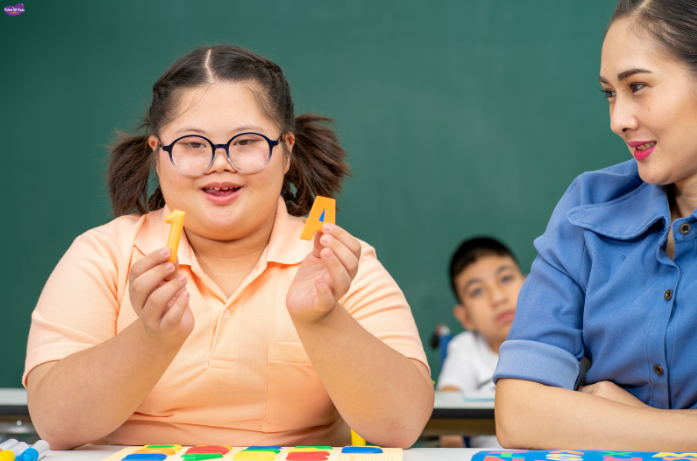
Autism in kids, also called Autism Spectrum Disorder (ASD), is a developmental condition that shapes the way a child experiences the world, how they communicate, learn, and connect with others. Every child with autism is unique, and their needs can vary widely. Some may only need a little extra support to navigate daily life, while others benefit from more structured guidance and care. But no matter the level of support, one truth remains: children with autism have incredible potential to learn, grow, and thrive. What truly makes the difference is patience, understanding, and love. Small gestures, consistent encouragement, and a nurturing environment can help them discover their strengths and gain confidence. With the right guidance, every child can flourish in their own way, achieving milestones at their pace and surprising us with their abilities. Autism doesn’t define limits, it simply means their journey is beautifully unique.
Here’s a simple, comforting guide to help parents understand autism in kids, including levels of autism, autism disorder types, and the support your child may need.
What Is Autism in Kids?
Autism affects three main areas:
- Communication: Children with autism may find it challenging to express themselves through words or gestures. Some speak very little, while others communicate in their own unique way.
- Social Interaction: Connecting with others or making friends can sometimes be difficult. They may take extra time to understand social cues.
- Behavior and Sensory Response: Sounds, lights, or touch may affect them differently. They might also repeat certain behaviors or routines because it brings them comfort.
It is called a spectrum because every child experiences it differently, mild, moderate, or more noticeable differences.
Early Signs of Autism in Kids
Some early signs may include:
Limited eye contact: Children may avoid looking directly into others’ eyes and use less eye contact during communication.
• Delayed speech: They might take longer to start speaking or understanding words, with some showing noticeable delays in language development.
• Preferring to play alone: Playing alone often feels more comfortable, and they may show less interest in group or social play.
• Repetitive behaviors: Repeating actions, like hand-flapping or arranging objects repeatedly, is common.
• Sensory sensitivity: Sounds, lights, or touch may affect them more intensely or sometimes less than usual.
• Difficulty expressing needs: Expressing emotions, needs, or desires can be challenging for them.
If you notice several signs consistently, a pediatrician can guide you further.
For more detailed early signs and developmental milestones, you can also read the CDC Autism Facts.
Causes of Autism
Autism does not happen because of parenting or vaccines.
Possible factors include:
• Genetics: Autism can sometimes run in families. If a family member is autistic, there may be a higher chance for the child to show similar traits.
• Brain development differences: Variations in brain structure and development can influence how a child communicates, interacts, and behaves.
• Pregnancy or birth complications: In some cases, complications during pregnancy or at birth can affect development, which may contribute to autism.
There is no single cause, and no one is to blame.
NIMH (National Institute of Mental Health) provides a clear, science-based overview of autism, including its possible causes and diagnostic methods.
Levels of Autism (According to Support Needs)
Autism in kids is divided into three levels depending on how much support a child needs in daily life. Knowing these levels helps parents, caregivers, and teachers offer the right guidance and care, ensuring each child gets the support they need to grow and thrive.
Level 1 Autism (Requires Support)
Children with Level 1 autism may:
• Speak but struggle with back-and-forth conversations: Children can speak, but engaging in a two-way conversation or responding naturally can be challenging for them.
• Prefer routine: They feel more comfortable following daily routines and predictable activities, and may struggle with changes.
• Find social situations confusing: Social settings can sometimes feel overwhelming or confusing.
• Get overwhelmed by changes: Even small changes in plans or environment can cause stress or anxiety.
They can function independently with mild support.
Level 2 Autism (Requires Substantial Support)
Children may show:
• Noticeable delays in communication: Children may take longer to speak or understand language, making it harder to express their feelings or needs.
• Difficulty understanding social cues: They may struggle to interpret facial expressions, gestures, or other social signals.
• Repetitive behaviors that interfere with daily life: Repeating certain actions or routines can sometimes disrupt everyday activities.
• Stronger sensory sensitivities: Sounds, lights, touch, or other sensory inputs may feel overwhelming or more intense than usual.
They need structured support at home and school.
Level 3 Autism (Requires Very Substantial Support)
This level includes:
• Significant communication challenges: Children may have serious difficulty speaking or expressing their feelings.
• Limited verbal abilities or nonverbal communication: Some children speak very little or communicate mainly through gestures and facial expressions.
• Difficulty with daily activities: Everyday tasks like dressing, eating, or personal care can be challenging.
• High sensory sensitivity: Sounds, lights, touch, or other sensory experiences may feel overwhelming.
• Need for continuous support: These children often require constant guidance and assistance throughout the day.
Children at this level thrive with specialized therapies and consistent routines.
Types of Autism Disorder
Autism used to be divided into different diagnoses. Today, they all fall under Autism Spectrum Disorder(ASD), but parents may still hear these names:
- Asperger’s Syndrome: Often considered a milder form of autism, children usually have strong language and intellectual abilities. However, they may struggle with social interaction, understanding emotions, body language, and adapting to changes in routines.
- PDD-NOS (Pervasive Developmental Disorder : Not Otherwise Specified):
This diagnosis includes children who show some signs of autism but do not fully meet the criteria for a specific type. Symptoms may vary widely, affecting communication, behavior, or social skills differently. - Childhood Disintegrative Disorder: A rare developmental condition where a child develops typically for a few years and then gradually or suddenly loses previously learned skills such as speech, social interaction, motor abilities, and bladder or bowel control.
- Classic Autism (Kanner’s Syndrome): This form involves more noticeable challenges in communication, social interaction, and behavior. Children may have delayed speech, repetitive behaviors, limited eye contact, and difficulty forming relationships with others.
Understanding these older terms can help parents better interpret reports or therapy notes related to autism in kids.
How Autism Is Diagnosed
A pediatrician or child psychologist may use:
• Behavior Observation:
Specialists closely observe how the child plays, communicates, and interacts with others in different situations. This helps them identify social responses, communication patterns, and behaviors that may indicate signs of autism in everyday settings.
• Developmental History Review:
Detailed information is collected about the child’s growth from birth, including milestones like speech, movement, and learning progress. This background helps professionals understand developmental patterns and identify any early differences or delays.
• Speech and Behavior Assessments:
Experts evaluate the child’s language skills, ability to express needs, understanding of instructions, and behavioral responses. These assessments highlight strengths, challenges, and areas where the child may benefit from targeted support or therapy.
• Parent Interviews:
Parents share insights about the child’s daily routines, interests, social interactions, and challenges at home. Their observations provide valuable context, helping specialists form a more complete and accurate understanding of the child’s needs.
Early diagnosis leads to early support, and better outcomes.
The Mayo Clinic also highlights the importance of early therapy and intervention for children with autism.
Early Intervention Helps
Therapies make a powerful difference:
• Speech therapy: Helps children improve their speaking and understanding skills, allowing them to express thoughts and emotions more effectively.
• Occupational therapy: Supports daily activities like eating, dressing, and fine motor skills, helping children become more independent.
• ABA therapy: Uses specialized techniques to understand behavior and develop positive habits.
• Sensory integration: Helps children manage sensory sensitivities and feel more comfortable in different environments.
• Special education support: Provides individualized or small-group learning to enhance academic and social skills.
Children on the spectrum bloom beautifully with consistent guidance.
How Parents Can Support Their Child
A few simple steps go a long way:
• Create comforting routines:
Having a predictable daily rhythm helps children know what to expect next. Consistent routines reduce anxiety, improve cooperation, and make transitions between activities easier, helping children feel safe, secure, and more in control of their surroundings.
• Communicate with clarity and simplicity:
Using short sentences, clear words, and calm tones helps children process information better. Simple communication reduces confusion, improves understanding, and allows children to respond with greater confidence and less frustration.
• Design a sensory-friendly space:
A calm environment with soft lighting, minimal noise, and limited distractions supports emotional regulation. Sensory-friendly spaces help children relax, focus better, and feel comfortable during learning, play, or daily routines.
• Appreciate small achievements:
Celebrating even small progress, like trying a new activity or following instructions, builds self-confidence. Positive encouragement motivates children, reinforces good behavior, and helps them feel proud of their efforts and growth.
• Promote play and connection:
Playful activities, shared games, and simple interactions strengthen emotional bonds. Through play, children practice communication, social skills, creativity, and emotional expression in a fun and natural way.
• Lead with patience and warmth:
Every child learns at their own pace. Showing patience, kindness, and unconditional love creates a supportive environment where children feel accepted, understood, and encouraged to grow without fear or pressure.
Your connection is your child’s biggest strength.
Autism Awareness Month
April is observed as Autism Awareness Month worldwide.
Its purpose is to:
• Spread understanding about autism: Increase awareness about the traits, challenges, and abilities of children with autism.
• Encourage early diagnosis: Early identification allows children to receive timely support and therapies, improving their development.
• Promote acceptance and inclusion: Ensuring autistic children are welcomed and given equal opportunities in society is essential.
• Support families: Families are provided with guidance, resources, and emotional support to navigate challenges.
• Celebrate neurodiversity: Every child’s unique abilities and perspectives are respected and celebrated.
Many schools, organizations, and parents participate in awareness walks, blue-light campaigns, and online education to create a kinder, more informed world.
Autism Speaks
Autism Speaks is a global organization dedicated to:
• Raising awareness: Organizes programs and campaigns to educate people about autism and increase understanding.
• Funding research: Provides financial support for scientific research on causes, diagnosis, and treatments of autism.
• Providing resources for families: Offers guides, toolkits, and helpful information to assist families in supporting their child’s development and therapy.
• Supporting early screening and intervention: Promotes early identification and timely interventions to improve learning and growth.
• Encouraging inclusion and understanding: Works to increase acceptance and inclusion of autistic children in society.
Their slogan, Light It Up Blue, is widely recognized during Autism Awareness Month.
They offer guides, toolkits, and community support for parents navigating diagnosis and therapy.
Strengths of Children with Autism
Children on the spectrum often have incredible strengths like:
• Exceptional memory: Many autistic children have an amazing ability to remember events, words, or details.
• Creativity: They excel at thinking imaginatively, creating new ideas, and showing creativity in art or projects.
• Honesty: These children are often very straightforward and honest, expressing their thoughts and feelings clearly.
• Strong focus: They can concentrate deeply on tasks, allowing them to complete complex activities effectively.
• Unique problem-solving: They often approach problems differently and find innovative solutions.
• Deep loyalty: They remain extremely loyal and trustworthy toward family, friends, and close people.
Celebrating strengths helps children feel confident and loved.
FAQs on Autism in Kids
1. At what age can autism be detected in children?
Early signs can appear as early as 12–18 months, but many children are diagnosed around 2–3 years old. Earlier screening leads to earlier support.
2. Does autism go away with age?
Autism does not go away. However, with early intervention, therapy, and support, children learn new skills and grow beautifully at their own pace.
3. Is autism caused by vaccines?
No. Absolutely not.
Extensive research shows that vaccines do not cause autism.
4. Can children with autism attend regular school?
Yes. Many children with autism attend regular schools with support plans, while others benefit from special education depending on their needs.
5. What should I do if I suspect my child has autism?
Speak to your pediatrician. They may refer you to a child psychologist, developmental pediatrician, or therapist for evaluation.
Final Thoughts
Autism doesn’t change who your child is, it simply helps you understand them better. With early support, understanding, and patience, children with autism grow beautifully in their own unique ways.
Your love, acceptance, and guidance are more powerful than any therapy.
And remember: you are not alone, and your child is perfect in their own wonderful way.
You’re Not Alone, and Your Child Is Not Alone
For more parent-friendly guides, early learning tips, emotional support, and simple explanations, visit Tales Of Tots.
A warm space where parents find clarity, comfort, and community.
Disclaimer
This article is for educational and supportive purposes only. Autism is a medical and developmental condition, and every child is unique. Always consult a pediatrician, child psychologist, or developmental specialist for diagnosis, personalized guidance, or therapy recommendations.