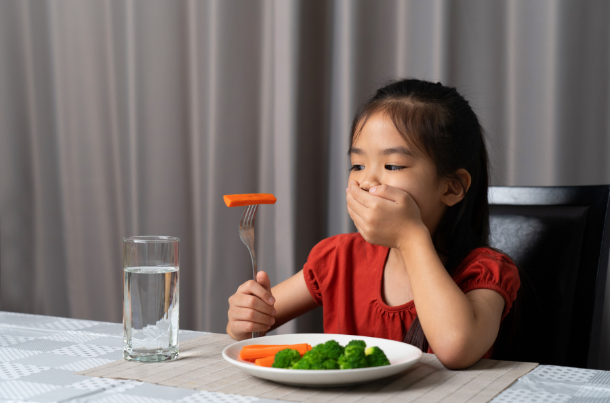
There are few things that worry parents more than watching their little one push away food at every meal. You lovingly prepare a colourful plate, offer their favourite snacks, and try every trick you know, only to see your toddler shake their head and ask for milk instead. If your toddler is refusing food but asking for milk, you are not alone. Many parents go through this stage and wonder if their child is getting enough nutrition.
Many parents go through this stage and wonder if their child is getting enough nutrition.
As a mom, I understand how stressful it can feel. Food is connected to growth, energy, and health, so when your toddler refuses meals, it is natural to feel concerned. The good news is that this phase is often temporary. Toddlers are learning independence, exploring their preferences, and sometimes simply going through changes in appetite.
In this article, we will talk about why toddlers sometimes prefer milk over food, when it may be a concern, and gentle ways you can encourage healthier eating habits without turning every meal into a battle.
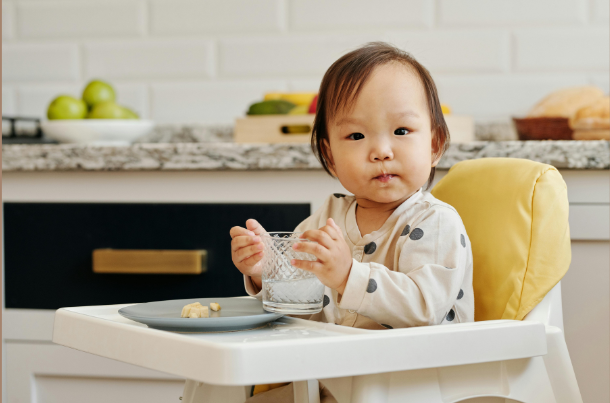
Why Is My Toddler Not Eating but Drinking Milk?
Toddlers are at an age where their growth rate naturally slows compared to their baby months. Because they are not growing as rapidly, their appetite can change from day to day. One day they may eat a full meal, and the next day they may survive on a few bites and milk.
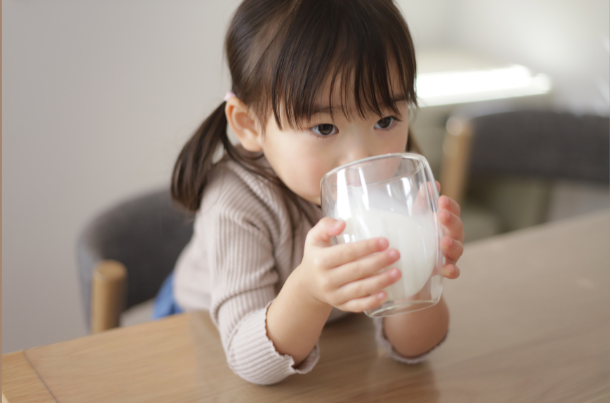
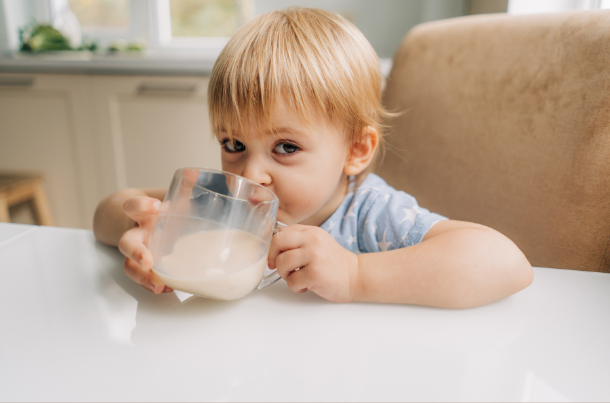
Milk is comforting, familiar, and easy to consume. For many toddlers, drinking milk feels much easier than sitting down, chewing different textures, and trying new foods.
When a toddler drinks a lot of milk throughout the day, they may also feel full before mealtime arrives. Their small stomachs have limited space, so filling up on milk can reduce their interest in solid foods.
This does not mean you have done anything wrong as a parent. Toddlers naturally go through picky eating phases, and your patience and consistency can help guide them through this stage.
Common Reasons Toddlers Prefer Milk Over Food
Understanding the reason behind your child’s eating habits can make the situation feel less frustrating. Every toddler is different, but some common reasons include:
1. Milk Keeps Them Feeling Full
Milk contains calories, protein, and fat, which means it can satisfy hunger for several hours. If your toddler drinks large amounts of milk between meals, they may simply not feel hungry enough to eat.
Many parents unknowingly create this pattern because offering milk feels easier when their child refuses food. It becomes a comforting routine, but over time, the child may learn to wait for milk instead of trying meals.
2. Toddlers Love Familiar Things
Toddlers often prefer foods they already know. New foods can feel strange because of different colours, smells, textures, or flavours.
Milk is predictable. Your toddler knows exactly what it tastes like and what to expect. Solid foods require more effort and curiosity, which can be challenging during certain developmental stages.
3. Teething or Mouth Discomfort
When toddlers are teething, chewing can feel uncomfortable. They may avoid crunchy foods or anything that requires more chewing.
You can learn more about common teething symptoms and ways to comfort your child from the American Academy of Pediatrics teething guidance.
During these times, milk may feel soothing because it is easier to swallow. Soft foods like yoghurt, mashed vegetables, smoothies, or soft fruits may be more appealing.
4. Growing Independence
The toddler years are a time when children discover they have choices. Saying “no” to food is sometimes less about the food itself and more about independence.
Your toddler may be testing boundaries and enjoying the feeling of making decisions. Staying calm can help prevent meals from becoming a power struggle.
Is It Normal for a Toddler to Drink Milk and Eat Very Little?
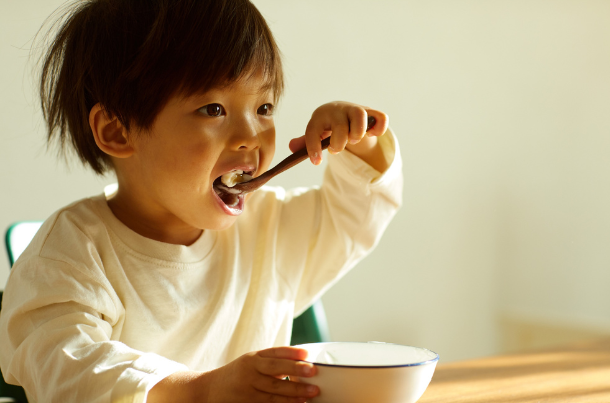
Yes, it can be normal for toddlers to have periods where they eat very little. Many parents worry because they compare their child’s meals to their own expectations.
However, toddlers do not always eat the same amount every day. Their appetite can change depending on activity level, sleep, growth patterns, and mood.
A toddler who eats a few bites at one meal may eat more later in the day. Looking at their overall eating habits across a week is often more helpful than focusing on one difficult meal.
The goal is not to make your toddler eat a perfect plate every time. The goal is to create a healthy relationship with food where they feel safe exploring different foods.
When Should You Be Concerned About a Toddler Not Eating?
While picky eating is common, there are times when it is worth speaking with your child’s healthcare provider.
Consider seeking advice if your toddler:
- Refuses almost all solid foods for a long period
- Has trouble chewing or swallowing
- Is losing weight or not growing as expected
- Your healthcare provider may also want to check for nutritional concerns if your toddler consumes very little variety or relies heavily on milk.
- Seems unusually tired or weak
- Frequently vomits after eating
- Shows signs of pain during meals
- Has very limited food choices and extreme reactions to textures
Trust your mother’s instinct. You know your child better than anyone. If something feels different from normal, it is always okay to ask for professional guidance.
How Much Milk Is Too Much for a Toddler?
Milk is nutritious and can be part of a healthy toddler diet. It provides important nutrients like calcium, vitamin D, and protein.
The problem usually happens when milk replaces too many meals. A toddler who drinks excessive milk may not feel hungry for other foods and may miss out on important nutrients found in fruits, vegetables, grains, and other protein sources.
For many toddlers, keeping cow’s milk intake around 16 ounces (2 cups) per day can help leave room for a balanced diet, although your child’s needs may vary depending on age, growth, diet, and health. Your healthcare provider can guide you if you have concerns about milk intake.
Offering milk at predictable times rather than constantly throughout the day can help your toddler develop hunger cues.
For example, you might offer milk with meals or after eating instead of giving it whenever your child asks for it.
If your child is still learning to drink independently, this guide to choosing the best baby sippy cup may help make the transition from bottles or frequent milk feeds feel a little easier.
Remember, the goal is not to remove milk completely. It is about creating balance.
Gentle Ways to Encourage Your Toddler to Eat More
Helping a toddler become interested in food takes patience. Here are some gentle approaches that can make mealtimes easier.
Create a Calm Mealtime Routine
Toddlers feel more comfortable when they know what to expect. Try offering meals and snacks around the same times each day.
A predictable routine helps their body learn when to feel hungry. It also reduces constant requests for snacks and milk throughout the day.
Keep mealtimes relaxed. Children often notice our emotions, and pressure around eating can make them more resistant.
Offer Small Portions
Large plates can feel overwhelming for toddlers. A small amount of food often feels more manageable.
You can always offer more if your child finishes. Seeing a smaller portion can make them more willing to try.
Even touching, smelling, or tasting a new food is progress. Eating is not the only way toddlers learn about food.
Let Your Toddler Participate
Toddlers love being involved. Simple activities like washing fruits, choosing between two vegetables, or helping stir ingredients can make them more interested in eating.
When children feel involved, they often become more curious about the food they helped prepare.
Avoid Turning Meals Into a Battle
This can be one of the hardest things for parents. When you worry about your child eating enough, it is natural to encourage “just one more bite.”
However, repeated pressure can make toddlers associate meals with stress.
Try offering healthy choices and allowing your child to decide how much to eat. Your job is to provide nutritious options; their job is to listen to their hunger.
Healthy Foods to Offer When Your Toddler Refuses Meals
If your toddler prefers milk, try offering foods that are nutritious but easy to eat.
Some toddler-friendly options include:
- Soft fruits like banana, pear, or avocado
- Scrambled eggs
- Oatmeal with fruit
- Homemade smoothies
- Soft cooked vegetables
- Small pieces of cheese
- Yoghurt
- Whole grain toast
- Nut butters (thinly spread and prepared safely to reduce choking risk)
- Beans or lentils prepared in a toddler-friendly way
Do not worry if your toddler does not accept every food immediately. Some children need to see a new food many times before they feel comfortable trying it.
What If My Toddler Only Wants Milk Before Bed?
Many toddlers become attached to bedtime milk because it feels comforting and is part of their routine.
A bedtime milk habit is common, but if your toddler depends on milk instead of eating dinner, you may want to slowly adjust the routine.
You can try offering dinner first, followed by milk as part of the bedtime wind-down.
Gentle changes usually work better than sudden restrictions. Toddlers respond well when they feel secure and supported.
A Mom’s Reminder: You Are Not Alone
When your toddler refuses food, it can feel like you are constantly worrying about whether they are eating enough. You may compare your child’s meals to other children or wonder if you are doing something wrong.
Please remember that feeding a toddler is a journey, not a test you need to pass perfectly.
Some days will go smoothly. Some days your child may eat only a few favourite foods. That does not mean you have failed.
Your patience, your effort, and the loving meals you continue to offer all matter.
Frequently Asked Questions
Is it normal for a toddler to only want milk and not food?
Can too much milk make a toddler not hungry?
Should I stop giving milk if my toddler refuses food?
How can I encourage my toddler to eat without forcing?
When should I worry about my toddler not eating?
Final Thoughts
Having a toddler who is not eating much but still drinking milk can feel stressful, but in many cases, it is simply a normal part of toddler development, but in many cases, it is simply a normal part of toddler development. Children go through phases, and their eating habits can change as they grow.
Continue offering balanced meals, keep milk portions reasonable, and create a peaceful environment around food. Avoid forcing, bribing, or worrying over every bite.
Your toddler is learning. They are discovering new tastes, building independence, and growing in their own unique way.
From one mom to another, remember this: a difficult eating phase does not define your parenting. The love, care, and patience you show every day are what your child will remember most.
Keep offering, keep encouraging, and trust that with time, your little one will find their own healthy relationship with food.
For more gentle parenting advice, toddler tips, and reassuring guidance for every stage of childhood, visit Tales of Tots, a supportive space created to help you feel more confident throughout your parenting journey.
Trusted Resources
Disclaimer
This article is for general educational and parenting information only and does not replace advice from your child’s pediatrician or another qualified healthcare professional. Every toddler develops differently, and feeding habits can vary. Seek professional guidance if your child has poor growth, difficulty eating or swallowing, frequent vomiting, pain during meals, very limited food choices, or signs of nutritional concerns.
About the Author
Geeta Yogi writes warm and practical content about toddler development, nutrition, parenting challenges, and everyday child care. She focuses on helping parents understand common childhood stages with patience, confidence, and supportive guidance.