
When your child suddenly holds their tummy and says, “My stomach hurts,” it can instantly make you feel worried. As parents, we naturally want to know what is wrong and how we can make our little one feel better.
The truth is, stomach pain in kids is very common. Children may experience tummy aches for many simple reasons, such as gas, constipation, eating too much, a stomach bug, or even feeling nervous about something happening at school or home.
However, when your child complains about stomach pain often, it can be difficult to know whether it is just a passing discomfort or something that needs medical attention.
Understanding the causes of stomach pain in children, knowing what symptoms to watch for, and learning gentle ways to provide comfort can help parents feel more confident during these moments.
Quick Answer: Why Does My Child’s Stomach Hurt?
There are many reasons why a child may experience a stomach ache. Common causes include:
- Constipation
- Gas and indigestion
- Stomach infections
- Food-related issues
- Stress or anxiety
- Irritable bowel syndrome
- Minor injuries
- Appendicitis (a more serious cause of sudden pain)
Most mild stomach aches improve with rest, fluids, and time. However, severe pain, repeated symptoms, fever, vomiting, or changes in your child’s behavior may require medical advice.
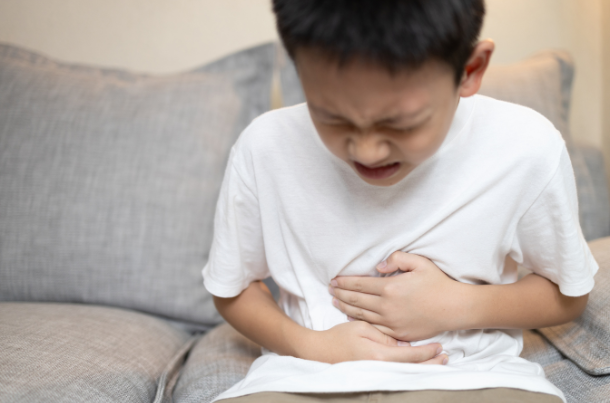
Common Causes of Stomach Pain in Kids
Children may describe pain differently depending on their age. Some may point to their belly button, while others may simply say their tummy hurts.
Let’s look at some of the most common reasons behind stomach pain in children.
1. Constipation
Constipation is one of the most common causes of child stomach ache.
When stool becomes hard or difficult to pass, it can cause pressure and discomfort in the belly.
Signs of constipation may include:
- Fewer bowel movements than usual
- Hard or dry stools
- Straining while using the bathroom
- Bloated tummy
- Lower belly pain
- Loss of appetite
Constipation causing stomach pain in kids is often related to not drinking enough fluids, not eating enough fiber, or holding in bowel movements.
Encouraging water, fruits, vegetables, and regular bathroom habits can help support healthy digestion.
2. Gas and Indigestion
Sometimes a child’s tummy hurts simply because their digestive system is uncomfortable.
Gas pain in children can happen after eating certain foods, eating too quickly, or swallowing extra air.
Symptoms may include:
- Cramping
- Feeling bloated
- Burping
- Passing gas
- Mild stomach discomfort
Indigestion may also happen after eating large meals or foods that do not agree with your child’s stomach.
A gentle tummy massage, rest, and allowing your child to pass gas can often provide relief.
3. Stomach Bug or Infection
A stomach bug in kids is another common reason children experience stomach pain.
Viral stomach infections may cause:
- Belly cramps
- Vomiting
- Diarrhea
- Fever
- Tiredness
- Loss of appetite
The biggest concern during a stomach infection is dehydration. Offer small amounts of fluids regularly and watch for signs that your child is not getting enough hydration.
If vomiting or diarrhea continues, contact your child’s healthcare provider for guidance.
4. Stress and Anxiety
Many parents are surprised to learn that emotions can affect a child’s stomach.
Children may experience real physical pain when they feel worried, nervous, or overwhelmed.
Stress-related stomach pain may happen because of:
- Starting school
- Tests or performances
- Changes at home
- Friendship problems
- Fear or anxiety
Some children may not know how to explain their emotions, so their body expresses it through tummy pain.
Comforting your child, listening to their worries, and creating a safe space to talk can make a big difference.
5. Food Sensitivities and Eating Habits
Certain foods may trigger stomach discomfort in some children. Eating too quickly, overeating, or having too many sugary and processed foods can sometimes make tummy discomfort worse.
If you are also trying to build healthier eating habits at home, these healthy toddler meal ideas can give you simple inspiration for balanced everyday meals.
If your child frequently experiences pain after eating certain foods, keeping a simple food diary can help identify patterns.
6. Irritable Bowel Syndrome and Functional Abdominal Pain
Some children experience ongoing stomach discomfort without a clear physical cause.
This is sometimes called functional abdominal pain.
Children with recurring tummy pain may also experience:
- Bloating
- Changes in bowel habits
- Gas
- Discomfort that comes and goes
Stress, emotions, and the connection between the brain and gut can play a role.
Persistent or recurring pain should always be discussed with your child’s doctor.
7. Appendicitis
While many causes of stomach pain are mild, appendicitis is a condition parents should recognize.
One common sign is sudden, worsening pain that may move to the lower right side of the abdomen.
Possible appendicitis symptoms in children include:
- Severe stomach pain
- Pain moving to the lower right abdomen
- Fever
- Nausea
- Vomiting
- Loss of appetite
If your child has sudden severe pain or these symptoms, seek medical advice promptly.
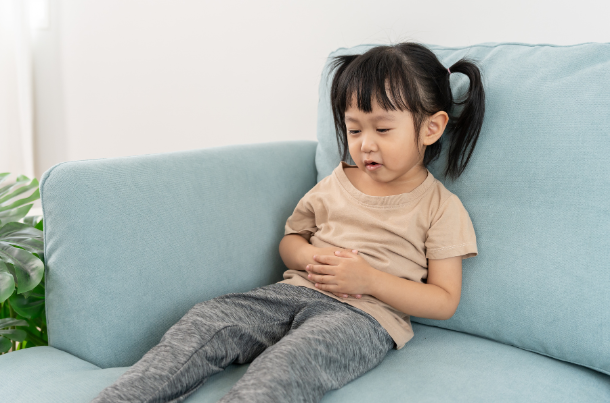
Stomach Pain in Kids by Age
Babies
Babies may not be able to explain tummy discomfort, so parents may notice signs like crying, pulling their legs toward their tummy, changes in feeding, or difficulty settling. Gas, constipation, feeding issues, and infections can sometimes cause discomfort.
Toddlers
Toddlers may experience stomach pain from constipation, new foods, mild infections, or emotions. Because they are still learning to describe feelings, they may simply say that their tummy hurts.
Older Children
Older children can usually explain where and how they feel pain. Stomach discomfort may be related to digestion, stress, food sensitivities, infections, or other health concerns.
Stomach Pain Around the Belly Button
Stomach pain around the belly button in a child is very common.
It may be related to:
- Gas
- Constipation
- Mild digestive upset
- Stress
Many children point to this area because it is where they feel general discomfort.
If the pain is mild, encourage rest, offer fluids, and see if your child needs to use the bathroom.
Lower Right Abdominal Pain
Pain in the lower right side of the belly can sometimes be a warning sign.
Although not every case is serious, parents should pay attention if the pain is:
- Sudden
- Severe
- Getting worse
- Combined with fever or vomiting
This type of pain may require medical evaluation.
Upper Abdominal Pain
Upper abdominal pain in children may happen because of:
- Indigestion
- Gas
- Reflux
- Eating too much
Children may also complain of:
- Burping
- Feeling full
- Burning discomfort
- Nausea
Symptoms That May Come With Stomach Pain
Stomach pain in kids can sometimes occur along with other symptoms that may provide clues about the underlying cause.
Along with tummy pain, children may experience:
- Diarrhea
- Vomiting
- Gas
- Bloating
- Fever
- Constipation
- Poor appetite
- Tiredness
The combination of symptoms often helps doctors understand the possible cause.
Mild Stomach Ache vs Warning Signs
| Mild Stomach Pain | Signs That Need Medical Advice |
|---|---|
| Improves with rest | Severe or worsening pain |
| Child drinks normally | Signs of dehydration |
| Child remains active | Child seems unusually weak or unwell |
| Short-lasting discomfort | Pain that keeps returning |
| Mild gas or constipation symptoms | Fever, vomiting, blood in stool |
Home Remedies for Stomach Pain in Children
For mild stomach discomfort, parents can try simple comfort measures.
These comfort measures are for mild stomach discomfort only. If your child has severe pain, ongoing symptoms, or warning signs, seek medical advice instead of relying only on home care.
Offer Plenty of Fluids
Keeping your child hydrated is important, especially if they have vomiting, diarrhea, or constipation.
Offer water and age-appropriate fluids regularly.
Encourage Rest
Sometimes children simply need time to recover.
A quiet activity, a favorite book, or cuddling together can help them feel more comfortable.
Use a Warm Compress
A warm heating pad or warm towel placed on the tummy may help relax muscles and ease cramps.
Make sure it is comfortably warm, not hot.
Try Gentle Belly Massage
A soft circular massage may help with gas discomfort and help your child relax.
Offer Simple Foods
If your child feels hungry, choose easy-to-digest foods such as:
- Soup
- Toast
- Bananas
- Rice
- Crackers
Avoid forcing food if your child does not feel like eating.
Treatment for Stomach Pain in Kids
Treatment for stomach pain in kids depends on the underlying cause, your child’s symptoms, and how severe or persistent the discomfort is.
Treatment depends on what is causing the pain.
For example:
- Constipation may require dietary changes or doctor-recommended treatment.
- Infections may need hydration and monitoring.
- Food sensitivities may require avoiding certain triggers.
- Medical conditions require proper evaluation and treatment.
Avoid giving medications without knowing the cause of your child’s pain, especially in younger children.
When to Worry About Stomach Pain in Kids
Most stomach aches are temporary, but some symptoms deserve attention.
Contact your child’s doctor if your child has:
- Frequent stomach pain with no clear reason
- Pain that keeps returning
- Blood in stool
- Ongoing diarrhea
- Fever with stomach pain
- Weight loss
- Pain during urination
- Pain that wakes them from sleep
- Child appears very unwell
When to Take Your Child to the Doctor for Stomach Pain
Seek urgent medical advice if your child has:
- Severe or sudden stomach pain
- Green-colored vomit
- Blood in vomit
- Signs of dehydration
- Trouble breathing
- Extreme weakness or difficulty waking up
- Severe pain after an injury
As a parent, trust your instincts. If your child seems different from their usual self, it is always okay to ask for help.
For babies and very young children, seek medical advice if stomach pain is accompanied by poor feeding, persistent crying, unusual sleepiness, vomiting, or signs of dehydration
Frequently Asked Questions (FAQs)
What is the most common cause of stomach pain in kids?
How can I help my child’s stomach ache at home?
Can anxiety cause stomach pain in children?
Comforting your child, listening to their worries, and creating a safe space to talk can make a big difference.
Is stomach pain around the belly button serious?
How long does stomach pain usually last in kids?
When should I worry about my child’s tummy pain?
Why does my child complain of stomach pain every day?
Can stress cause stomach pain in kids?
Final Thoughts
A child’s stomach pain can be stressful for parents, especially when your little one cannot fully explain what they are feeling.
The good news is that many cases of stomach pain in kids are caused by common issues like constipation, gas, mild infections, or emotions. With patience, comfort, and careful observation, many children feel better with simple support.
However, parents should never ignore pain that is severe, persistent, or accompanied by concerning symptoms. When in doubt, it is always best to speak with your child’s healthcare provider.
For more practical parenting tips, child wellness guidance, and helpful everyday advice, visit Tales of Tots and explore more resources created to support you through every stage of your child’s early years.
Helpful Resources for Parents
- Harvard Health Publishing – 10 Signs That a Child’s Stomachache Could Be Something Serious
- HealthyChildren.org – Abdominal Pain in Children: 7 Possible Causes
- Alder Hey Children’s Hospital – Abdominal Pain (Tummy Ache)
Disclaimer
This article is for general educational and informational purposes only and is not a substitute for professional medical advice, diagnosis, or treatment. If your child has severe or persistent stomach pain, repeated vomiting, blood in the stool or vomit, signs of dehydration, unusual sleepiness, breathing difficulty, or other concerning symptoms, contact a pediatrician or other qualified healthcare professional promptly.
About the Author
Geeta Yogi writes practical, parent-friendly content about children’s health, nutrition, development, and everyday family wellbeing. She focuses on helping parents understand common childhood concerns such as stomach aches, digestive discomfort, feeding issues, and warning signs that may need professional medical attention.