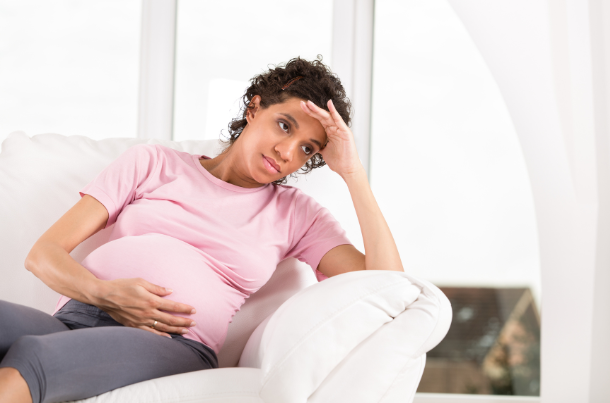
Bringing your baby into the world is beautiful, emotional, exhausting, and sometimes surprisingly uncomfortable in ways nobody fully prepares you for. One of those unexpected struggles for many moms is post pregnancy swelling feet. You may look down a few days after delivery and wonder why your feet, ankles, or legs still look puffy, or even more swollen than during pregnancy.
If this is happening to you, please know you are not alone.
Many women experience swollen feet after pregnancy, especially during the first week postpartum. Your body has been through a major physical event after pregnancy, and recovery takes time.
While the swelling can feel frustrating or uncomfortable, it is often part of the normal healing process after childbirth.
The good news is that postpartum swelling usually improves gradually with rest, hydration, gentle movement, and patience. And most importantly, you deserve kindness toward yourself while your body recovers.
Why Does Post Pregnancy Swelling Feet Happen?
Postpartum edema is the medical term often used to describe swelling caused by extra fluid retention after childbirth.
After delivery, your body begins releasing the extra fluids it held onto during pregnancy. During those nine months, your body naturally stored more water and increased blood volume to support your baby’s growth.
After childbirth, that fluid does not disappear overnight.
Instead, your body slowly removes it through:
- Sweating
- Increased urination
- Natural healing processes
This temporary fluid buildup is called post pregnancy water retention, and it often shows up most noticeably in the feet, ankles, legs, and sometimes hands.
For many moms, the swelling actually becomes more noticeable during the first few days after delivery before it starts improving.
This can feel surprising or even worrying at first, but in many cases, it is a completely normal part of postpartum recovery.
Common Causes of Swollen Feet After Pregnancy
There are several reasons postpartum foot swelling happens. Sometimes it is simply your body adjusting after birth, while other times it may be connected to labor, hormones, or recovery.
1. Extra Pregnancy Fluids
During pregnancy, your body stores additional fluid to support circulation and your growing baby.
After delivery, your body begins slowly flushing those fluids out. Until that happens, you may notice:
- Puffy feet
- Tight ankles
- Swelling in the lower legs
- Shoes suddenly feeling too small
This is one of the most common causes of feet swelling after delivery.
2. IV Fluids During Labor
If you received IV fluids during labor, induction, or a C-section, you may experience more noticeable swelling afterward.
Those fluids often settle in the lower body because gravity pulls them downward. Many moms notice:
- Extremely puffy feet
- Swollen calves
- Shiny or stretched skin around the ankles
This type of swelling usually improves gradually within several days.
3. Hormonal Changes
After birth, your hormones shift dramatically.
These hormonal changes affect circulation, fluid balance, and healing. Your body is working hard to recover physically while also adjusting emotionally and hormonally.
This is why postpartum swelling in legs and feet is so common during early recovery.
4. Reduced Movement After Delivery
After childbirth, many moms spend long hours sitting, feeding the baby, resting, or recovering physically.
Less movement can slow circulation and allow fluid to collect in the lower legs and feet.
Even gentle walking around the house can sometimes help improve swelling gradually, just as safe exercise during pregnancy helps support healthy circulation.
What Postpartum Swelling Usually Feels Like
Many moms also notice swollen ankles after pregnancy, especially during the first postpartum week when the body is still releasing extra fluids.
Postpartum swelling can feel strange, especially when you thought your body would immediately feel lighter after delivery. Many moms notice that their feet, ankles, or legs still look puffy for several days after giving birth, and sometimes the swelling even seems worse before it gets better.
You may notice:
- Puffy feet or swollen ankles
- Skin feeling tight or stretched
- Socks leaving deep marks on your skin
- Mild heaviness or discomfort while walking
- Shoes suddenly feeling too tight
- Swelling that gets worse by the evening
Some moms also notice one foot looks slightly more swollen than the other, which can feel worrying at first. In most cases, mild swelling is simply part of the body’s healing process after childbirth.
How to Reduce Postpartum Swelling Naturally
When you are running on little sleep, healing from childbirth, and caring for a newborn around the clock, even something as simple as swollen feet can feel exhausting. The good news is that postpartum swelling is usually temporary, and there are gentle ways to help your body feel more comfortable while it recovers.
Small things really can make a difference during this stage. Drinking enough water, resting with your feet up, taking short walks around the house, and giving yourself permission to slow down can all help support circulation and reduce swelling naturally.
Most importantly, try to be patient with yourself. Your body has been through an enormous physical change, and healing takes time. You do not need to “bounce back” immediately. Right now, your body’s job is not perfection, it is recovery.

Easy Ways to Relieve Post Pregnancy Swelling Feet
Postpartum swelling can feel uncomfortable, but small daily habits can help your body recover more comfortably. Gentle movement, rest, hydration, and giving your body time to heal can all help reduce swelling naturally.
1. Elevate Your Feet Whenever Possible
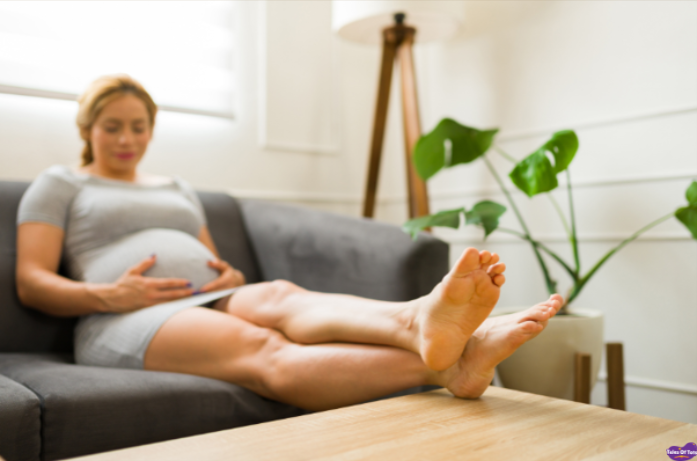
One of the simplest things that can help is putting your feet up whenever you get the chance. Raising your legs while resting helps improve circulation and may reduce some of the puffiness in your feet and ankles.
You can try:
Placing pillows under your legs
Resting your feet on a stool
Leaning back while feeding your baby
Even a few quiet minutes with your feet elevated can feel surprisingly comforting.
2. Drink More Water
It may sound strange, but drinking more water can actually help reduce swelling. When your body feels dehydrated, it tends to hold onto extra fluid.
Keeping a water bottle nearby during feeding sessions can make it easier to stay hydrated throughout the day.
3. Take Gentle Walks
You do not need intense workouts during postpartum recovery. Small movements are enough.
Slow walks around the house or short walks outside can help improve circulation and support your body’s natural healing process. Just move gently and listen to your body.
4. Avoid Standing Too Long
Standing for long periods can make postpartum foot swelling feel worse.
Try to sit down when possible, especially during feeding sessions or while doing small tasks around the house. Your body is still recovering, and it truly needs rest during these early weeks.
5. Wear Comfortable Footwear
Tight shoes can make swollen feet feel even more uncomfortable.
Soft slippers, loose sandals, or supportive shoes usually feel much better while your body heals. Some moms also find compression socks helpful after checking with their doctor.
6. Reduce Salty Foods
Too much salty food can sometimes increase water retention.
You do not need a perfect postpartum diet, but drinking water and eating balanced meals may help your body feel lighter and more comfortable during recovery.
7. Sleep and Rest When You Can
Rest matters more than many moms realize.
Your body heals while you sleep and recover. Even short naps, quiet moments, or resting with your feet up can help support circulation and postpartum healing.
How Long Does Postpartum Swelling Last?
For many moms, swelling improves significantly within the first week after delivery.
However:
- Mild swelling may last up to two weeks
- C-section recovery may take longer
- Severe swelling from IV fluids can take extra time
Every recovery looks different.
Some mornings you may wake up feeling better, while other days your feet feel swollen again by evening. That fluctuation is often normal during healing.
Be patient with your body.
It created and delivered an entire human being.
Emotional Side of Postpartum Recovery
One thing many moms quietly struggle with after childbirth is feeling disconnected from their bodies. You may expect to feel “back to normal” after delivery, but instead notice:
- Swollen feet and ankles
- A sore, tired body
- Constant exhaustion
- Emotional ups and downs
- Physical discomfort you did not expect
All of this can feel overwhelming at times. But postpartum recovery is not something your body heals from overnight. Your body has been through pregnancy, labor, and childbirth, and it deserves patience and compassion during this stage. The swelling is not a sign that your body failed you, it is often a reminder of how hard your body worked to bring your baby into the world.
Gentle Home Remedies Moms Often Find Helpful
While every body responds differently, some moms find comfort through:
- Cool foot baths
- Light leg massage
- Sleeping with feet elevated
- Loose cotton clothing
- Warm showers followed by elevation
- Compression stockings (if approved by a doctor)
Avoid harsh “detox” products or extreme remedies online. Your postpartum body needs nourishment and gentle care, not punishment.
When Postpartum Swelling Is Serious
In many cases, postpartum swelling is completely normal and improves gradually as your body heals. But sometimes swelling can be a sign that your body needs medical attention.
It is important to contact your doctor if you notice:
- Swelling that suddenly becomes much worse
- One leg looking far more swollen than the other
- Pain, redness, or warmth in the calf
- Shortness of breath or chest pain
- Severe headaches or blurry vision
- Symptoms of high blood pressure
These symptoms can sometimes be linked to more serious conditions like blood clots or postpartum preeclampsia.
Most of the time, swelling after childbirth is harmless, but trusting your instincts matters. If something feels unusual or worrying, it is always okay to reach out to your healthcare provider for reassurance and support.
A Gentle Reminder for New Moms
Sometimes the hardest part of postpartum recovery is feeling like you should already be “back to normal.”
But healing after childbirth is not something your body completes in a few days.
Your organs are shifting.
Your hormones are changing.
Your muscles are recovering.
Your sleep is disrupted.
Your emotions are adjusting to motherhood.
And through all of that, your body is still trying to care for you, too.
So if your feet feel swollen right now, try not to see them as something “wrong.”
See them as tired feet that carried you through pregnancy, labor, and now motherhood.
Tips to Make Recovery Easier Day by Day
Postpartum healing can feel overwhelming at times, especially when you are caring for a newborn while trying to recover yourself. Small things may not seem like much, but they can make daily recovery feel a little easier and more comforting.
Ask for Help
You do not have to do everything alone. Let family or loved ones help with meals, chores, or baby care whenever possible.
Keep Essentials Nearby
Having a small postpartum basket close to you can make long feeding sessions more comfortable. You can keep:
- Water
- Snacks
- Baby essentials
- Phone charger
- Extra pillows
Wear Loose, Comfortable Clothing
Right now, comfort matters far more than trying to “look normal” again.
Don’t Compare Your Recovery
Every mom heals differently. Your recovery timeline does not need to look like anyone else’s.
Focus on Small Improvements
Healing after childbirth happens slowly. Even small signs of progress are worth noticing and celebrating.
FAQs
1. Is swelling in feet normal after pregnancy?
Yes, swollen feet after pregnancy are very common and usually happen because the body is releasing extra fluids stored during pregnancy.
2. How long does postpartum swelling last?
For many moms, postpartum swelling improves within the first week, though mild swelling can sometimes last up to two weeks or longer after a C-section.
3. How can I reduce postpartum swelling naturally?
Drinking water, elevating your feet, taking gentle walks, resting, and avoiding standing too long may help reduce postpartum swelling naturally.
4. When should I worry about postpartum swelling?
You should contact your doctor if swelling becomes severe suddenly or happens alongside pain, redness, chest pain, headaches, blurry vision, or shortness of breath.
5. What causes swollen feet after delivery?
Swollen feet after delivery are commonly caused by pregnancy fluid retention, hormonal changes, IV fluids during labor, and reduced movement during recovery.
Final Thoughts
Experiencing post pregnancy swelling feet can feel uncomfortable, frustrating, and sometimes even emotional during those already overwhelming newborn days. But in many cases, postpartum swelling is simply part of your body’s healing process after doing something incredible.
Most swollen feet after pregnancy improve naturally with time, hydration, gentle movement, and rest. Be patient with yourself during this season of recovery.
Your body is not broken.
It is healing.
And while the swelling, exhaustion, and discomfort may feel heavy right now, they will not last forever.
One day soon, your feet will feel lighter again. Your body will slowly regain strength. And you will look back and realize just how much your body carried you through with quiet resilience.
Until then, rest when you can, ask for support when needed, and remember this:
You deserve the same care and gentleness that you give your baby every single day.
For more comforting motherhood tips, postpartum support, and gentle parenting resources, visit Tales of Tots and remind yourself that you do not have to navigate motherhood alone.
Trusted Postpartum Recovery Resources
Understanding Foot Changes During Pregnancy & Postpartum – Michigan Medicine