Why a Good Breast Pump is Essential
Choosing the right breast pump can make a world of difference for new mothers. A reliable device not only supports efficient milk expression but also helps reduce discomfort and stress. Instead of focusing only on appearance or brand, moms should consider how often they plan to pump, where they will use the pump, and what level of comfort and flexibility they need. A breast pump buying guide can help moms compare different options and make an informed decision that fits their lifestyle and feeding goals.
Understanding Different Types of Breast Pumps
Before choosing a pump, it is helpful to understand the main types available. Manual pumps are lightweight, quiet, and affordable, but they require hand operation and may not be ideal for frequent use. Traditional electric pumps usually offer stronger and more consistent suction, making them suitable for moms who pump regularly or need to build a milk supply. Wearable pumps are compact and hands-free, allowing moms to move around more freely, but they may have smaller milk containers or slightly less suction power compared with some full-size electric models.
There is no single “best” breast pump for everyone. The right choice depends on how often a mom pumps, whether she needs portability, and how much time she can spend on cleaning and setup each day.

Key Features to Consider in a Breast Pump
Suction strength is one of the most important factors to review. A good pump should offer adjustable suction levels and different expression modes, because stronger suction does not always mean better results. Comfort is equally important. The breast shield or flange should fit properly, as the wrong size can cause pain, rubbing, or reduced milk output.
Battery life is another practical point, especially for moms who pump at work, while traveling, or away from a power outlet. A longer-lasting battery can make pumping more convenient and reduce the need for frequent charging. Noise level also matters. A quieter pump may feel more discreet in shared spaces, offices, or during nighttime pumping sessions.
Cleaning and assembly should not be overlooked. Pumps with fewer parts are often easier to wash and sterilize, while a closed-system design can help prevent milk from entering the tubing or motor. Moms should also consider container capacity, leak protection, portability, and whether replacement parts are easy to find.
The Benefits of a Compact and Discreet Breast Pump
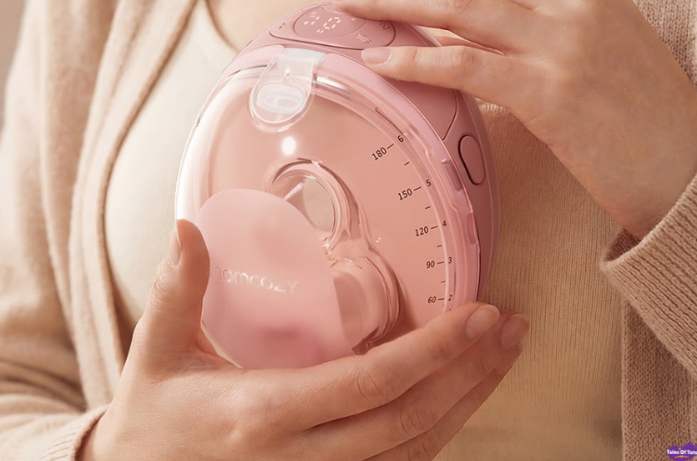
A portable, low-profile breast pump offers added convenience. Mothers can pump on the go, whether at work, traveling, or moving around the house. Its subtle design can help pumping fit more naturally into daily life, allowing moms to feel more comfortable and confident. For moms who value mobility, wearable options may be especially useful because they allow hands-free pumping under clothing. However, it is still important to compare suction settings, fit, battery life, cleaning steps, and noise level before deciding.
Some ultra-slim wearable models, such as the Momcozy Air1, are examples of how modern pumps are becoming more discreet and lifestyle-friendly. Still, the most important goal is to choose a pump that supports a mother’s personal routine, comfort, and milk expression needs.
Choosing a Pump That Fits Your Lifestyle
A breast pump should fit seamlessly into a mother’s lifestyle. Moms who pump several times a day may prefer a powerful electric pump with reliable suction and larger capacity. Moms who pump occasionally may find a manual or compact pump sufficient. Those who need to multitask may benefit from a wearable pump, while those who prioritize speed and strong suction may prefer a traditional electric model.
It can also be helpful to think about where pumping will happen most often. For home use, size and noise may be less important than performance and comfort. For work or travel, portability, battery life, leak resistance, and easy cleaning may matter more. If possible, moms can also speak with a lactation consultant or healthcare provider to better understand flange sizing, pumping frequency, and milk supply concerns.
Making the Right Choice for You
When choosing a breast pump, consider functionality, convenience, comfort, and long-term usability. Selecting the right device can transform daily routines, making life easier and more manageable for new mothers. A thoughtfully chosen pump should support both practical needs and emotional well-being, helping moms feel more confident during the breastfeeding journey.
Rather than choosing based only on trends or product claims, take time to compare the features that matter most to your routine. The best breast pump is the one that feels comfortable, works reliably, is easy to clean, and fits naturally into your everyday life.