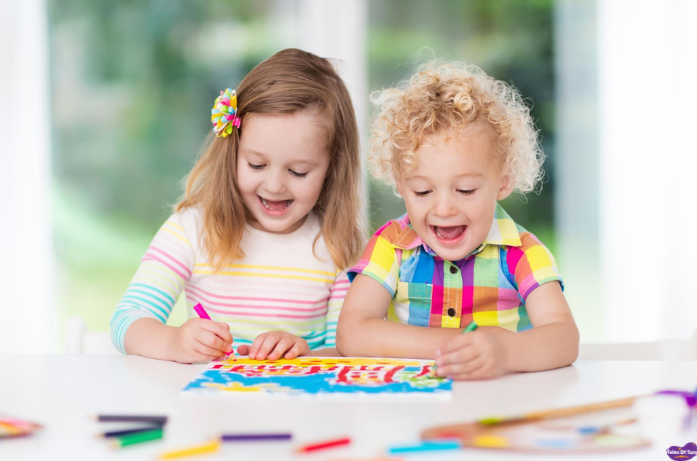
There’s something magical about watching a child turn a cardboard box into a rocket ship or create an entire world from crayons and imagination. As moms, we often wonder if we’re doing enough to help our children grow into confident, curious thinkers. The good news is that learning how to encourage kids creativity doesn’t require expensive toys, perfect schedules, or Pinterest-worthy crafts. Most of the time, creativity grows quietly in the little everyday moments at home.
At Little One Haven, we truly believe that every child is naturally creative. Some children show it through art, some through storytelling, movement, problem-solving, or even silly questions that seem endless. Our job as parents isn’t to “teach” creativity perfectly, it’s to protect it, nurture it, and give it room to bloom.
Learning how to encourage kids creativity starts with giving children space to explore, imagine, and express themselves freely.
Why Creativity Matters More Than We Realize
Creativity is not only about painting pictures or doing crafts. It also supports brain development by helping children think, solve problems, express emotions, and build confidence.
A creative child learns how to adapt when things don’t go as planned. They become more curious, more independent, and more willing to try new things without fear of failure. In today’s fast-moving world, creativity is one of the most valuable skills a child can develop.
Research on child development and creativity also suggests that imagination, exploration, and open-ended play help children strengthen problem-solving and flexible thinking skills over time.
What many parents don’t realize is that creativity also supports emotional health. When children imagine, build, draw, dance, or invent stories, they process feelings in healthy ways. It gives them freedom to express what they may not yet know how to say with words.
And honestly, some of the sweetest childhood memories are made in those creative little moments together.
How to Encourage Kids Creativity in Everyday Life
When learning how to encourage kids creativity, simple everyday moments often matter the most.
The best way to encourage creativity is to keep things simple, natural, and fun. Children don’t need perfectly planned activities all the time. They need space to explore, imagine, and try things in their own way.
Creativity often grows during everyday moments at home, while drawing at the table, building pillow forts, pretending to run a restaurant, or making up silly stories before bedtime. These little moments help children feel confident using their imagination.
As parents, we sometimes feel pressure to keep our kids constantly busy. But children actually learn so much when they have free time to think and create on their own.
Let Boredom Happen Sometimes
Most moms have heard the words, “I’m bored,” at least a hundred times. And honestly, it’s tempting to immediately offer a screen or activity.
But boredom is often where creativity begins.
When children are not constantly entertained, their minds naturally start looking for ideas. That’s when simple things become exciting, couch cushions turn into castles, blankets become secret hideouts, and spoons become drumsticks.
Instead of solving boredom right away, try saying:
- “What could you create today?”
- “Can you make up a new game?”
- “Let’s see what your imagination comes up with.”
Sometimes the best creativity comes from the simplest moments.Top of FormBottom of Form
Create a Simple Creativity Corner at Home
You don’t need a big playroom or expensive toys to encourage creativity at home. Sometimes, the simplest little setup can inspire the biggest ideas.
A small corner with easy-to-reach art supplies can become a special creative space for your child. Keep things simple with crayons, paper, stickers, markers, tape, cardboard, and a few safe craft materials. When children can grab supplies on their own, they feel more confident creating without constantly asking for help.
The goal isn’t perfection, it’s freedom and fun.
One thing I’ve learned as a mom is that kids often love “junk” more than fancy toys. Everyday household items can become magical in their eyes. I like saving things like:
- Empty tissue boxes
- Egg cartons
- Wrapping paper rolls
- Old buttons
- Scrap fabric
- Delivery boxes
What we see as recycling, children see as endless possibilities. A cardboard box can become a spaceship, a castle, or even a tiny grocery store within minutes.
And honestly, some of the sweetest memories are made during these simple, messy little creative moments at home.
Creative Activities for Kids That Feel Fun, Not Forced
Sometimes, as parents, we think creativity needs to involve complicated crafts, expensive supplies, or perfectly planned activities. But honestly, children usually enjoy the simplest things the most.
The best creative activities are the ones that feel playful, relaxed, and pressure-free. Kids learn and imagine naturally when they’re having fun and not worrying about doing something perfectly.
Here are a few simple creative activities for kids that can easily become special everyday moments.
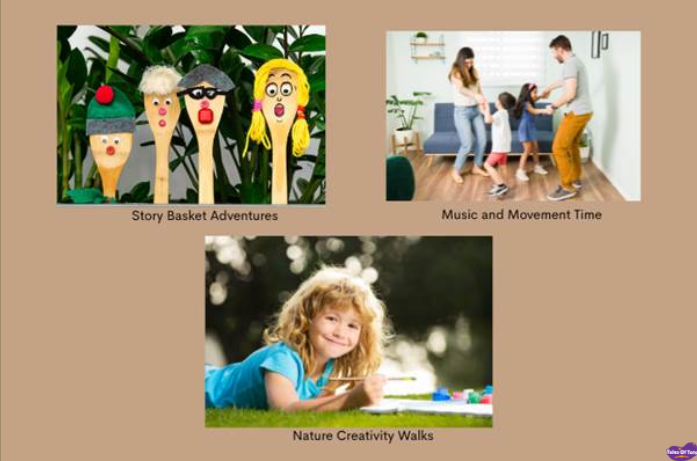
Story Basket Adventures
This is one of those easy activities that children never seem to get tired of.
Simply fill a basket with random household objects like:
- A toy animal
- A spoon
- A scarf
- A rock
- A tiny flashlight
Then ask your child to make up a story using all the items together.
You’ll be amazed at the imaginative little adventures they create. One minute the spoon becomes a magic wand, and the next the rock is treasure hidden in a jungle.
This simple activity encourages storytelling, problem-solving, and creative thinking in such a natural way. And honestly, some of the stories kids come up with are absolutely hilarious and unforgettable.
Music and Movement Time
Creativity isn’t only about drawing or crafting. Sometimes it looks like dancing wildly around the living room or making up silly songs while folding laundry.
Children express themselves in so many different ways through movement and music.
Try turning on music during cleanup time, rainy afternoons, or while making dinner and simply let your child move freely. No rules, no performances, no pressure to “do it right.”
Dancing, jumping, spinning, and singing help children feel confident expressing themselves openly. These little moments may seem simple, but they quietly support emotional confidence and imagination too.
And truthfully, watching your child dance with pure joy is one of the sweetest parts of parenting.
Nature Creativity Walks
Sometimes the best creativity booster is simply stepping outside.
Nature has a beautiful way of slowing children down and filling their minds with curiosity and wonder.
During walks, encourage your child to:
- Collect interesting leaves
- Look for shapes in the clouds
- Build tiny fairy houses with sticks
- Create nature art with rocks and flowers
- Invent stories about animals they see
Children naturally become more observant and imaginative when they spend time outdoors.
The best part is that these moments don’t require money, screens, or complicated planning. Just fresh air, open space, and a little imagination can inspire so much creativity.
Ways to Boost Child Creativity Without Pressure
As parents, we usually want to help our children learn and improve. But sometimes, without even realizing it, we can accidentally make creativity feel stressful instead of fun.
We correct too quickly.
We focus too much on neatness.
We praise the final result more than the effort behind it.
But creativity grows best when children feel safe to explore their ideas freely without fear of being “wrong.” When kids feel accepted and encouraged, they become more confident sharing their imagination with the world.
Here are some gentle ways to boost child creativity while protecting their confidence at the same time.
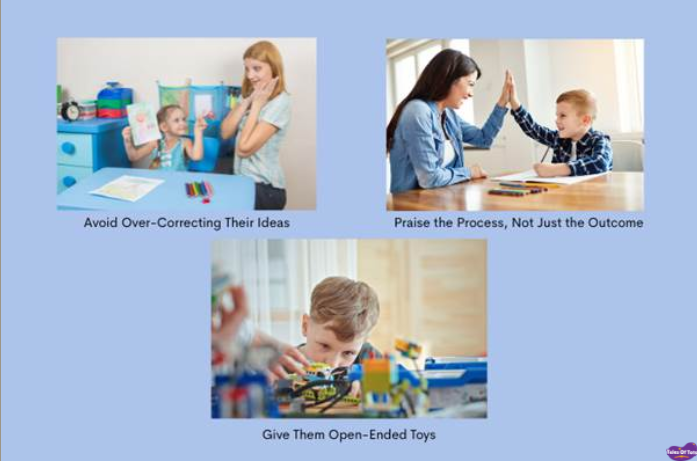
Avoid Over-Correcting Their Ideas
If your child paints a purple dog with giant wings, it can be tempting to say something like, “Dogs aren’t purple.”
But creative thinking often begins when children imagine things differently from reality.
Instead of correcting them right away, try showing curiosity instead. You could ask:
- “What does your magical dog like to do?”
- “Where does it fly?”
- “What’s its name?”
These little responses tell children that their ideas matter and are worth exploring.
Sometimes our reactions as parents shape creativity more than the activity itself. When children feel safe sharing unusual ideas, they become more confident thinkers over time.
Praise the Process, Not Just the Outcome
Most of us naturally say things like, “That’s so pretty!” when our child shows us a drawing or project.
And of course, there’s nothing wrong with that. But it also helps to notice the effort, imagination, and thinking behind what they created.
You could say things like:
- “You worked really hard on that.”
- “I love how creative your idea was.”
- “Those colors you picked are so fun.”
- “You came up with something really unique.”
This teaches children that creativity is not about being perfect or making something flawless. It’s about expressing themselves, trying new ideas, and enjoying the process.
Honestly, this small change in the way we praise kids can build so much confidence.
Give Them Open-Ended Toys
Not every toy encourages creativity in the same way.
Some toys are designed to entertain children passively, while others invite them to think, build, invent, and imagine freely.
Often, the simplest toys create the most creativity. Things like:
- Building blocks
- Dolls
- Puppets
- Play silks
- Magnetic tiles
- Clay
- Art supplies
These kinds of toys allow children to create their own stories and ideas instead of following fixed instructions.
Open-ended play helps kids experiment, problem-solve, and use their imagination naturally. And the beautiful thing is that children usually come up with ideas adults would never even think of.
How to Develop Creativity in Children Through Daily Routines
Creativity doesn’t only happen during art projects or planned activities. Some of the most meaningful creative moments happen during simple everyday routines at home.
Children learn best when they feel involved in real life. Small daily activities give them chances to think independently, solve problems, and use their imagination naturally.
If you’re wondering how to develop creativity in children, start by including them in ordinary moments instead of always separating “learning” from daily life.
Let Kids Help in the Kitchen
The kitchen is actually one of the best places for creativity to grow.
Cooking allows children to explore colors, textures, smells, shapes, and ideas in a hands-on way. Even simple tasks can make them feel capable and involved.
Kids can help by:
- Mixing ingredients
- Decorating cupcakes
- Creating colorful fruit plates
- Inventing funny sandwich names
- Choosing toppings or flavors
These little activities encourage experimentation, decision-making, and creative thinking without children even realizing they’re learning.
And honestly, most kids absolutely love feeling included in what the grown-ups are doing.
Of course, cooking with children can be messy sometimes. Flour ends up everywhere, sprinkles cover the floor, and things may not look perfect. But those messy little moments are often the ones children remember most.
Encourage Pretend Play Every Day
Pretend play may look simple from the outside, but it’s actually one of the most powerful ways children build creativity and confidence.
When kids pretend, they create stories, solve problems, practice communication, and explore emotions in their own little world. One moment they’re running a busy restaurant, and the next they’re rescuing animals or flying through space on an imaginary mission.
Simple pretend play ideas can include:
- Playing grocery store
- Setting up a doctor’s office
- Running a restaurant
- Going on a space adventure
- Creating an animal rescue center
The wonderful thing about pretend play is that children don’t need fancy toys or expensive setups. A blanket can become a castle, a cardboard box can become a spaceship, and a few stuffed animals can turn into an entire story.
Honestly, children often create the most magical games with the simplest things around them.
Ask More Open-Ended Questions
One of the easiest ways to encourage creative thinking is simply through conversation.
Children become more imaginative when we ask questions that make them think instead of questions with only one “correct” answer.
You can try asking things like:
- “What do you think would happen if?”
- “How could we solve this differently?”
- “What else could this become?”
- “Can you think of another ending?”
These kinds of questions encourage children to explore ideas, think deeply, and come up with their own creative answers.
And sometimes, the responses kids give are surprisingly thoughtful, funny, and imaginative. Those little everyday conversations quietly help build strong creative thinking skills over time.
Creative Thinking Activities for Kids to Try at Home
Sometimes children simply need a new idea or playful activity to spark their imagination again. The good news is that creativity doesn’t have to be complicated. Some of the best activities are the simplest ones you can do right at home with everyday items.
These creative thinking activities for kids are fun, easy, and designed to encourage imagination naturally without making children feel pressured.
The “What Can This Be?” Game
This simple little game is wonderful for encouraging flexible thinking.
Pick up a random object around the house, maybe a spoon, paper towel roll, or small box and ask your child:
“What else could this become?”
You’ll probably hear some wonderfully creative answers like:
- A microphone
- A magic wand
- A telescope
- A dragon tail
Children naturally love imagining ordinary objects in new ways. Activities like this help them think creatively and see possibilities everywhere around them.
And honestly, some of their answers can be surprisingly funny and clever.
Invent a New Animal
Kids absolutely love making up silly imaginary creatures.
Ask your child to combine two different animals together and create a brand-new one. For example:
- A tiger and a dolphin
- A rabbit and an elephant
Then encourage them to draw it, give it a funny name, decide what it eats, and describe its personality.
This activity encourages storytelling, imagination, and creative problem-solving all at once. Plus, children usually get so excited explaining their made-up animals and the funny adventures they go on.
Build Something From Recyclables
Before throwing away boxes and containers, try saving a few for creative play.
Give your child simple materials like:
- Cardboard
- Tape
- Paper rolls
- Containers
- Safe recycled items
Then challenge them to build something fun like:
- A robot
- A castle
- A pet house
- A spaceship
These kinds of fun creativity exercises for kids encourage independent thinking and help children learn through experimenting and building.
And the best part is that there’s no “right” way to create. Kids are free to invent, test ideas, and use their imagination however they want, which is exactly how creativity grows best.
Encouraging Imagination in Children in a Screen-Filled World
Parenting today can feel overwhelming sometimes. Screens are everywhere, televisions, tablets, phones, games, and many parents quietly worry that creativity and imagination are slowly getting pushed aside.
The truth is, screens are not automatically bad. Most families use them, and that’s completely okay. But children still need quiet, unplugged moments where their minds have space to wander, imagine, and create freely.
One simple way to find balance is by creating small “imagination windows” throughout the day. These are short periods of screen-free time where children can explore activities like:
- Drawing
- Building
- Reading
- Pretend play
- Exploring outdoors
It doesn’t have to be complicated or perfectly planned. Even 30 minutes of open-ended play each day can make a big difference in helping children develop creativity and independent thinking.
And honestly, one of the most important things to remember is this: you do not need to entertain your child every minute of the day.
Some of the most meaningful creativity happens when children learn how to create fun, stories, and adventures on their own. Those quiet little moments of imagination are often where childhood magic truly lives.
What If My Child Says “I’m Not Creative”?
Hearing a child say, “I’m not creative,” can honestly break a parent’s heart a little. Many children start believing this simply because they compare themselves to others. Maybe they think creativity only means drawing perfectly or being naturally talented at art or music.
But creativity is so much bigger than that.
Creativity is really about curiosity, imagination, and having the confidence to explore ideas in your own unique way. Every child expresses creativity differently, and that’s completely normal.
Educational and child development resources from UNICEF also recognize creativity, communication, and problem-solving as important life skills that support children throughout their development.
Some children show creativity through:
- Building things
- Problem-solving
- Telling funny stories
- Asking endless questions
- Dancing and movement
- Science experiments
- Creating games
- Making people laugh
Not every creative child will sit quietly painting pictures for hours, and that’s okay.
One child may love inventing imaginary worlds, while another enjoys figuring out how things work or building giant towers from blocks. Both are creative in their own beautiful way.
As moms, one of the most powerful things we can do is remind our children that their ideas matter. When children feel encouraged instead of judged, they slowly begin to trust their imagination and feel proud of the way they think. This supportive approach is also an important part of positive parenting techniques.
A Gentle Reminder for Parents
As parents, it’s so easy to feel pressure to do more. Social media can sometimes make it seem like raising a creative child requires elaborate crafts, expensive toys, beautifully organized playrooms, and perfectly planned activities every day.
But the truth is, you do not need to be a “Pinterest-perfect” parent to nurture creativity in your child.
Your child does not need constant entertainment.
They do not need expensive classes.
And they definitely do not need perfection.
What children truly need most is much simpler:
- Time
- Encouragement
- Freedom to explore
- Curiosity
- Emotional safety
The moments your child will remember most are often the ordinary ones, building blanket forts in the living room, laughing during pretend play, telling silly stories at bedtime, or proudly showing you a messy little drawing they worked so hard on.
When you listen to their ideas, display their artwork on the fridge, or simply allow them to create without fear of criticism, you’re giving them something incredibly valuable.
You’re quietly teaching them:
“Your imagination matters.”
And honestly, that kind of encouragement stays in a child’s heart for years to come.
FAQs About Encouraging Kids Creativity
1. How can I encourage my child’s creativity at home?
Simple activities like pretend play, drawing, storytelling, and free play help encourage creativity naturally.
2. Why is creativity important for children?
Creativity supports problem-solving, confidence, emotional expression, and independent thinking.
3. What activities help boost creativity in kids?
Open-ended play, art, music, storytelling, and outdoor exploration are all great for creativity.
4. Can boredom help creativity?
Yes, boredom often encourages children to use their imagination and create their own fun.
5. Do children need expensive toys to be creative?
No, simple household items and everyday experiences often inspire the most creativity.
Final Thoughts From One Parent to Another
If you’ve been wondering how to encourage kids creativity, remember that small moments of connection and imagination truly make a difference.
If you’ve been wondering whether you’re doing enough to nurture your child’s creativity, please hear this gently: you probably already are.
Every time you listen to their stories, encourage their ideas, allow messy play, or simply give them room to explore, you are helping their creativity grow.
Learning how to encourage kids creativity is not about doing everything perfectly. It’s about creating a home where imagination feels welcome, mistakes feel safe, and curiosity is celebrated.
Childhood passes quickly, but the confidence children gain from being encouraged creatively can stay with them forever.
So let the mess happen sometimes.
Let the stories get silly.
Let the cardboard boxes take over the living room once in a while.
Because behind those little moments, something beautiful is growing.
Looking for more simple parenting tips, creative play ideas, and heartwarming family inspiration? Visit Tales of Tots for more gentle, real-life ideas that help make childhood magical in the simplest ways.