
If you’ve ever rocked your baby for what feels like hours, only for them to resist sleep with surprising determination, you’re not alone. Many parents quietly wonder, why do babies fight sleep, especially when they seem so clearly tired. You’d think sleep would come naturally, but sometimes, it turns into a daily struggle.
I remember those evenings when my baby rubbed their eyes, yawned endlessly, and still refused to settle. It felt confusing, even a little overwhelming. But over time, I realized something important, baby fighting sleep isn’t misbehavior, it’s communication.
Let’s gently explore what’s really going on behind those restless moments, and how you can help your little one drift into peaceful sleep with more ease and confidence.
If you’ve been wondering why do babies fight sleep, understanding the reasons can make things feel much easier.
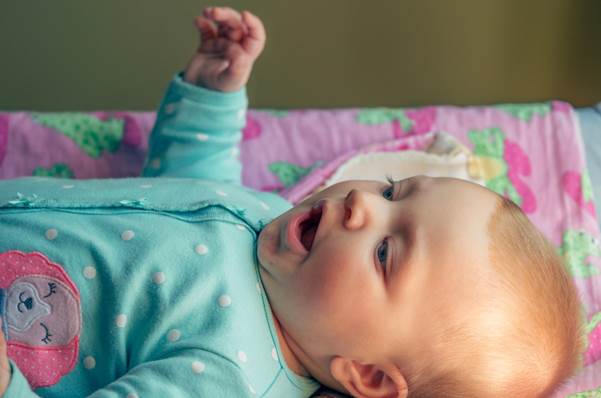
Why Do Babies Fight Sleep?
This is something almost every parent wonders at some point, why do babies fight sleep, even when they look so tired?
The truth is, your baby isn’t trying to resist or make things difficult. Their little body and growing brain are still learning how to slow down and relax. sleep doesn’t always come easily to them yet, it’s something they’re gently figuring out, day by day, they’re gently figuring out, day by day.
Sometimes, what feels like “fighting sleep” is actually your baby trying to tell you something in the only way they know how. It could be their way of saying:
- “I’m too tired and don’t know how to settle.”
- “There’s too much going on around me.”
- “I just need a little extra comfort right now.”
When you start looking at it this way, things feel a little softer. Instead of frustration, you begin to feel more understanding. And in those moments, even a small shift in how you respond, with patience, closeness, and calm, can make a big difference for both you and your baby.
There are several gentle reasons behind why do babies fight sleep, and each one tells you something about your baby’s needs.
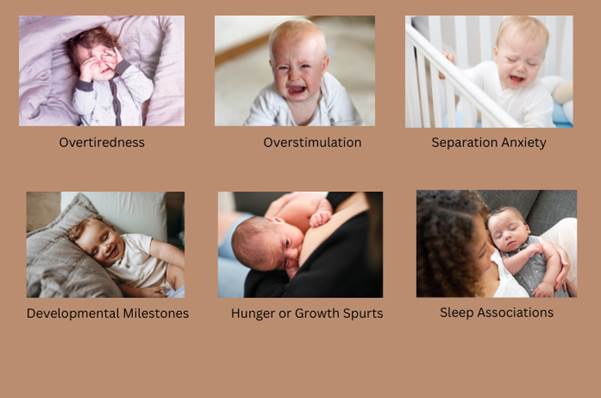
Common Reasons Behind Baby Fighting Sleep
1. Overtiredness
It might feel a little confusing at first, but one of the biggest reasons for baby fighting sleep is actually being too tired. Yes, sometimes when babies miss their ideal sleep window, it becomes even harder for them to fall asleep.
When a baby stay awake longer than their body can comfortably handle, their system goes into a kind of “alert mode.” Stress hormones like cortisol start to rise, making it difficult for them to relax, even though they really need the rest. Instead of drifting off peacefully, they may become more restless and upset.
You might notice little signs like:
Getting fussy or crying just before sleep
Rubbing their eyes but still not settling
Arching their back or pushing away when you try to comfort them
In those moments, it’s not that your baby doesn’t want to sleep, they’re simply too overwhelmed to do so easily.
A gentle tip from one mom to another:
Try to watch for those early sleepy cues, like quiet staring, slower movements, or a soft yawn, instead of waiting until your baby is completely exhausted. Catching that right moment can make sleep feel much smoother and calmer for both of you.
2. Overstimulation
Babies experience the world in such a deep and sensitive way. Every light, every sound, every face, and every little movement is something new for them to take in. While that’s beautiful, it can also become a bit overwhelming for their tiny minds.
When there’s just too much happening, especially later in the day, your baby may find it hard to “switch off.” Even if they’re tired, their mind is still busy processing everything they’ve seen and felt. This is when you might notice more baby fighting sleep than usual, especially after a busy or exciting day.
Instead of settling down, they may seem restless, fussy, or unable to relax in your arms.
A simple, gentle solution:
Try slowing things down before bedtime. Dim the lights, speak in a softer voice, and move a little more calmly. Even small changes like these can help your baby feel safe, relaxed, and ready to drift into sleep.
3. Separation Anxiety
As your baby grows, they slowly begin to understand something new, you and they are not the same person. And while this is an important developmental step, it can make bedtime a little more emotional for them.
Suddenly, being put down to sleep can feel like being away from the one place they feel safest, you. So if you find yourself wondering, “why does my baby fight sleep every night when I put them down?”, this could be what’s behind it.
In these moments, your baby isn’t being difficult, they’re simply looking for closeness, for reassurance that you’re still there.
What gently helps:
- Giving a few extra cuddles before bedtime
- Following a simple, consistent sleep routine
- Comforting them softly if they wake during the night
Sometimes, all your baby needs is to feel your presence just a little longer. Because to them, you are not just comfort, you are their whole world, their sense of safety, and their calm.
4. Developmental Milestones
Just when you start feeling like you’ve finally understood your baby’s sleep routine… things change again. One day they’re settling well, and the next, they’re wide awake, rolling over, trying to crawl, or babbling with excitement.
During these phases, your baby’s little brain is working overtime, learning and practicing new skills. It’s a beautiful part of their growth, but it can also lead to more baby fighting sleep than usual. Even when they’re tired, their mind is simply too active to slow down easily.
You might notice them wanting to practice their new skill even at bedtime, or waking up more often just to try it again.
A gentle reassurance for you:
This is completely normal—and it won’t last forever. These phases can feel long when you’re in them, especially during those sleepless nights, but they do pass. With a little patience and extra comfort, your baby will soon settle back into a more peaceful sleep rhythm.
5. Hunger or Growth Spurts
Sometimes, the reason behind your baby’s restlessness is much simpler than it seems, they might just be hungry. During growth spurts, babies need extra nourishment, and their little bodies ask for it more often, even during times they would usually be sleeping.
You might notice your baby waking up more frequently, wanting to feed again and again, or seeming unsettled even after you’ve tried to soothe them. In these moments, it’s not really baby fighting sleep, it’s their way of telling you they need a little more to feel full and comfortable.
If your baby is feeding more often than usual and finding it hard to settle, it could simply be a sign that they’re growing.
A gentle reminder:
Growth spurts can feel tiring for you, especially with those extra night wakings, but they’re a beautiful sign that your baby is developing just as they should. With time, their feeding and sleep patterns will settle again.
6. Sleep Associations
Babies are quick learners, especially when it comes to routines and comfort. If your little one is used to falling asleep while feeding, being rocked, or snuggled in your arms, they naturally begin to connect those moments with sleep.
So when those same conditions aren’t there, they may find it harder to settle on their own. It can feel like baby fighting sleep, but in reality, your baby is just looking for the familiar comfort they’re used to.
And truly, this doesn’t mean you’ve done anything wrong. In fact, those habits come from love, closeness, and care. Your baby has simply learned what feels safe and soothing to them.
With time and gentle changes, they’ll slowly learn other ways to fall asleep too. There’s no need to rush, every baby finds their own rhythm in their own time.
Are Babies Who Fight Sleep Smart?
You might have heard people say, “babies who fight sleep are smart.” And while there isn’t any strict scientific proof behind it, there is a soft, comforting truth hidden in that thought.
Some babies who resist sleep tend to be deeply curious about the world around them. They notice little things, react quickly to new sounds or faces, and seem eager to stay awake just a bit longer to take it all in. For them, everything feels exciting, and sleep can feel like they’re missing out.
You may notice that these babies:
- Are very curious about their surroundings
- Get easily stimulated by new experiences
- Stay alert and aware of what’s happening around them
It’s almost as if they’re thinking, “There’s so much to see… I don’t want to miss it.” Even when their tiny bodies are tired, their minds are still wide awake.
So instead of looking at it as a struggle, you can gently shift your perspective. Your baby isn’t being difficult, they’re simply engaged, observant, and full of wonder. And that, in its own quiet way, is something really special.
Easy, Gentle Solutions to Help Your Baby Sleep Better
Now that we’ve softly understood the reasons behind why do babies fight sleep, let’s talk about what you can actually do to make bedtime feel a little easier, for your baby and for you too.
Create a Simple Bedtime Routine
Babies feel safe in familiar patterns. When the same gentle steps happen every night, it helps them understand that sleep time is near. It’s like giving them a quiet signal that says, “It’s okay to relax now.”
And the best part? Your routine doesn’t have to be perfect or complicated. Even the simplest moments can become meaningful when they’re repeated with love.
It could look something like this:
- A warm, soothing bath
- A gentle little massage
- A soft lullaby or humming your voice
- A calm feeding time
- A quiet cuddle before laying them down
These small, peaceful steps create a sense of comfort and security. Over time, your baby begins to recognize this rhythm, and slowly, their body and mind start to settle more easily into sleep.
There’s something really special about these moments too. They’re not just helping your baby sleep they’re becoming little memories of closeness that both of you will carry forward.
Watch Wake Windows
One of the most helpful things I learned as a mom was understanding something called wake windows, which simply means how long your baby can comfortably stay awake before they start needing sleep again.
It might seem like keeping your baby awake longer will make them sleep better… but often, it does the opposite. When babies stay awake past their natural limit, it can lead to more baby fighting sleep, making bedtime harder than it needs to be.
One of the most helpful things I learned as a mom was understanding your baby’s newborn sleep schedule, which simply means how long your baby can comfortably stay awake before they start needing sleep again.
Every baby is a little different, but here’s a gentle guide to start with:
- Newborns: about 45–90 minutes
- 3–6 months: around 1.5–2.5 hours
- 6+ months: about 2–3 hours
These aren’t strict rules, just soft guidelines to help you notice your baby’s rhythm. Over time, you’ll begin to see your own baby’s patterns those little sleepy cues that tell you, “It’s time for rest now.”
And once you start catching that right moment, you may notice something beautiful, bedtime becomes a little calmer, a little smoother, and a lot more peaceful for both of you.
Create a Sleep-Friendly Environment
Your baby’s surroundings can make a surprisingly big difference in how easily they fall asleep. Just like us, babies also feel more relaxed when their environment is calm, cozy, and comforting.
After a long day of taking in so much of the world, your baby needs a space that gently helps them slow down. A peaceful setting can make it easier for their little body to relax and let go of the day.
You can try simple things like:
- Dimming the lights to create a soft, soothing atmosphere
- Keeping noise low or using gentle, consistent sounds
- Choosing soft, comfortable bedding for a cozy feel
- Making sure the room temperature is just right, not too warm or too cool
These small changes may seem simple, but together they create a quiet signal for your baby. Almost like the room itself is softly saying, “It’s time to rest now.”
And over time, this comforting space becomes familiar… a place where your baby feels safe enough to close their eyes and drift off peacefully.
Offer Comfort Without Stress
When your baby is fighting sleep, it’s completely okay to comfort them. In fact, sometimes that’s exactly what they need in that moment, your warmth, your voice, your presence.
Holding them close, gently rocking, or softly talking can help your baby feel safe enough to let go and relax. These small, loving actions aren’t spoiling your baby, they’re building trust and security.
It’s easy to feel pressure to make your baby “learn” to sleep independently right away, but the truth is, there’s no need to rush. Sleep habits don’t form overnight, they grow slowly, just like everything else in your baby’s life.
So if your baby needs a little extra closeness right now, it’s okay to give it. Over time, with patience and gentle guidance, they will find their own way to sleep more independently.
For now, your comfort is their calm and that’s more than enough.
Avoid Overstimulation Before Bed
The time just before sleep can make a big difference in how easily your baby settles. If the last part of their day is too busy or exciting, their little mind may find it hard to slow down, even if they’re tired.
Try to keep the final 30–60 minutes calm and gentle. This quiet time helps your baby shift from play mode to rest mode.
It’s best to avoid:
- Loud or fast-moving toys
- Bright screens or harsh lights
- Too many new or stimulating activities
Instead, focus on simple, loving moments, soft play, gentle eye contact, and warm cuddles. These small connections help your baby feel relaxed, safe, and ready to drift into sleep.
Be Patient with Changes
One thing I’ve learned as a mom is that baby sleep is never completely fixed, it keeps changing as they grow. Just when you feel like you’ve figured it out, something shifts again.
So if you find yourself wondering, “why does my baby fight sleep again?”, take a deep breath and remind yourself, this is a normal part of their development.
Growth spurts, new skills, and changing needs all affect sleep. It doesn’t mean you’re doing anything wrong. It just means your baby is growing.
With a little patience and flexibility, things settle again.
When to Be Concerned
Most of the time, baby fighting sleep is completely normal and nothing to worry about. But as a parent, it’s always okay to stay aware of your baby’s needs.
You might consider checking with your pediatrician if your baby:
- Cries for long periods without settling
- Has difficulty feeding regularly
- Shows signs of discomfort, pain, or unusual behavior
There’s no harm in asking for reassurance. Sometimes, just hearing that everything is okay can bring so much peace to your heart.
And always remember, your instincts matter. You know your baby better than anyone else. If something doesn’t feel right, it’s okay to trust that feeling and seek guidance.
A Gentle Reminder for Tired Parents
If you’re in the middle of sleepless nights right now, feeling tired, overwhelmed, and maybe even a little unsure of yourself, I just want you to pause for a moment and hear this gently:
You are not doing anything wrong.
Every baby is different. Some drift off to sleep easily, while others need a little more time, a little more comfort, and a little more of you. And that’s completely okay.
These nights, when your baby resists sleep, can feel long and never-ending. But they are just a phase, a small chapter in a much bigger, beautiful story.
One day, without even realizing it, things will change. And when you look back, you might remember:
- Those tiny hands wrapped around your finger
- The quiet, peaceful cuddles in the middle of the night
- The way your baby found comfort just by being close to you
And somehow, even the hardest nights will feel soft in your memory filled with love, connection, and moments that truly mattered.
FAQs About Why Babies Fight Sleep
1. Why do babies fight sleep even when tired?
Babies often become overtired or overstimulated, making it harder for them to settle even when they need sleep.
2. Is it normal for babies to resist sleep?
Yes, it’s completely normal. Babies are still learning how to fall asleep and regulate their rest.
3. How can I help my baby stop fighting sleep?
Creating a calm routine, watching wake windows, and reducing stimulation before bed can help.
4. Do growth spurts affect baby sleep?
Yes, growth spurts can make babies more restless and increase night wakings.
5. When should I worry about sleep issues?
If your baby struggles to sleep consistently, cries excessively, or shows signs of discomfort, consult a pediatrician.
Final Thoughts: You’re Doing Better Than You Think
Understanding why do babies fight sleep can truly bring a sense of calm to something that once felt confusing and overwhelming. Your baby isn’t trying to challenge you or make things harder, they’re simply learning, growing, and slowly adjusting to this big new world around them.
With a little patience, gentle routines, and lots of love, sleep will begin to feel easier. It may not happen overnight, but step by step, things will settle into a rhythm that works for both of you.
So on those nights when your baby feels restless and you’re running low on energy, just pause for a moment. Hold them a little closer. Take a deep breath.
Because in their world…
You are their safe place.
You are their comfort.
And you are exactly what they need.
Once you understand why do babies fight sleep, it becomes easier to respond with calm and confidence.
And if you’re looking for more simple, real, and heartwarming parenting support, you can always explore more at Tales of Tots, a space created to gently guide parents just like you through every little step of this beautiful journey.