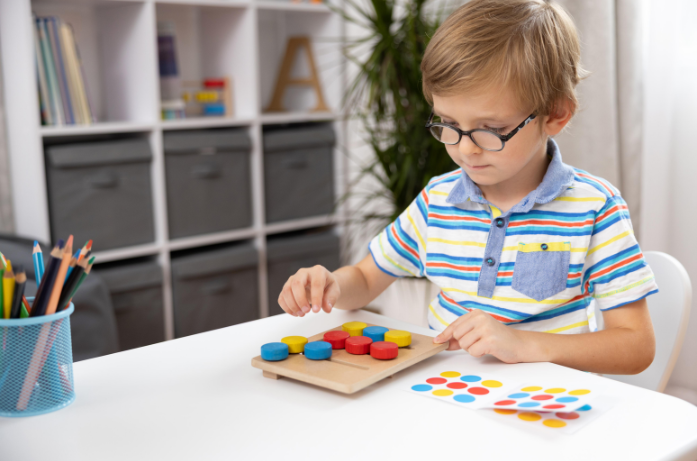
Living in an apartment with a toddler can feel like a constant balancing act between encouraging play and maintaining peace. Toddlers are naturally energetic and curious, but that doesn’t mean their play has to be loud. Quiet games can be just as engaging, and often more focused, while helping develop fine motor skills, creativity, and independent play habits.
Below are some of the best quiet toddler games that work well in small spaces without disturbing others.
Sensory Play Without the Noise
Sensory activities are perfect for quiet engagement because they encourage concentration and tactile exploration. Think soft, contained, and mess-controlled.
Options include:
- Rice or pasta bins with scoops and cups
- Kinetic sand on a tray
- Water beads in a sealed container
- Premade sensory bins designed for easy, no-prep play
These activities keep little hands busy while minimizing sound. To make cleanup even easier, place a mat or towel underneath the play area.
Sticker and Activity Books
Toddlers love stickers, and they’re one of the quietest activities available. Reusable sticker books are especially great because they reduce waste and allow for repeated play.
You can also introduce:
- Simple activity books with matching or tracing
- Color-by-shape pages
- Peel-and-stick scenes
These promote focus and creativity while keeping noise levels low.
Soft Building and Stacking Games
Traditional blocks can be loud, especially when they tumble to the floor. Instead, opt for softer alternatives.
Try:
- Foam blocks
- Fabric stacking toys
- Plush building sets
- Velcro-based construction toys
These allow toddlers to build, stack, and knock things down without the loud crashing sounds.
Quiet Pretend Play
Imaginative play doesn’t have to involve loud toy sounds or electronic noise. Creating a calm pretend-play environment can actually encourage deeper engagement.
Set up:
- A small play kitchen with felt food
- A doll care station with soft accessories
- A pretend grocery store with fabric items
Encourage whisper play or “quiet voices” to turn it into a fun challenge.
Puzzle Time for Focus and Calm
Puzzles are excellent for quiet play and cognitive development. For toddlers, choose simple wooden puzzles with large pieces and bright visuals.
Benefits include:
- Improved hand-eye coordination
- Problem-solving skills
- Independent play practice
Rotate puzzles regularly to keep the activity fresh and engaging.
Art Activities That Stay Quiet
Art doesn’t have to mean messy or noisy. Simple art activities like coloring, water painting, or drawing can be some of the most peaceful ways to keep toddlers engaged.
Quiet-friendly art ideas:
- Crayons and coloring books
- Water painting mats (no mess, reusable)
- Dot markers
- Magnetic drawing boards
These activities allow toddlers to express creativity without creating chaos or noise.
Sorting and Matching Games
Toddlers naturally enjoy organizing and categorizing objects. This type of play is not only quiet but also highly educational.
Examples include:
- Sorting colored pom-poms into cups
- Matching socks or small fabric pieces
- Shape sorting toys
- Simple memory matching cards
These activities promote concentration and can keep toddlers engaged for surprisingly long stretches.
Reading Time with Interactive Elements
Reading is a classic quiet activity, but you can make it even more engaging by adding interactive components.
Try:
- Lift-the-flap books
- Touch-and-feel books
- Point-and-name games
- Storytime with soft puppets
This creates a calm bonding experience while encouraging language development.
Tips for Maintaining a Quiet Play Environment
Even the best games can get loud if energy levels spike.
A few simple strategies can help maintain a peaceful atmosphere:
- Use rugs or foam mats to absorb sound
- Rotate toys to prevent overstimulation
- Set “quiet playtime” as part of your daily routine
- Avoid toys with loud electronic features
- Model calm behavior and soft voices
Creating a designated quiet play zone can also help toddlers understand expectations.
Also Read: Activities to Boost Brain Development in Kids (Fun & Simple)
Why Quiet Play Matters
Quiet games aren’t just about keeping neighbors happy, they’re essential for your toddler’s development. Calm, focused activities help children build attention span, develop problem-solving skills, and learn to play independently.
For apartment living, they also reduce stress for parents who may feel pressured to constantly manage noise levels. With a little creativity and thoughtful setup, quiet toddler games can turn your home into a peaceful, engaging space where your child thrives, and your neighbors stay happy.