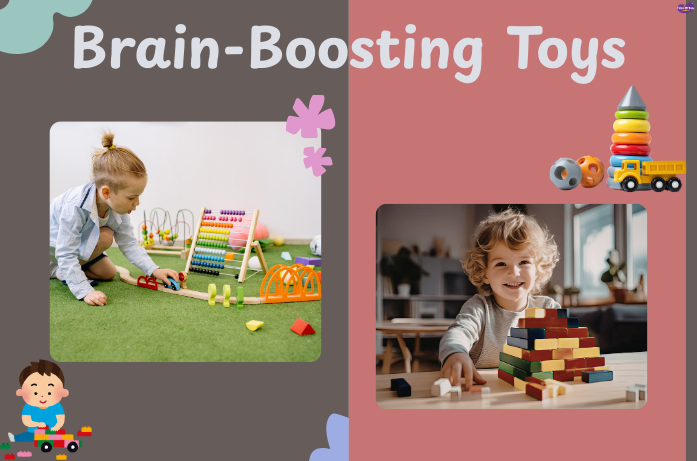
Children learn best when they are simply playing. What may look like ordinary fun is actually a time when their brains are growing and developing in meaningful ways. While playing, children strengthen their memory, learn how to solve small problems, explore their imagination, and slowly begin to understand their own emotions, all while feeling relaxed and happy.
The right brain-boosting toys for children can gently support this natural learning process. They don’t have to be expensive or flashy; what truly matters is that they encourage a child to think, create, and explore in their own way. Such toys help children stay curious, confident, and engaged without any pressure.
If you’re unsure which toys genuinely support cognitive development, this guide will help you make thoughtful and practical choices. The goal is not to buy more toys, but to choose meaningful ones that support your child’s growth in a simple, caring, and natural way.
Why Brain-Boosting Toys Matter
The early years of childhood are crucial for a child’s brain development. During this time, their minds grow rapidly, and they learn something new from almost everything around them. The Centers for Disease Control and Prevention (CDC) provides essential information about early childhood brain development.
Even simple play helps build countless connections in the brain, laying the foundation for how they think, understand, and learn in the future.
The right toys can make this natural learning process even more effective. They help children solve small problems, improve fine motor skills, and strengthen hand-eye coordination. At the same time, they support memory, focus, creativity, and imagination. Through play, children also pick up language skills naturally, learning to talk, listen, and explore new words without even realizing it.
When play has a gentle purpose behind it, learning doesn’t feel like work. Children absorb new skills joyfully, and this playful learning becomes a strong foundation for their overall development.
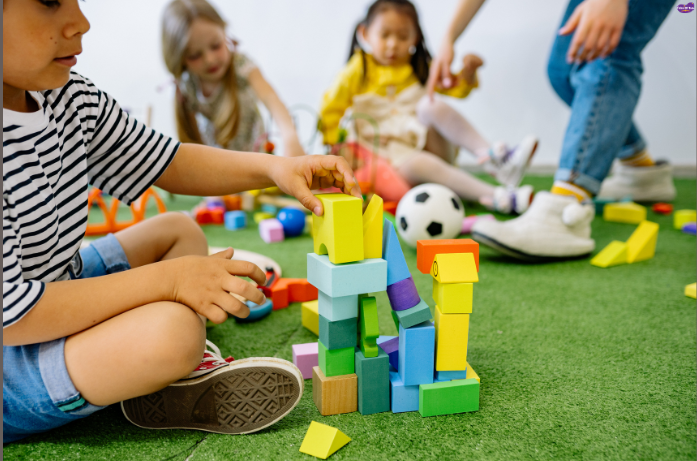
1. Building Blocks
Building blocks are one of the most powerful developmental toys.
Why They’re Important:
- Improve spatial awareness
- Strengthen fine motor skills
- Encourage creativity
- Teach cause and effect
Whether wooden blocks or larger stacking blocks for toddlers, these toys allow children to experiment, build, knock down, and rebuild, all critical thinking skills.
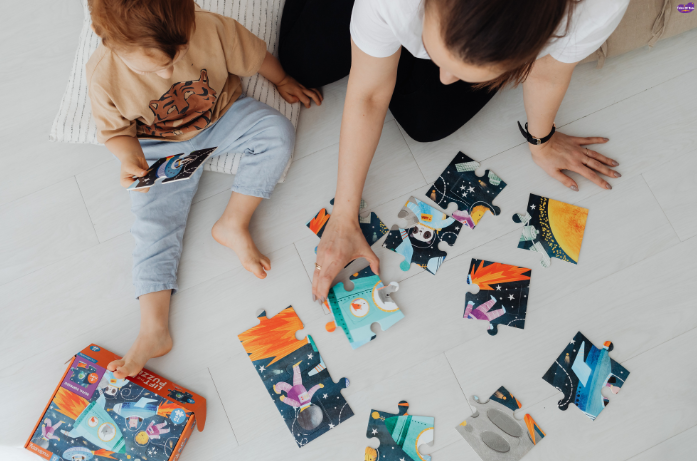
2. Puzzles
Puzzles are wonderful tools for supporting a child’s cognitive development.
Benefits:
- They help improve memory.
- They develop problem-solving skills.
- They strengthen concentration.
- They encourage patience.
For younger children, start with large and simple puzzles, and gradually introduce more challenging ones as they grow. Puzzles give children the chance to think, experiment, and solve problems on their own, all while having fun. This kind of play not only entertains but also nurtures important skills that will benefit them in many areas of learning.
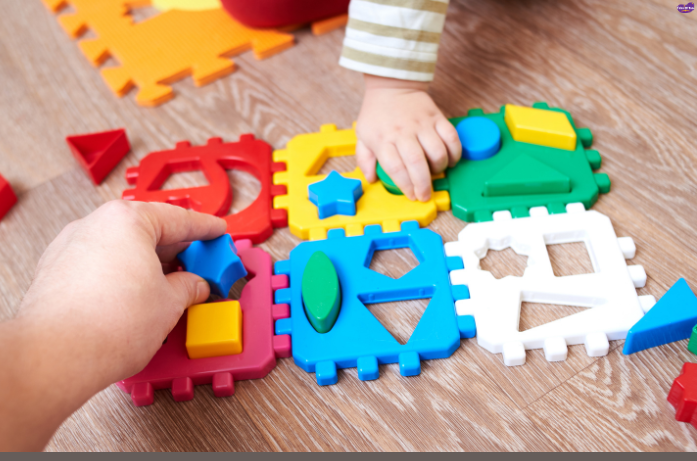
3. Shape Sorters
Shape sorters are simple yet highly effective toys that help toddlers learn about shapes, colors, and basic problem-solving.
Benefits:
- They improve hand-eye coordination.
- They encourage logical thinking.
- They help with shape and color recognition.
- They support fine motor skill development.
These toys are especially valuable for children between 1 and 3 years old. By matching shapes and fitting them into the correct slots, toddlers practice thinking, experimenting, and learning through play, all in a fun and engaging way. Shape sorters make early learning playful, natural, and enjoyable.
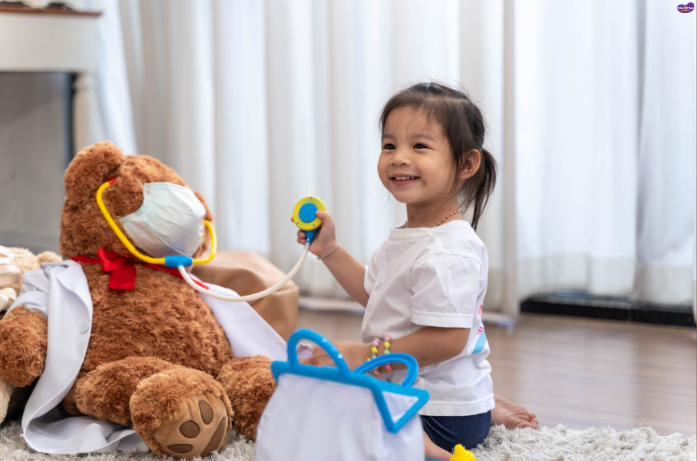
4. Pretend Play Toys
Pretend play toys are wonderful for nurturing a child’s imagination and emotional growth. The American Psychological Association (APA) discusses how pretend play supports emotional intelligence and social development.
Examples:
- Play kitchens
- Doctor kits
- Dollhouses
- Toy tools
Benefits:
- They help develop social skills.
- They support language growth.
- They allow children to express emotions.
- They build confidence.
Through pretend play, children act out real-life situations, learning empathy and understanding different perspectives. Whether they’re cooking in a play kitchen or treating patients with a doctor kit, these toys make learning about the world fun, meaningful, and deeply engaging. Pretend play helps children explore emotions, relationships, and creativity, all while simply enjoying themselves.
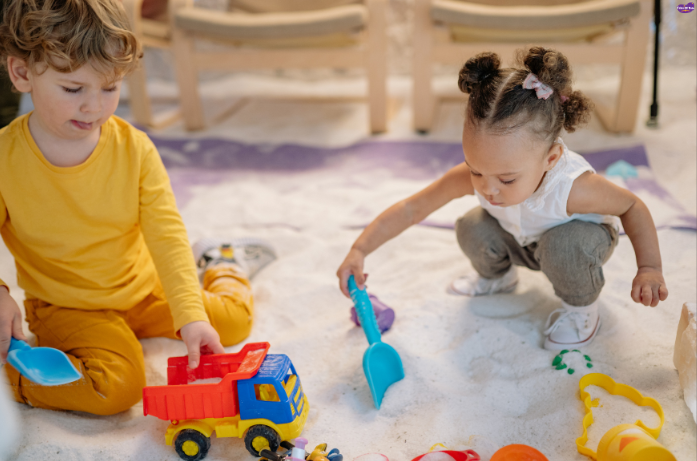
5. STEM Toys
STEM toys, focusing on Science, Technology, Engineering, and Math, are a great way to help children develop critical thinking and problem-solving skills.
Examples:
- Magnetic tiles
- Beginner coding kits
- Simple science experiment kits
- Mechanical building sets
Benefits:
- They strengthen logical thinking.
- They develop analytical skills.
- They spark curiosity.
- They encourage independent learning.
For older children, STEM toys lay a strong foundation for future academics and real-world problem-solving. These toys let kids explore, experiment, and understand how things work. STEM play isn’t just about learning facts, it’s a fun, hands-on way to boost creativity, confidence, and a love for discovering new things.
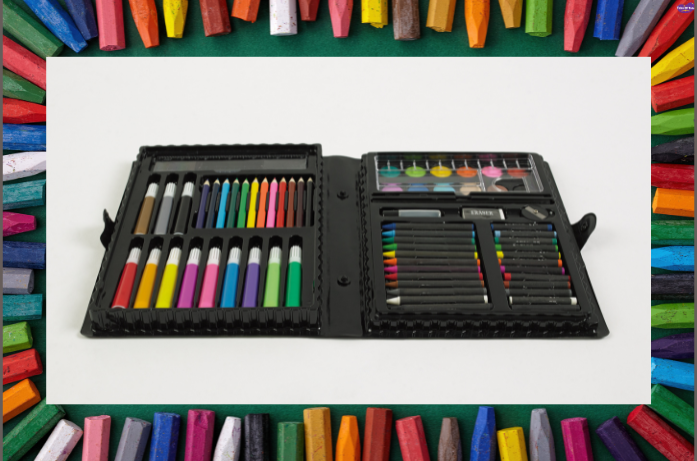
6. Art and Craft Supplies
Art and craft activities are a wonderful way to support a child’s creativity and overall brain development.
Examples:
- Crayons
- Paint
- Clay
- Craft kits
Benefits:
- They strengthen fine motor skills.
- They build hand strength.
- They encourage creative thinking.
- They provide a healthy way to express emotions.
Engaging in art not only helps children develop important skills but also reduces stress and improves focus. Through coloring, painting, sculpting, or crafting, children explore their imagination, express themselves freely, and learn to enjoy the process of creating, all in a fun and natural way.
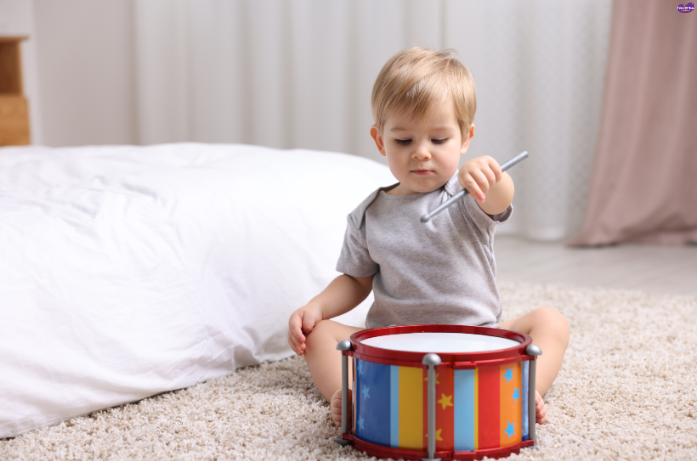
7. Musical Toys and Instruments
Musical toys and child-friendly instruments are a fun and powerful way to support a child’s brain development.
Examples:
- Xylophones
- Drums
- Keyboards
- Shakers
Benefits:
- They improve memory.
- They help recognize rhythm.
- They strengthen listening skills.
- They enhance coordination.
Playing music activates many areas of the brain at the same time, helping children develop both cognitive and emotional skills. Whether your child is tapping a drum, striking a xylophone, or shaking a rattle, musical play encourages creativity, focus, and self-expression, all while being joyful and engaging.
8. Board Games (For Older Kids)
Board games are a fun and meaningful way for older children to learn important life skills while spending time with family and friends.
Benefits:
- They teach turn-taking.
- They encourage strategic thinking.
- They build patience.
- They improve decision-making skills.
Playing board games also strengthens family bonds and helps children develop better communication and social skills. Simple games provide opportunities for children to think, plan, and interact in a friendly, engaging environment, making learning both enjoyable and valuable.
9. Books (The Ultimate Brain Booster)
Books hold a special place when it comes to supporting a child’s growth and learning.
Benefits:
- They help expand vocabulary.
- They spark imagination.
- They strengthen listening skills.
- They support emotional understanding.
Reading with children every day not only builds a strong foundation for language and communication but also deepens the parent-child bond. Whether it’s a storybook, picture book, or bedtime tale, books invite children into new worlds, encourage curiosity, and make learning a joyful, shared experience.
How to Choose the Right Brain-Boosting Toys for Children
Choosing the right brain-boosting toys for children can make a big difference in your child’s learning and development. Here are some simple tips to keep in mind:
- Pick age-appropriate toys: Make sure the toy suits your child’s age and stage of development.
- Keep it simple: Avoid toys that are overly complicated or rely too heavily on electronics.
- Encourage open-ended play: Toys that can be used in multiple ways allow children to explore, imagine, and create freely.
- Prioritize safety and quality: Choose toys made from safe, durable materials.
- Rotate toys: Instead of giving all toys at once, rotate them to keep playtime interesting and focused.
Sometimes, having fewer toys can actually lead to deeper learning. Thoughtfully chosen toys help children engage fully, explore their curiosity, and develop essential skills, all while having fun.
The Role of Parents in Brain Development
Toys are important, but it’s your interaction that truly helps a child’s brain grow.
When parents:
- Ask questions
- Play alongside their child
- Encourage creativity
- Celebrate effort and progress
…they turn simple play into a rich learning experience.
Active and engaged parenting transforms ordinary toys into powerful tools for learning. Your guidance, attention, and encouragement help children explore, experiment, and build essential skills, all while feeling supported and confident. Simply being present and involved makes a world of difference in how children learn and grow.
Frequently Asked Questions (FAQs)
1. What are the best brain-boosting toys for toddlers?
The best brain-boosting toys for toddlers include building blocks, shape sorters, simple puzzles, musical toys, and art supplies. These toys support fine motor skills, problem-solving, and early language development.
2. How do toys help brain development in children?
Toys help improve memory, focus, creativity, hand-eye coordination, and logical thinking. Through play, children naturally build cognitive skills without feeling pressured to learn.
3. Are expensive toys better for brain development?
No. Expensive toys are not necessary. Simple, open-ended toys like blocks, books, and art materials often provide better cognitive benefits because they encourage imagination and independent thinking.
4. How many toys does a child really need?
Children don’t need many toys. A few thoughtfully chosen, age-appropriate toys that encourage open-ended play are more beneficial than a large collection of distracting or overly electronic toys.
5. What is the most important brain-boosting activity for children?
Reading books together is one of the most powerful brain-boosting activities. It strengthens vocabulary, imagination, emotional understanding, and parent-child bonding.
Final Thoughts
Brain-boosting toys for children don’t need to be expensive or high-tech. Simple, open-ended toys that encourage thinking, building, imagining, and exploring are often the most effective.
Play is not just entertainment, it is the foundation of learning.
At Tales of Tots, we believe in thoughtful parenting choices that support healthy development. The right toys, combined with love and engagement, can shape confident, curious, and capable children.
Disclaimer
This article is for informational purposes only. Always choose toys that are age-appropriate and meet safety standards. For developmental concerns, consult a pediatrician or child development specialist.