Many parents feel concerned about their baby’s weight, especially during the early weaning phase or when their little one seems to be a picky eater. It’s completely normal to worry, but it’s also important to remember that every baby grows at their own pace. According to the World Health Organization, growth patterns can vary widely in the first year of life, and steady progress matters more than rapid weight gain If your baby is slightly underweight or needs a little extra nourishment during growth spurts, offering the right healthy foods to help your baby gain weight can make a big difference.
Instead of focusing only on quantity, it helps to choose nutritious baby foods that are rich in healthy fats, protein, and calories. These foods support steady, healthy weight gain while also providing essential nutrients for overall growth and development. With patience, love, and a balanced approach to feeding, you can gently encourage better eating habits and healthy progress.
Here are six healthy foods to help your baby gain weight while providing important nutrients for growth, brain development, and energy.
Why Choosing Healthy Foods to Help Your Baby Gain Weight Matters
Choosing nutrient-dense options ensures steady growth, better digestion, and overall development. The right healthy foods to help your baby gain weight provide essential fats, proteins, and calories needed during the first year.
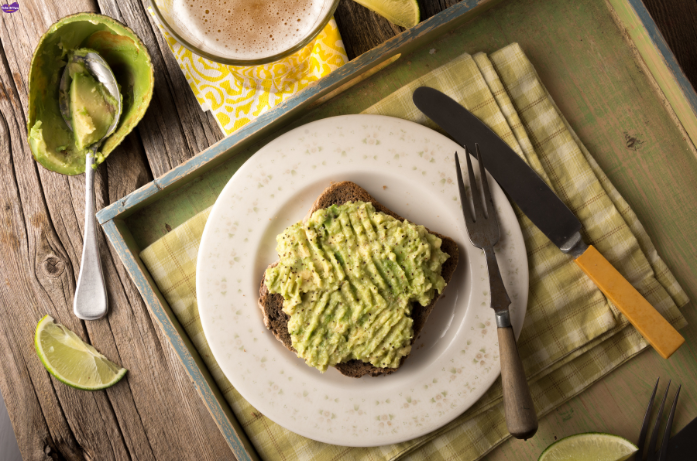
1. Avocado
Avocado is a wonderfully nourishing food that can be very helpful if you’re looking to support healthy weight gain in your baby. Its naturally creamy texture and rich nutrient profile make it a gentle and wholesome choice for little ones.
Why it’s a great choice:
- Rich in healthy fats: Avocados are full of monounsaturated fats that support brain development and overall growth.
- Naturally calorie-dense: A single avocado provides a good amount of calories, which can help babies gain weight in a healthy way.
- Loaded with nutrients: It also offers important vitamins like E, C, and B6, along with potassium, which contribute to your baby’s overall development.
How to serve:
- Mash or blend avocado into a smooth, creamy puree for younger babies.
- Mix it with mashed vegetables or stir it into baby cereals to make meals more nutritious and filling.
- For older babies, cut avocado into small, soft cubes so they can easily pick them up and self-feed.

2. Full-Fat Yogurt
Full-fat yogurt is a gentle and nourishing addition to your baby’s diet, especially when you want to support healthy weight gain. It is naturally creamy, easy to digest, and packed with essential nutrients that help in overall growth and development.
Why it’s a great choice:
- Rich in healthy fats and protein: Full-fat yogurt provides the energy and building blocks your baby needs for steady growth.
- Contains probiotics: These beneficial bacteria support healthy digestion and help maintain a balanced gut.
- Good source of calcium: Yogurt supplies calcium, which is important for developing strong bones and teeth.
The Centers for Disease Control and Prevention notes that plain yogurt can be introduced after 6 months as part of a balanced diet.
How to serve:
- Offer plain, full-fat yogurt to avoid added sugars and artificial flavors.
- Mix in mashed fruits like banana or berries to make it naturally sweet and more nutritious.
- You can also add yogurt to baby cereals, blend it into smoothies, or use it as a creamy base for other baby purees.
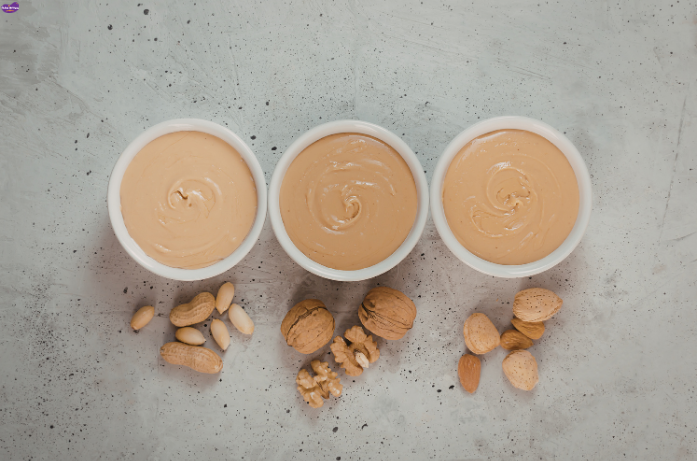
3. Nut Butters (Peanut, Almond, Cashew)
Nut butters like peanut, almond, or cashew butter can be a nourishing way to add healthy fats and extra calories to your baby’s meals. When introduced in the right quantity and at the appropriate age, they can gently support healthy weight gain and overall growth.
The American Academy of Pediatrics supports early introduction of peanut products (around 6 months) to reduce allergy risk, when appropriate.
Why it’s a great choice:
- Rich in healthy fats: Nut butters contain beneficial fats that support brain development and help promote steady, healthy weight gain.
- Good source of protein: They provide plant-based protein, which is important for your baby’s growth and muscle development.
- Calorie-dense: Even a small spoonful offers a good amount of calories, which can gradually support weight gain.
How to serve:
- For babies over 6 months, mix a small amount of smooth nut butter into purees or yogurt.
- For babies who have started finger foods, spread a very thin layer on soft whole grain toast.
- Always choose smooth nut butter with no added sugar or salt, and introduce it slowly while watching for any allergies.
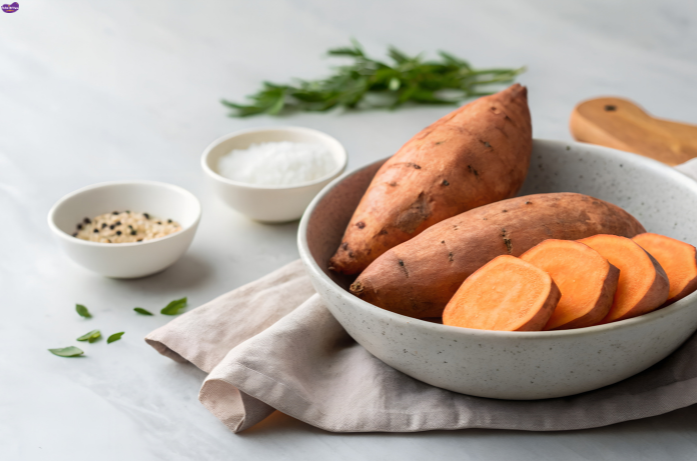
4. Sweet Potatoes
Sweet potatoes are a naturally nourishing and filling food that can gently support healthy weight gain in babies. They are soft, mildly sweet, and packed with essential nutrients, making them a comforting and wholesome choice during the weaning stage.
Why it’s a great choice:
- Rich in carbohydrates and calories: Sweet potatoes provide steady energy and the extra calories needed for healthy growth.
- Loaded with vitamins: They are an excellent source of vitamin A for vision and immunity, along with vitamin C and potassium for overall development.
- Easy to digest: Their soft texture and gentle nature make them suitable for delicate tummies and one of the first solid foods for babies many enjoy.
How to serve:
- Steam or bake sweet potatoes until soft, then mash them into a smooth puree for younger babies.
- For older babies, cut them into small, soft pieces that are easy to hold and chew.
- You can also mix mashed sweet potatoes with other fruits or vegetables like apples or carrots to add variety and flavor.
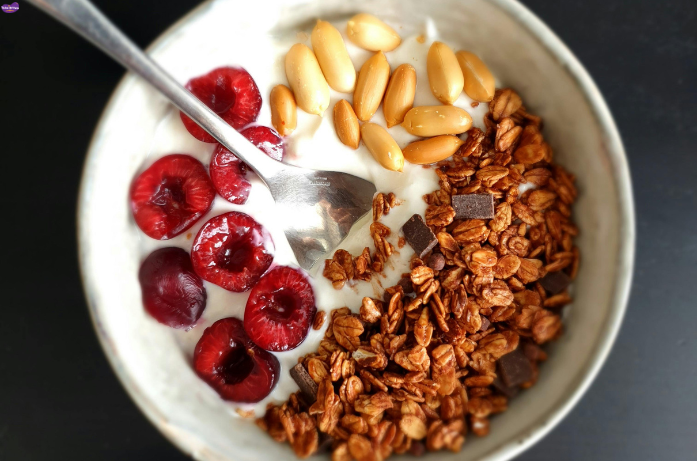
5. Oats
Oats are a wholesome and comforting food that can gently support your baby’s healthy weight gain while also aiding digestion. They are filling, nutritious, and provide steady energy, making them a wonderful addition to your baby’s daily meals, especially at breakfast.
Why it’s a great choice:
- Rich in fiber and complex carbohydrates: Oats release energy slowly, helping keep your baby satisfied and energized for longer periods.
- Good source of iron: Iron supports healthy red blood cells and helps carry oxygen throughout the body, which is essential for overall growth.
- Easy to digest: When cooked well, oats become soft and smooth, making them gentle on your baby’s tummy.
How to serve:
- Cook oats with breast milk, formula, or water, and mix with mashed fruits like banana or apple for a nourishing, calorie-rich meal.
- Stir in a little nut butter, yogurt, or a pinch of cinnamon to enhance both taste and nutrition.
- You can also use oats as a base for soft, baby-friendly pancakes or muffins for added variety.

Bonus: Cheese (Full-Fat, Soft Cheese)
Cheese can be a tasty and nourishing addition to your baby’s diet, especially when you’re looking to boost calorie intake in a healthy way. In small, age-appropriate portions, soft full-fat cheese can support steady growth and healthy weight gain
Why it’s a great choice:
- Rich in protein and healthy fats: Full-fat cheese provides energy and essential nutrients that help support your baby’s growth and development.
- Excellent source of calcium: Calcium is important for building strong bones and teeth during these early growing years.
- Soft and easy to eat: Soft varieties like ricotta or cream cheese have a gentle texture that is easy for babies to chew and swallow.
How to serve:
- Offer small, soft pieces of cheese as finger food for babies over 8 months.
- Mix a little cheese into soft vegetables or baby pasta to enhance taste and nutrition.
- Spread a thin layer on whole grain toast or crackers for a simple, filling snack.
FAQs: Healthy Weight Gain Foods for Babies
Q1: What are the best healthy foods to help a baby gain weight?
Avocado, full-fat yogurt, smooth nut butter, sweet potatoes, oats, and pasteurized full-fat cheese are nutrient-dense options that may support gradual weight gain when they are appropriate for your baby’s age.
Q2: At what age can I start giving weight-gain foods to my baby?
Most of these foods can be introduced after 6 months, once solids are started. Always introduce one new food at a time and monitor for allergies.
Q3: Is full-fat yogurt safe for babies?
Yes, plain full-fat yogurt is safe after 6 months. It provides healthy fats, protein, and probiotics that support growth and digestion.
Q4: Can nut butter help babies gain weight?
Yes, smooth peanut, almond, or cashew butter (in small amounts) can add healthy fats and calories. Introduce slowly and watch for allergic reactions.
Q5: How often should I offer calorie-dense foods?
You can include one or two nutrient-dense foods in daily meals or snacks to support steady and healthy weight gain.
Q6: When should I worry about my baby’s weight?
If your baby shows poor growth, low energy, or feeding difficulties, consult your pediatrician for personalized guidance and growth assessment.
Final Thoughts
Including healthy foods to help your baby gain weight can support gradual growth while also providing protein, healthy fats, vitamins, and minerals.
into your baby’s diet can help support healthy weight gain during the first year of life. As always, it’s essential to consult with your pediatrician before making any major changes to your baby’s diet, especially if you have concerns about their growth or weight.
At Tales of Tots, we’re here to support you with tips and ideas for providing your little one with the best baby nutrition for their development. Remember, every baby grows at their own pace, and healthy, balanced nutrition plays a big part in helping them reach their milestones.
Disclaimer
This article is for informational purposes only and should not replace professional medical advice. Always consult your pediatrician or healthcare provider if you have concerns about your baby’s weight or nutritional needs.