Pregnancy is a beautiful journey, but it also brings many physical changes that require extra care and attention. One of the most important nutrients during this time is iron. Iron helps your body produce haemoglobin, a protein in red blood cells that carries oxygen throughout your body and to your growing baby. As pregnancy progresses, your blood volume naturally increases, which means your body needs more iron than usual.
Many expectant mothers experience low iron levels during pregnancy. When iron is insufficient, it can lead to anemia, causing symptoms like fatigue, weakness, dizziness, and shortness of breath. If not managed properly, severe iron deficiency may also increase the risk of complications for both mother and baby.
The reassuring part is that, with mindful eating and the right food choices, you can meet a large portion of your iron needs naturally by including iron-rich foods for pregnancy in your daily meals.
This guide is thoughtfully created to help you understand why iron is so important during pregnancy, explore iron-rich foods for pregnancy you can include in your diet, and learn simple, safe ways to improve iron absorption for better health and well-being.
Why Iron Is So Important During Pregnancy
During pregnancy, your body works harder than ever to support the growth of your baby. One of the key nutrients that becomes especially important during this time is iron. As your blood volume increases to supply oxygen and nutrients to your baby and placenta, your body needs extra iron to keep up with these demands.
According to the American Pregnancy Association, iron plays a critical role in supporting your expanding blood supply and the healthy development of your baby.
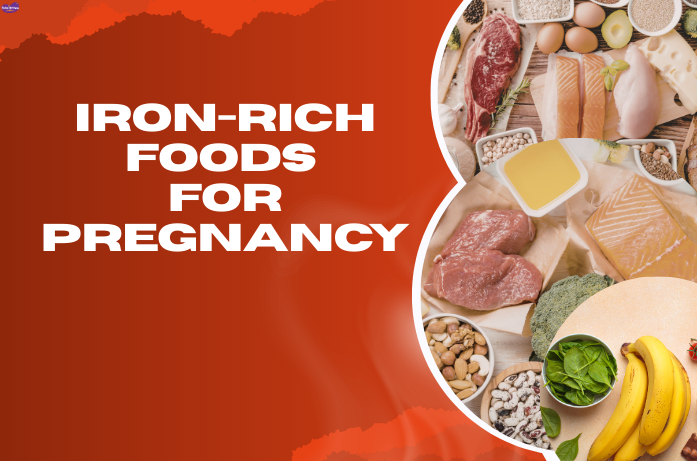
Adequate intake of iron-rich foods for pregnancy helps to:
- Support the healthy growth of your baby and placenta
- Increase and maintain your expanding blood supply
- Reduce the risk of iron-deficiency anemia
- Promote healthy brain development in your baby
When iron levels are too low, it can lead to anemia, leaving you feeling tired and weak. More importantly, low iron during pregnancy has been linked to risks such as preterm birth and low birth weight.
That’s why healthcare providers closely monitor iron levels during prenatal visits. With proper nutrition and regular check-ups, you can help ensure both you and your baby stay healthy throughout pregnancy.
How Much Iron Do Pregnant Women Need?
During pregnancy, your body needs more iron than usual. On average, pregnant women require about 27 mg of iron per day, which is nearly double the amount needed before pregnancy.
This pregnancy iron requirements increase blood volume and your baby’s healthy developmentThat’s why eating iron-rich foods and following your doctor’s advice is especially important during this time.
Best Iron-Rich Foods for Pregnancy
Iron in food comes in two different forms, and both are important during pregnancy.
The first type is heme iron, which comes from animal-based foods such as lean meat, poultry, and fish. This form of iron is more easily absorbed by the body, making it a very effective way to boost iron levels. You can learn more about the types and sources of iron from the National Institutes of Health on their iron health professional page.
The second type is non-heme iron, found in plant-based foods like leafy greens, beans, lentils, nuts, seeds, and fortified cereals. Although this type is not absorbed as efficiently as heme iron, it still plays a valuable role in meeting your daily iron needs, especially when combined with vitamin C–rich foods that help improve absorption.
Including a healthy balance of both sources in your daily meals can help ensure you and your baby receive the iron needed for a strong and healthy pregnancy.
Animal-Based Iron Sources (Heme Iron)
Heme iron from animal foods is easily absorbed and helps maintain healthy iron levels during pregnancy.
1. Lean Red Meat: Beef and lamb are rich in iron, protein, and vitamin B12. Always choose lean, well-cooked cuts.
2. Poultry: Chicken and turkey provide a good amount of iron, especially dark meat. Make sure it is fully cooked.
3. Low-Mercury Fish: Salmon and sardines offer iron and healthy omega-3 fats. Choose pregnancy-safe fish and cook it properly.
Including these foods in moderation can help support a healthy pregnancy.
Plant-Based Iron Sources (Non-Heme Iron)
Plant-based or non-heme iron is a wonderful option for women following a vegetarian or mostly plant-based diet. While this type of iron is absorbed a little less efficiently, it can still effectively support your iron needs when included regularly in a balanced diet.
1. Lentils and Beans
Lentils, chickpeas, kidney beans, and black beans are excellent sources of iron. They are also rich in fiber and plant protein, making them both nourishing and filling.
2. Dark Leafy Greens
Spinach, kale, fenugreek (methi) leaves, and Swiss chard provide iron along with folate, an important nutrient that supports healthy fetal development.
3. Nuts and Seeds
Pumpkin seeds, sesame seeds, cashews, and almonds contain iron and healthy fats. They are easy to enjoy as snacks or sprinkled over meals.
4. Whole Grains
Oats, quinoa, brown rice, and iron-fortified cereals can help increase your daily iron intake. Checking food labels can help you choose iron-rich options.
5. Dried Fruits
Dates, raisins, figs, and apricots naturally contain iron and can be a healthy addition to your diet. However, enjoy them in moderation due to their natural sugar content.
Including a variety of these foods in your meals can gently and effectively support a healthy pregnancy.
Foods That Help Iron Absorption
Getting enough iron is important, but helping your body absorb it properly is just as essential. Iron absorption naturally improves when iron-rich foods are eaten along with foods high in vitamin C. For example, pairing lentils or spinach with citrus fruits can enhance absorption. As suggested by the World Health Organization, these simple food combinations can support better iron levels during pregnancy. Vitamin C helps your body absorb non-heme (plant-based) iron more effectively.
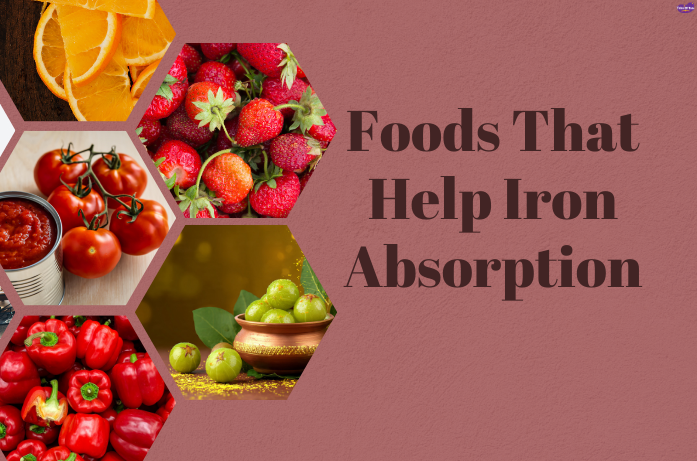
You can enhance iron absorption by pairing iron-rich meals with:
- Oranges and other citrus fruits
- Tomatoes
- Bell peppers
- Strawberries
- Amla (Indian gooseberry)
For example, adding a squeeze of lemon juice to lentils or including tomatoes with spinach can make a meaningful difference. These simple food combinations can gently and effectively support better iron levels during pregnancy.
Foods That Can Block Iron Absorption
While focusing on iron-rich foods is important, it’s also helpful to know that certain foods and drinks can interfere with how well your body absorbs iron, especially if consumed at the same time.
For better absorption, try to limit or separate iron-rich meals from:
- Tea and coffee
- Calcium supplements
- Dairy products such as milk, cheese, and yogurt
These items can reduce the amount of iron your body takes in. A simple and effective approach is to keep a gap of at least 1–2 hours between iron-rich meals and these foods or beverages.
Making this small adjustment can help your body absorb iron more efficiently and support a healthy pregnancy.
Common Signs of Low Iron During Pregnancy
Iron deficiency is quite common during pregnancy, and recognizing the early signs can help you take timely action. If you notice any of the following symptoms, it’s important to speak with your healthcare provider:
- Constant fatigue or unusual weakness
- Pale or dull-looking skin
- Shortness of breath
- Frequent headaches or dizziness
- Rapid or irregular heartbeat
While a balanced, iron-rich diet plays a key role in maintaining healthy levels, some women may still require iron supplements. Your doctor can determine this through routine blood tests and guide you on the safest and most effective treatment.
Taking symptoms seriously and seeking medical advice early helps protect both your health and your baby’s well-being.
Can Diet Alone Meet Iron Needs?
A balanced, iron-rich diet can help maintain healthy iron levels. However, during pregnancy, iron requirements increase, and food alone may not always be enough.
Your doctor may recommend iron supplements based on your blood tests. Always take supplements only as prescribed and follow medical guidance carefully.
Simple Daily Iron-Boosting Meal Ideas
Including iron-rich foods in your everyday meals doesn’t have to be complicated. Small, thoughtful choices throughout the day can make a meaningful difference.
Here are a few simple ideas:
- Oatmeal topped with dates and seeds for a nourishing start to your morning
- Lentil curry with a squeeze of lemon and mixed vegetables
- Spinach and chickpea salad with a fresh citrus dressing
- Lean meat served with steamed green vegetables
- Iron-fortified cereal paired with fresh fruit
Making these small, consistent additions to your diet can gently support healthy iron levels during pregnancy.
Frequently Asked Questions (FAQs)
1. Why is iron important during pregnancy?
Iron is essential during pregnancy because it helps produce haemoglobin, which carries oxygen to your baby. Adequate iron levels support healthy fetal growth, brain development, and prevent iron-deficiency anemia in mothers.
2. How much iron do pregnant women need daily?
Pregnant women need about 27 mg of iron per day, which is almost double the amount required before pregnancy. Your doctor may adjust this based on your blood test results.
3. What are the best iron-rich foods for pregnancy?
The best iron-rich foods include:
- Lean red meat
- Chicken and turkey
- Salmon and sardines
- Lentils and beans
- Spinach and other leafy greens
- Pumpkin seeds and nuts
- Iron-fortified cereals
Including both animal-based (heme) and plant-based (non-heme) iron sources is beneficial.
4. How can I improve iron absorption naturally?
You can improve iron absorption by eating iron-rich foods with vitamin C-rich foods like oranges, lemon, tomatoes, bell peppers, strawberries, and amla. Avoid tea, coffee, and dairy close to iron-rich meals.
5. What are the signs of low iron during pregnancy?
Common symptoms of low iron include fatigue, pale skin, dizziness, shortness of breath, headaches, and rapid heartbeat. If you notice these symptoms, consult your healthcare provider.
6. Can I meet my iron needs through diet alone?
Some women can maintain healthy iron levels through diet, but many require supplements during pregnancy. Always take iron supplements only if prescribed by your doctor.
7. Which fruits are high in iron for pregnancy?
Dates, raisins, figs, and apricots contain iron. Pair them with vitamin C-rich fruits to improve absorption.
Final Thoughts
Iron is essential for a healthy pregnancy, but it doesn’t have to be complicated. With mindful food choices, balanced meals, and awareness of absorption tips, you can support your body and your baby naturally.
Pregnancy nutrition isn’t about perfection; it’s about consistency, nourishment, and listening to your body.
At Tales of Tots, we aim to guide and support parents through every stage, starting even before the baby arrives.
Disclaimer
This article is for informational purposes only and does not replace medical advice. Always consult your doctor or healthcare provider before making dietary changes or starting iron supplements during pregnancy.