Buying clothes for a newborn is truly one of the sweetest and most exciting parts of preparing for your baby’s arrival. Those tiny onesies, soft little pajamas, and adorable socks can easily melt your heart, and it’s completely natural to feel tempted to buy more than you need.
However, once your baby is here, you quickly understand that newborn clothing is about much more than just cuteness. At this stage, comfort, safety, and practicality are far more important than style. Your baby’s skin is extremely delicate, their movements are limited, and diaper changes happen many times a day.The right baby clothes can make daily care smoother, gentler, and less stressful for both you and your little one.
Choosing soft, breathable fabrics, easy-to-wear designs, and practical outfits can make a big difference in your everyday routine. In this guide, you’ll learn which newborn clothes are truly essential, how to select fabrics that are safe and comfortable for sensitive skin, and the common mistakes to avoid while shopping.
With a little thoughtful planning, you can build a simple, practical wardrobe that keeps your baby cozy and makes your parenting journey a little easier and more joyful.
Why Choosing the Right Newborn Clothes Is Important
Newborns spend most of their time sleeping, feeding, and cuddling. Their skin is very thin and sensitive, so even slightly rough or tight clothes can cause irritation or discomfort. Poorly designed outfits may also lead to overheating or make diaper changes difficult.
The right baby clothes should:
- Feel soft and gentle on delicate skin
- Be easy to put on and remove
- Allow free and natural movement
- Keep the baby warm without overheating
At this stage, comfort should always come before style. A comfortable baby is a happy baby.
For more information on caring for your newborn’s delicate skin, visit the NHS’s guide on newborn care.
Best Fabrics for Newborn Clothes
Fabric choice is one of the most important things to consider when buying newborn clothes. A baby’s skin is very delicate, so soft and breathable fabrics help prevent irritation and keep them comfortable. Always choose gentle, skin-friendly materials, and remember that the right fabrics are key to protecting your baby’s health Learn more about infant care from the CDC .
1. Cotton (Best Choice)
Soft, breathable cotton is one of the safest and most comfortable choices for newborns. Since a baby’s skin is delicate and sensitive, cotton helps keep them cool, dry, and irritation-free. If possible, organic cotton is an even better option, as it is made without harsh chemicals or strong dyes.
Why cotton works so well:
- Gentle and soothing on sensitive skin
- Naturally absorbs moisture and sweat
- Helps reduce the risk of rashes and irritation
Simple, soft cotton clothing can keep your little one comfortable throughout the day.
2. Bamboo Fabric
Bamboo fabric is naturally soft, breathable, and gentle on delicate skin. It helps regulate temperature and keeps your baby comfortable. Since it is hypoallergenic, it’s a great choice for babies with very sensitive skin or eczema.
3. Avoid Synthetic Fabrics
It’s best to avoid polyester, nylon, or heavily blended fabrics for your newborn’s everyday clothing. These materials are not as breathable as natural fabrics and can trap heat against your baby’s delicate skin. This may lead to sweating, irritation, or discomfort.
Choosing soft, natural fabrics instead helps keep your little one cool, comfortable, and happy throughout the day.
Essential Newborn Clothes You Actually Need
It’s very easy to overbuy when shopping for newborn clothes, but babies grow surprisingly fast. Instead of focusing on quantity, choose a few practical essentials that you will truly use every day. A simple, well-planned wardrobe is often more than enough for your little one.
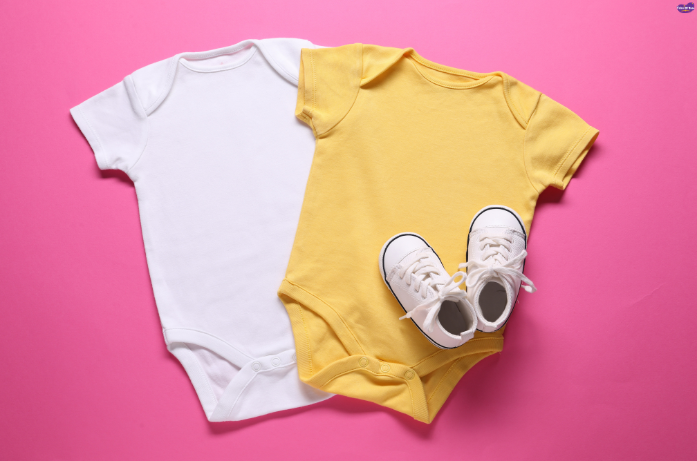
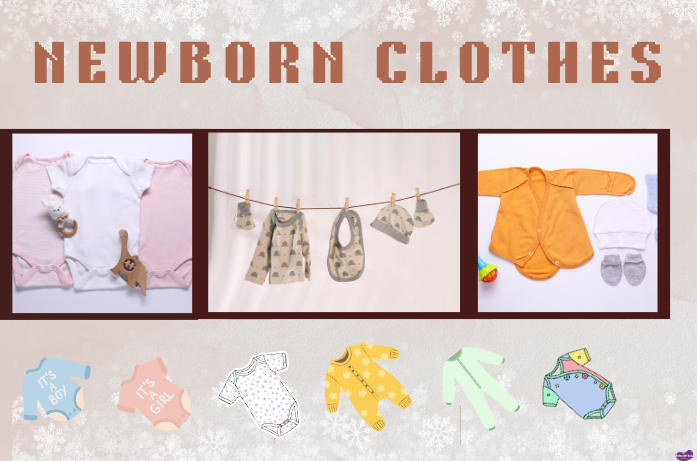
1. Onesies (Bodysuits)
Onesies are the most essential part of a newborn’s wardrobe. They are comfortable and practical for everyday wear.
- Choose short-sleeve or long-sleeve based on the weather
- Snap buttons at the bottom make diaper changes easier
- Envelope necks allow you to pull the outfit down instead of over the head
Recommended: 6–8 onesies
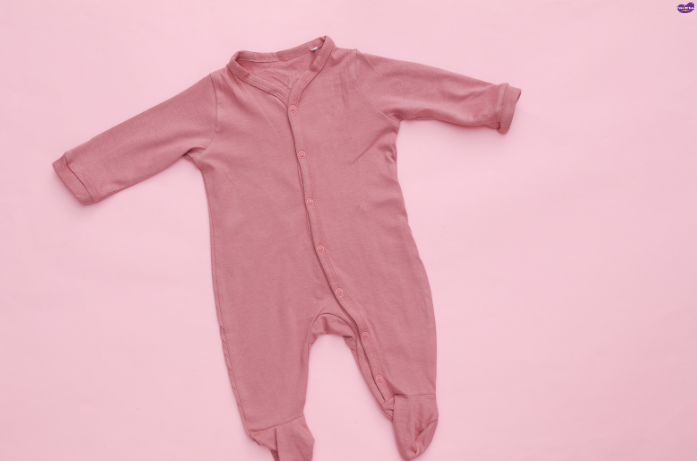
2. Sleepers / Rompers
These are one-piece outfits that cover the baby from neck to feet. They are cozy and perfect for both day and night.
- Look for zippers or snap closures
- Suitable for daytime and nighttime
- Save time and effort
Recommended: 4–6 sleepers
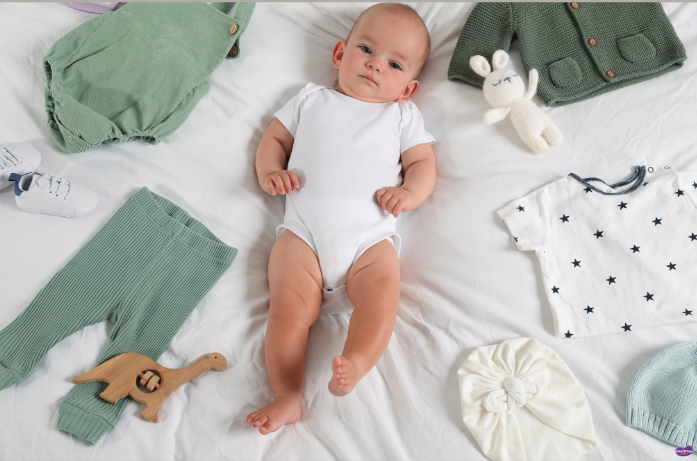
3. Soft Pants or Leggings
Useful for layering over onesies, especially in cooler weather.
- Elastic waistband (not too tight)
- Soft and stretchy fabric
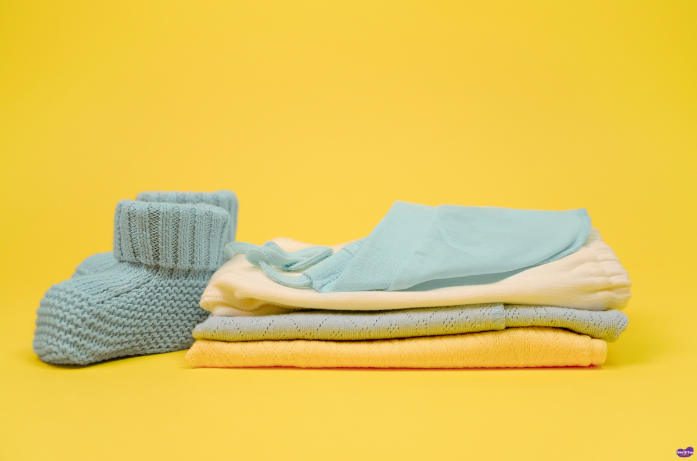
4. Socks or Booties
Newborns can lose heat quickly through their feet.
- Soft, breathable socks
- Booties that stay on are helpful
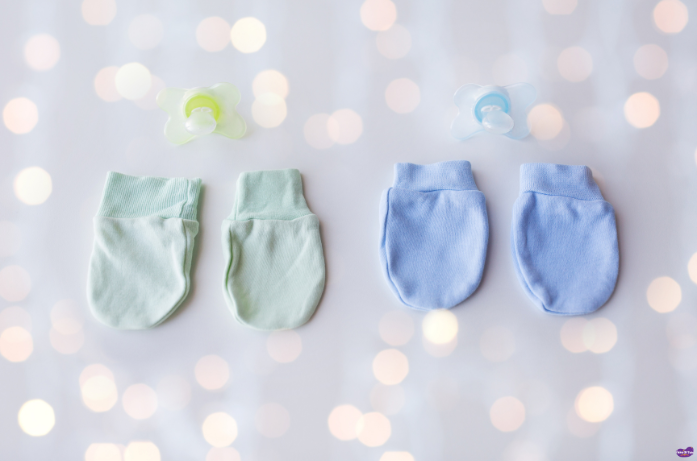
5. Mittens
Newborn nails may be tiny, but they can be quite sharp. Since babies move their hands randomly, they may accidentally scratch their face. Keeping nails trimmed and using soft mittens when needed can help protect their delicate skin.
- Cotton mittens help prevent scratches
- Some sleepers come with fold-over mittens
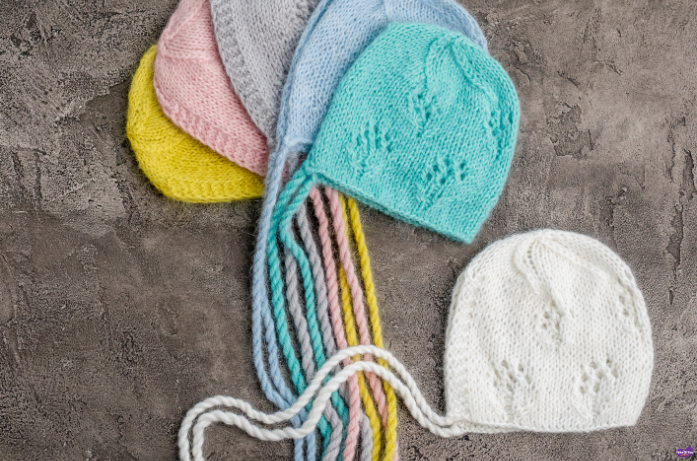
6. Hats
A soft cotton hat helps keep your baby warm in the early weeks, as newborns can lose heat quickly through their heads. Choose a lightweight, breathable fabric for gentle comfort. Use it when needed, especially in cooler weather, and always make sure your baby doesn’t overheat.
- Use indoors only if needed
- Avoid overheating
How Many Clothes Does a Newborn Need?
Newborns often need more outfit changes than you might expect. Spit-ups, diaper leaks, and drooling can quickly mean two or three changes in a single day. That’s why having a small but practical set of essentials can make life much easier.
A simple starter wardrobe may include:
- 6–8 onesies
- 4–6 sleepers
- 2–3 soft pants
- 3–4 pairs of socks
- 2 hats
- 2–3 pairs of mittens
This is usually more than enough to get started. As you spend time with your baby, you’ll naturally understand their needs better and can always add more if required. Keeping it simple in the beginning often works best.
Size Guide: Newborn vs 0–3 Months
Babies grow faster than we expect, and many outgrow newborn sizes within just a few weeks. That’s why it’s wise to shop thoughtfully instead of buying everything in one size.
Here are a few simple tips to keep in mind:
- Buy a mix of newborn and 0–3 month sizes
- Avoid purchasing too many newborn-size outfits
- Choose slightly loose-fitting clothes rather than tight ones
Some babies are born big enough to fit straight into 0–3 month clothing. Keeping a little flexibility in your shopping will save you from unused outfits and make sure your baby stays comfortable as they grow.
Dressing Your Newborn Safely
Keeping your newborn safe and comfortable while dressing them is just as important as choosing the right clothes. A few simple guidelines can help you feel more confident.
Follow the One More Layer Rule
A good rule of thumb is to dress your baby in one more layer than what you feel comfortable wearing. Since newborns cannot regulate their body temperature well, this extra layer helps keep them cozy.
Avoid Overheating
At the same time, be careful not to overdress your baby. Signs that your little one may be too warm include:
- Sweating
- Red or flushed cheeks
- Rapid breathing
If you notice these signs, gently remove a layer to help them cool down.
No Tags or Hard Seams
Always remove clothing tags and avoid outfits with rough seams, hard buttons, or heavy decorations. These small details can rub against your baby’s delicate skin and cause irritation.
Simple, mindful choices can keep your newborn safe, comfortable, and happy throughout the day.
Clothes to Avoid for Newborns
While many newborn outfits look adorable, not all of them are practical or safe for everyday use. At this stage, your baby’s comfort and safety should always come before style.
It’s best to avoid:
- Tight neck openings that are hard to pull over the head
- Clothes with too many buttons, ties, or complicated fastenings
- Scratchy lace or heavy embroidery that can irritate delicate skin
- Hooded clothes during sleep
- Outfits with strings or loose decorations
Simple, soft, and easy-to-wear clothing is always the better choice. When it comes to newborns, comfort truly beats fashion every time.
Washing Newborn Clothes
Before your baby wears any new clothes, it’s always a good idea to wash them first. Even brand-new outfits can carry dust, residues, or mild chemicals from manufacturing and packaging.
Keep these simple steps in mind:
- Wash all clothes before first use
- Use a mild, fragrance-free detergent
- Avoid fabric softeners
This small extra step helps remove unwanted residues and lowers the risk of skin irritation, keeping your baby’s delicate skin safe and comfortable from day one.
To ensure your baby’s skin stays safe, use mild, fragrance-free detergent and wash all clothes before the first use.
For tips on newborn health, explore WHO’s guidelines on newborn health .
Frequently Asked Questions (FAQs)
1. How many clothes does a newborn really need?
Most parents only need a small, practical wardrobe to start. Around 6–8 onesies, 4–6 sleepers, a few soft pants, socks, hats, and mittens are usually enough. Since newborns grow quickly and need frequent outfit changes, keeping it simple works best.
2. Can newborns wear 0–3 month clothes?
Yes, many babies fit into 0–3 month sizes sooner than expected. Some newborns are even born big enough to skip newborn size completely. Buying a mix of both sizes helps avoid unused outfits.
3. What is the safest fabric for newborn baby clothes?
Soft, breathable cotton is considered the safest and most comfortable choice for newborns. Organic cotton or bamboo fabric can be great options for babies with very sensitive skin. Avoid synthetic fabrics that may trap heat and cause irritation.
4. Should newborns wear mittens all the time?
Mittens can help prevent scratching during the early weeks, but they don’t need to be worn constantly. It’s better to keep your baby’s nails trimmed and allow supervised hand movement for natural development.
5. How often should newborn clothes be washed?
Newborn clothes should be washed before first use and after every wear. Use a mild, fragrance-free detergent and avoid fabric softeners to protect your baby’s delicate skin.
6. How do I know if my newborn is dressed appropriately?
A simple rule is to dress your baby in one more layer than you are wearing. If your baby is sweating, has flushed cheeks, or feels hot to the touch, they may be overdressed. Adjust layers as needed.
Final Thoughts
Newborn clothes don’t need to be fancy or expensive. What matters most is softness, safety, and ease of use. Babies don’t care about trends, they care about comfort, warmth, and being close to you.
Choose simple, breathable clothes, keep the wardrobe practical, and remember that your baby will grow faster than you expect. Less really is more during the newborn stage.
Looking for more practical, heart-led parenting guidance?
Explore more newborn care tips, baby essentials checklists, and expert-backed advice at Tales of Tots, where every small step of parenthood is understood, supported, and celebrated.
Disclaimer
This article is for informational purposes only. Always consider your baby’s individual needs and consult your pediatrician if you have concerns about temperature regulation, skin irritation, or clothing safety.