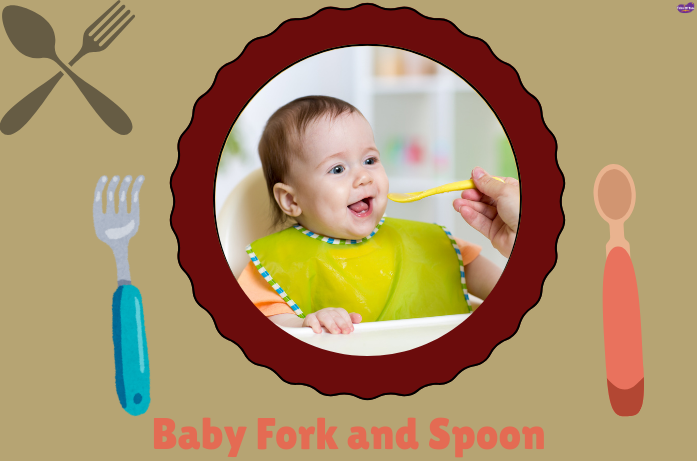
As your baby grows and begins eating solid foods, introducing them to baby eating utensils like a baby fork and spoon is a sweet and important step. This is the stage when your little one starts trying to eat on their own, making small but meaningful efforts toward independence. It helps build confidence while also improving hand-eye coordination and fine motor skills.
Choosing the right self-feeding baby utensils for your baby isn’t always easy. Babies need utensils that are safe, lightweight, and comfortable for their tiny hands to hold. The right utensils can make mealtimes more enjoyable for your child and a little less stressful for you.
In this guide, we’ll talk about the benefits of using baby fork and spoon, what to look for when choosing the right ones, and share simple, gentle tips to help your baby learn to eat with utensils, so mealtime becomes a positive and happy experience for both of you.
Why Baby Fork and Spoon Are Important
As your baby moves from breast milk or formula to solid foods, introducing utensils is a gentle and important step in their growth. Learning to use a baby fork and spoon helps your little one begin self-feeding, which plays a key role in their overall development. With regular use, these simple tools encourage healthy eating habits and support your baby as they gain confidence and independence during mealtimes.
- Independence: When babies start feeding themselves, it builds their confidence and helps them feel more comfortable and in control during mealtimes.
- Motor Skill Development: Using a baby fork and spoon improves hand-eye coordination and fine motor skills, which become important as your child grows and takes on new tasks.
- Learning About Food: Baby forks and spoons introduce children to eating from a plate or bowl, making mealtime more engaging and helping them understand food and eating routines better.
For guidance on introducing utensils during mealtime, the CDC’s Infant-Toddler Nutrition guidelines provide helpful insights on when and how to introduce forks and spoons.
What to Look for in Baby Forks and Spoons
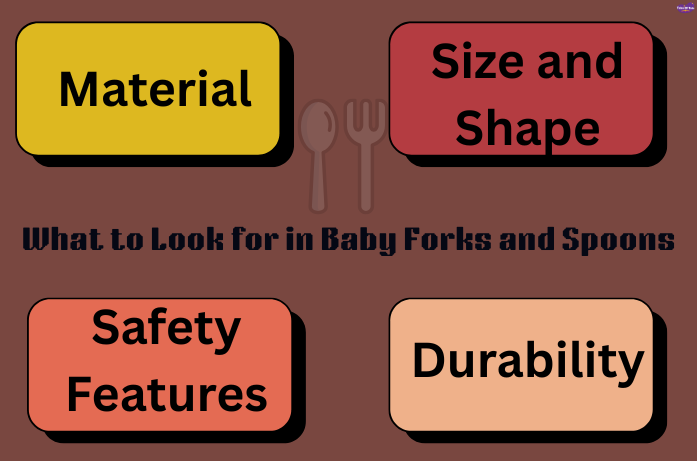
Choosing the right utensils for your baby plays an important role in keeping them safe and comfortable during mealtimes. Since babies are still learning to eat on their own, it’s important to select forks and spoons that are specially designed for their needs. Here are a few key things to keep in mind when shopping for baby eating utensils:
1. Material
Baby fork and spoon should always be made from materials that are safe for infants. Some of the most common and trusted options include:
- Plastic: Lightweight and budget-friendly, making it easy for babies to hold. Just be sure the plastic is BPA-free and free from harmful chemicals.
- Stainless Steel: Strong, durable, and easy to clean. Stainless steel utensils are non-toxic and a popular choice among parents for long-term use.
- Silicone: Soft and gentle on a baby’s mouth and gums. Silicone utensils are flexible, non-toxic, and ideal for babies who are just beginning to explore eating with utensils.
The WHO guidelines on complementary feeding also emphasize the importance of safe feeding tools and practices during the transition to solid foods.
2. Size and Shape
The size and shape of baby utensils play an important role in how comfortable and confident your baby feels while eating. Utensils should be designed to fit your baby’s small hands and mouth. Here’s what to look for:
- Small-sized spoons: Since babies have tiny mouths, a small and shallow spoon works best. It helps scoop just the right amount of food without making your baby uncomfortable.
- Rounded, soft tips: Forks and spoons should have smooth, rounded edges to protect your baby’s delicate gums and mouth.
- Easy-to-hold handles: Look for short, thick handles with an ergonomic design that are easy for little hands to grip. Non-slip handles are especially helpful, as they allow your baby to hold the utensil more securely.
3. Safety Features
When it comes to your baby, safety always comes first. The utensils you choose should be specially designed with your baby’s well-being in mind. Here are a few important safety features to look for:
- No sharp edges: Baby forks should never have sharp prongs. Always choose toddler-friendly forks with rounded tips to keep your baby safe while eating.
- Dishwasher-safe: Mealtimes can get messy, so it’s helpful to pick utensils that can be easily cleaned in the dishwasher, saving you time and effort.
- Non-toxic materials: Make sure the forks and spoons are made from safe, non-toxic materials and are free from BPA, phthalates, and PVC, ensuring your baby’s health and safety.
4. Durability
As your baby gets used to eating with a fork and spoon, it’s very common for them to chew on their utensils. That’s why it’s important to choose forks and spoons that are strong and durable enough to handle daily use. Well-made, sturdy utensils won’t break easily and will last through your baby’s early feeding stages, making them a practical and reliable choice for parents.
How to Introduce Forks and Spoons to Your Baby
Introducing utensils to your baby is a gradual journey that takes time, patience, and plenty of encouragement. At first, things may get messy, and that’s completely okay. It’s all part of the learning process. With a little support and a lot of love, this transition can become easier and even enjoyable for both you and your baby. Here are some simple tips to help make the process smoother:
1. Start with a Spoon
Most babies find it easier to begin with a spoon rather than a fork, as scooping food is a simpler skill to learn. Start by offering a soft, shallow spoon that feels comfortable in your baby’s hand. You can gently help guide the spoon toward their mouth at first. For advice on when to start solid foods, the UNICEF guide on feeding your baby offers great insights on timing and transitioning to solids.
Let your baby explore and use the spoon on their own, even if it gets a little messy. Spills are a natural part of learning. The key is to help your baby feel comfortable and confident using a utensil, without rushing or pressuring them.
2. Use Utensils During Meal Times
Use a spoon or fork when eating with your baby. Seeing you do this encourages your baby to copy and try using their own utensils.
3. Encourage Self-Feeding
Once your baby starts feeling comfortable with a spoon, let them try feeding themselves. It won’t be perfect at first, and that’s okay. Stay patient, smile through the mess, and cheer them on, your encouragement really helps them learn.
4. Let Them Explore Different Textures
As your baby gets better with a spoon and fork, let them try different food textures.Start with soft foods like yogurt or mashed potatoes, then slowly introduce firmer foods like pasta or small fruit pieces. This helps them get more comfortable and confident while eating.
5. Add a Fork After Spoon Success
Once your baby is comfortable using a spoon, introduce a baby-friendly fork with rounded tips. It may take some time to learn, so be patient. Start with soft foods like banana pieces or steamed vegetables to make practice easier.
Tips for Successful Mealtimes with Baby Utensils
With a little patience, encouragement, and the right approach, using baby utensils can become a positive and enjoyable part of your child’s mealtime. The tips below will help make mealtimes smoother and more fun for both you and your baby:
- Make Mealtime Fun
Turn mealtime into an enjoyable moment by adding small, playful touches. Let your baby choose their own spoon or use colorful, fun designs to keep them interested. Talking, singing, or simply chatting about the food can help create a happy and positive eating experience. - Be Patient
Learning to use utensils can be messy, and that’s completely normal. Spilled food and dropped spoons are all part of the process. Try to stay relaxed, embrace the mess, and remember that your baby is learning. - Offer Finger Foods Alongside Utensils
Along with utensils, allow your baby to eat with their hands. Finger foods help them practice different skills, like picking up food and bringing it to their mouth, making the transition to utensil use easier. - Supervise Closely
Always stay close when your baby is using a fork or spoon. Even though baby utensils are designed with safety in mind, gentle supervision ensures your baby stays safe and gets help when needed.
FAQs About Baby Fork and Spoon
Q1: When should I start introducing utensils?
A: Most babies are ready around 6–8 months, when they start eating solid foods and showing interest in self-feeding.
Q2: Should I start with a spoon or fork?
A: Start with a spoon first, as scooping is easier. Introduce a fork after your baby is comfortable with the spoon.
Q3: My baby refuses to use a spoon. What should I do?
A: Be patient, offer encouragement, and let them explore foods with their hands first. Gradually guide them to the spoon.
Q4: Are plastic utensils safe for my baby?
A: Yes, as long as they are BPA-free, non-toxic, and have rounded edges.
Q5: How do I clean baby utensils?
A: Wash thoroughly with warm, soapy water or use a dishwasher if they’re dishwasher-safe.
Final Thoughts
Introducing a baby fork and spoon to your little one is a milestone that signals their growing independence and development. While it can be messy and time-consuming, it’s also a joyful part of your baby’s journey into eating solid foods. With the right utensils, plenty of patience, and encouragement, your baby will soon master the art of self-feeding.
At Tales of Tots, we’re here to support you with helpful tips and advice to guide you through every stage of your parenting journey, from feeding to milestones and beyond.
Disclaimer
This article is for informational purposes only. Always consult your pediatrician or child development specialist for personalized advice regarding your baby’s feeding and utensil use.