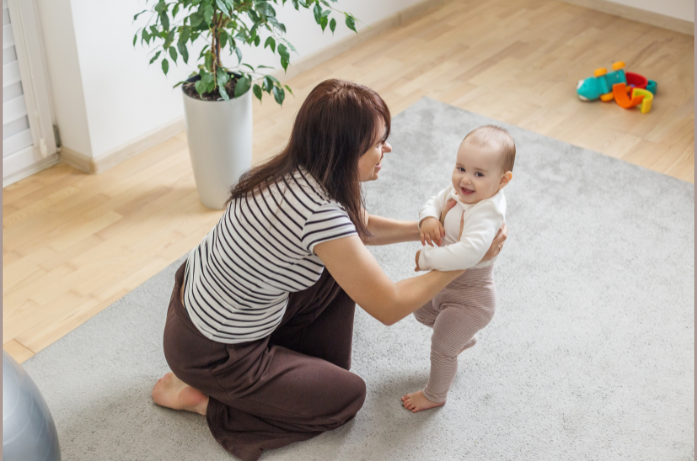
There’s a quiet moment every parent feels at some point…
You look at your child and wonder, “Are they growing the way they should?”
Are they learning enough… talking enough… playing the “right” way?
If those thoughts have ever crossed your mind, you’re not alone, mama.
Understanding the 7 stages of child development isn’t about comparing your child to anyone else. It’s about softly learning their rhythm, their pace, their little way of growing. Every child’s journey looks a bit different, and that’s exactly how it’s meant to be.
When you begin to understand these stages, something shifts, you feel a little more calm, a little more confident, and a lot more connected.
So let’s walk through these beautiful stages together… just like one mom gently holding another’s hand
Understanding the 7 stages of child development can help you feel more confident and connected as your child grows.
What Are the Stages of Child Development?
Before we go any further, let’s keep this simple and real.
The stages of child development are just the different phases your child moves through as they grow, not just physically, but emotionally, socially, and mentally too. It’s the journey of how they learn to smile, speak, think, connect, and slowly understand the world around them.
Resources from Cleveland Clinic also explain that child development includes physical, cognitive, social, and emotional growth that unfolds throughout childhood.
In stages of child development psychology, experts explain how these little changes happen step by step, how a baby who once only cried begins to talk, play, express feelings, and build relationships.
You might hear some people talk about the 5 stages of child development, while others explain it in more detail. In this guide, we’re gently walking through 7 stages, so you can see the bigger picture and feel more connected to your child’s growth.
And just a soft reminder, mama, this isn’t a checklist you need to follow perfectly.
It’s simply a guide to help you understand your child better… not a race you need to win
Understanding the Different Stages of Child Development in a Simple Way
When we talk about the different stages of child development, it can sometimes feel confusing or overwhelming.
You might come across different numbers, 5 stages, 7 stages, or even more, and wonder which one is “right.”
But the truth is, these stages are simply different ways of explaining the same journey, how your child grows, learns, and understands the world over time.
Instead of focusing on the exact number of stages, it helps to see them as a gentle guide.
Each stage represents a phase where your child is learning something new, whether it’s how to move, communicate, express emotions, or build relationships.
These stages are not strict timelines or rules you have to follow perfectly.
They’re simply there to help you:
• Understand what your child might be going through
• Support their growth in a natural way
• Feel more confident in your parenting journey
And most importantly, remember this, mama
your child isn’t growing according to a chart.
They’re growing through your love, your patience, and your presence every single day
The 7 Stages of Child Development (A Simple Guide for Parents)
1. Newborn Stage (0–3 Months)
This stage feels tender and new… for your baby and for you too.
Your little one is slowly adjusting to life outside the womb. Most of their day revolves around sleeping, feeding, and crying, but even in these quiet moments, their tiny body and brain are growing so quickly.
What you may notice:
They begin to recognize your voice
Brief but meaningful eye contact
Small reflex movements like grasping your finger
Gentle tip:
Hold your baby close as much as you can. Your warmth, your voice, your heartbeat, these are their biggest comforts right now.
2. Infant Stage (3–12 Months)
This is when things start to feel a little more interactive… and honestly, a lot more magical.
Those first smiles, giggles, and tiny attempts to roll or crawl, it’s a stage full of little milestones that melt your heart.
What you may notice:
Rolling over, sitting, and maybe even crawling
Turning when they hear their name
Babbling sounds like “ma” or “ba”
Gentle tip:
Talk to your baby throughout the day. Even simple conversations help build their language and connection with you.
3. Toddler Stage (1–3 Years)
Ah… the toddler phase. A mix of joy, curiosity, and a few emotional storms.
Your child is discovering independence. They want to touch everything, explore everywhere, and yes… sometimes say “no” just because they can.
What you may notice:
Walking, running, climbing (and keeping you on your toes!)
Using simple words and short phrases
Big emotions and occasional tantrums
Gentle tip:
Stay calm during those tough moments. Your child isn’t trying to be difficult, they’re learning how to express feelings they don’t fully understand yet.
4. Preschool Stage (3–5 Years)
This is where imagination truly comes alive.
Your child starts creating stories, asking endless “why” questions, and becoming more social with others.
What you may notice:
Pretend play and creative storytelling
Speaking in full sentences
Learning to share and make friends
Gentle tip:
Welcome their curiosity, even when it feels like a lot. Those endless questions are signs of a growing, curious mind.
5. Early School Age (5–8 Years)
Now your child begins stepping into a more structured world.
School, routines, and new responsibilities start shaping their confidence and independence.
What you may notice:
Learning to read and write
Understanding rules and routines
Forming deeper friendships
Gentle tip:
Focus on their effort, not just their achievements. When children feel supported, their confidence naturally grows.
6. Middle Childhood (8–12 Years)
This stage is quiet in some ways, but deeply meaningful.
Your child is starting to understand themselves better. They think more logically and become more aware of the world around them.
What you may notice:
Stronger bonds with friends
Improved thinking and problem-solving skills
Sensitivity to what others think
Gentle tip:
Be a listener. Sometimes they don’t need advice, they just need to feel understood.
7. Adolescence (12–18 Years)
This is the stage where your child slowly becomes their own person.
It can feel challenging at times, but it’s also a powerful phase of growth, identity, and self-discovery.
What you may notice:
Emotional ups and downs
A strong desire for independence
Deeper thoughts and self-expression
Gentle tip:
Stay close, even if they seem distant. Your quiet support and presence mean more to them than they may show.
Each of these different stages of child development carries its own beauty, challenges, and little moments you’ll never forget.
And through it all, the most important thing your child needs… is you
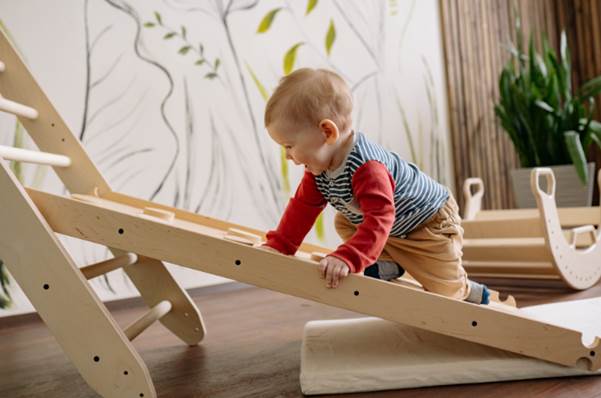
Understanding Ages and Stages of Child Development
At some point, almost every parent has this thought…
“Is my child developing the way they should?”
It’s such a natural question to have. When you see other children walking earlier, talking more, or doing things differently, it’s easy to start wondering.
But here’s the gentle truth, mama, ages and stages of child development aren’t strict rules you have to follow perfectly. They’re simply general patterns that help us understand how children usually grow.
Some little ones take their first steps early, while others take their time.
Some start talking nonstop, while others quietly observe the world around them before opening up.
And all of that… is completely okay.
Your child isn’t behind.
They’re just growing in their own beautiful rhythm.
What truly matters isn’t how fast they reach each milestone, it’s that they’re moving forward, little by little.
Because in the end, parenting isn’t about raising a “perfect” child…
It’s about supporting your child, exactly as they are Top of FormBottom of Form
Why These Development Stages Matter
When you begin to understand the development stages of a child, something beautiful happens, you stop second-guessing yourself so much… and start feeling more in tune with your child.
These 7 stages of child development are not strict rules, but helpful guides that make parenting feel a little more clear and less overwhelming.
It helps you notice what they truly need, not just what the world expects from them.
You slowly learn how to:
- Support their emotions when they don’t have the words yet
- Encourage learning in a way that feels natural, not forced
- Let go of unnecessary worries that often come from comparison
- Build a deeper, more trusting bond with your child
And honestly, that changes everything.
Because when you have a gentle idea of what to expect, parenting doesn’t feel as overwhelming. It starts to feel more connected… more meaningful… and a little more peaceful.
You’re no longer just reacting, you’re understanding. And that’s where real confidence as a parent begins
A Gentle Note on “Different Stages of Child Development”
As you read and learn, you might notice something a little confusing…
Some places talk about 5 stages, others mention 7 or even more.
That’s simply because child stages of development can be explained in different ways, depending on psychology, education, or even parenting approaches. Each one is just a different way of understanding the same beautiful journey of growing up.
But here’s the part that truly matters, mama
Your child isn’t growing based on theories or numbers.
They’re growing through the love you give, the time you spend, and the patience you show every single day.
Because in the end, it’s not the stages that shape your child the most…
It’s you
Simple Ways to Support Your Child at Every Stage
No matter what phase your child is in right now… the truth is, it’s rarely the big, perfect moments that shape them.
It’s the small things.
The quiet, everyday ways you show up.
You don’t need strict routines or complicated methods. Just a few simple, loving habits can make your child feel safe, understood, and deeply supported.
Be present
Not all day. Not perfectly.
Just in small pockets of time.
When you sit with them, look into their eyes, and give them your full attention, even for a few minutes, it tells them something powerful:
“I see you. You matter to me.”
And that feeling stays with them longer than we realize.
Talk… and really listen
The little conversations matter more than we think.
Talking about random things, silly things, everyday things, that’s how connection grows.
And when your child speaks, pause and truly listen.
Not to correct. Not to rush.
Just to understand.
That’s how trust quietly builds, one moment at a time.
Follow their pace
It’s so easy to look around and wonder, “Should my child be doing more?”
But every child has their own rhythm. Their own timeline.
Some take big steps quickly. Others move slowly and steadily.
Both are okay.
When we let go of pressure and meet them where they are, we give them the space to grow with confidence instead of fear.
Offer encouragement
Your child notices more than you think.
The way you smile when they try.
The way you say, “I’m proud of you” for something small.
These little moments of encouragement don’t feel small to them.
They become the voice inside their head as they grow.
Stay patient (even on the hard days)
Some days will feel messy.
Some days will test every bit of your patience.
And some days, it might feel like nothing is working.
But growth doesn’t happen all at once.
It happens quietly, slowly, in ways we don’t always see right away.
So take a breath. Pause when you need to. Begin again.
In the end, it’s not about doing everything perfectly.
It’s about showing up with love… again and again.
And that, more than anything else, is what your child will carry with them for life. Top of Form
FAQs: 7 Stages of Child Development
1. What are the 7 stages of child development?
The 7 stages include newborn, infant, toddler, preschool, early school age, middle childhood, and adolescence.
2. Why are child development stages important?
They help parents understand their child’s growth and support emotional, physical, and cognitive development.
3. Do all children follow the same development stages?
No, every child develops at their own pace. These stages are general guidelines, not strict rules.
4. What should parents focus on during each stage?
Parents should focus on providing love, support, communication, and a safe environment for growth.
Conclusion: Your Child Is Growing in Their Own Beautiful Way
At the end of the day, understanding the 7 stages of child development isn’t about getting everything perfectly right.
It’s simply about being a little more aware… a little more present… and a little more gentle, with your child, and with yourself too.
There will be days when you feel unsure.
Days when you quietly wonder, “Am I doing enough?”
In those moments, pause for just a second and ask yourself
Did you comfort your child today?
Did you truly listen to them?
Did you show them love, even in the smallest way?
If your answer is yes, even once, then please believe this… you are doing something deeply meaningful.
Because your child doesn’t need a perfect parent.
They need someone who shows up.
Who keeps trying.
Who loves them through every little stage, every messy moment, and every beautiful milestone.
And that, mama… is more than enough
If this guide helped you understand the 7 stages of child development, you can explore more simple, real, and gentle parenting tips here: talesoftots
Because every stage your child goes through…
is a beautiful part of their story, and yours too